


Are you wondering how long cocaine stays in your hair? Whether it’s for a drug test, personal knowledge, or helping someone you care about, understanding how cocaine remains detectable in hair can be crucial.
Hair tests can reveal drug use weeks or even months after consumption, making them one of the most reliable methods for detecting cocaine. But how exactly does cocaine get into your hair, and how long does it really stay there?
You’ll discover the facts about cocaine detection in hair, what affects the timeline, and what this means for you. Keep reading to get clear answers and take control of your situation.

Credit: www.healthline.com
Cocaine Detection In Hair
Detecting cocaine in hair offers a longer detection window than blood or urine tests. Hair testing can reveal cocaine use weeks or even months after consumption. This method provides valuable information for law enforcement, employers, and healthcare providers. Understanding how cocaine enters hair and the role of its metabolites improves test accuracy.
How Cocaine Enters Hair
Cocaine enters the hair through the bloodstream after consumption. The drug travels in the blood and reaches hair follicles. As hair grows, cocaine is deposited into the hair shaft. This process captures cocaine use over time. External contamination from the environment can also affect hair samples. Proper testing distinguishes between actual use and contamination.
Role Of Metabolites In Testing
Metabolites are byproducts formed when the body breaks down cocaine. Benzoylecgonine is the main metabolite tested in hair analysis. Testing for metabolites confirms true drug use rather than external contamination. Metabolite levels help determine the amount and frequency of cocaine use. Laboratories use sensitive methods to detect these substances accurately in hair samples.
Detection Window For Cocaine
The detection window for cocaine in hair offers a unique insight into drug use over time. Hair testing captures drug metabolites deposited in the hair shaft from the bloodstream. This method reveals cocaine use weeks or months after consumption. Unlike blood or urine tests, hair analysis covers a longer period. Understanding this detection window helps explain how long cocaine remains traceable in hair.
Typical Duration Of Detection
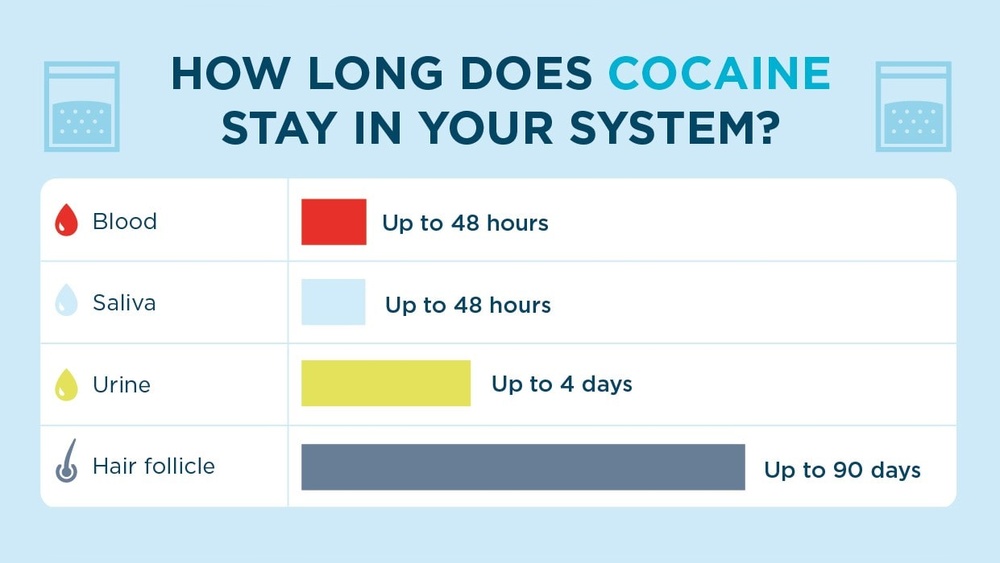
Cocaine can be detected in hair for up to 90 days or more. Hair grows about half an inch per month, so tests often analyze the first 1.5 inches from the scalp. This length reflects drug use in the past three months. In some cases, cocaine traces may be found even beyond 90 days. The exact detection period depends on hair length and sample size.
Factors Affecting Detection Time
Several factors influence how long cocaine stays in hair. Hair color and texture can affect drug absorption. Darker hair tends to bind more drug metabolites than lighter hair. The amount and frequency of cocaine use also matter. Regular or heavy use leads to higher drug levels in hair. External contamination from the environment can sometimes cause false positives. Hair treatments like bleaching or dyeing may reduce detectable drug levels. Individual metabolism and hair growth rate also play roles.
Hair Follicle Drug Testing
Hair follicle drug testing is a common method to detect drug use over a longer period. It can reveal cocaine use weeks or even months after consumption. This type of test analyzes hair strands to find traces of drugs and their metabolites. The process offers a wider detection window than urine or blood tests.
Hair follicles capture drug metabolites from the bloodstream. These substances remain trapped in the hair shaft as it grows. Testing hair can show a history of drug use, not just recent use. This makes it valuable in workplace or legal drug screening.
Testing Process Explained
The test starts by collecting a small hair sample, usually from the scalp. The sample is cut close to the skin to get the newest hair growth. Laboratories wash the hair to remove external contaminants. Then, the hair is dissolved and analyzed using advanced techniques like mass spectrometry. This detects cocaine and its metabolites inside the hair shaft.
The results usually reflect drug use from the past 90 days. Hair grows about half an inch per month, so the length of hair tested matters. Longer hair can show drug use over a longer time frame.
Accuracy And Reliability
Hair follicle testing is highly accurate compared to other drug tests. It rarely gives false positives because it detects drug metabolites inside the hair, not just surface contamination. Labs follow strict protocols to avoid errors during testing.
External factors like hair treatments or shampoo do not easily affect the results. However, very recent drug use may not show up until the hair grows out. This test provides reliable evidence of drug use over weeks or months. It helps employers and courts make informed decisions.

Credit: whitelightbh.com
External Influences On Hair Testing
External factors can change how cocaine shows up in hair tests. Understanding these influences helps explain why test results vary. Hair treatments and cleaning methods often affect cocaine detection. These factors impact the accuracy and reliability of hair drug tests.
Effects Of Hair Treatments
Hair treatments like bleaching, dyeing, and perming can reduce cocaine levels in hair. These processes break down or remove drug residues from the hair shaft. Frequent treatments may lower the chance of detecting cocaine. Still, some traces can remain deep inside the hair.
Damage from treatments can also make testing less reliable. Laboratories may receive weaker or altered samples. This can lead to false negatives or lower drug concentrations. Testing labs consider hair treatments when analyzing results.
Decontamination Protocols
Decontamination protocols aim to remove external cocaine contamination from hair. Washing hair with special solutions can clear recent drug exposure on the surface. These methods help distinguish between actual drug use and external contact.
Protocols vary but often include solvents and detergents. They wash away cocaine stuck outside the hair cuticle. Cocaine inside the hair’s inner layers remains unaffected. This helps labs confirm if cocaine use was through consumption or contamination.
Removing Cocaine From Hair
Removing cocaine from hair is a concern for many facing hair drug tests. The drug and its metabolites get trapped inside the hair shaft. This makes removal challenging. Different methods exist to reduce or hide cocaine traces. Understanding their effectiveness and limits helps manage expectations.
Effectiveness Of Bleaching And Washing
Bleaching hair can reduce cocaine levels but rarely removes it completely. The process breaks down the hair’s outer layer. This can fade drug traces near the surface. Washing with special shampoos may lower external contamination. However, these methods do not reach deep inside the hair shaft. They mainly affect surface residues. Regular washing alone is not enough to clear cocaine from hair.
Limitations Of Removal Methods
Cocaine metabolites are stored inside the hair’s cortex. This inner part is protected by the outer cuticle layer. Chemical treatments can damage hair but cannot fully remove cocaine. Bleaching and washing may only mask the presence temporarily. Hair testing labs use sensitive techniques to detect even small amounts. Attempts to remove cocaine can raise suspicion during testing. No method guarantees complete removal of cocaine from hair.
Credit: compassionbehavioralhealth.com
Comparing Hair Tests To Other Methods
Drug testing methods vary in how long they detect cocaine use. Hair tests can reveal drug use over months, unlike other tests. Understanding these differences helps choose the right test for specific needs. The following sections explain how blood and urine tests compare to hair testing. The benefits of hair testing also become clear.
Blood And Urine Tests Duration
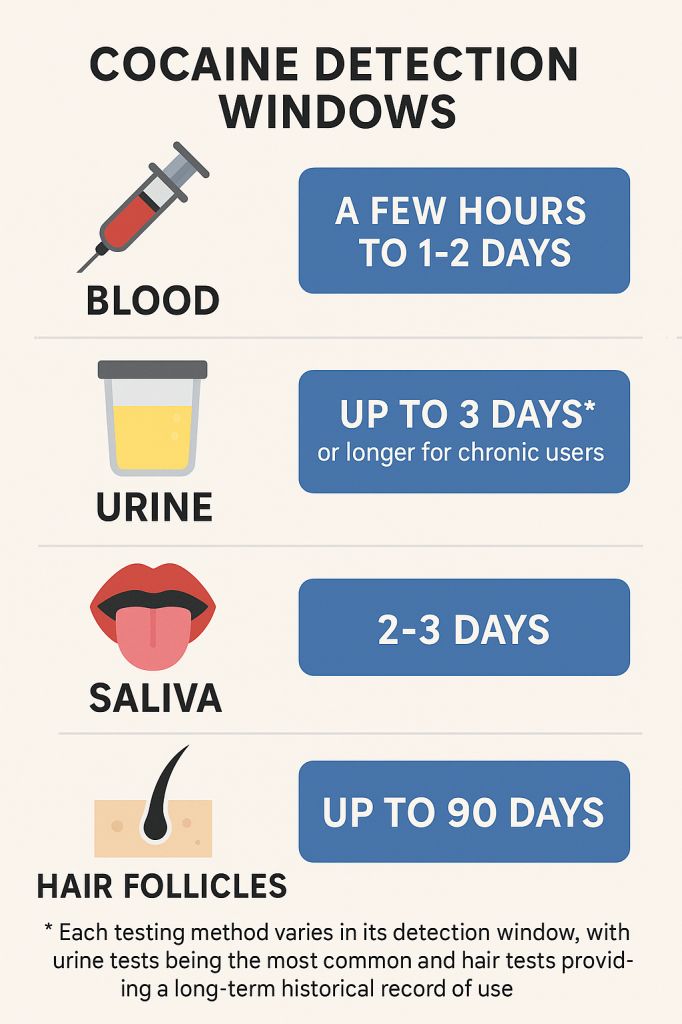
Blood tests detect cocaine for up to 24 hours after use. Urine tests detect cocaine for about 2 to 4 days. These tests show recent drug use but miss long-term patterns. They are useful for immediate or recent detection. Their short detection window limits their use for tracking past use.
Advantages Of Hair Testing
Hair testing can detect cocaine use for up to 90 days or longer. The drug enters hair from the bloodstream and stays as the hair grows. This gives a longer detection window than blood or urine tests. Hair tests also resist cheating methods like skipping tests or flushing drugs. They show a detailed history of drug use over time.
Resources For Substance Use Support
Finding help for substance use is crucial for recovery. Support resources offer guidance, counseling, and treatment options. They connect individuals with professionals who understand their struggles. Access to reliable help can improve chances of overcoming addiction.
Various organizations provide free, confidential support for those facing substance use challenges. These resources can answer questions about drug effects, testing, and recovery steps. They also offer referrals to local treatment programs and support groups.
National Helplines
National helplines are available 24/7 to provide immediate assistance. Trained counselors offer emotional support and practical advice. They can help you find nearby treatment centers and support services. Calling a helpline is free and confidential, ensuring privacy.
Examples include the Substance Abuse and Mental Health Services Administration (SAMHSA) National Helpline. It connects callers to local resources tailored to their needs. Another option is the National Institute on Drug Abuse (NIDA) helpline. Both lines are valuable for those seeking help or information.
Treatment Centers
Treatment centers offer structured programs to address substance use disorders. They provide medical care, counseling, and peer support. Options range from outpatient services to residential rehabilitation. Centers focus on long-term recovery and relapse prevention.
Many centers specialize in cocaine addiction and related issues. They use evidence-based therapies to support healing. Finding a treatment center near you can make recovery more accessible. Professional care increases the chance of lasting success.
Frequently Asked Questions
Can Cocaine Be Removed From Hair?
Cocaine binds inside hair shafts and resists removal. Bleaching or decontamination may reduce surface cocaine but cannot fully eliminate it. Hair tests detect cocaine for months after use.
How Long Do Drugs Test Positive In Hair?
Drugs can test positive in hair for up to 90 days after use. Hair tests detect drug metabolites embedded in hair shafts. This method reveals long-term drug use, unlike urine or blood tests. Hair follicle tests provide a reliable detection window of approximately three months.
How Accurate Is The Hair Follicle Test For Cocaine?
The hair follicle test for cocaine is highly accurate, detecting drug use up to 90 days. It measures cocaine metabolites in hair shafts through bloodstream incorporation. External contamination can be minimized by proper decontamination. This test reliably indicates long-term cocaine use rather than recent exposure.
Will Peroxide Remove Cocaine From Hair?
Hydrogen peroxide may reduce external cocaine contamination on hair but cannot fully remove cocaine incorporated inside the hair shaft.
Conclusion
Cocaine can stay in hair for up to 90 days or more. Hair tests detect drug use over a long period. The drug and its metabolites enter hair from the bloodstream. Washing hair does not remove cocaine inside the shaft.
This test is useful for detecting past drug use. Knowing this helps understand how drug tests work. Always seek help if struggling with substance use. Treatment and support are available from many organizations. Staying informed leads to better choices and health.
As an Amazon Associate, I earn from qualifying purchases.
Lovingshe is a participant in the Amazon Services LLC Associates Program which is an affiliate advertising program designed to provide a means for sites to earn advertising fees by advertising and linking to Amazon.com. Amazon may use cookies to track referrals from our site. Visit Amazon’s privacy policy for details
