


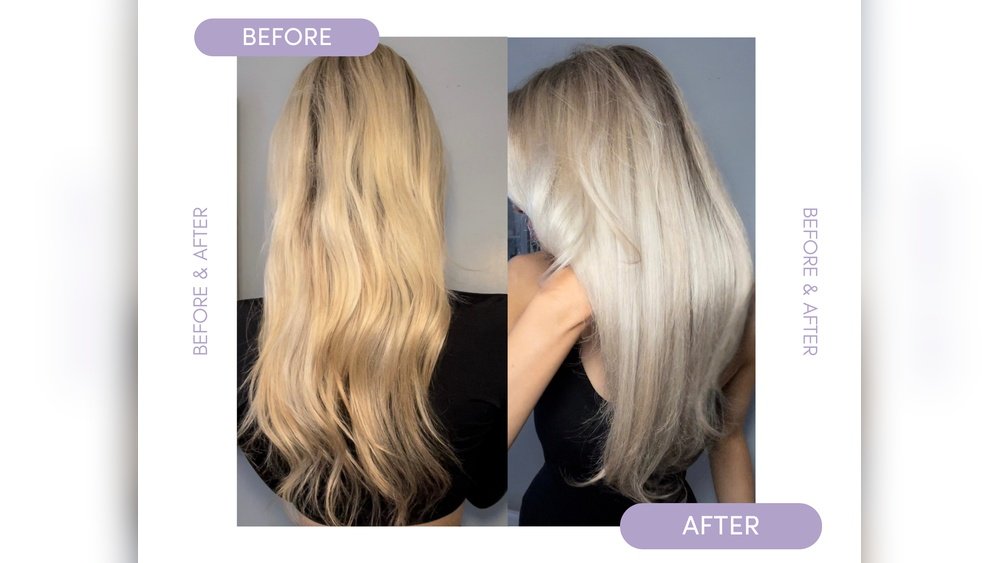
Thinking about bleaching your hair or already have those striking light locks? You might be wondering, “How long does bleached hair last?” Bleaching isn’t just a quick change—it’s a chemical process that transforms your hair’s natural color and texture.
The big question is, how long can you enjoy that bright, bold look before it starts to fade or show signs of damage? Understanding what happens beneath the surface of your hair can help you keep it looking fresh and healthy for longer.
You’ll discover exactly how long bleached hair lasts, what affects its longevity, and the best ways to care for your locks so you can rock your bleached style with confidence every day. Keep reading to find out how to make your bleached hair glow and stay vibrant for as long as possible!
Credit: www.nexxus.com
Bleached Hair Lifespan
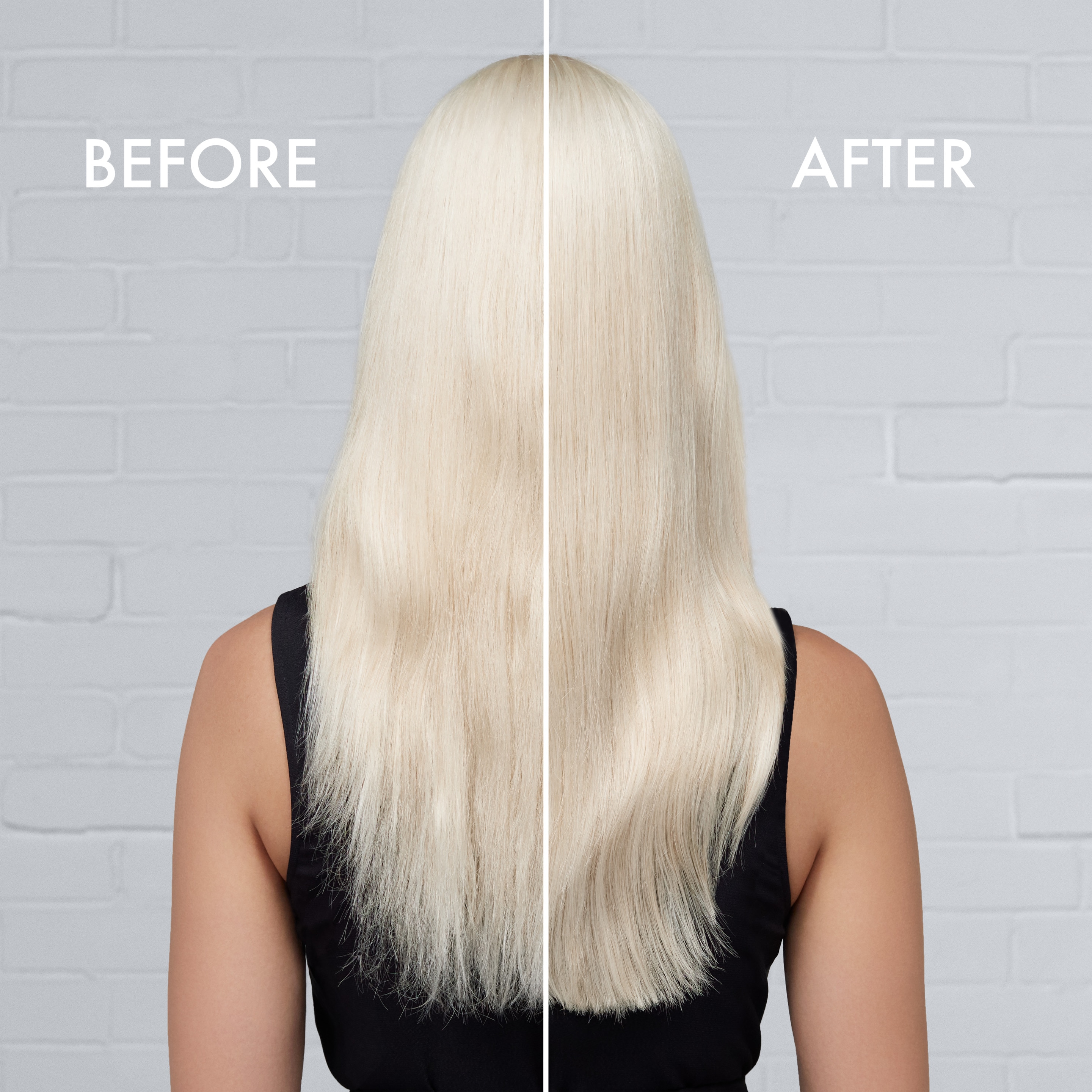
Bleached hair changes your hair’s natural color by removing pigment. This process alters hair structure and its appearance for a certain time. Understanding how long bleached hair lasts helps you plan care and maintenance. The lifespan of bleached hair depends on several factors.
Typical Duration Of Bleach Effects
Bleach effects usually last until new hair grows in. The bleached section stays light but may fade with washing. On average, the lightness can last from 4 to 6 weeks. Over time, hair color may become dull or brassy. Regular touch-ups are needed to keep the bright look.
Factors Influencing Color Fade
Hair washing frequency impacts how fast bleach fades. Using harsh shampoos speeds up color loss. Sun exposure and heat styling also cause faster fading. Hair porosity after bleaching makes color less stable. Quality of aftercare products plays a big role in color longevity.
Permanent Vs. Semi-permanent Changes
Bleaching is a permanent change to hair pigment. It removes natural color and cannot be reversed. Semi-permanent dyes only coat hair and fade with washes. Bleach changes hair structure, causing damage that lasts. Growing out bleached hair is the only way to fully restore natural color.
Hair Changes After Bleaching
Bleaching hair causes noticeable changes to its color, texture, and overall health. The process strips away natural elements and alters the hair’s structure. Understanding these changes helps in caring for bleached hair properly. Below are key effects bleaching has on hair.
Loss Of Natural Pigment
Bleaching removes melanin, the pigment that gives hair its color. This change is permanent and makes hair lighter. The hair will never regain its original shade without artificial coloring. New hair growth remains the natural color, creating a contrast with bleached strands.
Structural Damage And Porosity
The bleach opens the hair cuticle to remove color, causing damage. This leaves hair porous, meaning it absorbs and loses moisture easily. Porous hair feels dry and looks dull. It also becomes more prone to frizz and tangling.
Texture And Strength Alterations
Bleached hair often feels rough or brittle. The chemical process breaks down protein bonds in the hair shaft. This weakens hair strength and elasticity. Hair may snap or break more easily during brushing or styling. Proper care is essential to reduce damage.
Regrowth And Maintenance
Maintaining bleached hair requires attention to regrowth and proper care. Bleached hair changes permanently after the process. New hair will grow in your natural color. This creates a contrast between roots and bleached strands. Understanding regrowth patterns helps manage this change well. Regular upkeep keeps bleached hair healthy and looking fresh.
Natural Hair Regrowth Patterns
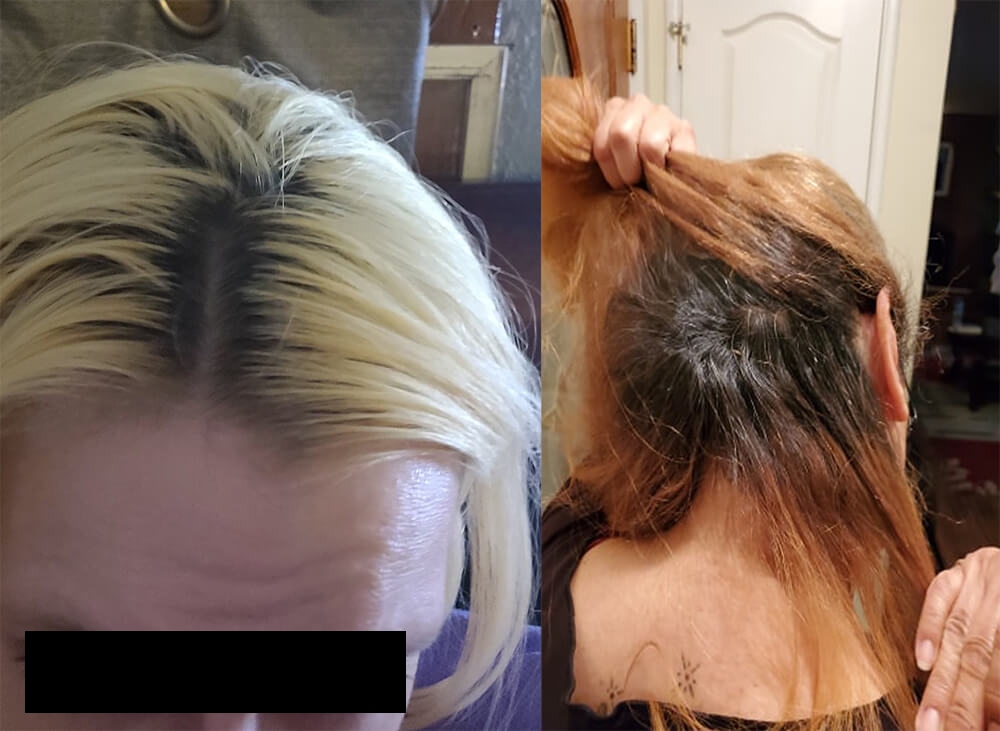
Your hair grows about half an inch each month. Roots show your natural hair color. The longer you wait, the more visible roots become. Texture may differ between natural and bleached hair. Natural hair tends to be stronger than bleached hair. Regrowth speed varies by person but usually follows a steady pattern.
Managing Roots And Color Lines
Roots create a clear line between colors. This line can look sharp or uneven. Touch-ups every 4 to 6 weeks help blend roots. Some choose to grow out the bleach for a natural look. Using root smudging or blending techniques softens the line. Regular salon visits keep color fresh and balanced.
Routine Care For Bleached Hair
Bleached hair needs gentle care to avoid damage. Use sulfate-free shampoos to keep moisture in. Deep conditioning treatments restore softness and strength. Avoid heat styling tools or use heat protectants. Wash hair with cool water to seal cuticles. Regular trims remove split ends and improve hair health.
Credit: www.reddit.com
Repairing Bleach Damage
Bleaching hair can cause serious damage. The process removes natural pigment and weakens hair structure. Repairing this damage is key for healthy, beautiful hair. Proper care helps restore moisture and strength. It also improves texture and shine. Follow simple, consistent steps to heal bleached hair over time.
Deep Conditioning Treatments
Deep conditioning treatments add moisture deep into hair strands. They help rebuild the hair’s inner layers. Use a rich, nourishing conditioner once or twice a week. Leave it on for at least 15 minutes. Cover hair with a shower cap to trap heat. This makes the treatment more effective. Deep conditioners restore softness and reduce breakage.
Using Moisturizers And Masks
Moisturizers and hair masks keep bleached hair hydrated all day. Choose products made for damaged or color-treated hair. Apply leave-in moisturizers after washing to lock in moisture. Hair masks provide intense hydration and repair. Use masks weekly to strengthen and protect hair. These products smooth rough cuticles and prevent dryness.
Avoiding Heat And Harsh Chemicals
Heat styling tools cause more damage to bleached hair. Avoid blow dryers, flat irons, and curling wands. Let hair air dry instead. Harsh chemicals in some shampoos strip moisture away. Use gentle, sulfate-free shampoos to protect hair. Avoid coloring or perming hair while it heals. These steps prevent further damage and breakage.
Restoring Natural Color
Restoring natural color after bleaching is a gradual process. Bleaching removes the natural pigment permanently. The hair structure changes and becomes more fragile. You cannot fully reverse bleaching, but you can improve the appearance. Many people want to bring back their natural shade or a close match. This requires care, patience, and the right techniques.
Color Correction Techniques
Color correction involves adding pigment back to bleached hair. Professionals use special methods to blend shades. This helps hair look more natural and less damaged. Techniques include applying fillers that replace lost color tones. The goal is to balance the hair’s lightness with natural hues. Correction requires experience to avoid uneven or harsh results.
Using Demi-permanent Dyes
Demi-permanent dyes gently add color without harsh chemicals. They do not lighten hair but enrich it with pigment. This type of dye fades gradually with washing. Using demi-permanent colors can soften the bleached look. They help blend roots and bleached ends during transition. These dyes also cause less damage than permanent dyes.
Patience During Transition
Natural hair color returns only through new growth. Growing out bleached hair takes time and care. Regular trims remove damaged ends slowly. Deep conditioning treatments support healthy hair growth. Avoid heat styling to prevent extra breakage. Patience is key as your hair adjusts and recovers. Over time, natural color will dominate the look again.
Preventing Further Damage
Bleached hair needs special care to avoid extra damage. The bleaching process makes hair fragile and dry. Protecting your hair after bleaching helps it stay healthy longer. Simple habits and good products can reduce breakage and keep your hair soft.
Best Hair Care Practices
Wash hair with cool water to keep moisture. Use gentle shampoos made for damaged hair. Avoid washing hair every day to prevent dryness. Always apply conditioner after shampoo to smooth the hair cuticles. Use deep conditioning treatments once a week to repair damage. Gently pat hair dry with a towel instead of rubbing. Avoid brushing wet hair because it breaks easily. Trim hair regularly to remove split ends and keep it neat.
Choosing The Right Products
Pick shampoos and conditioners without harsh chemicals like sulfates and parabens. Look for products with nourishing ingredients such as keratin, argan oil, and shea butter. Use leave-in conditioners to add extra moisture and protection. Protein treatments help strengthen weak hair strands. Avoid products with alcohol because they dry hair out. Choose hair masks designed for bleached or color-treated hair. Test new products on a small hair section first to avoid reactions.
Styling Tips For Fragile Hair
Limit the use of heat tools like straighteners and curling irons. When using heat, always apply a heat protectant spray. Choose hairstyles that do not pull tightly on the roots. Avoid tight ponytails or braids that stress the hair. Let hair air dry whenever possible instead of using blow dryers. Use wide-tooth combs to gently detangle hair. Try protective hairstyles like loose buns or braids that reduce friction. Sleep on silk or satin pillowcases to reduce hair breakage at night.
Timing Between Bleaching Sessions
Timing between bleaching sessions plays a crucial role in maintaining healthy hair. Bleaching is a harsh chemical process that weakens hair strands. Proper spacing helps your hair recover and reduces damage. Rushing into another session can lead to breakage and dryness.
Recommended Waiting Periods
Most hair experts suggest waiting at least 4 to 6 weeks between bleaching sessions. This period allows hair to regain moisture and strength. Waiting longer can benefit very damaged or fine hair. Always consult a professional before scheduling your next bleach.
Risks Of Frequent Bleaching
Bleaching too often causes severe dryness and brittleness. Hair can become porous and prone to split ends. Frequent bleaching may lead to hair breakage and loss. Over-processed hair feels rough and looks dull. Avoid bleaching more than twice within a short period.
Signs Hair Needs A Break
Your hair shows clear signs when it needs rest. Noticeable dryness, frizz, and split ends signal damage. Hair that feels gummy or weak needs a break. Excessive shedding or breakage also means pause bleaching. Use deep conditioning treatments to help hair heal before bleaching again.
Credit: www.uglyducklingcolor.com
Frequently Asked Questions
How Long Does It Take For Bleached Hair To Fade Away?
Bleached hair color begins fading after 4-6 weeks, depending on hair care and washing frequency. Regrowth shows natural color.
Does Bleached Hair Go Back To Normal?
Bleached hair never fully returns to its original state due to permanent pigment loss and damage. Growing out or coloring helps restore appearance. Regular deep conditioning and gentle care improve hair health and manage damage effectively.
How Long Does Bleach In Your Hair Last?
Bleach in hair typically lasts until the hair grows out or is cut off. The faded color can last 4-6 weeks but damage remains permanent. Regular care and treatments help maintain hair health and color.
Does Bleached Hair Stay Damaged?
Bleached hair stays damaged because bleach removes natural pigment and weakens hair structure. Regular deep conditioning helps repair and maintain health. Growing out or trimming bleached ends restores natural texture over time, but damage remains until fully replaced by new hair.
Conclusion
Bleached hair lasts until it grows out or is recolored. The lightened color fades gradually but never fully returns to natural. Hair structure stays different and needs extra care. Use deep conditioners and avoid heat to keep hair healthy. Regular trims help remove damaged ends over time.
Patience is key for restoring natural hair health and look. With good care, bleached hair can stay strong and shiny longer. Remember, maintaining bleached hair requires effort but the results can be worth it.
As an Amazon Associate, I earn from qualifying purchases.
Lovingshe is a participant in the Amazon Services LLC Associates Program which is an affiliate advertising program designed to provide a means for sites to earn advertising fees by advertising and linking to Amazon.com. Amazon may use cookies to track referrals from our site. Visit Amazon’s privacy policy for details
