


Thinking about bleaching your hair but unsure how long to keep the bleach on? You’re not alone.
Getting the timing right is crucial—not just for achieving the perfect shade, but also for protecting your hair from damage. Leave it on too short, and you might not see the lift you want; leave it on too long, and you risk serious breakage or scalp irritation.
In this guide, you’ll learn how to find the sweet spot for your hair type and color, what signs to watch for during the process, and expert tips to bleach your hair safely. Keep reading to discover how to get that flawless blonde without the stress.
Bleach Timing Basics
Understanding bleach timing is key to healthy hair and great color. Leaving bleach on too long can harm your hair. Too short, and you may not get the color you want. Each hair type reacts differently. Knowing the basics helps you bleach safely and effectively.
Typical Processing Times
Most bleaching sessions last between 20 and 45 minutes. Darker hair usually needs closer to 45 minutes. Lighter hair may only need about 20 to 30 minutes. Always check your hair every 5 to 10 minutes during processing. Never exceed 45 minutes without professional advice. Overprocessing leads to dryness and breakage. A patch or strand test helps determine the right time for your hair.
Color Transformation Stages
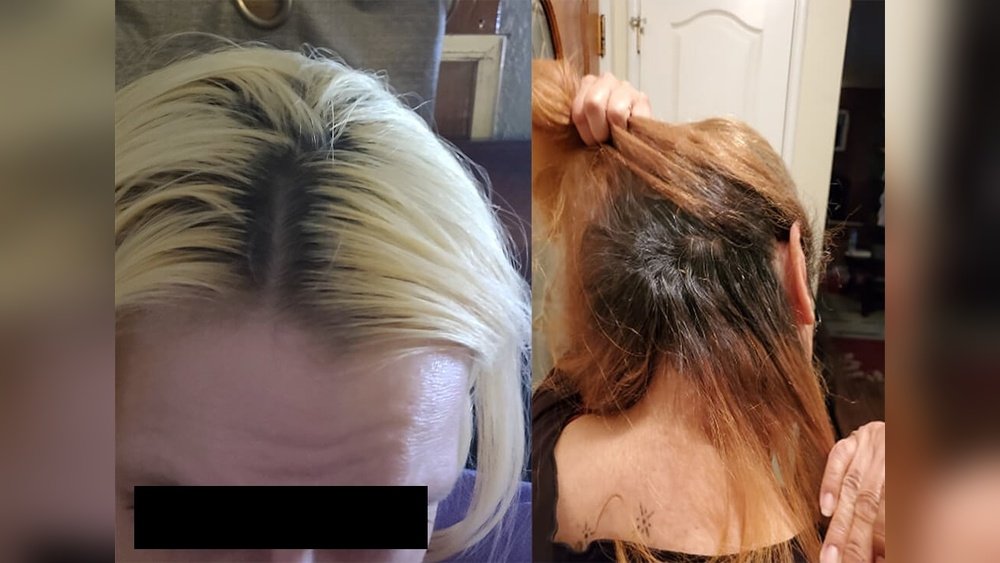
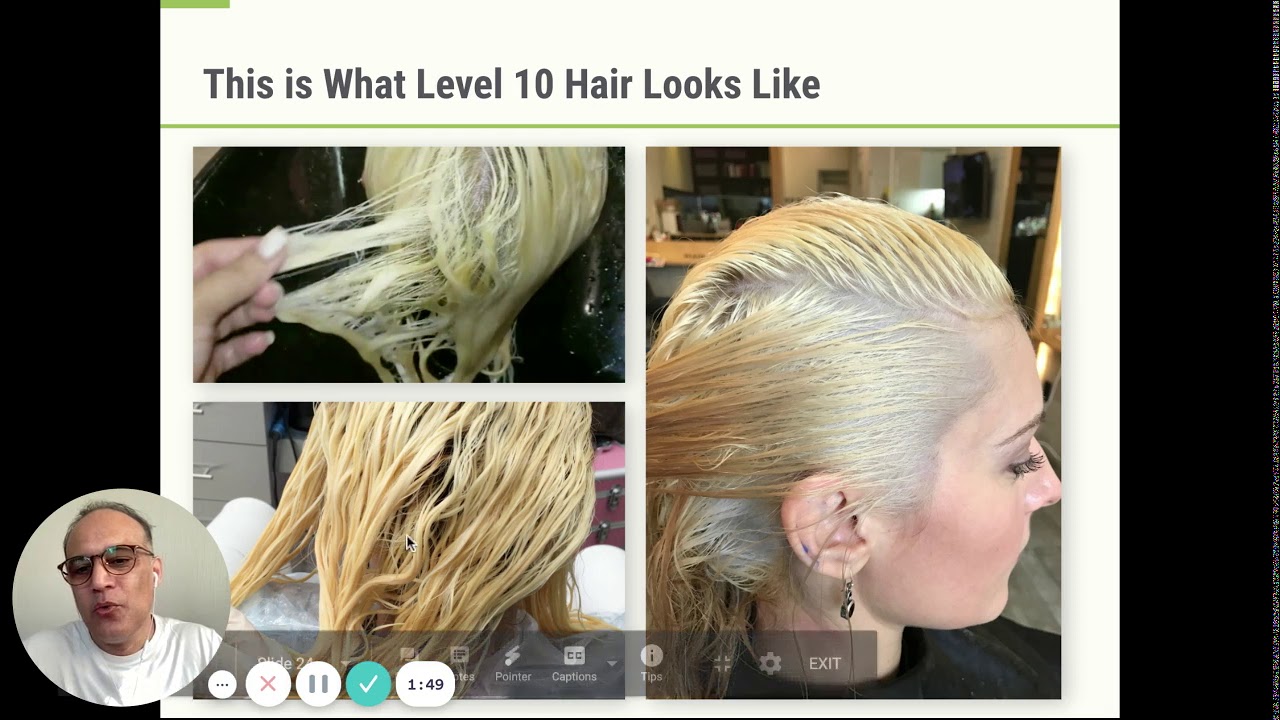
Bleach changes hair color in several stages. First, hair turns red or orange. This means the natural pigment is breaking down. Next, hair shifts from orange to yellow. Yellow hair is the perfect base for many blondes. If left too long, hair can turn pale or white but also become fragile. Knowing these stages helps you stop bleaching at the right time. This avoids damage and gives you the desired shade.

Credit: www.reddit.com
Hair Factors Affecting Bleach Time
Bleach time varies depending on several hair factors. These factors influence how quickly your hair lightens and how safe the process is. Understanding these helps avoid damage and achieve the desired shade.
Natural Hair Color
Dark hair needs longer bleach time to lift color. Light hair requires less time to reach pale shades. The darker your hair, the more patience you need during bleaching.
Hair Porosity
Porous hair absorbs bleach faster and processes quickly. Low porosity hair resists bleach and takes longer to lighten. Knowing your hair porosity helps set the right timing for bleach.
Hair Health And Condition
Damaged hair reacts faster to bleach and can break easily. Healthy hair tolerates bleach better and lightens more evenly. Always check your hair condition before bleaching to prevent harm.
Signs To Remove Bleach Immediately
Bleach can lighten hair quickly but also damage it fast. Watching your scalp during bleaching is very important. Some signs show that bleach must come off right away. Ignoring these signs can cause burns or hair loss.
Knowing when to act protects your scalp and keeps hair healthier. Pay close attention to how your scalp feels while bleaching.
Tingling Vs. Burning
A slight tingling feeling is normal during bleaching. It means the bleach is working. This sensation should be mild and short-lived. Strong or sharp burning is a warning sign. Burning means your scalp is being damaged. Stop the process immediately if burning starts. Leaving bleach on during burning can cause painful burns and irritation.
Pain And Scalp Sensitivity
Some scalp sensitivity is normal but intense pain is not. Pain signals that bleach has harmed your skin. You may see redness or feel soreness too. Any sharp or stabbing pain means rinse the bleach off now. Do not wait for the full processing time. Protect your scalp by stopping at the first sign of pain.
Credit: www.youtube.com
Safety Guidelines For Bleaching
Bleaching hair requires careful attention to safety. Chemicals in bleach can cause damage if not used properly. Following safety guidelines protects your hair and scalp from harm. This section covers essential steps to bleach hair safely and effectively.
Reading Instructions
Always read the instructions on the bleach package. Different products have different strengths and application times. Follow the directions exactly to avoid mistakes. Do not guess or leave bleach on longer than recommended. Proper use reduces the risk of damage and scalp irritation.
Performing Strand Tests
Test a small section of hair before full application. This shows how your hair reacts to the bleach. It helps estimate the time needed for the desired lightness. Strand tests also check for allergic reactions or unexpected damage. Never skip this step to keep your hair safe.
Avoiding Over-bleaching
Do not leave bleach on your hair too long. Over-bleaching causes dryness, breakage, and scalp burns. Watch the clock and rinse as soon as the target color appears. Avoid multiple bleaching sessions close together. Give your hair time to recover between treatments.
Maintaining Hair During Bleaching
Maintaining hair during bleaching is key to keeping strands healthy and strong. Bleach can damage hair if not handled with care. Proper care before and after bleaching helps reduce breakage and dryness. This section explains simple steps to protect your hair throughout the process.
Pre-bleach Hair Care
Start with clean, dry hair. Avoid washing hair right before bleaching to keep natural oils intact. These oils protect your scalp and hair from harsh chemicals. Use a deep conditioner a few days before bleaching to add moisture. Trim split ends to prevent further damage. Do a patch test to check for allergic reactions. Avoid heat styling tools before bleaching to reduce hair stress.
Post-bleach Treatment
Rinse bleach out thoroughly with cool water to close the cuticles. Apply a protein-rich conditioner to restore strength. Use sulfate-free shampoos to avoid stripping moisture. Incorporate weekly deep conditioning masks for extra hydration. Avoid heat styling for a few days to let hair recover. Use leave-in conditioners to protect hair from environmental damage. Regular trims help remove damaged ends and keep hair healthy.
Professional Vs. At-home Bleaching
Bleaching hair changes its color by removing natural pigment. You can do this at home or have a professional handle it. Both methods use similar chemicals but differ in skill, timing, and safety. Choosing between professional and at-home bleaching affects how long you keep bleach on your hair. Understanding these differences helps protect your hair and get the color you want.
Timing Differences
Professionals know exactly how long to leave bleach on your hair. They adjust timing based on hair type and condition. At home, people often guess or follow general instructions. This can lead to leaving bleach too long or washing it out too soon.
Usually, professionals keep bleach on hair between 20 to 45 minutes. They watch the hair closely to avoid damage. At home, most kits suggest 30 to 40 minutes, but this is not always safe for all hair types.
Experts can stop the process early if hair is light enough. At home, people may over-bleach, causing dryness and breakage. Timing is key to healthy, bright results.
When To Seek A Hairdresser
Choose a hairdresser if your hair is dark, damaged, or long. Professionals handle tricky colors and protect your hair better. They use special treatments during and after bleaching to keep hair strong.
If you want a big change, like going very blonde, trust a professional. At-home bleaching suits small touch-ups or mild lightening on healthy hair.
Feeling pain or burning during bleaching means stop and seek help. A hairdresser can fix damage and guide safe timing for future bleaching.
Common Myths About Bleach Timing
Many people have wrong ideas about how long to keep bleach on hair. These myths can cause damage or poor results. Understanding the truth helps protect hair and achieve the desired color. It is important to separate facts from fiction about bleach timing.
Longer Bleach Means Better Results?
More time does not always mean better lightening. Bleach works quickly and stops lifting after a point. Leaving bleach too long can harm hair without extra lightening. Over-processing makes hair dry and brittle. Follow the recommended time for your hair type. Patience is better than rushing with extra bleach time.
Bleach Drying Effects
Bleach needs to stay wet to work properly. When bleach dries on hair, it loses strength and stops lifting color. Dried bleach can also cause uneven color or patchiness. Keep your hair moist during the process. Use a plastic cap or spray water if needed. This keeps bleach active and protects hair from damage.
%20Lightening_levels%20(5).png)
Credit: www.uglyducklingcolor.com
Frequently Asked Questions
How Long Are You Supposed To Leave Bleach In Your Hair?
Leave bleach on hair for 20 to 45 minutes, depending on hair type and desired lightness. Rinse immediately if burning occurs. Always follow product instructions and perform a strand test before bleaching. Avoid exceeding 45 minutes to prevent damage.
Does Bleach Work Better The Longer It Sits?
Bleach works best while wet; it loses strength as it dries and evaporates. Do not leave bleach longer than recommended.
Is 20 Minutes Long Enough To Bleach Hair?
Twenty minutes can be enough for lightening hair, depending on hair type and desired shade. Always follow product instructions and perform a strand test. Stop immediately if you feel burning or severe discomfort to avoid damage.
How Long Should My Hairdresser Leave Bleach On My Hair?
Hairdressers typically leave bleach on hair for 20 to 45 minutes. Monitor hair closely to avoid damage. Rinse immediately if scalp burns.
Conclusion
Bleach time depends on your hair color and condition. Darker hair needs more time, lighter hair less. Always follow the product instructions carefully. Stop if you feel burning or sharp pain. Leaving bleach too long can cause damage. Test a small strand first to see how your hair reacts.
Rinse out bleach as soon as desired lightness is reached. Keep your hair healthy before and after bleaching. Taking care helps avoid breakage and dryness. Bleach safely for better results and healthier hair.
As an Amazon Associate, I earn from qualifying purchases.
Lovingshe is a participant in the Amazon Services LLC Associates Program which is an affiliate advertising program designed to provide a means for sites to earn advertising fees by advertising and linking to Amazon.com. Amazon may use cookies to track referrals from our site. Visit Amazon’s privacy policy for details
