


Have you ever wondered how far back a hair test can reveal your drug use history? Whether you’re facing a workplace screening, legal inquiry, or just curious about what these tests uncover, understanding the timeline hair testing covers is crucial.
Unlike urine or blood tests that show recent use, hair tests can provide a detailed record stretching back months—or even years. You’ll discover exactly how hair follicle drug tests work, what factors influence their detection window, and what this means for you.
Keep reading to learn how long your past might stay visible under the microscope.
Hair Test Basics
Hair drug testing reveals drug use over weeks or months. It provides a longer detection window than blood or urine tests. Understanding the basic process helps explain how far back a hair test can detect substances.
The science behind hair testing involves drug incorporation, hair growth, and analysis of hair segments. These factors work together to create a timeline of drug use.
Drug Incorporation Process
Drugs enter the bloodstream after use. They reach hair follicles through blood vessels. As hair grows, drugs get trapped inside the hair shaft. This process creates a record of drug exposure. The hair keeps these traces as it grows out from the scalp.
Hair Growth And Sample Length
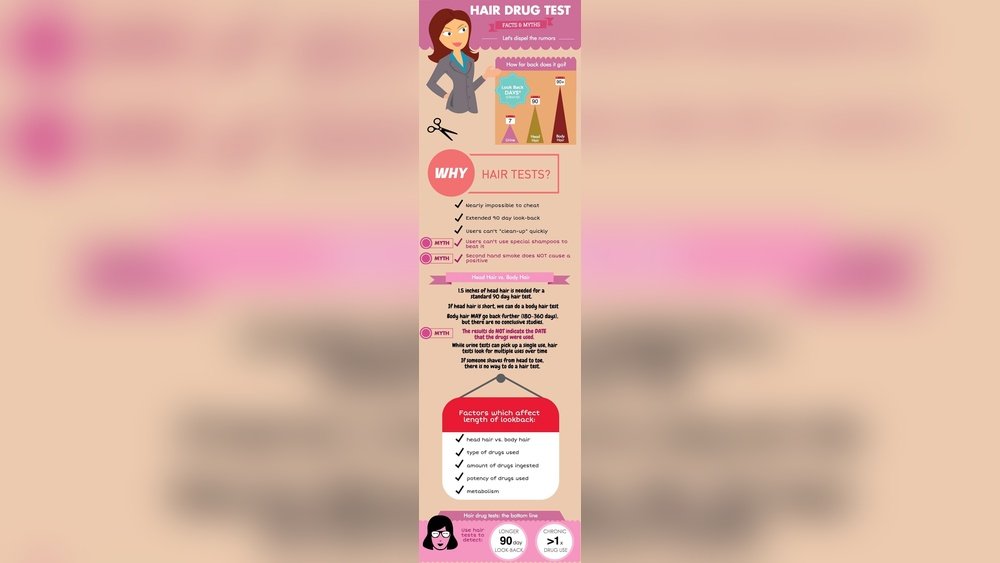
Hair grows about half an inch per month. A 1.5-inch hair sample shows drug use for roughly 90 days. Longer hair samples can reveal drug use over many months. Short hair limits the detection window. Body hair grows slower but can be used if head hair is unavailable.
Segmental Analysis Explained
Segmental analysis divides hair into sections. Each section represents a past time period. Testing these segments shows when drug use occurred. This method helps identify patterns or changes in drug intake. It provides a detailed timeline rather than a single average.
Detection Window
The detection window of a hair drug test refers to the period during which drug use can be identified. Hair tests detect substances embedded in the hair shaft as it grows. This method offers a longer detection period compared to urine or blood tests. Understanding this window helps clarify how far back drug use can be traced.
Typical Timeframe
Hair tests usually detect drug use within the past 90 days. Hair grows about half an inch per month. Testing a 1.5-inch hair sample shows drug use over three months. Shorter hair samples provide a shorter detection window.
Extended Detection Periods
Longer hair samples can reveal drug use beyond 90 days. Some tests analyze hair segments to create a timeline. Body hair grows slower, extending detection up to a year. This method depends on hair length and growth rate.
Comparison With Other Tests
Urine tests detect recent drug use, usually up to 3-7 days. Blood tests find drugs only for hours or days after use. Hair tests cover a much longer period. This makes hair testing ideal for detecting long-term drug use.
Factors Affecting Detection
Several factors influence how far back a hair test can detect substances. These factors affect the accuracy and length of the detection window. Understanding them helps explain the results and their limits. Hair tests do not simply show recent use. They provide a timeline based on hair growth and condition.
Hair Length And Type
Hair length is key to detection time. Longer hair holds records of drug use for more months. A standard test uses about 1.5 inches of hair. This covers roughly 90 days of growth. Short hair limits the detection window.
Hair type also plays a role. Head hair grows faster than body hair. Body hair grows slower and can hold drug traces longer. This means body hair can show older drug use. However, body hair varies more in growth cycles.
Hair Source Variations
Different hair sources can change detection results. Head hair is most common for testing. It offers a consistent growth rate and clear timeline. Body hair samples come from arms, legs, or chest. These may reflect drug use from many months ago.
Hair from different areas can have varied drug concentrations. This variation affects test sensitivity. Testing labs must consider these differences when analyzing samples. Choosing the right hair source can improve test accuracy.
Influence Of Hair Treatments
Hair treatments impact drug detection in tests. Chemical processes like bleaching or dyeing can reduce drug levels. These treatments may break down drug molecules in the hair shaft. This leads to lower detection rates or false negatives.
Frequent washing and use of harsh shampoos also affect results. They can wash out some drug traces over time. Laboratories often ask about hair treatments before testing. This helps interpret the test outcomes correctly.

Credit: www.arcpointlabs.com
Testing Methods
Hair tests reveal drug use by analyzing hair strands for drug traces. Different methods affect how far back the test can detect substances. Understanding testing methods helps know the detection time and accuracy. The choice depends on the purpose and the detail needed.
Standard Vs. Extended Testing
Standard testing usually checks the most recent 90 days of hair growth. It uses about 1.5 inches of hair closest to the scalp. Extended testing examines longer hair samples for drug use beyond 90 days. This method can detect drug use up to a year or more. Extended tests require longer hair and more complex analysis.
Segmented Testing Advantages
Segmented testing divides hair into small sections. Each section shows drug use during a specific time period. This method provides a timeline of drug consumption. It helps identify exact months or weeks when drugs were used. Segmented testing offers more detailed information than standard testing.
Sample Collection Techniques
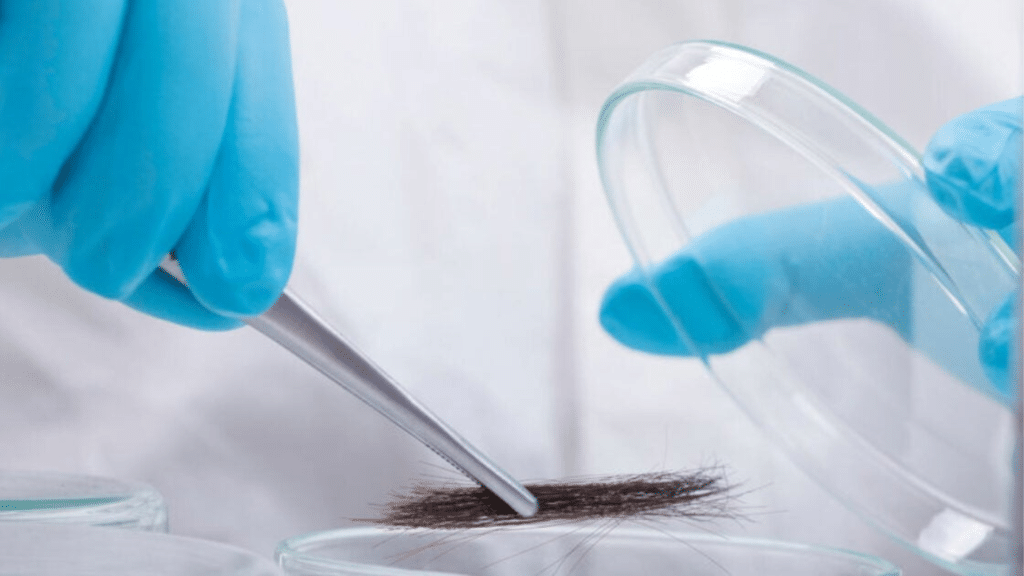
Hair collection usually involves cutting a small sample close to the scalp. The sample must be clean and free of contamination. Body hair can be used if head hair is too short. Proper collection ensures reliable test results. The sample size and method affect the detection window and accuracy.
Common Uses
Hair testing serves many purposes. It offers a detailed view of drug use over time. This method helps organizations and individuals make informed decisions. The long detection window of hair tests makes them useful in several fields.
Employment Screening
Many employers use hair tests to check for drug use. It helps ensure a safe work environment. Hair tests show drug use from weeks or months ago. This makes it harder to hide recent drug use. Employers prefer hair tests for their accuracy and long detection window.
Legal And Forensic Applications
Law enforcement agencies rely on hair tests for evidence. These tests can show drug use history in criminal cases. Courts use results to support or refute claims. Hair tests provide proof over a longer period than urine or blood tests. This helps in child custody and parole decisions.
Addiction Monitoring
Doctors and counselors use hair tests to track recovery progress. The test shows if a person stayed clean over time. It helps detect relapses that other tests might miss. Hair testing supports long-term addiction treatment plans. It offers a clear picture of drug use patterns.

Credit: www.relialabtest.com
Limitations And Challenges
Hair tests offer a useful way to detect drug use over time. Yet, they have clear limitations and challenges that affect accuracy. Understanding these issues helps set realistic expectations about hair testing results.
Detection Gaps And Averaging
Hair tests show drug use over weeks or months, but not daily details. The test often averages drug amounts across hair segments. This can miss one-time or very recent drug use. Some gaps may appear if hair grows unevenly or drugs enter hair unevenly.
Impact Of Short Hair
Short hair samples reduce the detection window. Most tests need at least 1.5 inches of hair for a 90-day history. Less hair means less past information. People with very short or shaved hair may not provide enough sample for reliable results.
False Positives And Negatives
Hair tests can sometimes give false results. External contamination, like smoke or products, may cause false positives. False negatives happen if drug use is too recent or the amount is too low. Lab errors and hair treatments also affect accuracy.
Preparing For A Hair Test
Preparing for a hair test requires careful steps to ensure accurate results. Proper preparation helps avoid errors and false positives. Understanding the rules and guidelines is key to a smooth testing process.
Hair Length Requirements
The hair sample must meet specific length criteria. Usually, 1.5 inches of hair is taken from the scalp. This length can reveal drug use from the past 90 days. Shorter hair may limit the detection window. Some tests accept body hair if scalp hair is too short. Confirm the required length before the test day.
Avoiding Contamination
Keep your hair clean and free from external substances. Avoid hair products like sprays, gels, or dyes before testing. These can affect the test results. Do not share combs or brushes with others. Washing your hair regularly reduces the risk of contamination. Inform the tester if you have used any hair treatments recently.
Understanding Test Expectations
Know what the test can and cannot detect. Hair tests find drug use over weeks or months, not recent use. They do not show current intoxication. The test may take several days to process. Follow all instructions given by the testing center. Being honest about medications can help interpret results correctly.
Credit: stemsontx.com
Frequently Asked Questions
What Drug Test Goes Back 7 Years?
A hair follicle drug test can detect drug use up to 7 years with sufficient hair length and specialized analysis.
How Long Do You Need To Be Clean To Pass A Hair Follicle Test?
You need to be clean for at least 7 to 10 days before a hair follicle test detects drug use. Hair tests show drug use up to 90 days. Longer abstinence improves passing chances. Hair growth rate affects detection time.
Can A Hair Follicle Test Go Back 12 Months?
A hair follicle test typically detects drug use up to 90 days. Extended analysis may trace usage up to 12 months, but accuracy decreases. Hair length and testing methods influence detection time.
How Far Back Does A Hair Strand Drug Test?
A hair strand drug test detects drug use up to 90 days, sometimes longer with extended hair samples. It shows long-term usage, not recent use.
Conclusion
Hair tests reveal drug use over months, sometimes up to a year. The test works by detecting substances in growing hair strands. Longer hair samples show a more extended history of use. Body hair can provide even older information than head hair.
This makes hair testing useful for employment and legal checks. Keep in mind, short hair limits how far back the test can go. Overall, hair tests provide a reliable timeline of drug use over time.
As an Amazon Associate, I earn from qualifying purchases.
Lovingshe is a participant in the Amazon Services LLC Associates Program which is an affiliate advertising program designed to provide a means for sites to earn advertising fees by advertising and linking to Amazon.com. Amazon may use cookies to track referrals from our site. Visit Amazon’s privacy policy for details
