


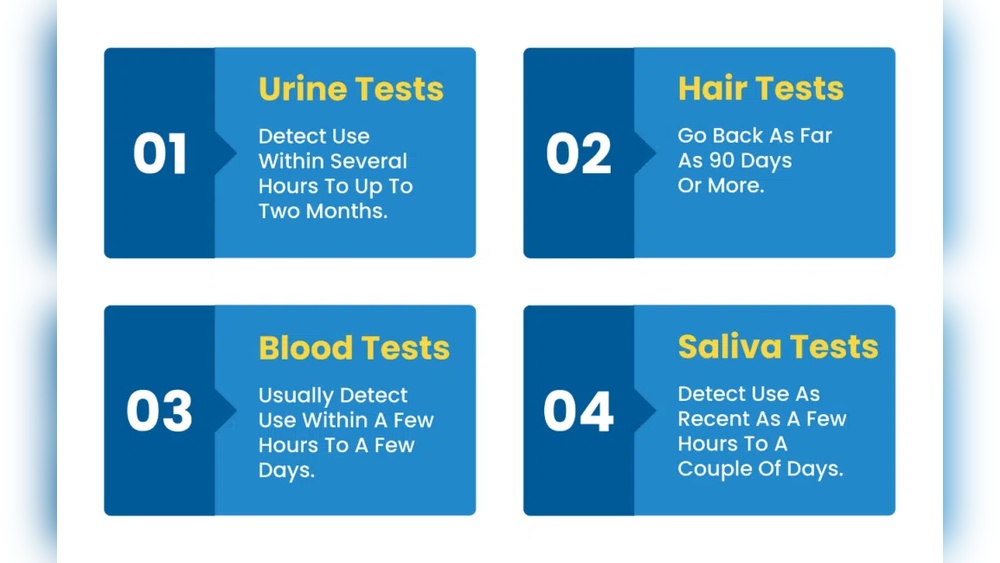
Wondering how far back a hair follicle test can reveal your drug use history? You’re not alone.
If you’re facing a hair drug test or just curious about its reach, understanding the timeline it covers is crucial. This test doesn’t just detect recent use—it can uncover drug consumption from weeks or even months ago. But how exactly does it work, and what factors influence its detection window?
Keep reading to discover the surprising details about hair follicle tests, how long drugs stay locked in your hair, and what that means for you. This knowledge could make all the difference in preparing for or understanding the results of a hair drug test.
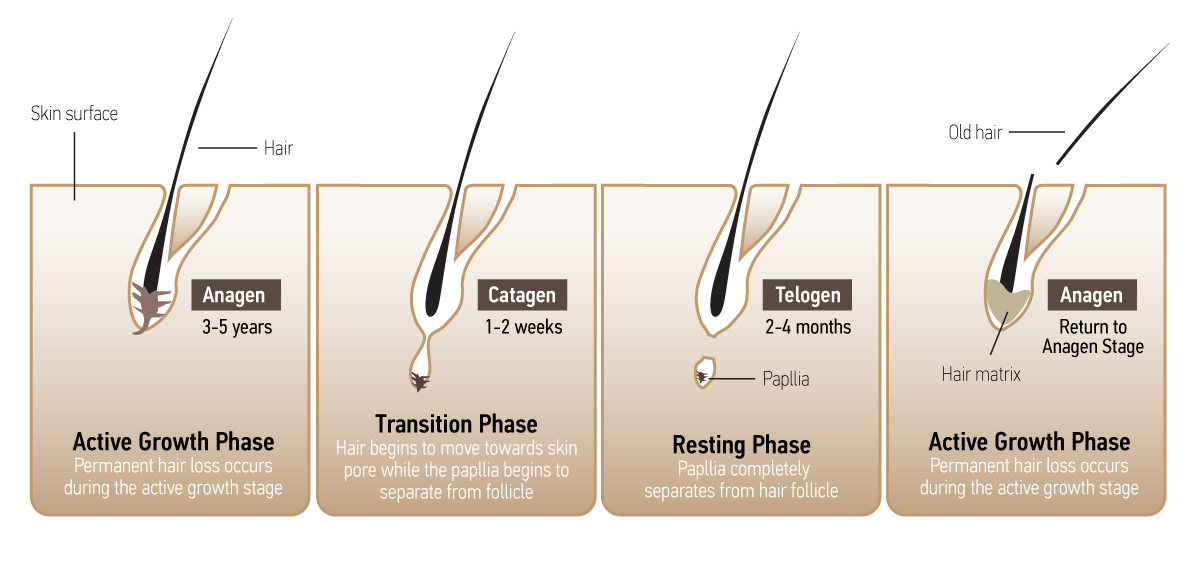
Credit: www.dnalegal.com
Hair Follicle Test Basics
The hair follicle test checks for drug use by analyzing hair strands. It offers a longer detection period than urine or blood tests. This test is common in workplaces and legal cases. The process is simple but reveals detailed drug history.
Hair grows about half an inch each month. Drug traces get trapped in the hair shaft as it forms. Testing a small hair sample provides a timeline of drug use. This method helps detect use over weeks or months.
How Hair Records Drug Use
When drugs enter the bloodstream, they reach hair follicles. Hair cells absorb drug molecules as they grow. These molecules stay in the hair permanently. Cutting hair shows drug use from the past months. The test does not detect recent use within days.
Typical Detection Window
The test usually detects drug use from one to three months. This depends on hair length and growth rate. Longer hair samples extend the detection period. Some labs can analyze hair segments to create a timeline. This helps identify when drug use occurred.
Daily Vs Light Use Detection
Daily or heavy drug use leaves stronger traces in hair. These are easier to detect in tests. Light or occasional use may not show up clearly. Small amounts might fall below detection limits. Hair tests are more reliable for frequent users.
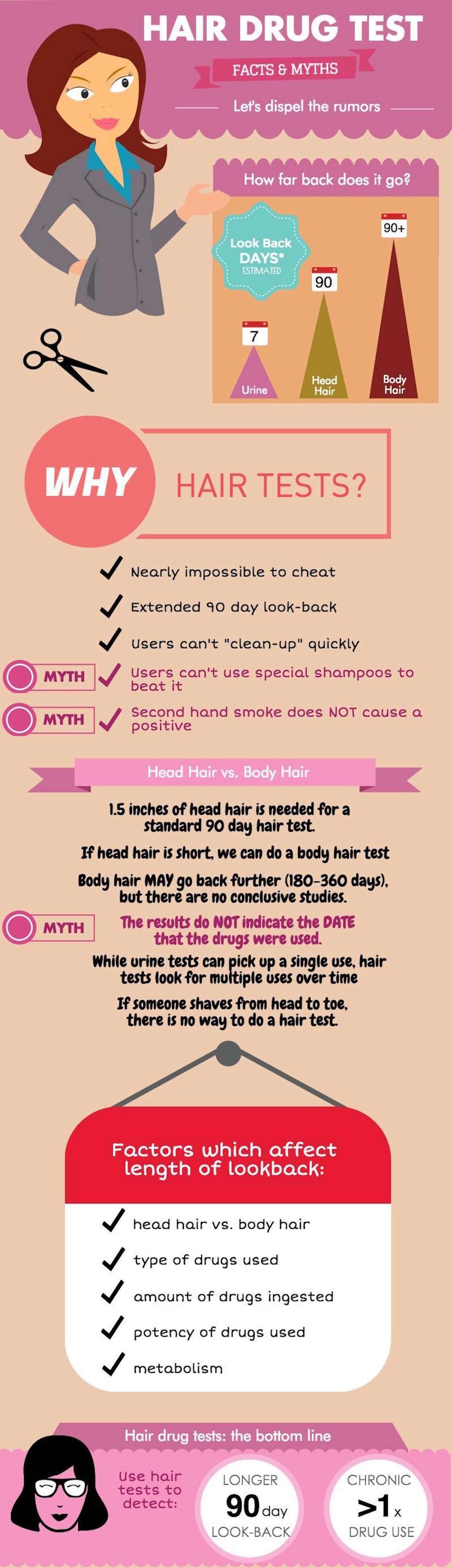
Credit: www.health-street.net
Hair Growth And Sample Length
Understanding hair growth and sample length helps explain how far back a hair follicle test can detect substances. Hair grows at a steady pace, and the length of the hair sample shows a timeline of exposure. Testing labs analyze a specific portion of the hair to identify drug use history. This section breaks down the science behind hair growth rates and sample sizes. It also explains how labs perform segmental analysis to map drug use over time.
Average Hair Growth Rate
Hair grows about half an inch per month on average. This rate varies slightly by individual but remains fairly consistent. Hair growth speed sets the timeline for detection in follicle tests. A 1.5-inch hair sample represents roughly three months of growth. This growth rate lets testers estimate when drug exposure occurred. It also helps determine the detection window for the test.
Standard Sample Size
Labs usually collect about 1.5 inches of hair closest to the scalp. This length captures drug use for approximately 90 days. The sample is cut from the crown area for consistency. Longer hair samples can extend the detection window beyond three months. However, most tests focus on the recent three months for accuracy. The standard size balances detection time with sample manageability.
Segmental Analysis Explained
Segmental analysis breaks the hair sample into smaller sections. Each segment represents a shorter time period, often one month. Testing these segments shows drug use patterns over time. This method reveals when drug use started or stopped. It offers a timeline rather than just a yes/no result. Segmental analysis adds depth to hair follicle testing data.
Detection Timeframe Details
Hair follicle tests detect drug use by analyzing substances trapped in hair strands. These tests reveal drug consumption over a longer period than blood or urine tests. Understanding the detection timeframe helps clarify how far back these tests can identify drug use.
Three-month Detection Standard
The common detection window for hair follicle tests is about three months. Hair grows roughly half an inch per month. Usually, labs test 1.5 inches of hair closest to the scalp. This length represents drug use within the last 90 days. It offers a reliable timeline for identifying recent and past drug exposure.
Extending Detection With Longer Hair
Longer hair samples can reveal drug use from months or even years ago. Testing beyond 1.5 inches requires more detailed analysis. This process is less common but possible. The farther from the scalp the segment is, the older the drug use it shows. This helps build a drug-use history over time.
Limits Of Long-term Detection
Hair follicle tests cannot detect drug use indefinitely. Hair length limits how far back testing can go. Very long hair may break or degrade, reducing accuracy. Also, drug traces fade with time and hair treatments. Tests struggle to detect occasional or single drug use events. They are best for identifying regular or heavy use.
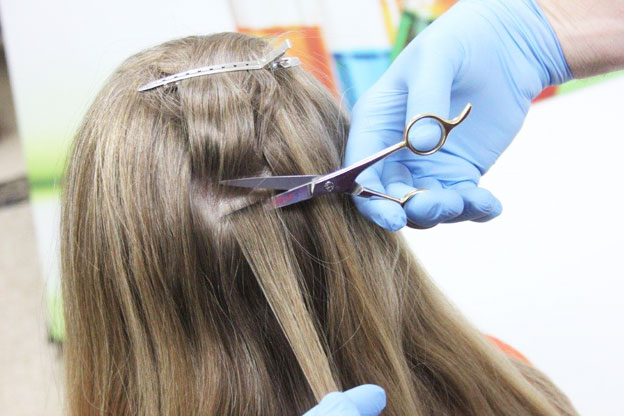
Credit: www.fastestlabs.com
Common Uses Of Hair Tests
Hair follicle tests are widely used due to their ability to detect drug use over a long period. These tests analyze a small hair sample to reveal substance use going back months. This makes them valuable in many fields. The following sections cover the common uses of hair tests.
Employment Screening
Many employers use hair tests to check for drug use before hiring. The test shows drug use from the past 90 days. This helps employers create a safe workplace. It also supports fair hiring practices by detecting recent and past drug use.
Legal And Forensic Cases
Courts use hair follicle tests to gather evidence in legal cases. The test helps prove drug use history in criminal and custody cases. It can show long-term substance abuse, which may affect legal decisions. This makes the test a reliable tool in forensic investigations.
Addiction Monitoring
Doctors and counselors use hair tests to monitor patients in addiction treatment. The test tracks drug use over months, helping check if patients stay clean. It provides accurate results even when other tests might fail. This aids in creating effective treatment plans and support.
Factors Affecting Test Accuracy
Several factors affect the accuracy of hair follicle tests. Understanding these elements helps explain why results can vary. Hair tests detect drug use over weeks or months. Yet, certain conditions may influence how well the test works. These factors include hair color, treatments, and exposure to outside substances.
Impact Of Hair Color
Hair color plays a key role in test results. Darker hair contains more melanin. Melanin binds to some drug compounds more strongly. This means drugs may show up more in dark hair. Lighter hair may show fewer traces, even if drugs were used. This can cause differences in detection sensitivity.
Effect Of Hair Treatments
Hair treatments can change how drugs appear in tests. Bleaching, dyeing, and perming break down hair structure. These processes may wash out drug traces from hair shafts. Frequent treatments reduce the amount of drug detected. This might lead to false negatives or lower drug levels. Testing labs often ask about recent hair treatments.
Environmental Contaminants
Outside substances can affect hair test results. Smoke, dust, or chemicals may stick to hair. This can sometimes cause false positives. Labs clean hair samples thoroughly before testing. Still, heavy exposure to contaminants may interfere. It is important to avoid environments with drug smoke or chemicals before the test.
Causes Of False Positives
Hair follicle tests detect drug use by analyzing hair strands for drug traces. These tests can show drug use going back several months. Despite accuracy, false positives can occur. Various factors may cause incorrect results. Understanding these causes helps reduce misunderstandings and unnecessary stress.
Secondhand Smoke Exposure
Being near smokers can affect test results. Smoke contains drug particles that settle on hair. This exposure might cause a positive result even without drug use. The risk is higher in closed spaces with heavy smoke. Test labs try to distinguish between use and exposure. Still, secondhand smoke remains a known cause of false positives.
Medications Influencing Results
Certain medicines may interfere with hair test outcomes. Over-the-counter drugs like ibuprofen and decongestants sometimes cause false positives. Prescription drugs with similar chemical structures to illegal substances also pose risks. Always inform the tester about any medications taken. This helps avoid confusion and incorrect results.
Hair Products And Chemicals
Hair treatments can change drug test results. Bleaching, dyeing, and perming may alter drug levels in hair strands. Some shampoos and conditioners contain chemicals that mask or mimic drugs. Frequent use of such products could affect test accuracy. Labs consider hair treatment history during analysis to improve reliability.
Causes Of False Negatives
Hair follicle tests detect drug use by analyzing substances trapped in hair strands. Despite their accuracy, some factors cause false negatives. These factors may hide drug traces, making test results appear clean.
Understanding these causes helps explain why a test might not show drug use even if it occurred. Two common reasons are bleaching and chemical damage, and shaving or hair removal.
Bleaching And Chemical Damage
Bleaching hair uses strong chemicals that break down the hair structure. This damage can wash out drug residues from the hair shaft. Chemical treatments like dyeing and perming also affect test results. They reduce the amount of drug trapped in hair. Tests may then fail to detect drugs, causing false negatives.
Repeated or heavy use of these chemicals increases the chance of false negatives. People often bleach hair to hide drug use. Lab technicians are aware, but severe damage can still interfere with testing.
Shaving And Hair Removal
Shaving all hair removes the sample needed for the test. Without hair, labs cannot analyze drug use. Some try to avoid detection by shaving the head or body hair. This action may delay testing but does not guarantee a negative result.
Testers may collect hair from other body parts if scalp hair is missing. If no hair is available, alternative tests like urine or blood may be used. Shaving can lead to false negatives by preventing proper sample collection.
Common Myths And Misconceptions
Many people have wrong ideas about hair follicle drug tests. These myths cause confusion and wrong expectations. Knowing the facts helps to understand how these tests work and what they can detect. Here are some common myths and the truth behind them.
Effectiveness Of Detox Shampoos
Some believe detox shampoos can erase drug traces from hair. These products claim to clean hair deeply. Science shows they do not remove drug metabolites inside the hair shaft. Hair follicle tests detect drugs embedded deep in hair, not just on the surface. Detox shampoos may reduce surface dirt but cannot fool the test.
Normal Washing Impact
Regular shampooing does not affect hair drug test results. Washing hair removes dirt and oils but not drug residues inside. Hair grows slowly, so drugs stay trapped for weeks or months. No amount of normal washing can erase drug history from hair samples. This makes hair tests reliable for long-term detection.
Fooling The Test Techniques
Some try to cheat by shaving all hair or using fake hair. Shaving may delay testing but labs can test body hair or reschedule. Fake hair is easy to spot and rejected by labs. Other tricks like bleaching or dyeing hair can reduce drug levels but often raise suspicion. Most labs have strict rules to prevent cheating.
Tips To Prepare For A Hair Test
Preparing for a hair follicle test increases the chances of accurate results. Understanding how to approach the test helps reduce stress. Simple steps can make a big difference on test day. Below are practical tips to help you get ready.
Disclosing Medications
Always tell the tester about any medications you take. Some prescription or over-the-counter drugs affect test outcomes. Honest disclosure prevents confusion or false positives. Keep a list of all medications handy for the appointment.
Avoiding Extreme Hair Treatments
Harsh treatments can alter hair and impact test results. Avoid bleaching, heavy dyeing, or chemical straightening before the test. These processes may damage hair and hide drug traces. Stick to gentle hair care routines leading up to the test.
Dealing With Suspicion
Tests may raise doubts about recent drug use. Be calm and cooperative during sample collection. Provide clear information if asked about lifestyle or habits. Trying to cheat or hide details often leads to more problems.
Frequently Asked Questions
Can You Pass A Hair Test In 2 Months?
Passing a hair test in two months depends on drug use frequency and hair treatments. Heavy users usually test positive. Frequent bleaching or dyeing may reduce detection but risks hair damage. Abstaining and proper hair care improve chances of passing.
What Drug Test Goes Back 7 Years?
A hair follicle drug test can detect drug use up to 7 years with specialized segmental hair analysis. It shows long-term patterns.
How To Pass A Hair Follicle Test Asap?
Avoid drug use and wait at least 7-10 days before the test. Repeated hair bleaching or dyeing may reduce drug traces but risks damaging hair and test validity. No guaranteed quick method exists; abstinence remains the safest way to pass a hair follicle test.
What Will Mess Up A Hair Follicle Drug Test?
Heavy bleaching, dyeing, certain medications, environmental exposure, and shaving all hair can mess up a hair follicle drug test.
Conclusion
Hair follicle tests reveal drug use from about three months back. They work best for regular or heavy use, not occasional use. Hair length and treatment affect detection times and accuracy. Chemical treatments may reduce drug traces but can also damage hair.
Tests help employers and legal systems check long-term drug history. Avoiding drugs remains the surest way to pass these tests. Understanding how far back hair tests reach helps prepare for screenings.
As an Amazon Associate, I earn from qualifying purchases.
Lovingshe is a participant in the Amazon Services LLC Associates Program which is an affiliate advertising program designed to provide a means for sites to earn advertising fees by advertising and linking to Amazon.com. Amazon may use cookies to track referrals from our site. Visit Amazon’s privacy policy for details
