


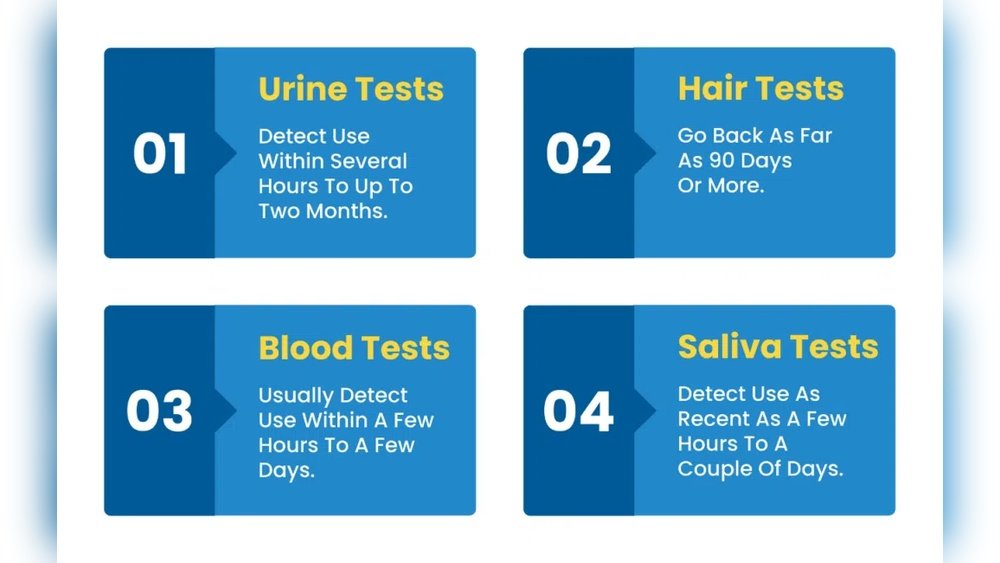
Wondering how far back a hair follicle test can reveal your history? You might be surprised to learn that this type of test can detect drug use going back much further than other common tests.
If you want to understand how long substances can be traced in your hair, what factors affect the results, and what limitations exist, this article will give you clear answers. By knowing the facts, you can better prepare for situations like employment screening or legal cases, and avoid common pitfalls that might affect your results.
Keep reading to discover how a hair follicle test works, how far back it can really go, and what you need to watch out for to protect yourself.
Hair Follicle Testing Basics
Hair follicle testing is a common method to detect drug use over an extended period. It analyzes hair samples to find traces of substances. Understanding the basics helps explain how far back this test can go. This section covers key elements like hair growth, sample length, and segmental analysis.
How Hair Growth Affects Testing
Hair grows about half an inch per month on average. This growth rate sets the timeline for drug detection. Substances enter the hair shaft as it forms, locking in a record of drug use. The older the hair near the scalp, the more recent the drug use. Hair farther from the scalp shows drug use from months ago. Testing relies on this natural timeline.
Sample Length And Detection Window
The length of hair collected affects how far back the test can look. A standard sample is usually 1.5 inches long. This length covers roughly 90 days of growth. Longer hair samples can extend the detection window. Labs often use hair closest to the scalp to get recent data. The detection window depends on hair length and growth rate.
Segmental Hair Analysis
Segmental analysis divides hair into smaller sections. Each section represents a specific time period. Testing each segment shows a timeline of drug use. This method can track drug use over several months or years. It requires longer hair samples. Segmental analysis helps create a detailed drug use history.
Credit: www.health-street.net
Detection Timeframe
The detection timeframe of a hair follicle test reveals how long drug use can be identified. Hair tests trace drug use over weeks to months. They measure drugs trapped in hair shafts as hair grows. This makes hair testing useful for spotting long-term drug use.
The length of hair sampled affects the detection period. Usually, hair grows about half an inch per month. Testing a longer hair sample covers a longer past period. The test cannot detect recent drug use from the past few days.
Standard 90-day Window
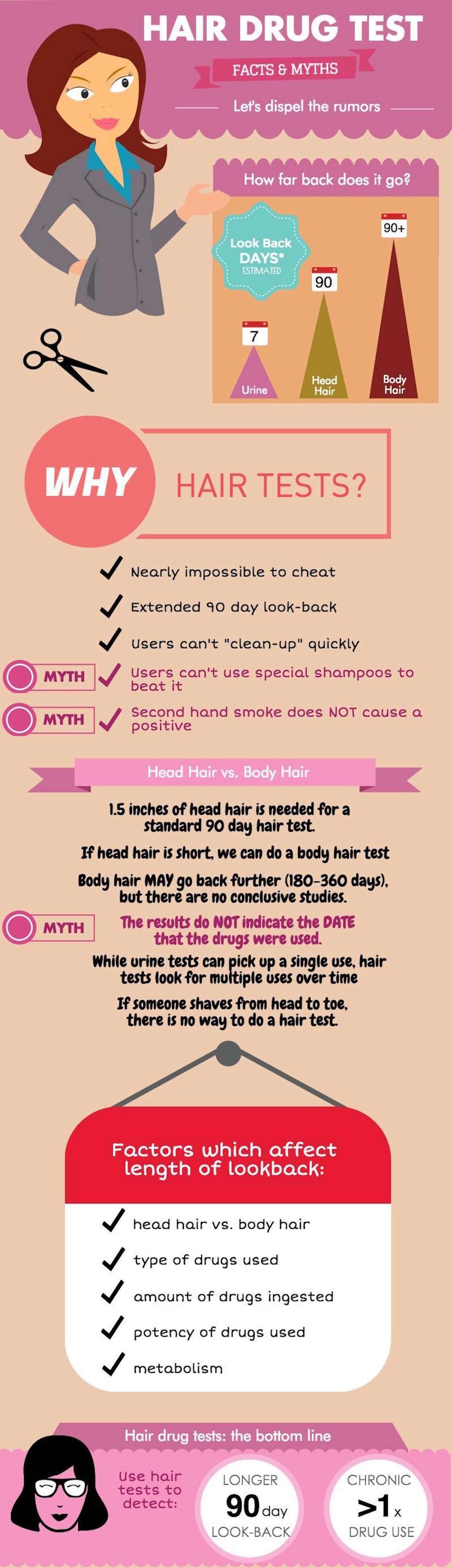
The most common hair follicle test checks hair up to 1.5 inches long. This length captures about 90 days of drug use history. Labs analyze hair segments closest to the scalp for recent months. Testing this segment provides a reliable three-month drug use record.
Hair tests do not detect drug use from the last week or so. It takes time for drugs to enter the hair shaft. The 90-day window fits most workplace and legal drug testing needs. It offers a clear picture of consistent or repeated drug use.
Extended History Through Specialized Analysis
Special tests can analyze longer hair samples for a deeper history. Hair longer than 1.5 inches can show drug use going back years. Labs cut hair into segments to track use month by month. This method is called segmental analysis.
Segmental analysis helps in legal cases or addiction monitoring. It provides a timeline of drug use over extended periods. The accuracy depends on hair length and condition. Damaged or chemically treated hair may reduce test reliability.
Common Testing Uses
Hair follicle testing offers a unique way to detect drug use over an extended period. It can reveal a history of substance use up to 90 days or more. This long detection window makes it useful in several important areas. Understanding the common uses helps clarify why this test is often chosen over others.
Employment Screening
Many employers use hair follicle tests to check job candidates. The test shows drug use over the past three months. This helps employers ensure a safe and productive workplace. It is especially common in industries like transportation and construction. The test’s reliability makes it a trusted choice for pre-employment checks.
Legal And Forensic Cases
Courts and law enforcement agencies rely on hair follicle tests for evidence. The test can prove long-term drug use or exposure. It helps in child custody cases, criminal investigations, and probation monitoring. The ability to detect drug use over weeks or months adds strong support in legal matters.
Addiction Monitoring
Doctors and treatment centers use hair follicle tests to monitor recovery progress. The test checks if a person stays clean over time. It is less invasive and harder to cheat than urine or blood tests. This makes it ideal for tracking long-term sobriety in addiction programs.
Credit: www.health-street.net
Limitations And Challenges
Hair follicle testing is a popular method to detect drug use over time. It offers a longer detection window than blood or urine tests. Yet, it has several limitations and challenges. Understanding these issues helps set realistic expectations about its accuracy and use.
Detection Window Constraints
Hair follicle tests typically detect drug use up to 90 days. This limit depends on hair length and growth rate. Shorter hair samples reduce the detection window. Testing older drug use beyond three months is less reliable. Also, recent drug use may not appear immediately since hair needs time to grow.
False Positives And Negatives
External factors can cause incorrect results. Hair treatments like bleaching and dyeing may alter drug levels in hair. Certain medications and environmental exposure, such as secondhand smoke, can affect test accuracy. Darker hair may bind more drug molecules, causing bias. Labs try to remove contaminants, but some errors remain possible.
Cost And Privacy Concerns
Hair follicle tests are more expensive than other drug tests. This cost may limit their use in some settings. Privacy is another concern. Hair testing reveals personal information over months. Misuse of this data may lead to discrimination or unfair treatment. Proper handling and consent are essential to protect privacy.
Factors Affecting Test Accuracy
Several factors affect the accuracy of hair follicle tests. These tests analyze drug traces in hair strands. The results depend on many external and internal influences. Understanding these factors helps explain possible errors and variations in test outcomes.
Hair Treatments And Damage
Hair treatments like bleaching and dyeing can change drug levels in hair. Harsh chemicals may wash out or break down drug residues. Frequent heat styling or chemical exposure can damage hair structure. Damaged hair may produce weaker or false-negative results. Laboratories try to reduce this effect by washing samples carefully.
Medications And Environmental Exposure
Certain medications can interfere with test results. Common drugs such as ibuprofen or decongestants might cause false positives. Environmental factors like secondhand smoke or pollution can also affect accuracy. External contamination may deposit drug traces on hair surface. Labs use washing methods to remove these contaminants before testing.
Hair Color Influence
Hair color plays a role in drug binding. Darker hair tends to hold more drug molecules than lighter hair. This difference can cause variations in detected drug amounts. Tests may appear more sensitive for people with dark hair. This factor can affect fairness and reliability of test results across individuals.
Causes Of False Positives
False positives in hair follicle drug tests can cause serious problems. Understanding common causes helps to reduce errors. Several factors may lead to incorrect results. These include environmental exposure, medications, and hair treatments. Laboratories try to prevent these errors through strict procedures. Still, some substances and conditions can interfere with the test.
Secondhand Smoke And Contaminants
Exposure to secondhand smoke can affect hair test results. Smoke carries drug particles that settle on hair. This external contamination may show up as a positive. Tests include washing steps to remove these particles. But heavy exposure can sometimes leave traces behind. Other environmental contaminants like dust or chemicals may also interfere. These external factors make it hard to tell true drug use.
Certain Medications
Some common medicines can cause false positives. Over-the-counter drugs such as ibuprofen or decongestants may trigger a reaction. Prescription drugs with similar chemical structures also pose risks. Labs confirm initial results with more specific tests. Still, the presence of these medicines can confuse the screening. Always inform the tester about any medications taken before testing.
Hair Products And Dyes
Hair treatments like dyes, bleach, and relaxers may affect test accuracy. Chemicals can alter the hair’s structure and drug levels. Severe bleaching can damage the hair shaft and lead to false results. Some hair products contain substances that interfere with detection. Frequent coloring might lower or mask drug traces. Testing labs consider these factors when analyzing samples.
Causes Of False Negatives
False negatives in hair follicle tests occur when the test fails to detect drugs despite recent use. Several factors can cause this issue, affecting the accuracy of results. Understanding these causes helps interpret test outcomes better. Some common reasons include chemical damage and hair removal methods.
Excessive Bleaching And Chemicals
Harsh chemicals like bleach can strip drugs from the hair shaft. This damage reduces the drug concentration, leading to negative results. Frequent dyeing or bleaching breaks down the hair structure. Labs may struggle to find enough drug traces in treated hair. Chemical treatments also make hair brittle and prone to breakage. Test samples might not provide accurate drug history due to this damage.
Shaving Or Hair Removal
Removing hair before a test can prevent sample collection. Shaving all hair leaves no material for analysis. Some try to avoid detection by cutting hair very short. Without enough hair length, tests cannot trace drug use over time. Hair removal creams and waxing can also affect results. These methods may damage hair follicles or reduce drug deposits in new hair growth.

Credit: www.relialabtest.com
Ineffective Methods To Alter Results
Many try to change hair follicle test results using simple methods. These attempts often fail. Hair follicle tests detect drug use up to 90 days or more. The test looks for drug traces inside the hair shaft, not just on the surface. This makes it hard to cheat.
Some popular methods do not work well. They do not remove drug metabolites inside the hair. Understanding ineffective methods helps avoid wasting time and money.
Normal Washing And Shampooing
Regular washing with shampoo does not remove drug traces inside hair. The test detects drug metabolites embedded deep in the hair cortex. Shampoo cleans only the outer hair layer. Drug residues inside the hair remain untouched. Washing often removes dirt and oils but not drug markers. Hair follicle tests include washing steps to avoid external contamination. This makes regular washing useless to alter results.
Detox Shampoos And Home Remedies
Detox shampoos claim to flush out drugs from hair follicles. Most lack scientific proof. They may only clean the hair surface. Home remedies like vinegar, baking soda, or lemon juice have no real effect. These treatments cannot reach the inner hair shaft where metabolites hide. Some shampoos may damage hair but do not guarantee test success. Laboratories use strong washing protocols to counter these attempts. Relying on detox shampoos or home tricks often leads to failed tests.
Best Practices Before Testing
Preparing properly before a hair follicle test improves accuracy and reliability. Certain actions and disclosures help labs provide correct results. Follow these best practices to avoid complications and ensure smooth testing.
Disclose Medications To Lab
Tell the testing center about all medications you use. Some drugs can affect test outcomes. Prescription and over-the-counter medicines may influence results. Informing the lab prevents false positives and confusion. Always be clear and detailed about your medication history.
Avoid Extreme Hair Treatments
Do not bleach, dye, or chemically treat hair before the test. Harsh treatments can damage hair and affect drug detection. These changes may lead to inaccurate or inconclusive results. Use mild hair care products and avoid heat styling tools. Keep hair as natural as possible before testing.
Honesty And Compliance
Answer all questions truthfully during the testing process. Follow all instructions given by the lab staff. Honest communication builds trust and ensures correct handling of your sample. Compliance with rules reduces the chance of test delays or errors. Being straightforward benefits everyone involved.
Frequently Asked Questions
What Is The Longest A Hair Follicle Test Can Go Back?
A hair follicle test can detect drug use up to 90 days (about three months) after exposure. Specialized analysis may extend this period.
What Drug Test Goes Back 7 Years?
A hair follicle drug test can detect drug use up to 90 days. Specialized analysis may extend detection to several years. No standard drug test reliably goes back seven years.
What Are The Limitations Of Hair Follicle Testing?
Hair follicle testing has a limited detection window of about 90 days. Chemical treatments may cause false negatives. Environmental factors and hair color can affect accuracy. Tests are costly and results may be hard to interpret. Privacy concerns and potential tampering also limit reliability.
What Will Mess Up A Hair Follicle Drug Test?
Heavy bleaching, dyeing, shaving all hair, certain medications, secondhand smoke, and hair color can mess up a hair follicle drug test.
Conclusion
Hair follicle tests reveal drug use up to about 90 days. Longer histories may need special analysis or longer hair samples. The test suits long-term drug detection, not recent use. Some factors like hair treatments or medications can affect results.
False positives might occur due to environmental exposure or certain drugs. Despite limits, this test helps in employment and legal checks. Understanding how it works ensures better preparation for testing. Stay informed to avoid surprises and maintain accuracy in results.
As an Amazon Associate, I earn from qualifying purchases.
Lovingshe is a participant in the Amazon Services LLC Associates Program which is an affiliate advertising program designed to provide a means for sites to earn advertising fees by advertising and linking to Amazon.com. Amazon may use cookies to track referrals from our site. Visit Amazon’s privacy policy for details
