


If you’re facing a hair follicle drug test or just curious about how far back these tests can detect drug use, you’re in the right place. Understanding the timeline of what these tests reveal about your past can be crucial—whether you want to know how long drugs stay in your system or how much of your history they can uncover.
You might be surprised to learn that a single strand of hair can hold a detailed record of your drug use stretching back months. Keep reading, and you’ll discover exactly how far back a hair follicle drug test can go, what factors influence detection, and what this means for you.
Don’t miss out on the facts that could make all the difference.

Credit: www.health-street.net
Hair Follicle Test Basics
A hair follicle drug test is a method used to detect drug use over time. It checks for drug traces inside the hair shaft. This test is popular because it shows long-term drug use patterns. Unlike urine or blood tests, it can detect drugs used weeks or months ago.
This test is often used by employers, law enforcement, and treatment centers. It is hard to cheat and provides reliable results. Understanding how this test works helps explain how far back it can detect drug use.
How Drugs Enter Hair
When a person uses drugs, the substances enter the bloodstream. From there, the drug metabolites reach the hair follicles. As hair grows, it traps these metabolites inside the hair shaft. The drugs remain in the hair as it grows out from the scalp. This makes hair a record of drug exposure over time.
Hair Growth And Sampling
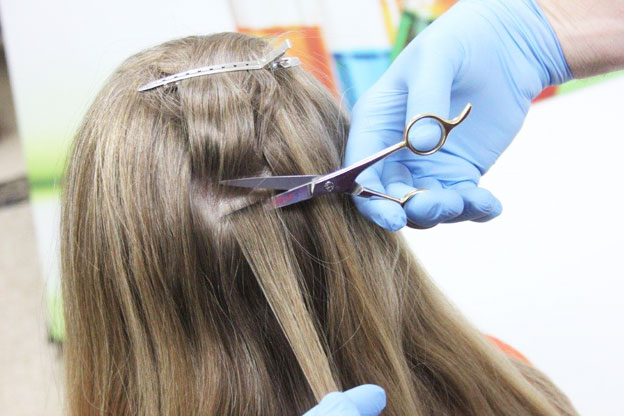
Hair grows about half an inch (1.25 cm) per month. The test usually takes a 1.5-inch sample from the scalp. This sample shows drug use over the past 90 days. Hair further from the scalp shows older drug use. The sample is cut close to the scalp to get the most recent data. The lab then analyzes the hair for drug traces.
Types Of Drugs Detected
Hair follicle tests can detect many common drugs. These include marijuana, cocaine, opiates, amphetamines, and PCP. Some tests also check for prescription drugs like methadone. The test finds drug metabolites, which are the byproducts of drug use. This helps confirm actual drug intake, not just exposure.
Credit: www.fastestlabs.com
Detection Time Frame
Understanding the detection time frame is essential to grasp how hair follicle drug tests work. These tests reveal drug use patterns over weeks or even months. Unlike blood or urine tests, hair follicle tests trace drug use over a longer period. This is possible because drugs and their metabolites get trapped in the hair shaft as hair grows. The detection window depends on several factors, including hair length and testing methods.
Standard Detection Window
The standard detection window for a hair follicle drug test is usually up to 90 days. This period covers about three months of hair growth. Hair grows approximately one centimeter per month. Testing typically involves cutting a 3.9 cm (1.5 inch) section of hair closest to the scalp. This segment reflects drug use in the past 3 months. Drug metabolites remain in the hair for a long time, making this method reliable for detecting past drug use.
Impact Of Hair Length
Hair length directly affects how far back the test can detect drug use. Longer hair provides a longer detection window. For example, hair that is six centimeters long can show drug use from the past six months. Short hair or shaved heads limit the detection period. In such cases, body hair may be used instead, but it has a less precise growth rate. Hair length is a critical factor in determining how far back a drug test can go.
Segmented Hair Analysis
Segmented hair analysis divides the hair sample into smaller sections. Each section represents a specific time frame. This technique can pinpoint the approximate timing of drug use within the detection window. For example, a 3 cm hair sample can be split into three 1 cm segments. Each segment shows drug exposure for about one month. This method helps identify patterns and frequency of drug use over time.
Test Accuracy And Limitations
Hair follicle drug tests offer a detailed look at drug use history. Their accuracy is generally high, but some limits exist. Understanding these helps interpret results better. This section covers key points about test accuracy and its challenges.
False Positives And Negatives
False positives can happen when substances other than drugs cause a reaction. Certain shampoos, hair products, or environmental exposure may affect results. Labs use confirmation tests to reduce these errors. False negatives occur if drug levels are too low to detect. Recent drug use might not show if hair has not grown enough yet.
Effects Of Hair Treatments
Hair treatments like bleaching, dyeing, or perming can change test results. These treatments may wash out or damage drug traces in hair. Heavy treatments often reduce drug concentration, leading to weaker signals. Some labs adjust results or ask about treatments before testing. This helps improve result accuracy.
One-time Use Detection
Hair tests detect drug use over weeks or months, not just one day. A single drug use might be missed if hair is too short. Usually, hair needs to grow for about 7 days after use to show results. Tests are better at finding repeated or regular drug use. One-time users might have less chance of detection.
Comparison With Other Tests
Drug testing uses various methods to detect substance use. Each test type has its own detection window and accuracy. Comparing hair follicle tests with urine, blood, and saliva tests helps understand their differences. This guide explains how far back these tests can detect drugs and their unique features.
Urine Vs Hair Testing
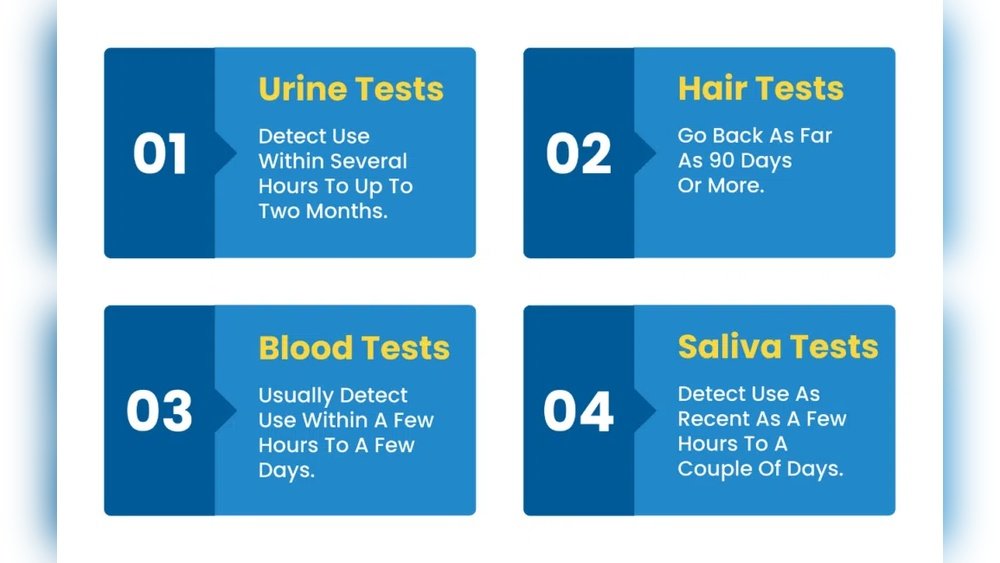
Urine tests detect recent drug use. They usually show drugs taken within the past few days. Urine testing is common because it is cheap and fast. It cannot detect long-term drug use patterns.
Hair testing can reveal drug use over months. Drugs enter hair follicles from the bloodstream and stay as hair grows. A typical hair test covers about 90 days. This makes hair testing better for checking long-term drug use.
Blood And Saliva Tests
Blood tests detect drugs currently in the bloodstream. They only show drug use within hours or a couple of days. Blood tests are invasive and expensive.
Saliva tests detect recent drug use, usually within 24 to 48 hours. They are easy to collect and less invasive than blood tests. Saliva tests do not show long-term use like hair tests.
Advantages Of Hair Testing
Hair testing offers a longer detection window than other tests. It can track drug use for up to 90 days or more. Hair samples are hard to tamper with during collection.
Hair tests also show patterns of drug use over time. They provide detailed information on when drugs were used. This helps employers and doctors make better decisions.
Methods To Pass Or Beat The Test
Many people wonder about ways to pass or beat a hair follicle drug test. This test checks for drug use over a long period, making it hard to cheat. Various methods claim to help individuals avoid detection. Understanding these methods helps separate facts from myths and choose safe approaches.
Myths And Facts
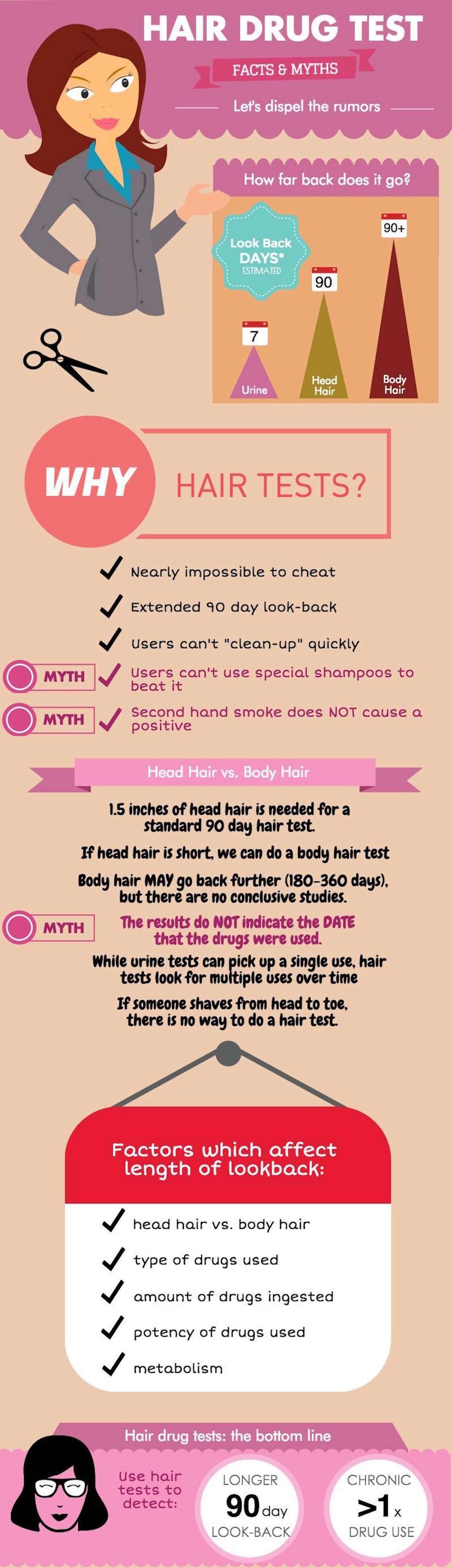
Some believe that shaving all hair can avoid the test. This is a myth. Testing may switch to other body hair or use different tests. Another myth says drinking lots of water will flush out drugs from hair. Hair drug tests do not rely on urine, so this does not work. Facts show that drug traces stay in hair for months. The test detects drug metabolites inside the hair shaft, which water or washing cannot remove.
Detox Products And Techniques
Detox products promise to clean drug traces from hair. These include special shampoos, masks, and home remedies. Some people try vinegar, baking soda, or lemon juice to cleanse hair. Techniques like bleaching or dyeing hair are also used. These methods aim to reduce the amount of drug metabolites. However, many detox products lack scientific proof of success. Using harsh chemicals can damage hair and scalp. No method guarantees full removal of drug traces from hair.
Effectiveness Of Cleansing Shampoos
Cleansing shampoos target drug metabolites in the hair. Some contain ingredients like propylene glycol, which may open hair cuticles. This allows deeper cleaning of the hair shaft. Regular shampoos only clean the surface and do not affect drug traces. Some shampoos claim to remove 90% of drug residues. Studies show mixed results on their effectiveness. Using these shampoos before the test may reduce drug levels but cannot ensure a negative result. The best approach is to avoid drug use if a test is expected.
Legal And Workplace Implications
Hair follicle drug tests can trace drug use up to 90 days or more. This long detection window raises important legal and workplace questions. Understanding these implications helps both employers and employees navigate drug testing policies. It also highlights concerns about privacy and the consequences of test results.
Privacy Concerns
Hair follicle tests reveal drug use over months. This can feel invasive to many. Some argue it violates personal privacy beyond reasonable limits. The tests do not show current impairment, only past use. Laws vary on how much employers can demand such tests. Employees worry about sensitive information being exposed. Protecting privacy means clear rules on test use and data handling.
Employer Policies
Employers set their own rules for drug testing. Some require hair tests for safety-sensitive jobs. Others use them for pre-employment or random screening. Policies must follow state and federal laws. They also need to be fair and consistent. Employers should explain testing reasons and procedures clearly. Transparency helps build trust between staff and management.
Consequences Of Positive Results
A positive hair follicle test can have serious effects. Job offers may be withdrawn or employment ended. Workers might face suspension or mandatory treatment programs. Legal consequences depend on company rules and local laws. Positive tests can affect professional licenses too. Employees should understand these risks before testing. Support and education can reduce negative outcomes.
Credit: www.health-street.net
Frequently Asked Questions
How Long Can Drugs Be Detected In A Hair Follicle Test?
Drugs can be detected in a hair follicle test for up to 90 days. The test shows drug use over this period by analyzing hair segments. It reveals long-term patterns, not recent use. Hair length affects detection time, with longer hair showing a longer history of drug use.
Can You Pass A Hair Follicle Test In 30 Days?
Passing a hair follicle test in 30 days is unlikely. Hair tests detect drug use from up to 90 days prior. Hair retains drug metabolites as it grows, making short-term detox ineffective. Only long-term abstinence and professional treatments may improve passing chances within this period.
How Far Back Does A 10 Panel Hair Follicle Test Go?
A 10 panel hair follicle test can detect drug use up to 90 days (about three months) prior to the test. It analyzes hair strands to reveal long-term substance use patterns.
How To Pass A Hair Follicle Test In 2025?
Pass a 2025 hair follicle test by stopping drug use 90+ days before testing. Use detox shampoos and avoid contamination. Maintain good hygiene and seek professional cleansing products for best results.
Conclusion
Hair follicle drug tests detect drug use up to about 90 days. They analyze hair length to estimate the detection window. This method shows long-term drug use patterns clearly. It is difficult to cheat or alter the results. Understanding this helps prepare for testing situations.
Always consider how recent your drug use might appear. Hair tests provide a reliable view of past substance use.
As an Amazon Associate, I earn from qualifying purchases.
Lovingshe is a participant in the Amazon Services LLC Associates Program which is an affiliate advertising program designed to provide a means for sites to earn advertising fees by advertising and linking to Amazon.com. Amazon may use cookies to track referrals from our site. Visit Amazon’s privacy policy for details
