


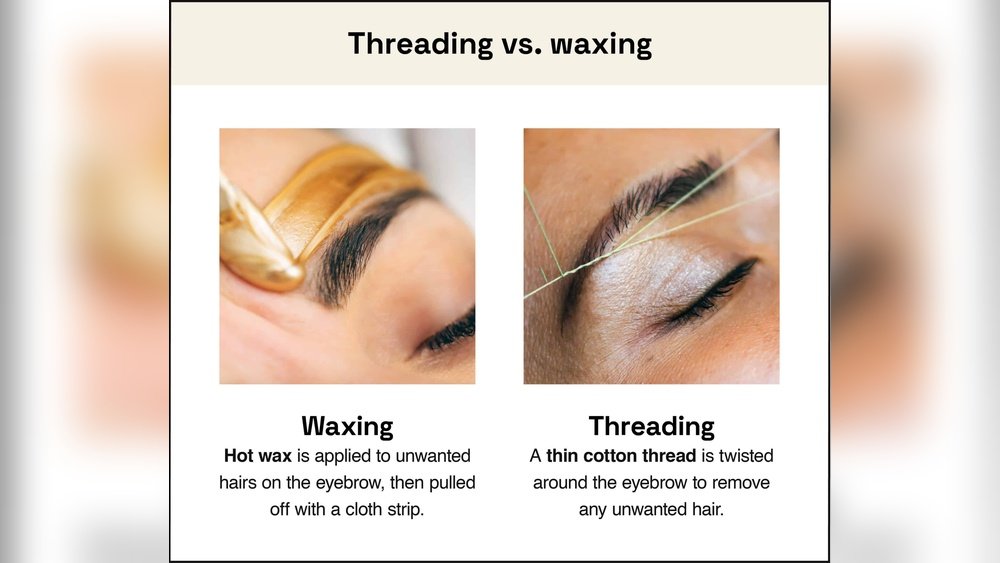
Are you tired of struggling with messy eyebrow shapes or unwanted facial hair that just won’t go away? Hair threading might be the perfect solution you’ve been looking for.
This ancient technique offers a precise, gentle, and chemical-free way to remove hair right from the root, giving you a clean and polished look that lasts longer than shaving or tweezing. But how exactly does hair threading work, and why is it becoming so popular in places like Austin, Texas?
Keep reading to discover the simple yet effective process behind threading, and find out why it could be the best choice for your hair removal needs.
Credit: currentbynese.com
Threading Basics
Understanding the basics of hair threading helps you appreciate this ancient hair removal technique. Threading uses a simple thread to remove unwanted hair precisely and gently. It shapes eyebrows and clears facial hair efficiently without harsh chemicals or skin irritation.
What Threading Involves
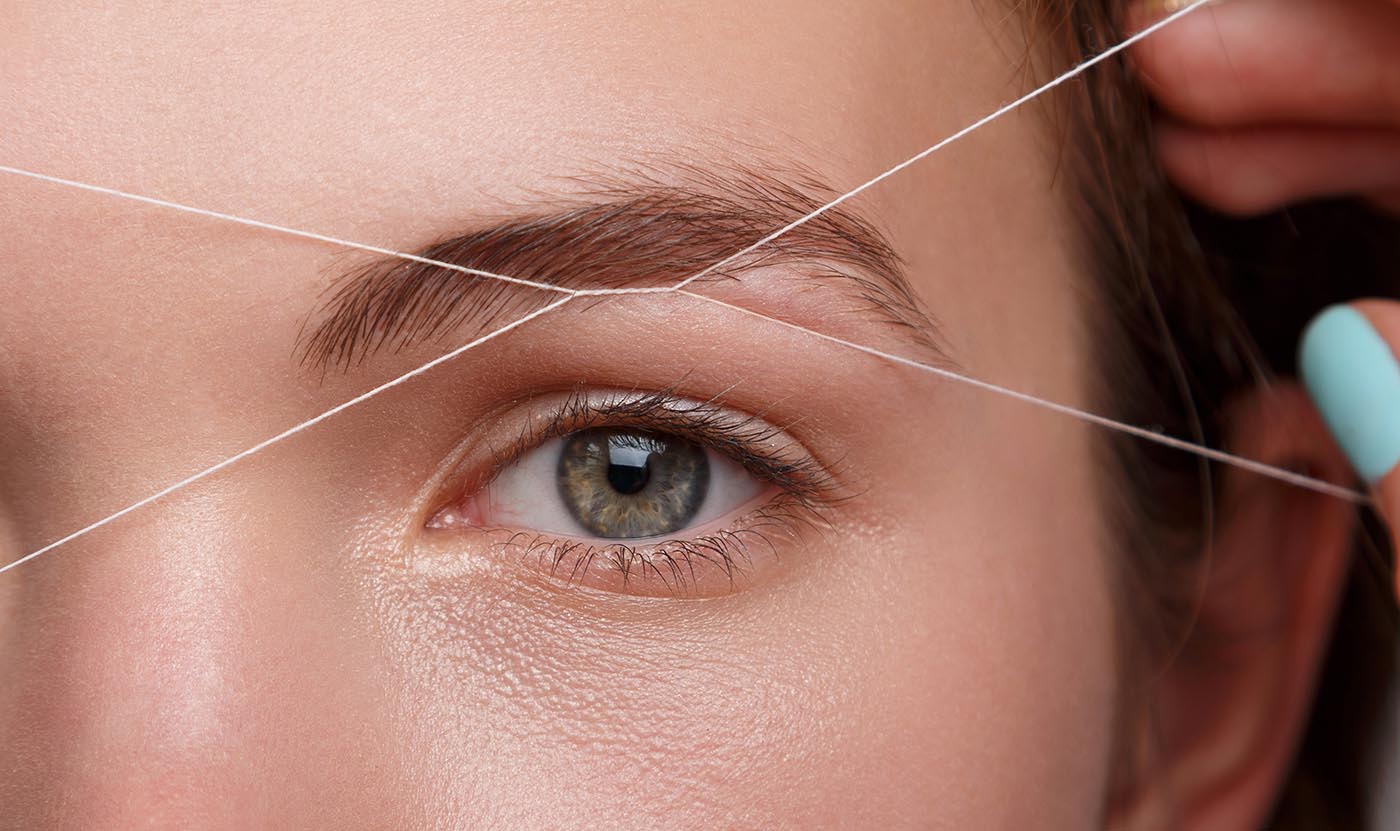
Threading involves twisting a thin cotton thread to catch and pull out hairs from the root. The practitioner holds the thread in a loop and moves it skillfully over the skin. This motion traps hairs between the twisted threads and removes them quickly. The process targets small areas, making it ideal for shaping eyebrows and removing fine facial hair. Threading is safe for sensitive skin and offers longer-lasting results than shaving or tweezing.
Tools Used
The only tool needed for threading is a thin, strong cotton thread. This thread is usually about 24 inches long. The cotton material provides flexibility and control for the practitioner. No chemicals or wax are necessary, which makes threading a natural hair removal method. Some professionals use a small mirror and good lighting to ensure precision. Clean hands and sterilized threads keep the process hygienic and safe. This simple setup makes threading easy to perform almost anywhere.

Credit: www.youtube.com
Step-by-step Process
Understanding the step-by-step process of hair threading helps you see why it is a popular hair removal method. This technique uses a simple cotton thread to remove unwanted hair precisely and quickly. Each step plays a vital role in making the process smooth and effective.
Skin Preparation
The first step is preparing the skin to reduce discomfort and avoid irritation. The area is cleaned with a gentle cleanser to remove oils and dirt. Sometimes, a light dusting of baby powder helps keep the skin dry. This makes hair removal easier and less painful. Proper skin preparation also helps prevent redness and bumps after threading.
Thread Twisting Technique
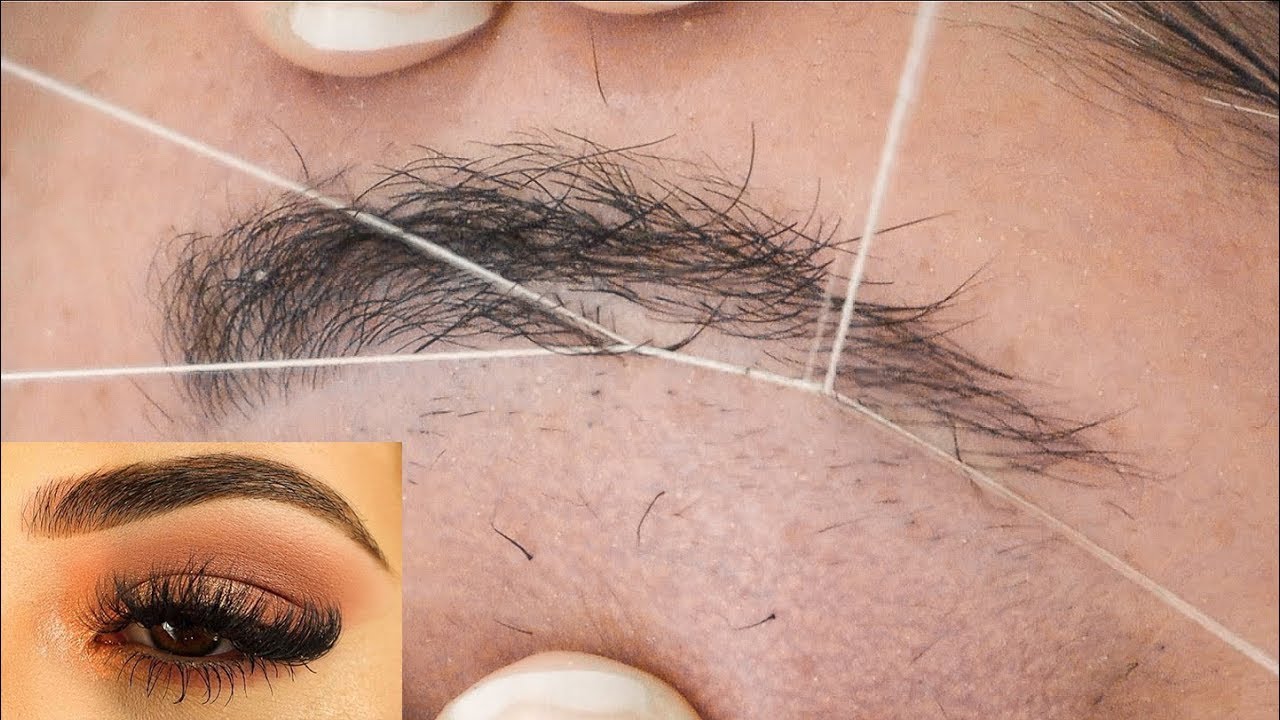
The expert uses a thin cotton thread folded into a loop. They twist the thread in the middle several times. This twisting creates a moving “X” shape. The thread is held tightly in the hands. This technique traps the hair between the twisted parts of the thread. The skillful movement controls which hairs get removed and which stay.
Hair Removal Motion
The twisted thread is rolled over the skin in a quick motion. The moving “X” catches and pulls out hair from the root. This motion is repeated along the desired area. It removes multiple hairs at once with precision. The technique is fast and usually less painful than tweezing. The result is clean, sharp lines and smooth skin.
Benefits Of Threading
Threading offers several benefits that make it a popular choice for hair removal. It shapes eyebrows and removes unwanted hair with care. Many people prefer threading because it is effective and gentle on the skin. The results last longer than other methods. Threading also follows hygienic practices, reducing the risk of irritation or infection.
Precision Shaping
Threading allows for precise control over hair removal. The thread can remove even the smallest hairs. It shapes eyebrows with sharp, clean lines. This method targets hair exactly where needed. It helps create a natural and symmetrical look.
Gentle On Skin
Threading is less harsh compared to waxing or tweezing. It does not use chemicals or hot wax. The thread only touches the hair and skin lightly. This reduces redness and irritation after the treatment. People with sensitive skin find threading comfortable.
Long-lasting Results
Threading removes hair from the root. This delays hair regrowth for several weeks. The skin stays smooth longer than with shaving or trimming. Regular threading helps maintain a defined shape. It saves time by reducing frequent touch-ups.
Hygienic Practice
Threading uses a clean, single thread for each session. This lowers the chance of bacteria spreading. Professionals follow strict hygiene rules during the process. The tools and area are kept clean and sanitized. This ensures a safe and healthy experience for clients.
Common Areas Treated
Hair threading targets specific facial areas to remove unwanted hair gently and precisely. It shapes and cleans up these areas for a neat and polished look. Threading works by twisting a thin cotton thread to pull hairs out from the root. This method suits sensitive skin and gives longer-lasting results than shaving or tweezing.
Eyebrows
Eyebrows are the most common area treated with threading. The technique shapes the brows by removing stray hairs. It allows for a clean, natural arch without irritation. Threading defines the brow line and enhances facial features. The precision helps maintain symmetry between both eyebrows.
Upper Lip
The upper lip often has fine, unwanted hair that threading removes quickly. Threading clears the area without harsh chemicals or wax. It provides a smooth finish that lasts for weeks. This method works well for sensitive skin and reduces the risk of bumps.
Chin
Threading is effective on the chin to remove coarse or fine hair. It helps create a clean and smooth appearance. Regular threading can reduce hair growth over time. The method is gentle and avoids skin damage or redness common with other techniques.
Comparing Hair Removal Methods
Choosing the right hair removal method affects comfort and results. Each option works differently and suits various skin types and hair textures. Understanding how threading compares to other methods helps make better choices for smooth, clean skin.
Threading uses a twisted cotton thread to pull hair from the follicle. This technique targets multiple hairs at once with precision. It is gentle on the skin and does not use chemicals or heat.
Threading Vs Tweezing
Tweezing removes one hair at a time using small forceps. This method is slow and best for shaping small areas like eyebrows. Threading removes many hairs quickly in straight lines, saving time. Tweezing can cause more skin irritation due to repeated pinching. Threading feels less painful for many people.
Threading Vs Waxing
Waxing applies warm wax to the skin and pulls it off, removing hair from the root. Waxing covers large areas but can irritate sensitive skin and cause redness. Threading is more precise, ideal for facial hair. It avoids chemicals and heat, reducing allergic reactions. Waxing may be better for thick body hair, while threading suits finer facial hair.
Threading Vs Shaving
Shaving cuts hair at the skin surface without removing roots. Hair grows back faster and may feel stubbly. Threading removes hair from the root, resulting in longer-lasting smoothness. Shaving is quick and painless but can cause cuts and razor burn. Threading takes more skill but offers cleaner, longer-lasting results.
Potential Downsides
Hair threading offers a precise way to remove unwanted hair. It uses a twisted cotton thread to pull hairs from the root. Despite its popularity, this method has some downsides worth noting. Knowing these can help you decide if threading suits your needs.
Thread Breakage Issues
The thread used in this method can sometimes snap during the process. A broken thread may cause uneven hair removal. This can lead to patchy or inconsistent results. Thread breakage may also cause minor skin irritation. Choosing a skilled technician reduces these risks significantly.
Suitability Limits
Threading is best for removing fine to medium hair. It may not work well for thick or coarse hair types. People with sensitive or very dry skin might experience redness or discomfort. Threading does not provide permanent hair removal. Those with severe skin laxity or aging skin will not see lifting effects. It is ideal mainly for mild skin conditions and hair removal.
Maintenance And Frequency
Maintaining results after hair threading is essential for a neat and polished look. Proper care and understanding the right frequency help keep skin smooth. Threading removes hair from the root, so the hair takes time to grow back. Regular sessions ensure consistent grooming and prevent overgrowth.
How Often To Thread
The ideal threading schedule depends on hair growth rate and personal preference. Most people find threading every 2 to 4 weeks works best. Frequent threading prevents hairs from growing too long or thick. Waiting too long may cause discomfort during the next session. Consistent threading keeps eyebrow shape sharp and clean.
Effects On Hair Regrowth
Threading pulls hair from the root, which can slow regrowth over time. Regular threading may lead to finer, softer hair growth. It does not permanently stop hair from growing. Threading can reduce the chance of ingrown hairs compared to shaving. Patience is key, as results improve with repeated sessions.
At-home Threading Tips
Threading can be done at home with the right tools and techniques. It saves time and money while giving you control over your grooming. Follow these simple tips to make your at-home threading experience safe and effective.
Choosing The Right Thread
Use a cotton thread that is strong and smooth. Avoid synthetic threads as they can cause irritation. Choose a thread about 24 inches long for better handling. Wash the thread with soap before use to remove any dirt or oils. A good thread will glide smoothly over your skin and grip hairs well.
Safety Precautions
Clean your face thoroughly before threading. Use a gentle cleanser to remove oils and dirt. Avoid threading over pimples or irritated skin to prevent infection. Keep your hands clean and sanitize the thread if possible. Thread in a well-lit area with a mirror for better control. Stop immediately if you feel pain or discomfort. After threading, apply a soothing lotion or aloe vera to calm the skin.
Credit: www.youtube.com
Frequently Asked Questions
What Is The Downside Of Threading?
Threading can cause skin irritation, redness, or discomfort. It may not suit sensitive skin or thick hair types. Threads might snap, causing uneven results. It requires frequent maintenance since hair regrows. Threading is less effective for significant skin sagging or deep wrinkles.
How Long Does Threaded Hair Last?
Threaded hair typically lasts 2 to 4 weeks, depending on hair growth and care. Regular threading keeps brows well-shaped longer.
Does Threading Permanently Remove Hair?
Threading removes hair from the root but does not permanently prevent regrowth. Regular sessions maintain shape longer.
Is Threading Your Hair Good?
Threading removes hair from the root, offering precise, chemical-free hair removal. It protects hair, reduces breakage, and promotes healthier growth.
Conclusion
Hair threading offers a simple way to remove unwanted hair precisely. The twisted cotton thread traps hairs and pulls them out quickly. This method avoids chemicals and reduces skin irritation. Results usually last longer than shaving or tweezing. Regular threading can help maintain clean, sharp eyebrow shapes.
It suits many skin types and is gentle when done correctly. Though it may cause slight discomfort, threading remains popular worldwide. Try threading to experience smooth, well-defined facial hair removal naturally.
As an Amazon Associate, I earn from qualifying purchases.
Lovingshe is a participant in the Amazon Services LLC Associates Program which is an affiliate advertising program designed to provide a means for sites to earn advertising fees by advertising and linking to Amazon.com. Amazon may use cookies to track referrals from our site. Visit Amazon’s privacy policy for details
