


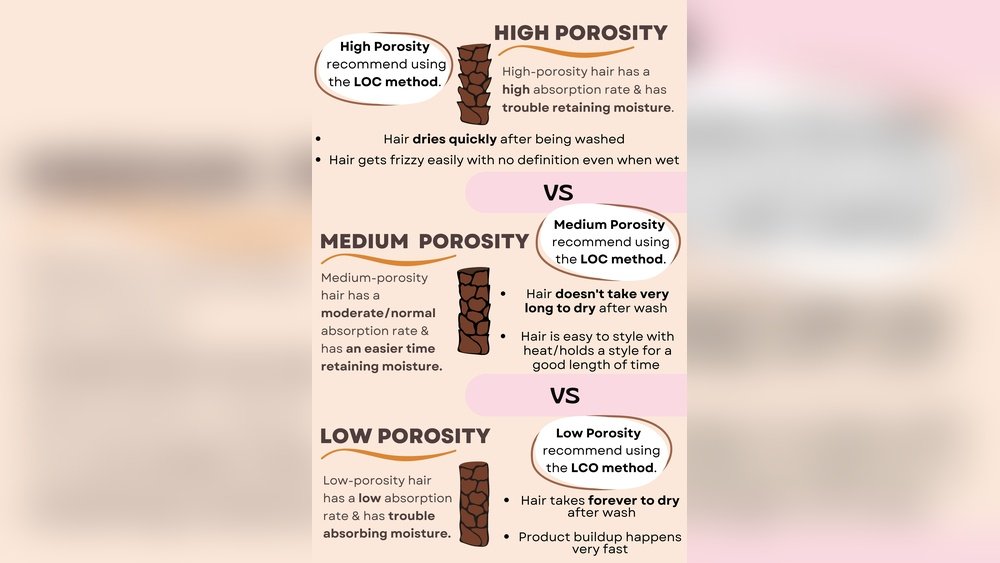
Do you find that your hair takes forever to dry, no matter how little product you use? Or maybe water seems to bead up on your strands instead of soaking in?
If this sounds familiar, you might have low porosity hair. Knowing your hair’s porosity is key to giving it the care it truly needs. You’ll discover clear signs that reveal if your hair has low porosity. By understanding these clues, you’ll unlock better ways to hydrate, style, and maintain your hair so it looks and feels its best every day.
Keep reading to learn how to identify low porosity hair and what to do next!
Signs Of Low Porosity Hair
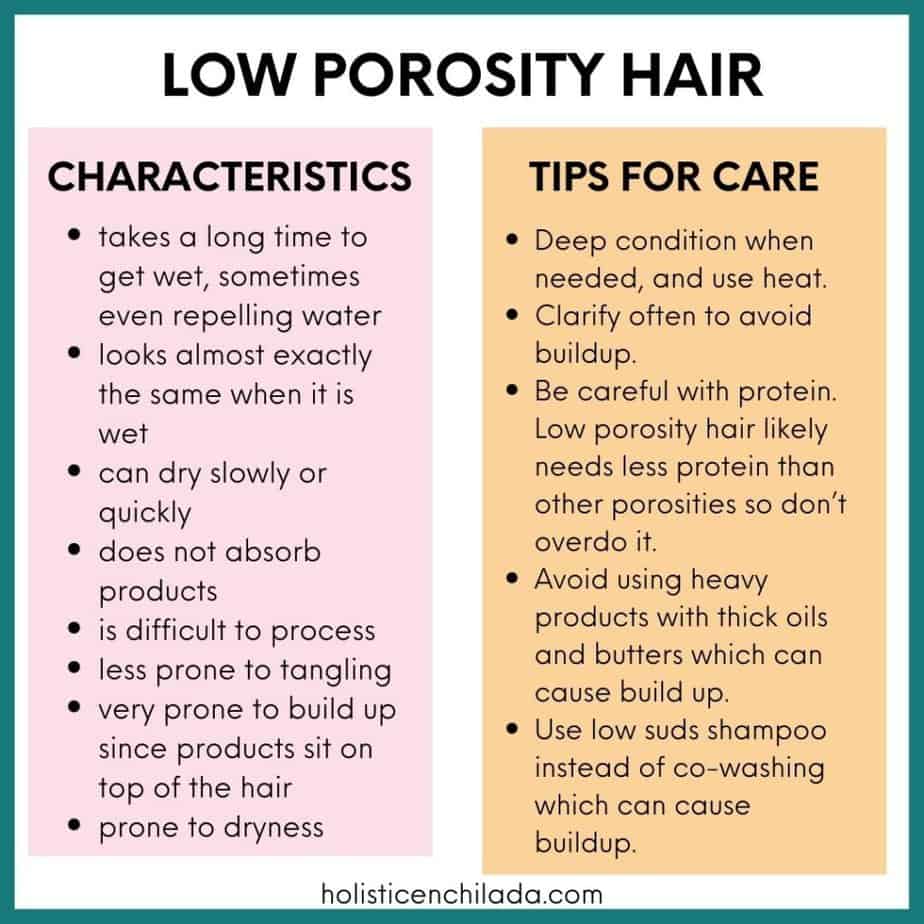
Recognizing low porosity hair helps you care for it properly. This hair type has a tightly closed cuticle layer. It makes moisture and products hard to absorb. Several clear signs show if your hair has low porosity.
These signs affect how your hair looks and feels daily. Identifying them allows you to choose the right hair care routine. Understanding these clues can save time and avoid frustration.
Water Repels Hair
Water beads up on your hair strands instead of soaking in. Your hair resists getting wet at first touch. It feels like water slides off the surface. This happens because the cuticle is sealed tightly.
Slow Drying Time
Your hair stays wet for a long time after washing. It takes hours to air dry fully. Even blow drying feels slow and less effective. The closed cuticles trap moisture inside, delaying evaporation.
Product Buildup Visible
Oils, creams, and conditioners sit on your hair’s surface. They do not absorb well and form a sticky layer. This buildup makes hair look greasy or dull. Washing may not remove all residue easily.
Smooth But Dry Texture
Your hair feels smooth and looks shiny on the outside. The flat cuticle reflects light well. Despite this, your hair often feels dry or brittle inside. Moisture struggles to penetrate deeply.
Limp And Flat Appearance
Hair appears weighed down and lacks volume naturally. It looks limp and flat at the roots. The heaviness comes from products sitting on top. Hair may lack bounce and movement.
Credit: holisticenchilada.com
Simple Tests To Check Porosity
Testing your hair’s porosity helps understand how it absorbs and retains moisture. Simple tests can reveal if your hair has low porosity. These tests are easy to do at home with items you already have. They give quick clues about how your hair behaves with water and products.
The Float Test
Take a clean, dry hair strand and place it in a bowl of water. Watch how it behaves for a few minutes. Hair with low porosity tends to float on the water surface. It resists sinking because the cuticles are tightly closed. This blocks water absorption, so the hair stays buoyant. If the strand sinks quickly, the hair likely has higher porosity.
The Feel Test
Run a clean hair strand between your fingers. Low porosity hair feels very smooth and silky. You won’t feel roughness or bumps along the strand. This smoothness happens because the cuticle layers lie flat and tightly packed. Hair with higher porosity feels more coarse or bumpy due to open cuticles. This test helps sense how sealed or open your hair cuticles are.
How Low Porosity Hair Looks
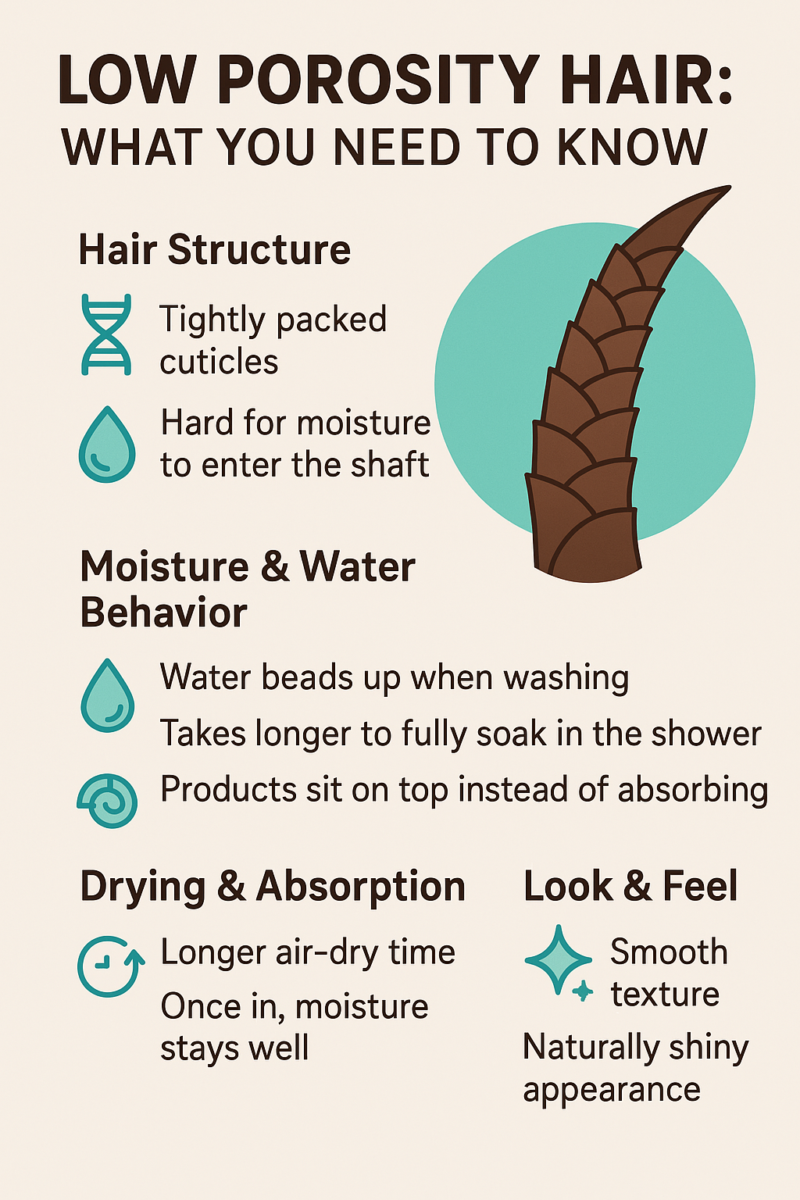
Low porosity hair has unique visual traits that set it apart. Its cuticles lie flat and tightly packed. This tight layering creates a smooth, shiny surface. The hair often looks sleek and can appear oily or greasy. This look happens because water and products don’t absorb quickly. Instead, they rest on the hair’s surface.
Low porosity hair dries slowly and may feel dry inside despite its shiny look. It can also feel heavy or limp due to product buildup. Recognizing these signs helps identify low porosity hair and tailor care routines accordingly.
Appearance When Wet
Low porosity hair resists water at first. Water beads up instead of soaking in fast. When fully wet, the hair can swell and look puffy or poofy. It may feel tight and heavy. The hair takes longer to dry than other types. This slow drying is a key sign of low porosity hair.
Effect Of Hair Products
Products often sit on the surface of low porosity hair. Oils, creams, and conditioners do not absorb easily. This buildup makes hair look greasy or sticky. It can weigh hair down, causing it to look flat or limp. The hair may feel smooth but still dry inside. Using lightweight products helps avoid this problem.

Credit: www.ouidad.com
Everyday Challenges
Low porosity hair presents unique daily struggles. Its tightly closed cuticles block moisture. This causes common problems that affect hair care routines. Understanding these challenges helps in managing hair better.
Difficulty Absorbing Moisture
Low porosity hair resists water and products. Moisture tends to stay on the surface. This makes it hard for hair to get hydrated. Applying water or conditioner feels less effective. Hair may still feel dry despite efforts.
Long Drying Periods
Water takes a long time to soak in. Hair stays wet for extended periods. Air drying can feel like a slow process. Using heat tools might be necessary but risky. This slow drying can cause frustration and damage.
Product Build-up Issues
Products sit on the hair instead of absorbing. Oils and creams create a greasy or sticky look. Build-up can weigh hair down and dull shine. Hair may appear limp, even if it feels dry. Regular cleansing is essential to reduce residue.
Tips To Manage Low Porosity Hair
Managing low porosity hair requires patience and specific care routines. This hair type has tightly closed cuticles that block moisture and product absorption. Without proper care, hair can feel dry, heavy, or lifeless. Simple changes in your hair care approach can improve moisture intake and overall hair health.
Using Heat For Better Absorption
Heat helps open the hair cuticles, allowing moisture and products to penetrate. Use warm water when washing your hair. Apply conditioners or deep treatments with a heat cap or warm towel. Avoid very high heat to prevent damage. Even gentle heat boosts product absorption and improves hair softness.
Choosing Lightweight Products
Heavy products tend to sit on low porosity hair, causing buildup. Opt for lightweight leave-in conditioners and oils. Water-based products work best for hydration without weighing hair down. Avoid thick creams and heavy butters that block moisture. Lighter products keep hair feeling fresh and manageable.
Regular Clarifying Treatments
Product buildup is common with low porosity hair. Use a gentle clarifying shampoo once every two weeks. This removes residue and restores hair’s natural balance. Avoid over-cleansing, which can dry out your hair. Clarifying treatments help hair absorb moisture better and maintain shine.
Credit: www.drserkanaygin.com
Frequently Asked Questions
What Does Low Porosity Hair Look Like?
Low porosity hair looks smooth, shiny, and often greasy due to tightly closed cuticles. It resists water, dries slowly, and shows product buildup. Hair may appear flat or limp and feels dry inside despite its glossy surface.
What Are The Symptoms Of Low Porosity Hair?
Low porosity hair resists water absorption, dries slowly, appears shiny but feels dry, shows product buildup, and looks limp or flat.
How Do I Check If I Have Low Porosity Hair?
Check if hair repels water, feels smooth, dries slowly, and shows product buildup. Try the float test: hair strands float on water if porosity is low.
How To Tell If Your Hair Is 2a Or 2b?
Hair type 2A has loose, slight waves with fine texture. Type 2B shows defined waves with more volume and frizz. Check wave pattern and texture to differentiate between 2A and 2B hair.
Conclusion
Knowing the signs of low porosity hair helps you care for it better. This hair type resists water and absorbs products slowly. You might notice slow drying and product buildup often. Feeling smooth but dry is common with low porosity hair.
Testing your hair with simple methods can confirm its porosity. Understanding your hair’s needs leads to healthier, happier strands. Take time to adjust your routine for best results. Caring for low porosity hair becomes easier with knowledge. Your hair will thank you for the right care.
As an Amazon Associate, I earn from qualifying purchases.
Lovingshe is a participant in the Amazon Services LLC Associates Program which is an affiliate advertising program designed to provide a means for sites to earn advertising fees by advertising and linking to Amazon.com. Amazon may use cookies to track referrals from our site. Visit Amazon’s privacy policy for details
