


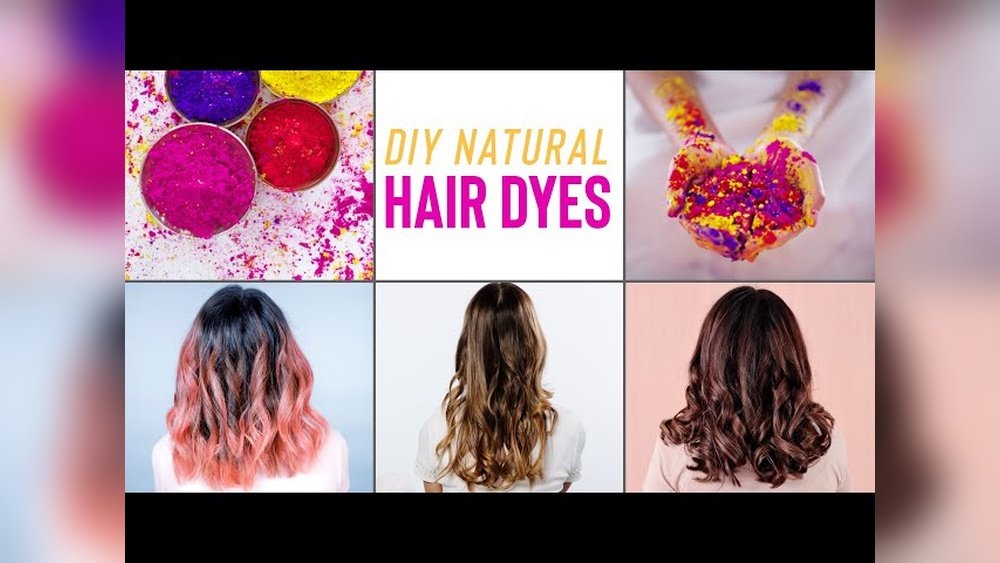
Thinking about changing up your look with a fresh hair color? You might wonder, “How do you dye your hair without making a mess or missing spots?” Whether you want to cover grays, try a bold new shade, or just refresh your current color, dyeing your hair at home can feel tricky.
But it doesn’t have to be overwhelming. With the right steps and a little preparation, you can achieve salon-worthy results right in your bathroom. Ready to learn exactly how to dye your hair smoothly and confidently? Keep reading, and you’ll discover simple tips and tricks to get vibrant, even color every time.
Choose Your Color
Choosing the right hair color is the first and most important step. The color you pick sets the tone for your whole look. It should match your skin tone and style. Think about the image you want to create.
Consider how bold or natural you want your hair to look. Hair color comes in many shades, from bright reds to soft blondes. Picking a color you will enjoy daily helps with confidence.
Understand Your Skin Tone
Your skin tone guides which colors look best on you. Warm skin tones suit golden, caramel, or copper shades. Cool skin tones shine with ash blondes, cool browns, or black. Neutral skin tones can try most colors with ease.
Choose Between Permanent And Semi-permanent
Permanent dye lasts longer and covers gray hair well. It changes your natural color deeply. Semi-permanent dye fades after several washes. It is less damaging and good for trying new shades.
Pick A Shade That Matches Your Style
Think about your daily life and job. Bright, vibrant colors stand out and show creativity. Natural shades are easy to maintain and fit most settings. Choose a shade that fits your personality and schedule.
Gather Supplies
Gathering supplies is the first step to a smooth hair dyeing process. Prepare everything before you start. This keeps your experience neat and safe. Having all items ready saves time and avoids mistakes.
Use the right tools and protect yourself and your space. This helps you get the best results and keeps your skin and home safe from stains.
Protective Gear
Wear gloves to protect your hands from stains and chemicals. Use a cape or an old towel around your shoulders. This prevents dye from staining your clothes. Some people use a hair dye brush for better control. Keep a timer handy to track the processing time.
Dye Kit Essentials
Choose a hair dye kit that suits your hair type and color goals. The kit usually contains color cream and developer. Read the instructions carefully before opening. Have a mixing bowl and applicator brush ready. Keep hair clips for sectioning your hair. Prepare a wide-tooth comb to spread the dye evenly.
Skin And Surface Protection
Apply petroleum jelly or a thick moisturizer along your hairline and ears. This creates a barrier to stop dye from staining your skin. Cover counters and floors with old towels or newspapers. Protect surfaces to avoid permanent stains. Clean any spills immediately with a damp cloth.
Perform Patch Test
Testing a small skin area before dyeing your hair helps avoid allergic reactions. Apply a tiny dye amount, wait 24-48 hours, and check for redness or itching. This simple step keeps your skin safe during the coloring process.
Why Perform A Patch Test?
Performing a patch test helps to check for allergic reactions.
Hair dye contains chemicals that may irritate your skin.
This simple test prevents serious skin problems and discomfort.
How To Do A Patch Test
Mix a small amount of hair dye as instructed on the box.
Apply a small drop behind your ear or on your inner elbow.
Leave it on for 24 to 48 hours without washing it off.
What To Watch For
Look for redness, itching, swelling, or burning in the test area.
Any of these signs means you should not use that dye.
No reaction means it is likely safe to proceed with dyeing.

Credit: www.teamiblends.com
Prepare Hair
Proper hair preparation improves dye results and protects hair health. Clean hair helps color absorb evenly. Avoid heavy oils or buildup that block dye. Preparing your hair makes the color last longer and look vibrant.
Follow simple steps before dyeing. These steps ensure the dye works well and your scalp stays safe. Preparing hair is the key to a smooth dyeing process.
Clarify Hair
Use a clarifying shampoo one day before dyeing. This removes dirt, oil, and product buildup. Clean hair allows the dye to penetrate better. Avoid conditioners or heavy treatments after clarifying. Let your hair air dry naturally. Clarifying helps get a fresh base for your new color.
Avoid Washing Day Of
Skip washing your hair on dye day. Natural oils protect your scalp from irritation. Freshly washed hair may cause redness or itching. Oily roots help the dye stay in place. If your hair feels greasy, lightly brush it. This step keeps your scalp calm during dyeing.
Section Hair
Sectioning hair is a key step in dyeing. It helps apply color evenly. Proper sectioning saves time and prevents missed spots. It also keeps hair organized during the process.
Start with clean, dry hair for best results. This makes the dye spread smoothly. Avoid tangles by brushing hair before sectioning. Use a mirror to see the back clearly.
Create Quadrants
Divide your hair into four parts, or quadrants. Start at the center of your head. Part hair from the forehead to the nape of your neck. Then part from ear to ear across the crown.
Each quadrant should be even and neat. This lets you dye small sections at a time. It also helps you track where you have applied dye. Work on one quadrant before moving to the next.
Use Clips
Use hair clips to hold each quadrant in place. Clips keep hair from mixing during dyeing. Secure the sections tightly, but not too tight.
Release one section at a time when applying dye. This keeps the rest of your hair clean. It also makes the process faster and more precise. Use clips that won’t damage your hair.
Apply Dye
Applying dye is a key step in changing your hair color. Proper application ensures a vibrant, even result. Take your time and follow each step carefully.
Mix Dye
Start by mixing the dye components in a clean bowl. Use the exact ratio from the instructions. Stir well until smooth and consistent. Avoid lumps to ensure even color.
Protect Hairline And Skin
Apply petroleum jelly around your hairline and ears. This stops dye from staining your skin. Wear gloves to protect your hands. Use an old towel or cape to cover your clothes.
Start At Roots
Apply dye first to your roots. The roots need more time to process. Use the applicator brush for precise application. Work in small sections for better control.
Work Through Lengths
After roots, spread dye through the mid-lengths and ends. Use your fingers or a wide-tooth comb. Ensure all strands get covered. Avoid overlapping too much to prevent damage.
Ensure Even Coverage
Check your hair under good light. Look for missed spots or uneven patches. Add dye carefully to those areas. Comb through your hair again to distribute dye evenly.
Processing Time
The processing time is the period your hair dye needs to develop color.
It affects how vibrant and long-lasting the color will be.
Following the right processing time ensures the best results without damage.
Understanding The Recommended Processing Time
Hair dye packages show a suggested time range, usually 20 to 45 minutes.
This time depends on the dye type and your natural hair color.
Leaving dye on too short may cause uneven or faint color.
Too long can lead to hair damage or unwanted shades.
Factors That Influence Processing Time
Hair texture, thickness, and previous color treatments affect timing.
Coarse or dark hair may need more time for full color development.
Fine or light hair often processes faster and needs less time.
Always check your hair regularly during processing to avoid mistakes.
Tips For Timing Your Hair Dye
Set a timer to avoid over-processing your hair.
Do not guess the time; follow instructions on the product box.
Rinse your hair immediately after the recommended time ends.
Adjust timing in future dye sessions based on past results.

Credit: www.youtube.com
Rinse Hair
Rinsing your hair after applying dye is a crucial step. It removes excess color and sets the dye in your strands. Proper rinsing helps your hair look vibrant and healthy. Here are some simple tips to rinse your hair correctly.
Use Cool Water
Rinse your hair with cool water to keep the color locked in. Hot water can cause the dye to fade faster. Cool water closes the hair cuticles, which helps hold the color. It also adds shine and smoothness to your hair.
Massage Shampoo
Use a gentle shampoo made for colored hair. Massage it softly into your scalp and hair. This removes leftover dye without stripping your hair’s natural oils. Avoid harsh scrubbing to prevent irritation and dryness.
Rinse Thoroughly
Make sure to rinse your hair until the water runs clear. Any leftover dye can cause staining or uneven color. Take your time to wash out all shampoo and dye residues. This step ensures your hair stays clean and your color lasts longer.
Condition Hair
Conditioning your hair after dyeing is key to keeping it healthy and vibrant. Hair dye can dry out strands and make them brittle. Proper conditioning restores moisture and smooths the hair cuticle. This helps your color last longer and keeps hair soft.
Choose conditioners made specifically for color-treated hair. They protect against fading and nourish your locks deeply. Conditioning also reduces frizz and prevents damage from heat styling and environmental stress.
Use Color-safe Conditioner
Select a conditioner labeled as color-safe or for dyed hair. These products contain gentle ingredients that lock in color. They avoid harsh chemicals which strip dye from your hair. Apply conditioner mainly to the mid-lengths and ends, where hair tends to be driest.
Leave it on for the time recommended on the packaging. This allows the conditioner to penetrate and repair damage. Rinse with cool water to seal the hair cuticle and enhance shine. Using color-safe conditioner regularly keeps hair vibrant and manageable.
Leave In And Rinse
Some conditioners are designed to be left in the hair without rinsing. Leave-in conditioners provide extra moisture and protection throughout the day. They help detangle hair and shield it from heat styling tools.
Apply a small amount to damp hair after washing and conditioning. Focus on the ends to prevent split ends and dryness. Avoid the scalp to keep it from becoming oily. For rinse-out conditioners, rinse thoroughly but gently to avoid stripping color.
Dry And Style
Drying and styling your hair after dyeing is key to a fresh, vibrant look. Proper drying helps set the color and prevents damage. Styling adds the final touch to showcase your new shade beautifully.
Follow simple steps to dry your hair gently and use products that bring shine and smoothness. These steps keep your hair healthy and your color lasting longer.
Pat Dry
Use a soft towel to gently pat your hair dry. Avoid rubbing, which can cause breakage and fade color. Patting removes excess water without roughing up the hair cuticle. This helps keep your hair smooth and shiny.
Use Shine Serum
Apply a small amount of shine serum to damp hair. This adds gloss and tames frizz. Shine serum also protects color from fading in sunlight. Spread the serum evenly from mid-length to ends for best results.
Aftercare Tips
After dyeing your hair, proper care keeps your color fresh and vibrant. Hair dye can fade fast without the right aftercare. Follow simple steps to protect your new color and keep hair healthy.
Protect Color
Use shampoo and conditioner made for color-treated hair. These products help lock in color and prevent fading. Wash hair with cool water to keep color vivid. Avoid washing hair every day to reduce color loss. Sun exposure can fade color, so wear a hat or use UV protection sprays.
Avoid Heat Damage
Heat tools like straighteners and curling irons can damage colored hair. Use a heat protectant spray before styling. Keep heat settings low to avoid drying out hair. Try air-drying your hair more often. Heat damage causes color to fade faster and hair to become brittle.
Schedule Touch-ups
Hair color fades over time and roots grow out. Plan regular touch-ups every 4 to 6 weeks. This keeps your color looking even and fresh. Visit a professional or carefully dye the roots at home. Touch-ups prevent a patchy look and maintain vibrant hair.
:max_bytes(150000):strip_icc()/never-do-these-things-when-you-dye-your-hair-at-home-GettyImages-471258645-8302251770da4fe39ac1051df056622f.jpg)
Credit: www.realsimple.com
Frequently Asked Questions
What Are The Steps To Dye Your Hair?
Choose your hair color and gather supplies like gloves and Vaseline. Do a patch test. Section dry hair. Mix and apply dye evenly, starting at roots. Let process as instructed. Rinse with cool water, shampoo, and condition. Style as desired.
Protect skin and follow product directions.
What Happens If You Leave Hair Dye In Longer Than 30 Minutes?
Leaving hair dye on longer than 30 minutes can cause scalp irritation and hair damage. It may also result in uneven or overly intense color. Always follow the recommended processing time for safe, vibrant results.
How To Use Hair Color For Beginners?
Choose your hair color and do a patch test first. Wear gloves and old clothes. Section dry hair into four parts. Apply dye evenly, starting at roots. Let it process as instructed. Rinse with cool water, then shampoo and condition with color-safe products.
Dry and style as desired.
Is It Best To Dye Your Hair Wet Or Dry?
Dye your hair dry for better color absorption and even application. Wet hair dilutes dye, causing uneven results and fading. Always apply dye on dry, unwashed hair to protect your scalp and ensure vibrant, long-lasting color.
Conclusion
Dyeing your hair can be simple and fun with the right steps. Always prepare well before starting. Use gloves and protect your skin to avoid stains. Apply the dye evenly for the best results. Follow the instructions on the box carefully.
Rinse with cool water to keep color longer. Take care of your hair after dyeing with gentle shampoos. Enjoy your new look and feel confident. Remember, practice makes perfect in hair dyeing. Try small changes first to find your favorite style.
As an Amazon Associate, I earn from qualifying purchases.
Lovingshe is a participant in the Amazon Services LLC Associates Program which is an affiliate advertising program designed to provide a means for sites to earn advertising fees by advertising and linking to Amazon.com. Amazon may use cookies to track referrals from our site. Visit Amazon’s privacy policy for details
