


Facing a hair follicle test can feel overwhelming, especially when your future depends on the results. You might be wondering, “How do you beat a hair follicle test?” or “Is there a reliable way to pass it without risking detection?” The truth is, hair follicle tests are designed to be tough and accurate, making them harder to fool than other drug tests.
But don’t lose hope just yet. Understanding how these tests work and what factors influence the results can give you an edge. You’ll discover practical insights and the most effective strategies to help you approach your test with confidence. Keep reading to learn what really works—and what wastes your time—when it comes to beating a hair follicle drug test.
Credit: www.nursingscience.org
Hair Follicle Test Basics
Understanding the basics of hair follicle tests helps explain why these tests are popular for drug detection. Hair follicle testing is a method that checks for drug use over a longer time. Unlike urine or blood tests, it can detect drug use weeks or even months after the last use. This makes it a reliable tool for employers and law enforcement.
The process involves analyzing a small sample of hair taken close to the scalp. Drugs enter the hair through the bloodstream and become trapped in the hair shaft as it grows. This way, the test shows a history of drug use rather than just recent use.
How Hair Testing Works
The lab collects about 100 strands of hair, usually from the head. If head hair is not available, other body hair may be used. The hair is cleaned to remove any external contaminants. Then, it is dissolved and tested for drug metabolites. These metabolites are chemicals formed when the body breaks down drugs. Their presence indicates drug use.
Detection Window
Hair follicle tests can detect drug use up to 90 days prior. This is because hair grows about half an inch per month. The test typically analyzes the first 1.5 inches of hair from the scalp. Drugs used within this period show up clearly. Drugs used before this time usually do not appear unless longer hair is tested.
Drugs Commonly Tested
These tests often check for several common drugs. They include marijuana, cocaine, opiates like heroin, amphetamines, and PCP. Some labs test for additional substances like barbiturates or methadone. The specific drugs tested depend on the lab and the reason for testing.
Credit: www.methadone.org
Factors Affecting Test Results
Several factors influence hair follicle test results. Understanding these helps explain variations in outcomes. The test detects drug molecules trapped in hair strands. But hair characteristics and external influences affect drug presence and detection.
Environmental factors and personal care routines can change test accuracy. Some factors may increase drug levels in hair. Others might reduce or hide drug traces. Knowing these helps to better prepare for or interpret test results.
Impact Of Hair Color
Hair color plays a big role in drug absorption. Dark hair contains more melanin, which binds more drug molecules. This can lead to higher drug levels in darker hair. Light or gray hair may show lower drug concentrations. Testing labs consider hair color during analysis to avoid bias.
Environmental Contamination
External drug exposure can affect test results. Being near drug smoke or chemicals can deposit traces on hair. Laboratories wash hair samples to remove surface contamination. Still, heavy exposure might cause false positives. Careful sample collection and lab cleaning reduce this risk.
Medications And Hair Products
Certain medications may interfere with test accuracy. Over-the-counter drugs like ibuprofen or decongestants sometimes cause false positives. Hair products such as dyes, bleaches, and sprays can change drug binding. Harsh chemical treatments may damage hair and lower drug detection. Choosing mild products helps maintain hair integrity for testing.
Causes Of False Positives
False positives in hair follicle tests happen when the test shows drug use, but none occurred. These errors can cause serious problems, especially during job screenings. Understanding common causes helps avoid misunderstandings. Some everyday exposures and substances may trigger false positive results.
Secondhand Smoke Exposure
Being near smokers of marijuana or cocaine can affect hair test results. Smoke particles settle on hair and skin. Labs wash hair samples to remove outside contaminants. Still, heavy exposure might leave traces inside the hair. This situation can cause a false positive even without direct drug use.
Over-the-counter Drugs
Some common medicines interfere with hair drug tests. Ibuprofen, decongestants like pseudoephedrine, and certain diet pills may cause false positives. These drugs share chemical structures similar to controlled substances. Hair tests may confuse these substances for illegal drugs. Always check medicines before a hair test to avoid surprises.
Chemical Contaminants
Environmental chemicals can affect hair test accuracy. Paint thinner, cleaning agents, and industrial pollutants may stick to hair. These contaminants sometimes mimic drug metabolites in tests. Frequent contact with harsh chemicals increases this risk. Proper hair washing helps, but contamination may still cause errors.
Causes Of False Negatives
False negatives in hair follicle tests happen when drug traces go undetected. Understanding the causes helps explain why results may not show drug use. Some factors alter hair or testing conditions. These can reduce the chance of finding drugs in hair samples.
Chemical Hair Treatments
Bleaching, dyeing, or perming hair can damage its structure. Harsh chemicals break down drug metabolites in the hair shaft. This damage can lower drug levels below detection. Repeated treatments increase the chance of false negatives. Testing labs may miss traces if hair is heavily treated.
Shaving And Hair Removal
Shaving all hair removes the sample needed for testing. Without hair, labs cannot detect drug use over time. Some believe shaving avoids detection, but testers may use body hair instead. Body hair grows slower and holds drugs longer. Complete removal of all hair is rare and often suspicious.
Hair Type And Condition
Hair color and texture affect drug absorption. Darker hair absorbs more drug molecules than lighter hair. Fine or damaged hair may hold fewer drug traces. Environmental exposure and hair care also change drug levels. Healthy hair keeps drug metabolites better than brittle hair.
Common Myths About Beating The Test
Many people believe certain tricks can help them beat a hair follicle test. These ideas spread quickly but often lack scientific proof. Understanding these myths helps avoid wasted effort and false hope. Here are some common myths and the truth behind them.
Detox Shampoos
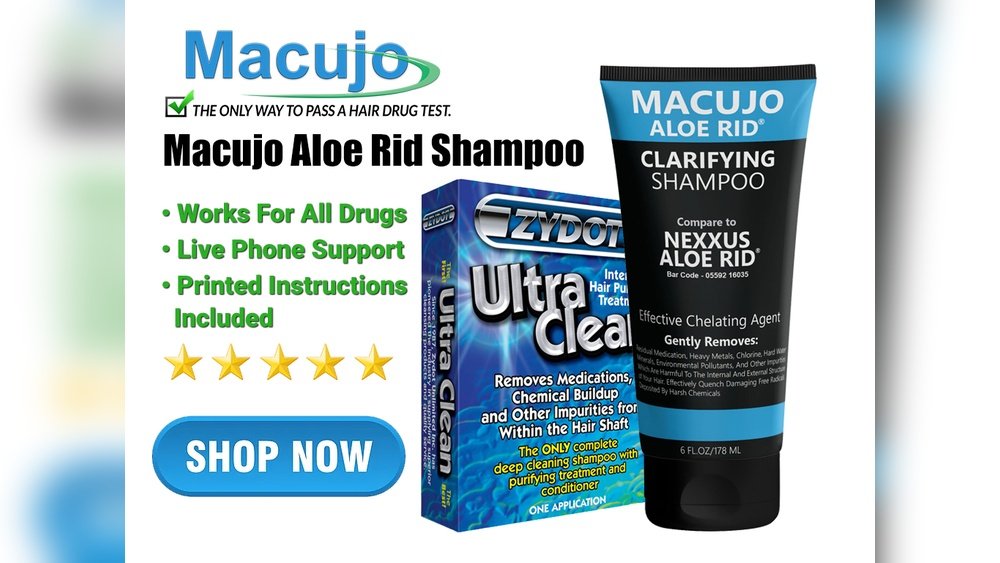
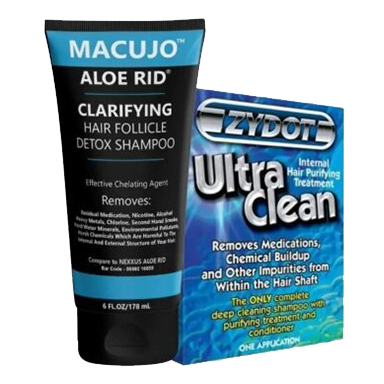
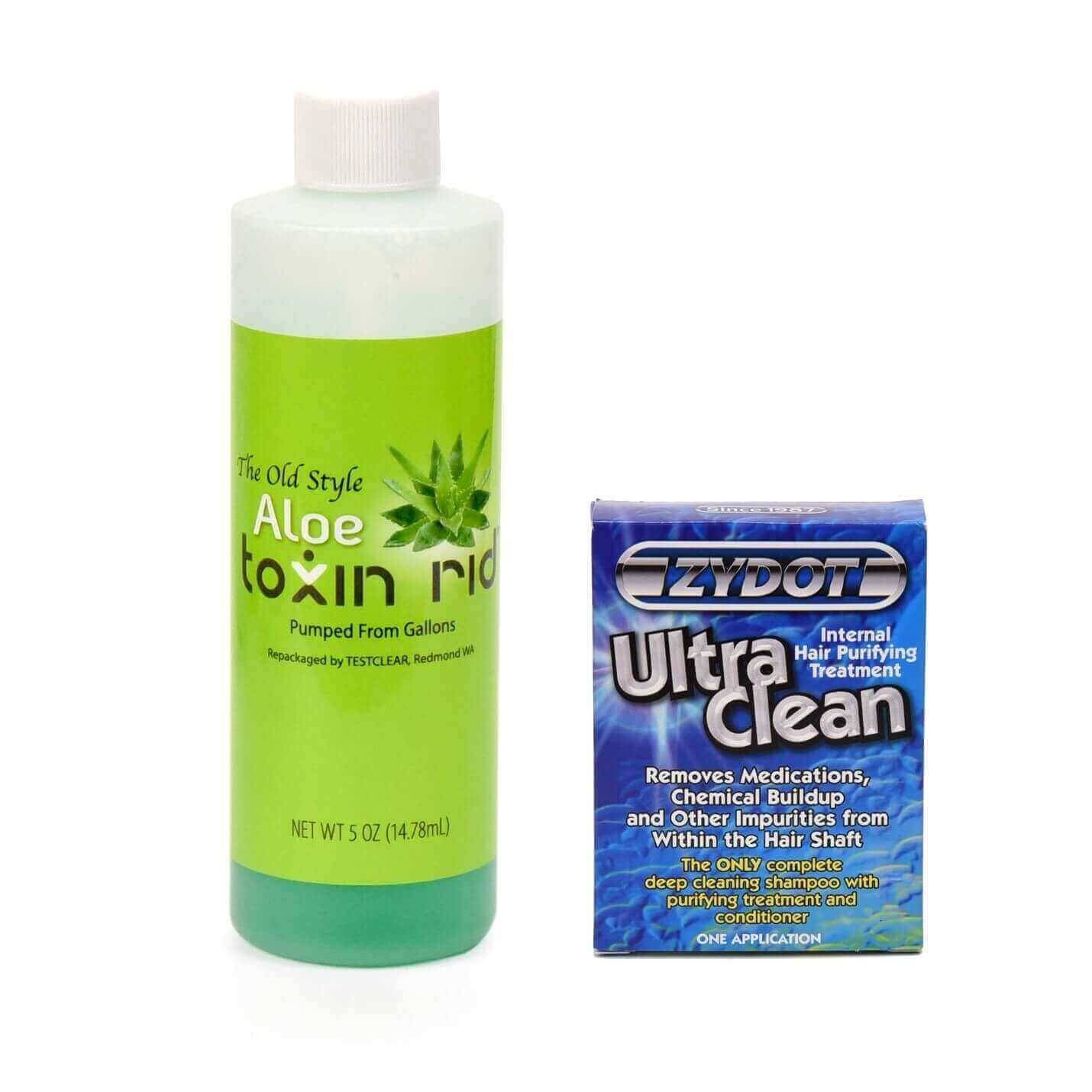
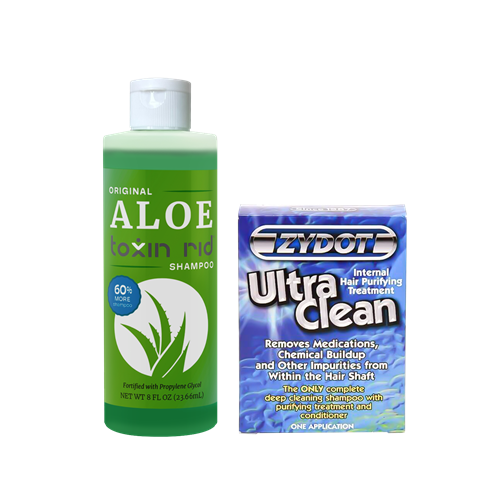
Detox shampoos claim to remove drug traces from hair. Some users swear by them, but labs use deep cleaning methods. These shampoos only clean surface dirt. They cannot reach the inner hair cortex where drug metabolites reside. Using detox shampoo alone rarely changes test results.
Vinegar And Home Remedies
Home remedies like vinegar, lemon juice, or baking soda are popular. People think these acids can wash out drug residues. While acids can alter hair’s surface, they do not remove drug molecules inside. These methods may even damage hair, raising suspicion. They do not guarantee passing a hair follicle test.
Frequent Hair Washing
Washing hair frequently may seem helpful. It removes oils and dirt from the scalp. But washing does not affect drug deposits inside the hair shaft. Hair grows slowly, and drug traces remain embedded for weeks. Frequent washing alone cannot beat the test or lower drug levels.
Credit: www.iranmedex.com
Effective Strategies To Pass
Passing a hair follicle test requires careful planning and understanding. The test detects drug use over weeks or months, so quick fixes rarely work. Certain strategies can improve the chance of passing by reducing drug traces in hair.
These methods focus on stopping drug intake, treating hair to remove residues, and being honest about medical use. Each approach has its benefits and limits. Choosing the right method depends on time and personal situation.
Abstinence Duration
The most reliable way to pass is to stop using drugs early. Hair tests show drug use from the past 90 days. Stopping drugs at least three months before the test helps clear most traces. The body naturally grows new hair without drug residues.
Shorter abstinence times increase the risk of detection. The longer without drugs, the cleaner the hair. Patience is key for this method to work well.
Professional Hair Treatments
Special hair treatments can reduce drug traces. Professionals use strong chemicals to break down drug molecules in hair shafts. These treatments include bleaching, detox shampoos, and deep cleansing.
Multiple sessions may be needed for better results. Harsh chemicals can damage hair but may remove enough drug residue. Treatments should be done carefully to avoid scalp harm.
Disclosure To Medical Review Officer
Honesty about prescription drugs or medical conditions is important. Informing the Medical Review Officer (MRO) can prevent false positives. Some medications cause test interference or show up as drugs.
Providing proof like prescriptions helps the MRO interpret results correctly. Clear communication may avoid test failure due to legal drug use.
Risks Of Attempting To Cheat
Trying to cheat a hair follicle test carries serious risks. These tests are designed to detect drug use over a long period. Attempts to alter or tamper with samples can lead to detection. Such actions may bring legal troubles and job loss. Understanding the dangers helps to make safer choices.
Test Tampering Detection
Labs use strict methods to spot tampering. They check for unusual chemicals or damage to hair. Extreme bleaching or dyeing can raise suspicion. Samples may be rejected if altered. Testing centers often retest suspicious samples. This increases the chance of failing the test.
Legal And Employment Consequences
Cheating a drug test can lead to legal penalties. Some places treat tampering as a criminal offense. Employers may fire workers who cheat tests. Job offers can be withdrawn for failed tests. Records of cheating can hurt future job chances. Honesty remains the safest approach to drug testing.
Alternative Testing Methods
Testing labs may use other methods beyond hair tests. Urine and blood tests detect recent drug use. Saliva tests provide quick results on-site. Some employers combine tests for accuracy. Cheating one test might not prevent detection. Multiple testing types increase the risk of failure.
Frequently Asked Questions
Does Peroxide Remove Drugs From Hair?
Hydrogen peroxide can reduce drug traces by damaging hair, but it does not fully remove drugs from hair follicles. Labs detect treatments.
How To Pass A Hair Follicle Test Asap?
Abstain from drug use to ensure a clean hair follicle test. Heavy bleaching or dyeing may reduce drug traces but risks damage. Shaving hair can raise suspicion. Always disclose medications to the tester. Avoid relying on detox shampoos or normal washing, as they don’t effectively remove drugs.
What Can Throw Off A Hair Follicle Drug Test?
Heavy bleaching, hair dye, certain medications, environmental exposure, and shaving hair can throw off a hair follicle drug test.
What Is The Best Detox To Pass A Hair Follicle Drug Test?
The best detox for a hair follicle drug test is abstaining from drugs and using repeated hair bleaching. Extreme treatments may damage hair but carry risks. No shampoo or quick fix guarantees success. Honesty and informing the lab about medications helps avoid false results.
Conclusion
Beating a hair follicle test is challenging but not impossible. Chemical treatments like bleaching may reduce drug traces. Shaving hair can delay testing but may raise suspicion. Some medications and environmental factors affect results too. Remember, abstaining from drug use remains the safest choice.
Always weigh risks before trying any method. Stay informed and choose wisely for your situation.
As an Amazon Associate, I earn from qualifying purchases.
Lovingshe is a participant in the Amazon Services LLC Associates Program which is an affiliate advertising program designed to provide a means for sites to earn advertising fees by advertising and linking to Amazon.com. Amazon may use cookies to track referrals from our site. Visit Amazon’s privacy policy for details
