


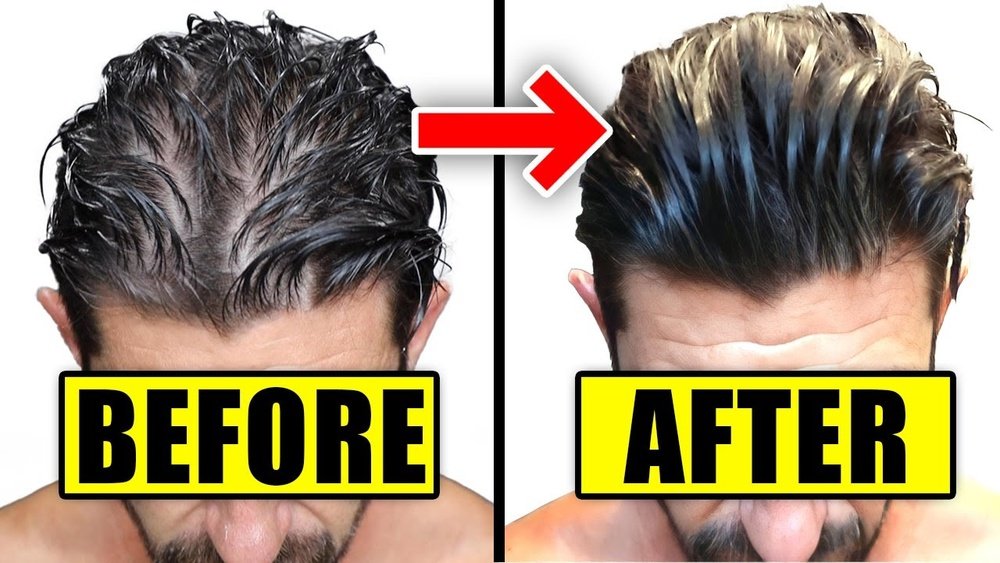
Are you tired of your hair looking thin and lifeless? You’re not alone, and the good news is, you can take simple, effective steps to make your hair thicker and fuller.
Imagine running your fingers through hair that feels stronger, healthier, and has real volume. This isn’t just a dream—it’s possible with the right care, diet, and habits. You’ll discover easy-to-follow tips and natural methods to boost your hair’s thickness. Ready to transform your hair and regain that confident look?
Keep reading, because your journey to thicker hair starts right here.
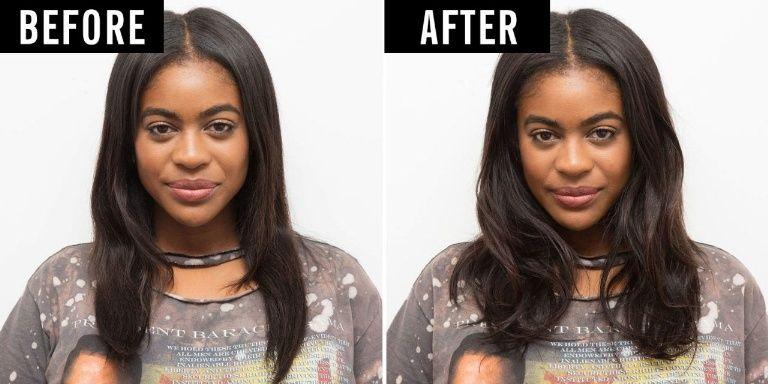
Credit: www.cosmopolitanme.com
Diet And Nutrition
Diet and nutrition play a vital role in making hair thicker. Hair needs the right nutrients to grow strong and full. Eating well nourishes hair follicles and supports healthy growth from within. Focus on foods that provide essential building blocks for hair strands.
Protein-rich Foods
Hair is mostly made of protein called keratin. Eating protein-rich foods helps strengthen hair. Include eggs, chicken, fish, beans, and nuts in meals. These foods supply amino acids needed for hair repair and growth. Without enough protein, hair can become weak and thin.
Essential Vitamins And Minerals
Vitamins and minerals support hair health and thickness. Vitamin A, C, D, and E boost scalp health and hair growth. Iron and zinc help prevent hair loss. Biotin is well known for improving hair strength. Eat colorful fruits and vegetables for these nutrients.
Hydration Tips
Water keeps hair hydrated and prevents dryness. Drink plenty of water every day. Proper hydration helps maintain a healthy scalp. A healthy scalp creates a better environment for hair growth. Avoid sugary drinks that can dehydrate the body.
Supplement Options
Supplements can fill gaps in your diet for hair health. Biotin and Vitamin D supplements often support thicker hair. Consult a doctor before starting any supplements. Avoid taking more than the recommended dose. Supplements work best with a balanced diet.
Hair Care Tips
Good hair care can help your hair look thicker and healthier. Simple daily habits protect hair and encourage growth. Avoid harsh treatments that damage strands. Use gentle routines to keep hair strong and full.
Choosing Gentle Products
Select shampoos and conditioners without sulfates or harsh chemicals. These ingredients can strip natural oils and cause dryness. Choose products labeled for volume or strengthening. Lightweight conditioners help avoid weighing hair down.
Limiting Heat Exposure
Heat styling tools can damage hair and make it thin. Cut down on blow dryers, straighteners, and curling irons. Use a heat protectant spray if styling is necessary. Air drying is the safest option to keep hair healthy.
Proper Brushing Techniques
Brush hair gently to avoid breakage. Use a wide-tooth comb on wet hair to prevent pulling. Start detangling from the ends and work upward. Avoid over-brushing, which can cause hair loss.
Regular Trims
Trim hair every 6 to 8 weeks to remove split ends. Split ends cause hair to look thin and frizzy. Regular trims keep hair looking fuller and prevent damage from spreading. Healthy ends support thicker hair appearance.
Avoiding Tight Hairstyles
Tight ponytails, braids, or buns pull on hair roots. This tension can cause hair breakage and loss over time. Opt for loose styles that do not stress hair follicles. Change hairstyles often to reduce strain.
Natural Treatments
Natural treatments offer gentle and effective ways to make your hair thicker. These methods focus on nourishing your scalp and hair strands without harsh chemicals. Using ingredients from your kitchen or garden can stimulate growth and improve hair texture. Consistency is key to see visible results over time.
Scalp Massages
Scalp massages increase blood flow to hair follicles. Improved circulation helps deliver nutrients to roots. Use your fingertips to gently rub your scalp in circular motions. Spend about 5 to 10 minutes daily. This simple habit supports stronger, thicker hair growth naturally.
Homemade Hair Masks
Homemade hair masks provide deep nourishment and moisture. Ingredients like eggs, yogurt, and honey add protein and vitamins. Apply the mask evenly and leave it on for 20 to 30 minutes. Rinse with lukewarm water for soft, fuller hair. Use once a week for best effects.
Using Aloe Vera And Rosemary
Aloe vera soothes the scalp and reduces dandruff. It also moisturizes hair strands to prevent breakage. Rosemary oil stimulates hair growth and adds shine. Mix aloe vera gel with a few drops of rosemary oil. Massage into your scalp and leave for 30 minutes before washing.
Benefits Of Castor And Coconut Oil
Castor oil is rich in fatty acids that strengthen hair roots. Coconut oil penetrates deeply to reduce protein loss. Both oils hydrate and protect hair from damage. Warm the oils slightly and massage into your scalp. Leave on for a few hours or overnight before washing. Use twice a week for thicker hair.
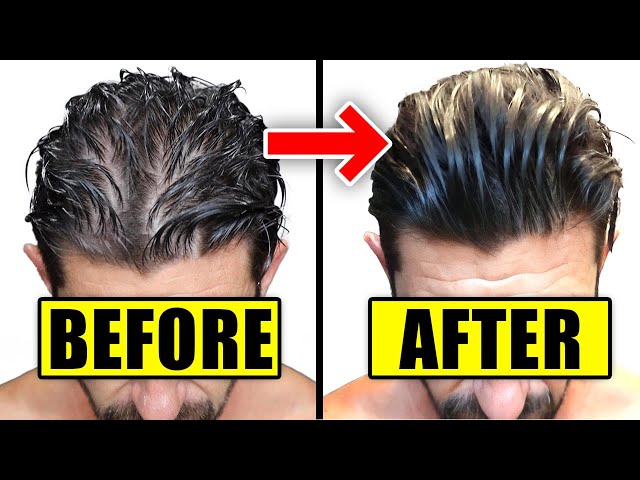
Credit: www.youtube.com
Lifestyle Changes
Changing daily habits can improve hair thickness naturally. Lifestyle adjustments support healthy hair growth and scalp condition. These changes help nourish hair from the inside out. Focus on reducing stress, increasing blood flow, and improving sleep quality. Each factor plays a key role in stronger, thicker hair.
Stress Management Techniques
High stress levels harm hair growth cycles. Stress causes hair to enter a resting phase early. This leads to thinning and hair loss. Practice relaxation methods like deep breathing or meditation. Yoga and mindfulness can calm the mind and body. Reducing stress helps hair follicles stay active longer.
Exercise And Circulation
Regular physical activity boosts blood flow throughout the body. Improved circulation delivers oxygen and nutrients to hair roots. This encourages healthier, thicker hair growth. Aim for 30 minutes of moderate exercise daily. Walking, jogging, or cycling are great options. Exercise also reduces stress, benefiting hair health further.
Sleep And Hair Health
Good sleep repairs the body and supports hair growth. Poor sleep disrupts hormone levels that control hair cycles. Adults should get 7 to 9 hours of sleep each night. Create a calm bedtime routine to improve sleep quality. Avoid screens and caffeine before bed. Well-rested hair grows stronger and thicker over time.
Common Causes Of Thin Hair
Thin hair can result from several factors. Understanding these causes helps in choosing the right approach to make hair thicker. Some reasons are natural, while others may need medical attention. Here are the common causes of thin hair.
Genetics And Hormones
Genetics play a major role in hair thickness. If family members have thin hair, it may pass down to you. Hormones also affect hair growth and thickness. Changes in hormone levels during pregnancy, menopause, or thyroid issues can thin hair. Androgenic alopecia, a hormone-related condition, causes hair to thin gradually.
Medical Conditions
Certain illnesses impact hair health. Conditions like thyroid disorders, anemia, and autoimmune diseases can cause hair thinning. Some infections and scalp conditions also weaken hair follicles. Medication side effects may lead to hair loss. Identifying and treating these conditions can improve hair thickness.
Aging Effects
Aging naturally causes hair to thin. Hair follicles shrink and produce thinner strands over time. Growth slows, and hair may fall out more easily. This process is normal but can be slowed with proper care. Healthy habits help maintain hair thickness as you age.

Credit: roxiecosmetics.co.uk
Frequently Asked Questions
How Can I Make My Hair Thick Naturally?
Eat a balanced diet rich in protein, biotin, and vitamins. Massage your scalp regularly to boost circulation. Use gentle, sulfate-free shampoos and avoid heat styling. Apply natural oils like castor or aloe vera. Trim split ends often and manage stress for healthier, thicker hair growth.
Why Is My Hair Getting Thin?
Hair thins due to genetics, hormonal changes, poor nutrition, stress, or harsh hair care. Strengthen hair with a healthy diet, gentle care, and scalp massages.
Can You Make Thin Hair Thick Again?
Yes, you can make thin hair thicker by eating nutrient-rich foods, using gentle hair care, massaging your scalp, and reducing stress. Regular trims and natural treatments like aloe vera or castor oil also promote fuller, healthier hair growth over time.
How To Get Thick Hair In 7 Days?
Eat protein-rich foods and vitamins daily. Massage your scalp to boost circulation. Use gentle, sulfate-free shampoos. Avoid heat styling and tight hairstyles. Apply natural oils like castor or aloe vera. Stay hydrated and reduce stress. Trim split ends regularly for healthier, thicker hair growth.
Conclusion
Thicker hair takes time and care to develop. Eat nutritious foods and drink enough water daily. Use gentle shampoos and avoid excessive heat styling. Massage your scalp regularly to boost blood flow. Trim split ends often to keep hair healthy.
Natural treatments like aloe vera and castor oil help nourish hair. Manage stress through relaxation and exercise to support growth. Stay consistent with these habits for the best results. Healthy, thicker hair is possible with patience and good routines.
As an Amazon Associate, I earn from qualifying purchases.
Lovingshe is a participant in the Amazon Services LLC Associates Program which is an affiliate advertising program designed to provide a means for sites to earn advertising fees by advertising and linking to Amazon.com. Amazon may use cookies to track referrals from our site. Visit Amazon’s privacy policy for details
