


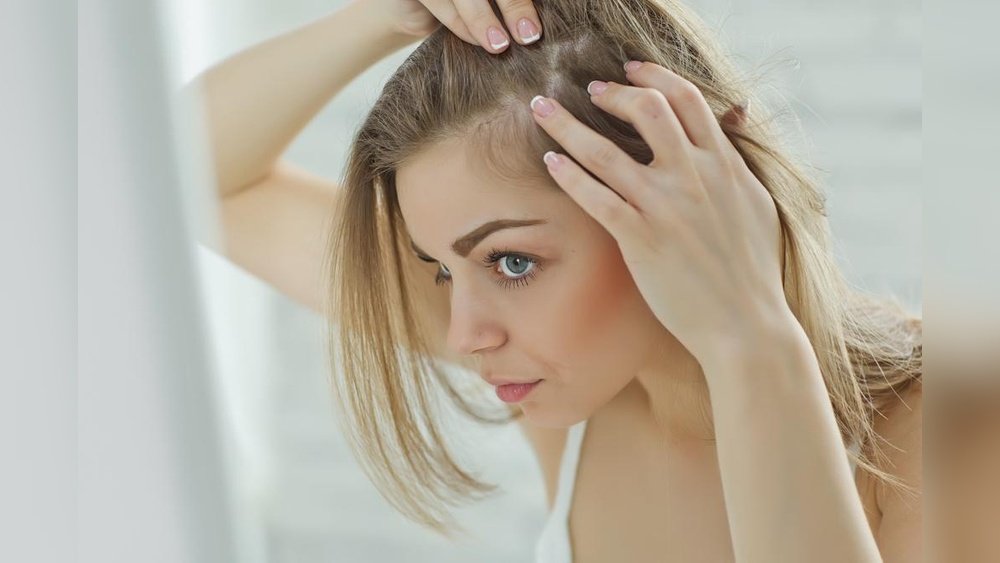
Are you worried that Wellbutrin might be causing your hair to thin or fall out? Hair loss is a distressing experience, especially when it happens unexpectedly.
If you’ve recently started taking Wellbutrin and noticed changes in your hair, you’re not alone—and it’s natural to want answers. Does this medication really cause hair loss? How common is it, and what can you do if it happens to you?
You’ll discover the facts about Wellbutrin and hair loss, what type of shedding you might experience, and practical steps to manage or prevent it. Keep reading to take control of your hair health while staying on track with your treatment.

Credit: xyonhealth.com
Wellbutrin And Hair Loss
Wellbutrin is a common medication for depression and other mood disorders. Many patients worry about side effects, including hair loss. Understanding the connection between Wellbutrin and hair loss helps manage expectations and seek proper care.
How Common Is Hair Loss With Wellbutrin?
Hair loss from Wellbutrin is rare. Most people do not experience it. When it happens, it usually appears as telogen effluvium. This means hair sheds more than usual but is temporary. Hair often grows back after stopping or adjusting the medication.
Why Does Wellbutrin Cause Hair Loss?
Wellbutrin may disrupt the hair growth cycle. It can push hair into a resting phase, leading to shedding. The exact reason is unclear. Stress from illness or other factors may also play a role. This kind of hair loss is not permanent.
How Does Wellbutrin Hair Loss Compare To Other Antidepressants?
Research shows Wellbutrin has a higher risk of hair loss than many SSRIs. Drugs like fluoxetine and sertraline tend to cause less hair shedding. Paroxetine carries the lowest risk among them. Still, hair loss remains an uncommon side effect across all.
Inform your doctor immediately about any hair loss. They can check for other causes like diet or thyroid issues. Do not stop Wellbutrin on your own. Sudden stopping may cause withdrawal symptoms. Your doctor may adjust the dose or suggest alternatives.
How Common Is Hair Loss
Hair loss linked to Wellbutrin is rare but possible. It usually causes temporary shedding called telogen effluvium. Most people see hair regrowth after stopping the medication or adjusting the dose.
Hair loss related to Wellbutrin use is relatively uncommon. It does not happen to most people taking this medication. When it does occur, it usually involves a type called telogen effluvium. This means hair sheds more than usual but often returns to normal after some time.
Studies show Wellbutrin carries a higher chance of causing hair loss than some other antidepressants. Still, the overall risk remains low for most users. Many patients do not experience any hair thinning or shedding at all.
Key Facts About Wellbutrin Hair Loss
- Rarity: Hair loss from Wellbutrin is rare but possible.
- Type: Usually telogen effluvium, a temporary shedding phase.
- Reversibility: Hair loss often stops or reverses after stopping the drug or adapting to it.
- Comparison: Bupropion has a higher hair loss risk than many SSRIs but less than some others.
What To Do If You Experience Hair Loss
- Consult Your Doctor: Report hair loss to rule out other causes like stress or diet.
- Don’t Stop Abruptly: Never stop Wellbutrin suddenly; talk to your doctor first.
- Follow Medical Advice: Your doctor may adjust your dose or suggest alternatives.
Type Of Hair Loss Linked To Wellbutrin
Hair loss linked to Wellbutrin is mainly a type called telogen effluvium. This condition causes hair to shed more than usual. It happens because hair follicles enter a resting phase prematurely. Unlike permanent hair loss, this type usually reverses after some time. Understanding telogen effluvium helps clarify how Wellbutrin affects hair growth.
Telogen Effluvium Explained
Telogen effluvium is a common cause of temporary hair loss. It occurs when more hairs than normal shift into the resting phase. These hairs fall out weeks or months later. Stress, illness, and certain medications can trigger this condition. Wellbutrin may cause telogen effluvium in some people.
This type of hair loss does not destroy hair follicles. Hair often regrows once the trigger stops. The shedding can be sudden and noticeable. It affects the scalp evenly, not in patches. Patients usually see thinning rather than bald spots.
Doctors often suggest monitoring hair changes during Wellbutrin treatment. If hair loss becomes severe, they may adjust the medication. Most cases improve without stopping the drug. Patience and proper care support hair regrowth in telogen effluvium.
Risk Compared To Other Antidepressants
Understanding the risk of hair loss with Wellbutrin compared to other antidepressants helps in making informed choices. Hair loss is a known side effect for some antidepressants, but the likelihood varies by medication type. Patients often worry about this issue before starting or switching drugs.
Wellbutrin, also called bupropion, has a different risk profile than many common antidepressants. Research shows it may cause hair loss more frequently than selective serotonin reuptake inhibitors (SSRIs) or serotonin-norepinephrine reuptake inhibitors (SNRIs). Still, this side effect is not very common for most users.
Hair Loss Risk Of Wellbutrin
Studies report that Wellbutrin carries a higher chance of hair thinning or shedding. This usually appears as telogen effluvium, a temporary hair loss type. The condition often reverses after stopping the drug or adjusting the dose.
Hair Loss Risk Of Ssris
SSRIs, such as fluoxetine and sertraline, have a lower risk of causing hair loss. These drugs affect serotonin levels and generally have fewer reports of hair shedding. Hair loss cases are rare and tend to be mild.
Hair Loss Risk Of Snris
SNRIs like venlafaxine and duloxetine show a moderate risk of hair loss. The effect varies by individual but is less common than with Wellbutrin. Most patients do not experience significant hair changes.
Hair Loss Risk Of Paroxetine
Paroxetine is noted for having the lowest risk of hair loss among antidepressants. It is often preferred for patients concerned about this side effect. Reports of hair thinning with paroxetine are very uncommon.
Symptoms To Watch For
Noticing hair loss while taking Wellbutrin can be concerning. Recognizing early symptoms helps address the issue quickly. Hair loss from medication usually shows specific signs. Watch for these symptoms to understand if Wellbutrin might be the cause.
Increased Hair Shedding
One common symptom is more hair falling out than usual. You may see extra hair on your pillow, in the shower drain, or on your brush. This shedding often starts gradually but becomes more noticeable over weeks.
Thinning Hair
Your hair may feel thinner or look less full. The scalp might become more visible, especially near the front or crown. Thinning usually affects the entire scalp, not just small patches.
Changes In Hair Texture
Hair may become dry, brittle, or fragile. It might break easily when brushing or styling. These texture changes can make hair appear unhealthy and uneven.
Patchy Hair Loss
Rarely, hair loss appears in small, round patches. This pattern is less common with Wellbutrin but still possible. Patchy loss may indicate another condition that needs medical attention.
When Hair Loss Usually Starts
Hair loss linked to Wellbutrin usually starts within weeks to a few months after beginning treatment. This shedding often happens during the hair’s resting phase and is generally temporary. Most people see improvement once their body adjusts or they stop the medication.
Hair loss linked to Wellbutrin often begins weeks after starting the medication.
Most people notice shedding around 2 to 3 months into treatment.
This timing matches the hair growth cycle, specifically the telogen phase.
Hair follicles enter a resting phase and shed hair after a delay.
Some may see hair thinning as early as one month, but this is less common.
The shedding usually is temporary and stops as the body adjusts.
Monitoring hair changes during the first three months helps identify any issues early.
Consult your doctor if hair loss continues beyond this period or worsens.
Duration And Reversibility
Hair loss from Wellbutrin usually lasts a short time and often stops after the body adjusts. Stopping the medication can help hair grow back, but always consult a doctor before making changes. Most cases are temporary and reversible.
Duration Of Hair Loss From Wellbutrin
Hair loss linked to Wellbutrin usually begins within weeks to a few months. It often happens as telogen effluvium, a common type of temporary shedding. This condition causes hair to enter a resting phase prematurely, leading to noticeable thinning.
The shedding can last several weeks. In many cases, it stops once the body adjusts to the medication. Some people may see hair loss continue longer, especially if the dosage changes or treatment extends.
Reversibility Of Hair Loss
Hair loss caused by Wellbutrin is generally reversible. Stopping the medication or changing the dose often helps hair to regrow. The follicles are usually not permanently damaged.
It may take a few months after stopping Wellbutrin for hair to return to normal. Patience is important during this regrowth phase. Consulting a healthcare provider can help manage symptoms and support recovery.
Factors Affecting Duration And Reversibility
Individual response varies. Age, overall health, and other medications influence how long hair loss lasts. Stress, diet, and thyroid problems can also affect hair health.
Doctors recommend not stopping Wellbutrin abruptly. A gradual change under medical supervision reduces risks and helps monitor hair changes closely.

Credit: www.reddit.com
Possible Causes Behind Hair Loss
Hair loss can be distressing, especially when it occurs after starting a new medication like Wellbutrin. Understanding the possible causes behind hair loss helps to identify if Wellbutrin is the main factor or if other elements play a role. Hair loss often results from different triggers affecting the hair growth cycle.
These causes can be temporary or long-term. Some reasons relate to the drug itself, while others involve your body’s response to medication or lifestyle changes. Knowing the cause helps in managing and treating hair loss effectively.
Telogen Effluvium And Medication
Telogen effluvium is a common type of hair loss linked to medications. It happens when hair follicles enter a resting phase prematurely, causing more hairs to fall out. Wellbutrin can sometimes trigger this condition, leading to noticeable shedding.
This hair loss is usually temporary. The hair often regrows once the body adjusts or medication stops. It is not a sign of permanent damage to the scalp or follicles.
Stress And Hormonal Changes
Starting Wellbutrin might cause stress or hormonal shifts in some people. Stress affects the hair growth cycle and can lead to shedding. Hormonal changes can also disrupt the normal hair growth rhythm, causing thinning or loss.
These effects may not be directly due to the drug but linked to the body’s reaction to treatment or mental health changes.
Nutritional Deficiencies
Some people experience changes in appetite or diet while on Wellbutrin. Poor nutrition can cause hair loss by depriving follicles of essential vitamins and minerals. Deficiencies in iron, biotin, and zinc are common contributors to hair thinning.
Maintaining a balanced diet supports healthy hair growth and reduces the risk of shedding related to nutrition.
Underlying Health Conditions
Hair loss might result from conditions unrelated to Wellbutrin. Thyroid problems, scalp infections, or autoimmune diseases can cause hair shedding. A doctor can check for these issues to rule out other causes.
Identifying underlying health problems ensures proper treatment and helps prevent unnecessary medication changes.
Nutritional Support For Hair Health
Proper nutrition plays a vital role in maintaining healthy hair. Hair loss linked to medications like Wellbutrin can sometimes be eased by supporting your body with essential nutrients. A balanced diet rich in vitamins and minerals strengthens hair follicles and promotes growth. Nourishing your scalp from within helps reduce hair thinning and shedding. Understanding which nutrients and foods benefit hair can guide your daily choices for better hair health.
Vitamins And Minerals To Include
Vitamin D supports hair follicle cycling and growth. Vitamin E acts as an antioxidant protecting hair cells. B-complex vitamins, especially biotin, improve hair strength and shine. Iron prevents hair thinning caused by deficiency. Zinc helps repair hair tissue and keeps oil glands working properly. Omega-3 fatty acids nourish hair and reduce inflammation on the scalp. Including these nutrients in your diet supports healthier hair growth and resilience.
Foods Beneficial For Hair Growth
Salmon and mackerel are rich in omega-3 fatty acids and vitamin D. Spinach provides iron, vitamin A, and C, which aid scalp health. Eggs supply biotin and protein, key for hair structure. Nuts like almonds and walnuts offer vitamin E and zinc. Sweet potatoes contain beta-carotene, which converts to vitamin A for hair cell production. Beans and lentils are excellent sources of protein and iron. Eating these foods regularly helps maintain strong and vibrant hair.
Hair Care Tips To Minimize Shedding
Managing hair shedding while taking Wellbutrin can feel challenging. Simple hair care habits help reduce extra hair loss. These tips protect hair and support healthy growth. Focus on gentle care and avoiding damage to keep hair strong and minimize shedding.
Choosing Gentle Products
Select shampoos and conditioners made for sensitive scalps. Avoid harsh chemicals like sulfates and parabens. These ingredients can dry out hair and scalp. Use mild, moisturizing formulas to keep hair soft. Look for products with natural oils and vitamins. These nourish hair and reduce breakage. Wash hair with lukewarm water, not hot. Hot water strips natural oils and causes dryness.
Avoiding Hair Damage
Limit heat styling tools such as blow dryers, straighteners, and curling irons. Heat weakens hair shafts and causes breakage. Let hair air dry whenever possible. Use a wide-tooth comb to detangle hair gently. Avoid tight hairstyles like ponytails or braids that pull on hair. Protect hair from sun exposure by wearing hats or scarves. Trim hair regularly to prevent split ends. Healthy ends reduce overall shedding and promote growth.
Steps To Take If You Notice Hair Loss
Noticing hair loss while taking Wellbutrin can be unsettling. Taking the right steps early helps manage the situation effectively. Acting quickly can reduce stress and prevent further hair loss. This section outlines important actions to consider.
Consulting Your Doctor
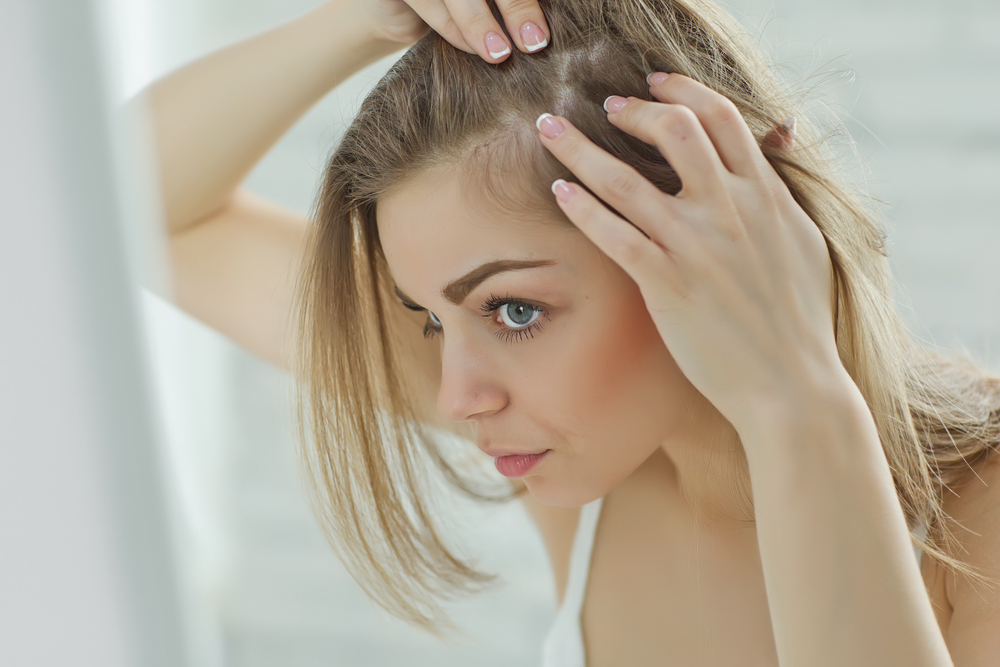
Speak with your doctor as soon as you notice hair loss. A healthcare provider can identify if Wellbutrin is the cause or if other factors play a role. They may check for stress, diet problems, or thyroid issues. Your doctor can suggest treatment changes or solutions to protect your hair. Never ignore hair loss without professional advice.
Avoiding Abrupt Medication Changes
Do not stop taking Wellbutrin suddenly. Abruptly stopping can cause withdrawal symptoms and worsen your health. Always discuss any changes with your doctor first. They can adjust your dose safely or recommend alternative medications. Gradual changes reduce risks and help your body adjust smoothly.
Credit: www.helloklarity.com
Adjusting Treatment To Manage Hair Loss
Adjusting treatment plays a key role in managing hair loss caused by Wellbutrin. Changes in medication or dosage can reduce this side effect while keeping depression under control. Always consult your doctor before making changes to your treatment plan.
Dose Reduction Options
Lowering the dose of Wellbutrin might help reduce hair loss. A smaller dose can lessen side effects without losing effectiveness. Your doctor will find the right balance for your needs. Never reduce your dose without medical advice, as this can cause withdrawal symptoms.
Switching Medications
Switching to a different antidepressant may stop hair loss. Some medications have lower risks of causing hair shedding. Your doctor can suggest alternatives like SSRIs or SNRIs with fewer side effects. Changing medication requires careful monitoring to ensure your mental health stays stable.
How Hair Regrowth Progresses
Hair regrowth after Wellbutrin-related hair loss occurs in stages. Understanding these stages helps set realistic expectations. Hair grows slowly, so patience is key during recovery.
The process starts once the hair follicles exit the resting phase. New hair begins to form at the follicle base. This new growth replaces shed hair over time.
The Shedding Phase Ends
Hair loss from Wellbutrin usually involves telogen effluvium. In this phase, hair follicles enter a resting state and shed strands. After stopping or adjusting medication, this shedding slows down. The scalp starts to stabilize.
New Hair Emerges
After shedding ends, new hair starts to grow from follicles. Initially, the new hair may be thin and soft. It grows slowly but steadily. Over weeks, the hair thickens and gains strength.
Hair Thickens And Strengthens
As new hair grows, it becomes stronger and fuller. The scalp regains its natural look. Healthy hair texture returns with proper care and nutrition. This phase can last several months.
Full Hair Density Returns
Complete hair regrowth can take six months or more. Most people see significant improvement by this time. Continuing a healthy lifestyle supports hair health. Consulting a doctor ensures proper treatment and advice.
Frequently Asked Questions
How Common Is Wellbutrin Hair Loss?
Wellbutrin hair loss is uncommon but possible, often causing temporary telogen effluvium. Hair usually regrows after stopping or adjusting the medication. Consult your doctor if you notice hair thinning.
How To Prevent Hair Loss While Taking Wellbutrin?
Maintain a balanced diet rich in biotin and iron. Use gentle hair care products. Consult your doctor before adjusting Wellbutrin dosage. Avoid abrupt medication stops. Monitor hair changes regularly to manage potential loss effectively.
How Long After Stopping Wellbutrin Does Hair Grow Back?
Hair typically grows back within six months after stopping Wellbutrin. Hair loss from Wellbutrin is usually temporary and reversible. Consult your doctor before changing or stopping medication for safe management and better hair regrowth outcomes.
How Do You Know If Your Hair Is Falling Out From Medication?
Notice increased shedding, thinning patches, or more hair on your brush or pillow. Track timing with medication start. Consult your doctor to confirm causes and explore alternatives.
Conclusion
Wellbutrin can cause hair loss, but it is rare. Usually, hair loss is temporary and stops after some time. The condition often improves once your body adjusts or you change medication. Talk to your doctor if you notice unusual hair shedding.
They can check for other causes and suggest the best steps. Never stop Wellbutrin suddenly without medical advice. Eating well and gentle hair care may help reduce hair loss. Staying informed and working with your doctor leads to better results.
As an Amazon Associate, I earn from qualifying purchases.
Lovingshe is a participant in the Amazon Services LLC Associates Program which is an affiliate advertising program designed to provide a means for sites to earn advertising fees by advertising and linking to Amazon.com. Amazon may use cookies to track referrals from our site. Visit Amazon’s privacy policy for details
