


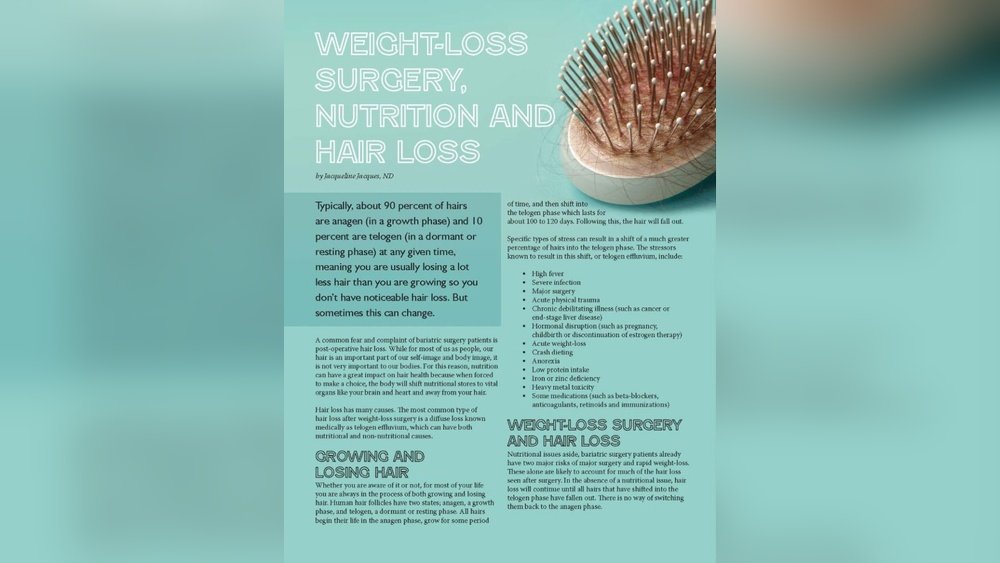
Are you losing weight but worried about losing your hair too? You’re not alone.
Many people notice their hair thinning or shedding after dropping pounds, and it can be alarming. You might be asking yourself, “Does weight loss cause hair loss? ” The answer isn’t always straightforward, but understanding what happens to your body during weight loss can help you protect your hair.
You’ll learn why hair loss can happen when you lose weight, what to expect, and most importantly, how to keep your hair healthy while you reach your goals. Keep reading to discover simple, effective ways to prevent hair loss and support regrowth—because your journey to a healthier body shouldn’t cost you your confidence.

Credit: www.hairdoctors.com.au
Hair Loss And Weight Loss
Many people notice hair thinning or shedding after losing weight. This link causes concern and questions. Hair loss after weight loss is common. It happens because the body goes through stress and changes during this period.
Understanding why hair falls out and how it looks helps manage expectations. Knowing what to watch for can guide you to proper care and recovery.
Why Weight Loss Triggers Hair Loss
Rapid weight loss shocks the body. It disrupts the normal hair growth cycle. The body shifts to a resting phase for many hair follicles. This shift causes more hair to shed than usual.
Lack of key nutrients plays a big role. Diets low in protein, iron, and vitamins weaken hair roots. The body prioritizes vital organs over hair growth during scarcity. Stress from dieting or exercise adds to the problem.
These factors combined cause a condition called telogen effluvium. Hair loss usually starts two to three months after weight loss begins. It affects many people but is often temporary.
Common Hair Loss Patterns After Weight Loss
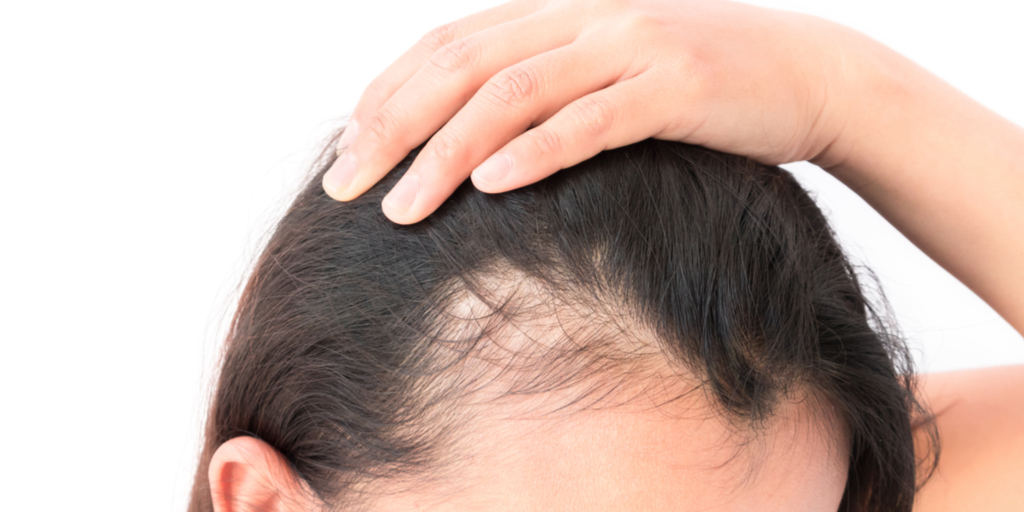
Hair thinning often appears evenly across the scalp. The hairline rarely recedes in this type of loss. Small clumps of hair may fall out during brushing or washing.
Shedding can last for several months. After this phase, hair often regrows with proper care. Some notice hair becomes finer or dull before regrowth starts.
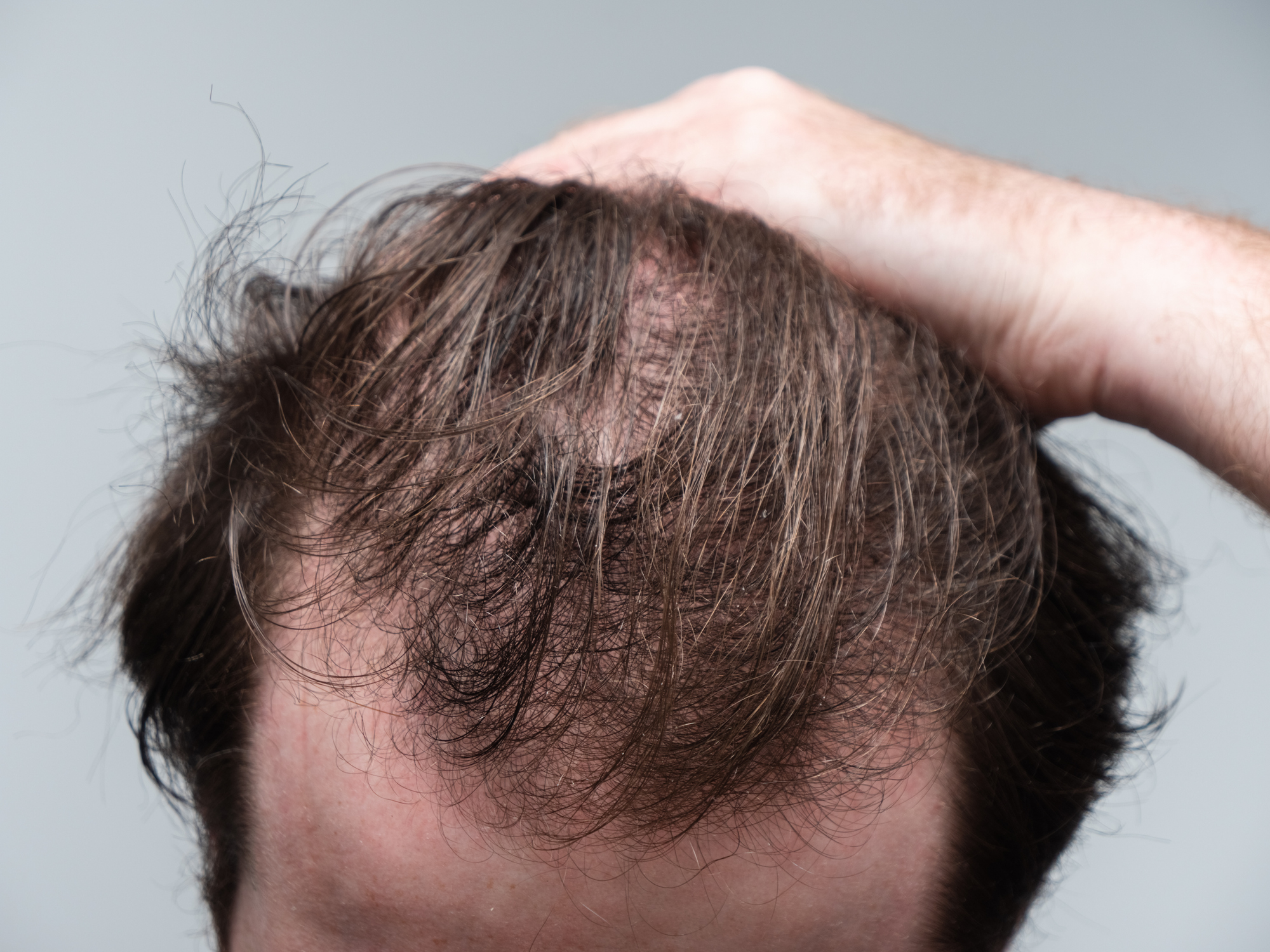
In rare cases, hair loss may be patchy or severe. This pattern requires medical advice to rule out other causes.
Timeline Of Hair Loss Recovery
The timeline of hair loss recovery after weight loss varies by person. Hair follicles react to changes in the body with a delay. This means hair shedding may start weeks after weight loss begins. Understanding the timeline helps set realistic expectations.
Recovery depends on nutrition, stress levels, and overall health. Patience is key. Hair growth happens in stages, and visible improvement takes time.
When Shedding Begins
Shedding usually starts 1 to 3 months after rapid weight loss. This happens because hair enters a resting phase called telogen. During this phase, old hairs fall out to make room for new ones. This shedding can be alarming but is often temporary.
Regrowth Milestones
Regrowth often begins around 3 to 6 months after shedding starts. New hairs may appear thin and soft at first. Over time, these hairs thicken and strengthen. Proper nutrition supports healthy regrowth during this phase.
Return To Normal Thickness
Hair usually returns to its normal thickness after 6 to 12 months. Full recovery depends on maintaining a balanced diet and good hair care habits. Some people may notice slower progress, but most see improvement within a year.
Nutritional Impact On Hair
Nutrition plays a vital role in maintaining strong and healthy hair. During weight loss, the body may lack key nutrients. This shortage can affect hair growth and strength. Understanding how nutrition impacts hair helps prevent hair loss.
Eating the right foods supports hair follicles and promotes vitality. Balancing proteins, vitamins, minerals, and water intake is essential. Each nutrient contributes differently to hair health and resilience.
Protein’s Role In Hair Health
Hair is mostly made of a protein called keratin. Protein supports the structure and growth of hair strands. Low protein intake during weight loss can weaken hair. This may cause thinning or shedding. Include lean meats, eggs, beans, and nuts in your diet. These foods provide the protein needed to keep hair strong and thick.
Key Vitamins And Minerals To Include
Vitamins and minerals nourish hair follicles and promote growth. Iron helps carry oxygen to hair cells. Zinc supports hair repair and growth. Vitamin C aids iron absorption and protects hair from damage. Biotin strengthens hair and reduces breakage. Vitamin D may stimulate new hair growth. Lack of these nutrients can trigger hair loss. Eat a variety of fruits, vegetables, and whole grains to get these essentials.
Hydration And Hair Vitality
Water keeps hair hydrated from inside out. Proper hydration prevents dryness and brittleness. Dehydrated hair becomes fragile and prone to breakage. Drinking enough water daily helps maintain hair shine and elasticity. Along with good nutrition, hydration supports overall hair health during weight loss.
Credit: www.olivaclinic.com
Weight Loss Strategies To Protect Hair
Protecting your hair during weight loss needs careful planning. Hair can shed if your body lacks enough nutrients or energy. Smart weight loss methods keep hair strong and healthy. Focus on steady changes and a balanced diet.
These strategies help reduce hair loss and support new growth. Follow simple steps to keep your hair thick and shiny. Avoid quick fixes that harm your hair’s health.
Avoiding Crash Diets
Crash diets cut calories too low and too fast. This sudden change shocks your body and hair. Hair follicles enter a resting phase, causing shedding. Avoid extreme calorie cuts to protect your hair’s growth cycle. Choose diets that nourish your body steadily.
Gradual Weight Loss Benefits
Slow weight loss lets your body adjust well. Hair follicles get enough time to stay active. Losing 1 to 2 pounds per week is safe. This pace reduces stress on your body and hair. Gradual loss keeps hair strong and prevents sudden shedding.
Maintaining Balanced Nutrient Intake
Your hair needs key nutrients to grow and stay healthy. Eat enough protein, iron, zinc, and vitamins daily. These nutrients support hair follicle function and repair. A balanced diet helps maintain your hair’s natural shine. Drink plenty of water to keep hair hydrated.
Lifestyle Choices For Healthy Hair
Healthy hair depends on daily habits beyond diet alone. Small lifestyle choices can protect hair and reduce shedding. Caring for your hair gently and managing stress help maintain its strength and shine. Simple routines support hair growth and improve scalp health.
Understanding these lifestyle factors can ease worries about hair loss during weight loss. Consistent care creates a foundation for stronger, fuller hair over time.
Stress Management Techniques
Stress affects hair health by disrupting the natural growth cycle. High stress levels can cause more hairs to enter the shedding phase. Managing stress lowers this risk and supports hair growth.
Try relaxation methods such as deep breathing or meditation daily. Light exercise like walking or yoga helps reduce tension. Regular sleep schedules also improve stress control and promote hair recovery.
Gentle Hair Care Practices
Avoid harsh treatments that weaken hair strands. Use mild shampoos and conditioners suited for your hair type. Limit heat styling tools and tight hairstyles that pull on the scalp.
Brush hair softly with a wide-tooth comb to prevent breakage. Pat hair dry with a towel instead of rubbing vigorously. These gentle habits protect hair from damage and reduce hair loss.
Credit: www.drugs.com
When To Consult A Doctor
Hair loss after weight loss can worry many people. Knowing when to see a doctor is important. Not all hair loss is normal or temporary. Some cases need medical advice to find the cause and get treatment.
Signs Of Severe Or Prolonged Hair Loss
Heavy hair shedding that lasts more than six months is a concern. Large clumps of hair falling out daily need attention. Noticeable bald patches or thinning that gets worse over time should be checked. Sudden or patchy hair loss is not normal. Scalp redness, itching, or pain along with hair loss also require a doctor’s visit.
Ruling Out Other Causes
Hair loss may happen from causes unrelated to weight loss. Hormone imbalances, thyroid problems, or scalp infections can cause hair fall. Some medications and illnesses also affect hair health. A doctor can do tests to find these conditions. Getting a proper diagnosis helps in choosing the right treatment. Self-diagnosis may miss hidden problems that need care.
Supplements And Hair Growth
Supplements can support hair growth during and after weight loss. Nutrient deficiencies often cause hair thinning. Supplements help fill these gaps and promote healthier hair. Choosing the right supplements matters for effective results.
Common Supplements For Hair Support
Biotin is popular for strengthening hair strands. It improves hair texture and reduces breakage. Vitamin D supports hair follicle health and growth. Iron helps carry oxygen to hair roots, preventing hair loss from anemia. Zinc promotes cell repair and growth in the scalp. Omega-3 fatty acids nourish hair and reduce inflammation. These supplements provide essential nutrients that may be low during weight loss.
Importance Of Professional Guidance
Consulting a healthcare provider before starting supplements is crucial. Some supplements can interact with medications or cause side effects. A professional can identify specific nutrient deficiencies through tests. They can recommend the right dosage and combination for your needs. Avoid self-prescribing to prevent unnecessary risks. Proper guidance ensures safe and effective support for hair growth.
Frequently Asked Questions
Will Hair Loss From Weight Loss Grow Back?
Yes, hair loss from weight loss usually grows back. Proper nutrition, hydration, and stress management support regrowth. Consult a doctor if shedding persists.
How To Prevent Hair Loss During Weight Loss?
Prevent hair loss during weight loss by losing weight gradually and eating protein-rich, nutrient-dense foods. Stay hydrated, manage stress, get enough sleep, and handle hair gently. Avoid crash diets to ensure proper nutrient intake and consult a doctor if shedding worsens or persists.
Can Losing 20 Lbs Cause Hair Loss?
Losing 20 lbs can cause temporary hair loss due to nutrient deficiencies or stress. Maintain a balanced diet with enough protein and vitamins to support hair growth. Gradual weight loss and proper care help prevent shedding. Consult a doctor if hair loss persists or worsens.
What Vitamin Am I Lacking If My Hair Is Falling Out?
Hair loss often links to a deficiency in biotin, iron, vitamin D, or vitamin B complex. These vitamins support healthy hair growth.
Conclusion
Weight loss can sometimes cause hair loss, but it is usually temporary. Hair often grows back once the body adjusts and recovers. Eating enough protein and essential vitamins helps support healthy hair growth. Staying hydrated and managing stress also play key roles.
If hair loss is severe or lasts over a year, see a doctor for advice. Taking care of your body during weight loss helps protect your hair. Patience and proper nutrition make a big difference.
As an Amazon Associate, I earn from qualifying purchases.
Lovingshe is a participant in the Amazon Services LLC Associates Program which is an affiliate advertising program designed to provide a means for sites to earn advertising fees by advertising and linking to Amazon.com. Amazon may use cookies to track referrals from our site. Visit Amazon’s privacy policy for details
