


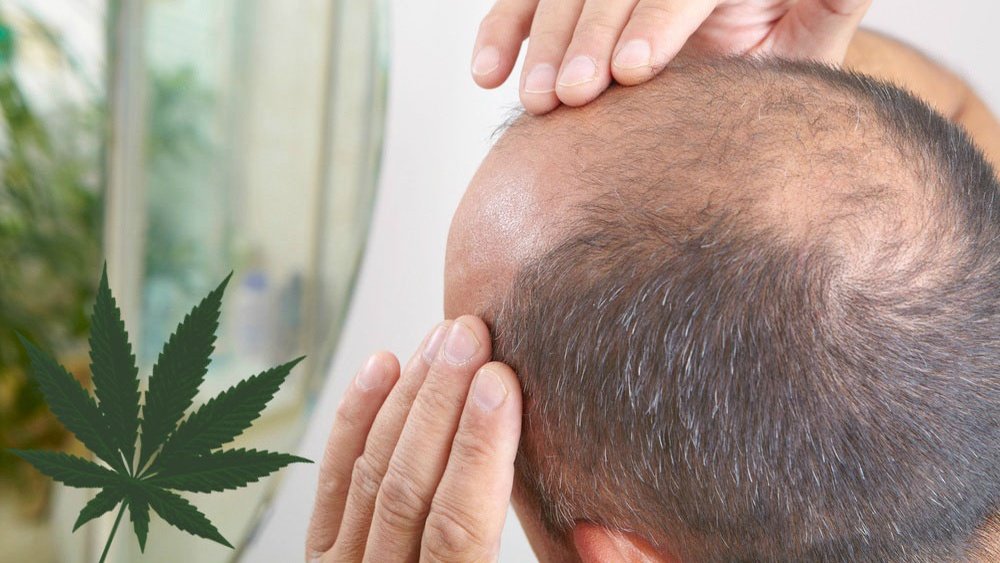
Are you worried that smoking weed might be thinning your hair or causing it to fall out? You’re not alone.
Many people wonder if their cannabis use could be harming their hair health. Hair loss can be frustrating and even embarrassing, so understanding whether weed plays a role is important for protecting your look and confidence. You’ll discover what science says about weed and hair loss, the possible reasons behind any connection, and what you can do to keep your hair strong and healthy.
Keep reading to get the clear answers you need!
Weed And Hair Loss Link
Many people wonder if weed use leads to hair loss. The connection between weed and hair loss is not fully clear. Some studies suggest that smoking weed might affect hair health indirectly. Understanding how weed impacts hair follicles helps to clarify this link.
Impact Of Smoking On Hair Follicles
Smoking weed involves inhaling smoke, which contains harmful chemicals. These chemicals can reduce blood flow to hair follicles. Poor blood flow means less oxygen and nutrients reach the follicles. This weakens hair roots and slows hair growth.
Smoke also causes inflammation in the scalp. Inflammation can damage hair follicles and cause hair to fall out. Toxins in smoke create free radicals that harm cells. This damage may lead to thinning hair and slower regrowth.
Nicotine’s Role In Hair Health
Nicotine, present in some weed products, narrows blood vessels. Narrowed vessels limit blood supply to hair follicles. This shortage starves follicles of vital nutrients. Over time, this can cause hair to become fragile and fall out.
Nicotine also disrupts hormone balance. It can increase stress hormones that affect hair growth. Hormonal imbalance often leads to hair thinning or loss. Reducing nicotine intake may improve scalp health and hair strength.

Credit: naturaltransplants.com
How Smoking Affects Hair
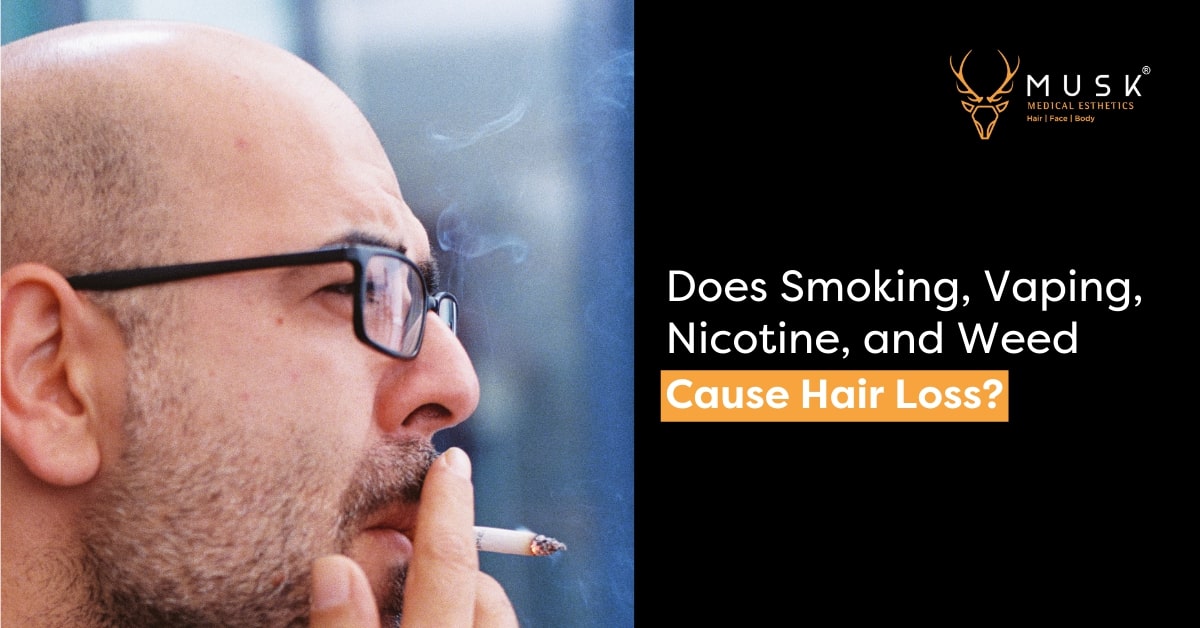
Smoking impacts hair health in many harmful ways. It damages the very roots of hair growth. The chemicals in smoke affect blood flow, cause inflammation, and alter hormone levels. These changes disturb the natural hair cycle and weaken hair strength. Understanding these effects helps explain why smoking may lead to hair loss.
Restricted Blood Flow To Follicles
Nicotine narrows blood vessels around hair follicles. This limits oxygen and nutrients reaching the roots. Without enough nourishment, follicles become weak. Weak follicles produce thinner, fragile hair. Over time, this can cause hair to fall out more easily.
Inflammation And Dna Damage
Toxins in smoke trigger inflammation in the scalp. Inflammation harms hair follicles directly. Smoke also creates free radicals that damage DNA in cells. DNA damage slows down hair growth and causes scarring. Scarring further reduces the ability of follicles to produce hair.
Hormonal Changes And Hair Cycle
Smoking affects hormone levels like testosterone and cortisol. High testosterone can shorten the hair growth phase. Cortisol, the stress hormone, also disrupts hair growth. In women, smoking lowers estrogen, which supports healthy hair. These hormonal shifts lead to faster hair thinning and loss.
Cellular Damage In Hair Cells
Chemicals from smoke build up inside hair follicles and shafts. This causes premature aging of hair cells. Damaged cells cannot support strong hair growth. Over time, the hair becomes brittle and falls out. Cellular damage contributes to overall weaker hair quality.
Men Vs Women Hair Loss Patterns
Hair loss affects men and women differently. Understanding these patterns helps explain how factors like weed use might influence hair health. Men often experience hair loss in distinct areas, while women face more spread-out thinning. These differences relate to hormones and genetics. Examining male and female hair loss reveals how external habits impact hair.
Male Pattern Baldness And Smoking
Male pattern baldness starts with receding hairlines or thinning at the crown. It is linked to genetics and hormones. Smoking worsens this condition by damaging hair follicles. Chemicals in smoke reduce blood flow to the scalp. This deprives hair roots of oxygen and nutrients. Smoking also raises testosterone and cortisol levels, speeding up hair loss. Men who smoke may see faster baldness progression.
Diffuse Thinning In Women
Women usually have diffuse thinning, which means hair thins evenly across the scalp. This pattern is less visible than male baldness but still distressing. Smoking disrupts hormone balance in women by lowering estrogen. Estrogen helps keep hair strong and healthy. Reduced estrogen causes hair to become brittle and fall out more easily. Inflammation from smoke toxins also harms hair follicles. Women who smoke often notice more hair shedding and weaker hair strands.
Credit: muskclinic.com
Reversing Hair Loss From Smoking
Reversing hair loss caused by smoking is possible with time and care. Smoking harms hair follicles and slows blood flow. This damage weakens hair and can cause thinning or shedding. Quitting smoking helps the body heal and hair to regrow healthier. Understanding the benefits of quitting and how circulation and hormones improve is key to recovery.
Benefits Of Quitting Smoking
Stopping smoking removes harmful chemicals from the body. Hair follicles get a chance to repair and grow stronger. The risk of inflammation and DNA damage in follicles decreases. Hair shedding slows down, and new hair growth begins. Skin and scalp health improve, supporting better hair quality. Quitting also boosts overall health, which helps hair growth indirectly. Many people notice thicker, fuller hair after quitting smoking.
Restoring Circulation And Hormones
Nicotine narrows blood vessels, limiting oxygen to hair roots. After quitting, blood vessels widen and improve circulation. Better blood flow delivers nutrients needed for hair growth. Hormone levels start to balance, especially testosterone and cortisol. Balanced hormones help regulate the hair growth cycle. Women may see estrogen levels rise, supporting stronger hair. These changes create an environment where hair can regrow naturally and look healthier over time.
Other Factors Influencing Hair Loss
Hair loss can result from many causes beyond marijuana use. It is important to understand these other factors. They often play a bigger role in hair thinning and shedding. Genetics, lifestyle, and environment have strong effects on hair health. Knowing these helps to see the full picture of hair loss causes.
Genetics And Family History
Genes are a major factor in hair loss. Many people inherit a tendency for thinning hair. This condition is called androgenetic alopecia or pattern baldness. It affects both men and women. Family history often predicts who will lose hair. If close relatives have hair loss, chances increase. This form of hair loss usually starts slowly and worsens over time.
Genetic hair loss cannot be fully stopped but can be managed. Treatments may slow the process and improve hair thickness. Understanding family history helps set realistic expectations about hair loss.
Lifestyle And Environmental Effects
Lifestyle choices impact hair health greatly. Poor diet, stress, and lack of sleep can cause hair to fall out. Smoking damages hair follicles and reduces blood flow to the scalp. Excessive alcohol use may also weaken hair growth. Environmental factors like pollution and harsh weather can harm hair strands and scalp.
Daily habits like washing hair too often or using strong chemicals can lead to breakage. Protecting hair from heat damage and chemical stress is important. Healthy living supports stronger, fuller hair.
Myths Vs Facts About Weed And Hair Loss
Many people wonder if weed causes hair loss. There are many stories and beliefs about this topic. Separating myths from facts helps understand the truth. This section breaks down common ideas and what science says.
Common Misconceptions
One myth says smoking weed directly causes hair loss. Another belief is that weed stops hair growth by damaging follicles. Some think that weed changes hormones and leads to baldness. Others believe that only heavy use affects hair health. Many confuse effects of smoking tobacco with weed. These ideas spread easily but lack strong proof.
Scientific Evidence Summary
Research on weed and hair loss is limited but growing. Studies show no clear link between marijuana use and hair loss. Weed contains compounds that may reduce inflammation, which might help scalp health. However, smoking anything can reduce blood flow, which is bad for hair. Hormone changes from weed are usually mild and not enough to cause hair loss. Genetics and stress remain top causes of hair loss. More research is needed to confirm any direct effects of weed.
Credit: www.veriheal.com
Frequently Asked Questions
Does Smoking Cause Hair Loss?
Yes, smoking causes hair loss by damaging follicles, reducing blood flow, causing inflammation, and disrupting hormones. Quitting helps reverse damage.
Can Smoking Weed Cause Hair Loss?
Smoking weed may indirectly contribute to hair loss by affecting hormone balance and blood flow. However, direct evidence linking weed to hair loss is limited and less conclusive than tobacco smoking.
How Does Weed Affect Hair Follicles?
Weed’s active compounds can influence hormones and stress levels, potentially impacting hair follicle health. Yet, scientific proof of weed harming hair follicles remains scarce.
Is Hair Loss From Weed Use Reversible?
If weed use affects hair growth, stopping might help restore normal hair cycles. Healthy lifestyle and scalp care support recovery, but individual results vary.
Conclusion
Weed’s link to hair loss remains unclear and needs more research. Some studies suggest smoking harms hair follicles, but weed’s effects differ. Stress and genetics play bigger roles in hair thinning. Taking care of your scalp and health matters most.
Avoid habits that may damage your hair over time. Stay informed and watch for new findings on this topic. Your hair’s health depends on many factors, not just weed use.
As an Amazon Associate, I earn from qualifying purchases.
Lovingshe is a participant in the Amazon Services LLC Associates Program which is an affiliate advertising program designed to provide a means for sites to earn advertising fees by advertising and linking to Amazon.com. Amazon may use cookies to track referrals from our site. Visit Amazon’s privacy policy for details
