


Are you wondering if waxing can actually slow down your hair growth? It’s a question many people ask before committing to this popular hair removal method.
You want smooth, hair-free skin for longer, but does waxing really help your hair grow back slower, or is it just a myth? Understanding how waxing affects your hair growth cycle can help you decide if it’s the right choice for your beauty routine.
You’ll discover the truth behind waxing and hair growth, so you can make an informed decision and enjoy the best results for your skin. Keep reading to learn what really happens beneath the surface when you wax.
Hair Growth Basics
Understanding hair growth is key to knowing how waxing affects it. Hair grows in a natural cycle. This cycle controls how fast or slow hair appears on your skin.
Knowing the basics helps clear up myths about waxing and hair growth. It also explains why hair might seem different after waxing sessions.
Hair Growth Cycle
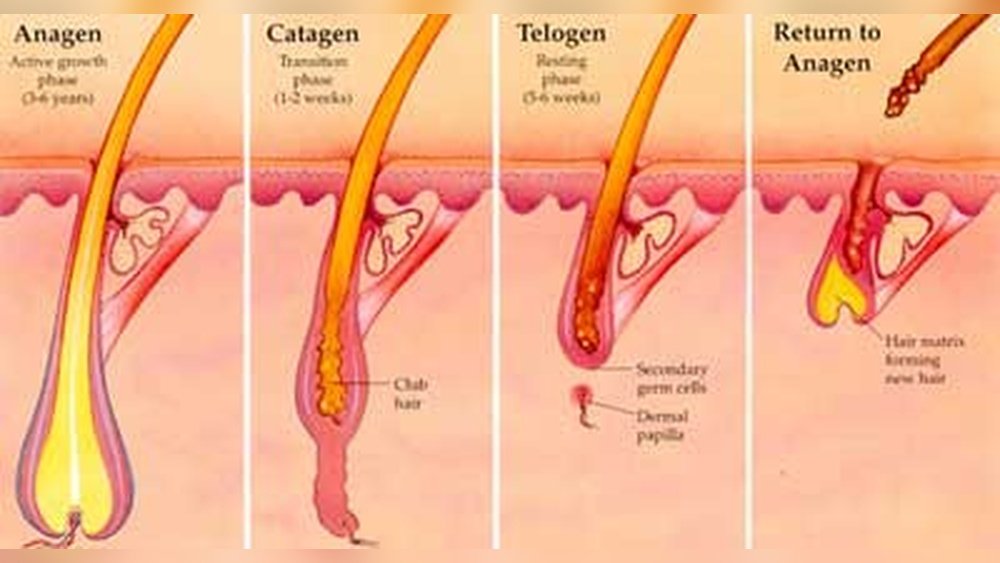
Hair grows in three stages: anagen, catagen, and telogen. The anagen phase is the active growth period. It can last several years depending on the body area.
The catagen phase is short and signals the end of growth. Hair follicles shrink and prepare to rest. The telogen phase is the resting phase before hair falls out.
After telogen, the cycle repeats with new hair growth starting again. This cycle varies by person and body part. Waxing removes hair from the root during any phase.
Factors Influencing Hair Growth
Hair growth speed depends on genetics, hormones, age, and health. Some people naturally grow hair faster than others. Hormones like testosterone can speed growth.
Age slows down the hair growth process over time. Nutrition and overall health also play roles. Stress and skin conditions can impact hair growth negatively.
Waxing does not change these internal factors. It only removes hair temporarily. The hair growth cycle continues as usual after waxing.

Credit: www.ulike.com
How Waxing Affects Hair
Waxing removes hair by pulling it out from the root. This method affects the hair’s growth cycle. It does not stop hair growth completely but can influence the speed and texture of regrowth. Understanding how waxing interacts with hair helps clarify common questions about hair growth.
Hair Removal From The Root
Waxing pulls hair directly from its root beneath the skin. This is different from shaving, which cuts hair at the surface. Removing hair from the root means the hair takes longer to grow back. The skin may appear smooth for weeks after waxing.
Since the entire hair shaft is removed, regrowth starts from scratch. Hair will not reappear immediately. This delay is why waxing results last longer than other hair removal methods.
Impact On Hair Follicles
Hair follicles are small sacs in the skin where hair grows. Waxing can weaken these follicles over time. Repeated waxing may cause hair to grow back finer and lighter. Some people notice less dense hair after many waxing sessions.
Waxing does not destroy hair follicles completely. The follicles remain active and continue to produce hair. However, the trauma from waxing can slow down follicle activity. This can make hair growth slower and thinner with consistent waxing.
Does Waxing Slow Hair Growth?
Many people wonder if waxing can slow hair growth. Waxing removes hair from the root, unlike shaving which cuts hair at the surface. This root removal affects how hair regrows and the timing of its return.
Understanding the effects of waxing on hair growth requires looking at both short-term and long-term results. Each phase shows different changes in hair growth patterns.
Short-term Effects
Right after waxing, hair takes longer to grow back. This delay happens because the hair follicle must recover and produce new hair. Typically, hair regrows in two to six weeks, much slower than shaving.
The new hair is often finer and softer at first. This happens because waxing pulls out hair from the root, affecting its thickness temporarily. Skin may feel smooth for weeks before hair returns.
Some people notice less hair density after a few waxing sessions. The hair may seem thinner or patchier in the short term. This difference is a result of the hair follicles adjusting to repeated root removal.
Long-term Results
With regular waxing over months, hair regrowth may slow down more noticeably. The hair follicles can become weaker or damaged after repeated waxing. This damage reduces the speed and amount of hair produced.
Long-term waxing can lead to finer, lighter hair growth. Many find the hair less visible or coarse after consistent waxing. The skin often stays smoother for longer periods.
In some cases, waxing may reduce hair growth permanently. This happens if the hair follicles are destroyed by continuous waxing. However, this result varies by individual and is not guaranteed.

Credit: urbanwaxx.com
Common Myths About Waxing
Waxing has many myths that confuse people about how it affects hair growth. Some believe waxing stops hair from growing back. Others think it causes hair to grow thicker or darker. These ideas are not always true. Understanding the facts helps make better choices for hair removal.
Waxing And Permanent Hair Removal
Waxing pulls hair out from the root but does not destroy the hair follicle. This means hair will grow back. Permanent hair removal needs to target the follicle itself. Methods like laser treatment or electrolysis can reduce hair growth permanently. Waxing only slows hair growth temporarily by removing hair from the surface.
Waxing Vs Other Hair Removal Methods
Shaving cuts hair at the skin’s surface. Hair grows back quickly and may feel rough. Waxing removes hair from the root, so regrowth takes longer. Hair often appears softer after waxing. Depilatory creams dissolve hair but don’t affect growth speed. Each method has pros and cons, but waxing does not make hair grow faster or thicker.
Disadvantages Of Waxing
Waxing offers smooth skin but carries several downsides. Many people face pain and discomfort during the process. Skin irritation is common, especially for sensitive skin. Some suffer from ingrown hairs that cause bumps and infections. Waxing also increases skin sensitivity to the sun, raising the risk of dark spots. Knowing these disadvantages helps you prepare and protect your skin better.
Pain And Discomfort
Waxing removes hair from the root by force. This pulling causes pain, which varies by person. Areas like the bikini line and underarms hurt more. First-time waxers often find the pain sharper. The discomfort usually lessens with regular waxing but never fully disappears.
Skin Irritation And Allergic Reactions
Waxing irritates the skin by removing a layer of dead cells. This leads to redness, swelling, and sometimes a burning feeling. People with sensitive skin may see bumps or rashes. Allergic reactions to wax ingredients can cause itching and blisters. Proper skin care after waxing is important to calm irritation.
Ingrown Hairs And Infection Risks
Hair removed by waxing can grow back under the skin. These ingrown hairs cause painful, red bumps. Scratching or picking can lead to infections. Poor hygiene during waxing raises infection risks. Using clean tools and following aftercare reduces these problems.
Sun Sensitivity And Hyperpigmentation
Waxing makes skin more sensitive to sunlight. Exposure can cause redness and burning. Over time, this may lead to dark spots or uneven skin tone. Avoid sunbathing and use sunscreen after waxing. Protecting skin helps prevent hyperpigmentation and damage.
Waxing Precautions
Waxing is a popular hair removal method that offers smooth skin for weeks. Taking proper precautions can reduce discomfort and skin problems. Following simple steps before and after waxing helps protect your skin and improve results.
Skin Preparation
Cleanse your skin gently to remove oils and dirt. Avoid applying lotions or creams before waxing. Exfoliate the area a day before to remove dead skin cells. This prevents ingrown hairs and helps wax grip hair better. Make sure hair is the right length, about a quarter inch. Shorter hair can be hard to remove, and longer hair may cause more pain.
Aftercare Tips
Apply a soothing lotion or aloe vera gel to calm the skin. Avoid hot showers, saunas, or intense exercise for 24 hours. Heat and sweat can irritate freshly waxed skin. Do not scratch or pick at the area to prevent infection. Wear loose clothing to avoid rubbing sensitive skin. Avoid sun exposure or tanning beds for at least 48 hours. Waxed skin is more sensitive to UV rays and may burn easily.
Waxing Frequency And Hair Regrowth
Waxing frequency affects how hair grows back over time. Regular waxing removes hair from the root, which can impact regrowth speed. Understanding the right schedule helps maintain smooth skin and manage hair growth effectively.
Hair does not stop growing, but waxing can make regrowth finer and slower with consistent sessions. The gap between waxing appointments is important for best results.
Optimal Waxing Schedule
Most experts suggest waxing every 3 to 6 weeks. This timing allows hair to grow enough for the wax to grip. Waxing too soon can reduce effectiveness and cause skin irritation. Waiting too long may make hair too long and harder to remove. Regular waxing weakens hair follicles, leading to thinner hair over time. Sticking to a routine improves skin texture and reduces hair density.
Hair Length Requirements
Hair needs to be at least ¼ inch long for waxing. This length helps the wax attach properly to the hair. Too short hair may not be removed effectively, causing patchy results. If hair is too long, waxing can be more painful and less comfortable. Trimming to the right length before waxing ensures a smooth and efficient session. Proper hair length supports better waxing outcomes and longer-lasting smoothness.

Credit: www.waxingthecity.com
Cost And Convenience
Cost and convenience are key factors for many considering waxing. The choice between professional and at-home waxing affects both. Each option has different expenses and time demands. Understanding these helps plan your hair removal routine effectively.
Professional Vs At-home Waxing
Professional waxing usually costs more per session. It offers expert technique and less mess. Salons provide a relaxing environment and usually better results. At-home waxing kits are cheaper upfront. They give flexibility to wax anytime. However, they require learning and practice to avoid mistakes.
Professional waxing may reduce mistakes like missed spots or skin damage. At-home waxing can save money over time. But it can be less convenient if you need help or have sensitive skin. Choosing depends on your budget and comfort level with waxing.
Time And Expense Considerations
Salon waxing sessions take about 30 to 60 minutes. You may need appointments weeks apart for best results. This can affect your schedule and add travel time. At-home waxing takes time to prepare, apply, and clean up. It may take longer until you get skilled.
Cost adds up with repeated salon visits. At-home kits cost less per use but need replacement wax and strips. You must plan for regrowth time between waxing. This affects how often you spend time and money on waxing. Balance cost and convenience to fit your lifestyle.
Frequently Asked Questions
What Are The Disadvantages Of Waxing?
Waxing can cause pain, skin irritation, ingrown hairs, and allergic reactions. It increases sun sensitivity and infection risk. Some may experience bruising or hyperpigmentation. It suits certain skin types less and requires regular sessions due to temporary hair removal.
What Is The 48 Hour Rule For Waxing?
The 48-hour rule for waxing means avoiding sun exposure, hot baths, and intense exercise for two days to prevent irritation and infection.
Is It Better To Wax Or Shave Privates?
Waxing removes hair from the root, offering longer smoothness but can cause pain and irritation. Shaving is quick and painless but may cause razor burn and faster regrowth. Choose based on pain tolerance, skin sensitivity, and desired hair-free duration for private areas.
Do Pubes Stop Growing After Waxing?
Pubic hair does not stop growing after waxing. Waxing removes hair from the root, making regrowth slower and finer over time. Regular waxing can reduce hair density but does not permanently stop growth. Hair growth cycles continue naturally despite waxing treatments.
Conclusion
Waxing removes hair from the root, which can slow regrowth. Over time, hair may grow back finer and lighter. Consistent waxing might reduce hair density slightly. Some people see slower growth, but results vary individually. Be aware of possible pain and skin irritation.
Protect skin after waxing to avoid sun damage and infection. Regular care helps maintain smooth, hair-free skin safely. Choose waxing if you want longer-lasting results than shaving.
As an Amazon Associate, I earn from qualifying purchases.
Lovingshe is a participant in the Amazon Services LLC Associates Program which is an affiliate advertising program designed to provide a means for sites to earn advertising fees by advertising and linking to Amazon.com. Amazon may use cookies to track referrals from our site. Visit Amazon’s privacy policy for details
