


Are you tired of constantly dealing with unwanted hair and wondering if waxing could be the solution to reduce its regrowth? You’re not alone.
Many people ask, “Does waxing really slow down hair growth? ” or “Can waxing make hair grow thinner over time? ” If you’ve been waxing for a while or are considering it, understanding how waxing affects hair regrowth is key to managing your expectations and getting the best results.
You’ll discover the truth about waxing and hair regrowth, common myths, and what you can realistically expect after each session. Keep reading to find out how waxing works, why it might seem like your hair grows back slower, and what other options you might want to explore for longer-lasting smoothness.

Credit: www.ulike.com
How Waxing Works
Waxing is a popular hair removal method that pulls hair out from the root. This process targets hair beneath the skin surface. Understanding how waxing works helps explain its effects on hair regrowth. The removal method and hair follicle response influence hair growth patterns.
Hair Removal From Root
Waxing removes hair by gripping it close to the root. The wax sticks to the hair shaft, and when pulled, it yanks the entire hair out. This leaves the hair follicle empty for a while. Unlike shaving, waxing does not cut hair at the skin surface. This method delays regrowth because the hair must grow back from the follicle base.
Hair Follicle Activity
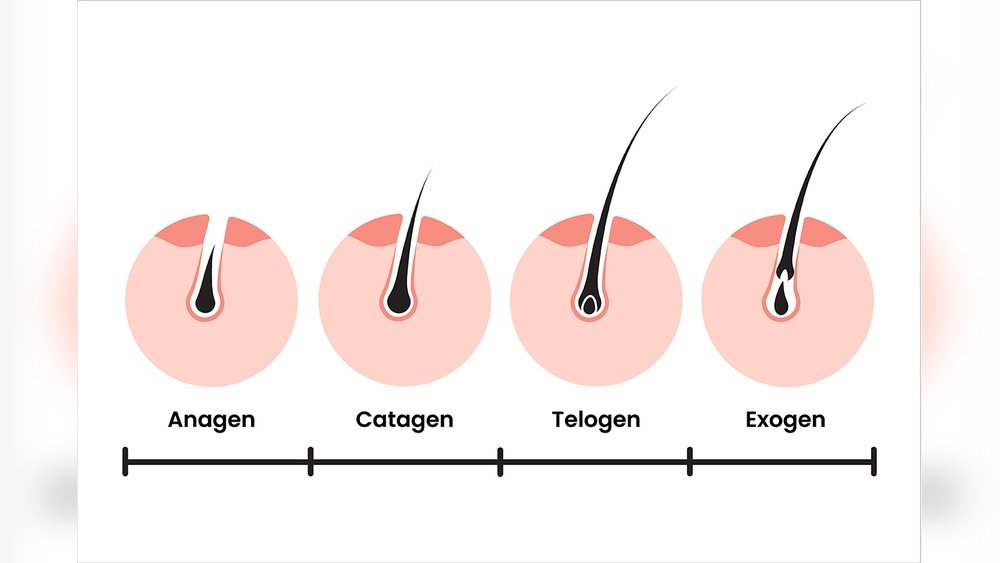
Hair follicles remain active after waxing. They continue producing new hair strands over time. Waxing can weaken follicles slightly, which may cause hair to grow back finer or slower. Repeated waxing sessions might reduce hair density but do not stop growth completely. Only permanent treatments affect follicle activity enough to stop hair growth.

Credit: www.vibrantsalonandspa.com
Waxing And Hair Regrowth
Waxing is a popular hair removal method that pulls hair out from the root. Many wonder if waxing can reduce how fast hair grows back. Understanding waxing and hair regrowth helps set realistic expectations. Hair grows from follicles beneath the skin surface. Removing hair at the root affects the time it takes for new hair to appear. Regular waxing might change the hair’s texture and density over time. Let’s explore how waxing impacts hair regrowth and what options exist for permanent hair removal.
Does Waxing Slow Regrowth?
Waxing removes hair completely from the root. This means new hair takes longer to grow back compared to shaving. Usually, hair starts to reappear after two to six weeks. With repeated waxing, hair may grow back finer and lighter. Some hair follicles might weaken and stop producing hair temporarily. Waxing does not stop hair growth forever. It only delays regrowth and can reduce hair thickness over time. The effect varies from person to person. Consistent waxing sessions lead to smoother skin for longer periods.
Permanent Hair Removal Options
For lasting hair removal, other methods work better than waxing. Laser hair removal targets hair follicles with light energy to reduce growth. It takes multiple sessions for best results. Electrolysis destroys individual follicles with electric currents. This method is more time-consuming but can remove hair permanently. Both options require professional treatment and some cost. They suit people who want to stop hair growth entirely. Waxing remains a temporary solution but is affordable and easy to do at home or salon.
Hair Texture Changes After Waxing
Waxing pulls hair out from the root, which affects hair texture over time. After several waxing sessions, hair may appear softer and finer. This happens because waxing weakens the hair follicle slightly. The new hair that grows out can feel different than before.
Some people notice their hair grows back thinner. Others see changes in growth speed or pattern. These changes depend on individual hair and skin types. Understanding common myths and real effects helps set clear expectations.
Hair Thickness Myths
Many believe waxing makes hair thicker. This is a myth. Hair grows back with a blunt tip after waxing, so it may feel coarser. The thickness of hair does not change. Hair strands grow from follicles at the same size as before.
Repeated waxing can weaken follicles, leading to finer hair over time. But waxing alone does not increase hair thickness. Hair looks thicker only because it grows out straight instead of tapered.
Hair Growth Patterns
Waxing can slightly alter hair growth patterns. Hair often grows back slower after regular waxing. Some hairs grow in different directions or appear patchy. This happens because waxing removes hair from the root, disrupting the natural cycle.
Hair follicles may become damaged or dormant with frequent waxing. This can reduce hair density in some areas. Still, the body continues to produce hair, and growth will resume eventually.
Common Waxing Side Effects
Waxing is a popular hair removal method but comes with some side effects. Understanding these helps you prepare and care for your skin better. Side effects vary by skin type and waxing technique. Most issues are temporary but can be uncomfortable.
Pain And Discomfort
Waxing pulls hair out from the root, which causes pain. Sensitive areas like the bikini line and underarms hurt more. Pain levels differ from person to person. Some feel a quick sting, while others experience stronger discomfort. Using numbing creams or gentle waxing techniques can reduce pain.
Skin Irritation And Redness
After waxing, skin often becomes red and irritated. This happens because hair is removed from the follicle, causing mild trauma. The redness usually fades within a few hours. Sometimes, small bumps or rashes appear. Applying soothing creams or aloe vera helps calm the skin quickly.
Ingrown Hairs
Ingrown hairs are a common issue after waxing. They occur when new hair grows back under the skin instead of outwards. This can cause painful bumps and inflammation. Exfoliating the skin regularly helps prevent ingrown hairs. Avoid tight clothing to reduce irritation in waxed areas.
Risks And Skin Reactions
Waxing is a popular hair removal method but carries some risks and possible skin reactions. Understanding these helps you prepare and care for your skin properly. Skin may react differently based on sensitivity, waxing technique, and hygiene. Some reactions are mild, while others may require medical attention.
Allergic Responses
Wax contains natural resins and additives that may cause allergies. Symptoms include redness, itching, and swelling. Severe reactions can cause blisters or hives. A patch test before waxing can reduce allergy risks. Use hypoallergenic wax if you have sensitive skin.
Infections And Hygiene
Waxing pulls hair from the root, opening tiny skin wounds. Poor hygiene increases infection chances. Unclean tools or hands can introduce bacteria. Signs of infection include pus, redness, and pain. Always choose a clean salon or sanitize equipment if waxing at home.
Skin Lifting And Bruising
Waxing can sometimes pull off the top skin layer, called skin lifting. It causes pain and looks like peeling skin. Bruises may appear if the skin is delicate or wax is too hot. Avoid waxing over sunburned or irritated skin to prevent damage.
Hyperpigmentation
Repeated waxing can cause dark spots or patches on the skin. This condition is called hyperpigmentation. It happens more often in darker skin tones or after inflammation. Protect your skin from sun exposure after waxing to avoid worsening pigmentation.
Waxing Suitability
Waxing can be a suitable hair removal option for many people. It removes hair from the root, making the skin smooth for weeks. Choosing waxing depends on your hair type and skin condition. Knowing these factors helps in getting the best results and avoiding problems.
Hair Types That Respond Well
Thick, coarse hair responds very well to waxing. The wax grips the hair firmly, pulling it out cleanly from the root. Fine hair can also be waxed but may need more frequent sessions. Very light or thin hair might not stick well to the wax, making removal harder. Regular waxing may help hair grow back finer over time.
Skin Conditions To Consider
Waxing is not ideal for sensitive or damaged skin. People with eczema, psoriasis, or sunburn should avoid waxing. Waxing can cause irritation, redness, and even skin lifting in these cases. Allergies to wax ingredients are another concern. Test a small skin patch before full waxing to check for reactions.
Waxing Maintenance And Costs
Waxing offers a smooth skin experience by removing hair from the root. It affects hair regrowth, but it also requires maintenance and involves costs. Understanding these factors helps you plan your waxing routine effectively. Below, learn more about waxing maintenance and costs.
Frequency Of Sessions
Waxing usually needs to be done every 3 to 6 weeks. Hair grows back slower after several sessions. Regular waxing weakens hair follicles over time. Skipping sessions can make hair thicker and harder to remove. Consistency is key for best results.
Cost Comparison With Other Methods
Waxing costs more than shaving but less than laser treatments. A single waxing session can range from $30 to $75. Shaving costs less but requires daily effort. Laser hair removal has a higher upfront cost but may reduce regrowth permanently. Waxing offers a middle ground in price and results.
Hair Length Requirements
Hair must be about ¼ inch long for effective waxing. Too short hair won’t stick to the wax well. Too long hair can cause more pain and breakage. Waiting for the right hair length ensures better waxing results. Planning the timing between sessions helps maintain proper hair length.
Credit: www.vidasleek.com
Frequently Asked Questions
Does Waxing Lessen Hair Growth?
Waxing does not permanently lessen hair growth. It removes hair from the root, causing slower regrowth and finer hair over time. Only permanent methods like laser or electrolysis stop hair growth completely.
What Is The 48 Hour Rule For Waxing?
The 48-hour rule for waxing means avoiding sun exposure, hot baths, and exercise for two days. This prevents irritation and infection.
What Are The Disadvantages Of Waxing?
Waxing can cause pain, skin irritation, ingrown hairs, allergic reactions, and sun sensitivity. It may lead to infection, bruising, or hyperpigmentation. Waxing requires hair regrowth and can be costly. It might not suit sensitive skin or fine hair types.
Is It Better To Wax Or Shave Privates?
Waxing removes hair from the root, lasting longer but can cause pain and irritation. Shaving is painless but requires frequent upkeep. Choose waxing for smoother, longer results; shaving for quick, pain-free grooming. Skin sensitivity and personal preference determine the best method for private areas.
Conclusion
Waxing pulls hair from the root, which can slow regrowth. Hair may grow back finer and softer over time. Waxing does not stop hair growth completely. Your follicles stay active and keep producing hair. For permanent removal, consider laser or electrolysis treatments.
Keep in mind, waxing can cause pain and skin irritation. Regular care helps reduce risks like ingrown hairs or redness. Choose the method that suits your skin and comfort best.
As an Amazon Associate, I earn from qualifying purchases.
Lovingshe is a participant in the Amazon Services LLC Associates Program which is an affiliate advertising program designed to provide a means for sites to earn advertising fees by advertising and linking to Amazon.com. Amazon may use cookies to track referrals from our site. Visit Amazon’s privacy policy for details
