


Are you tired of constantly battling unwanted hair and wondering if waxing could be the solution to reduce your hair growth over time? You’re not alone.
Many people ask, “Does waxing really slow down hair growth? ” If you’ve ever tried waxing or are considering it, you might be curious about what happens beneath the surface and whether this method can actually change how your hair grows back.
You’ll discover the truth about waxing and its effects on hair growth, so you can make informed decisions that fit your lifestyle and beauty goals. Keep reading to find out what experts say, what you can expect, and how waxing compares to other hair removal methods. Your smooth skin journey starts here!
Credit: www.vidasleek.com
How Waxing Works
Understanding how waxing works helps explain its effects on hair growth. Waxing removes hair by pulling it from the root. This method differs from shaving, which cuts hair at the skin’s surface. By removing the entire hair strand, waxing delays regrowth and can influence hair texture over time.
Hair Removal Process
Waxing uses warm or cold wax applied to the skin. The wax sticks to the hair, gripping it firmly. When the wax is quickly pulled off, it removes hair from the root. This process leaves the skin smooth for weeks. Unlike shaving, waxing does not cut hair but pulls it out completely.
Removing hair from the root means it takes longer to grow back. This can give the skin a cleaner look for a longer period. Regular waxing may also weaken hair follicles, affecting future growth.
Hair Growth Cycle
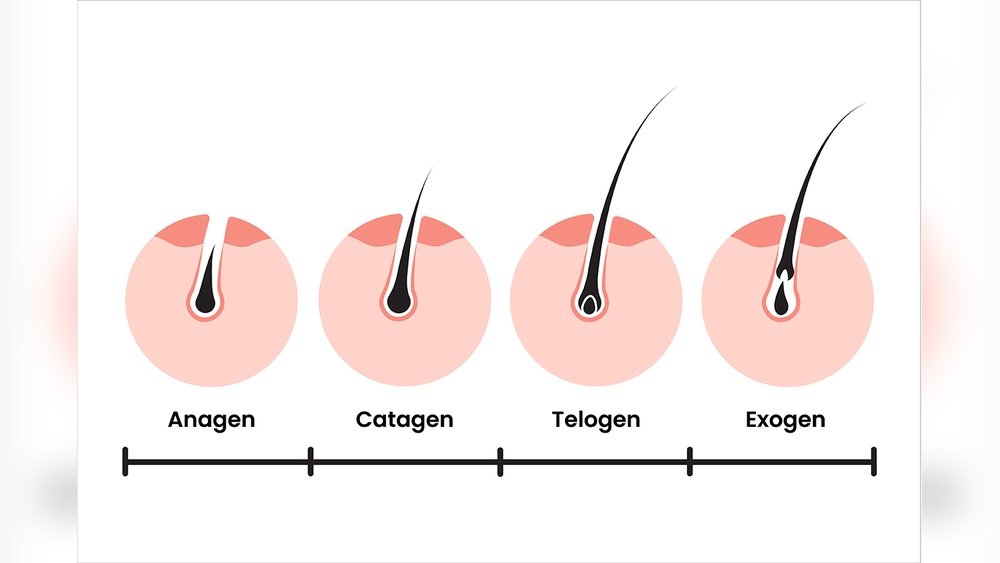
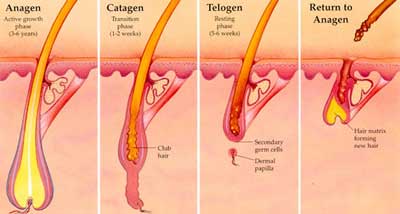
Hair grows in cycles with three main stages: anagen, catagen, and telogen. The anagen phase is the active growth stage. During this phase, hair grows longer and thicker. Waxing pulls hair out during this phase, which may slow down regrowth.
In the catagen phase, hair stops growing and prepares to shed. The telogen phase is when hair rests before falling out naturally. Waxing repeated over time can disrupt this cycle, leading to thinner and finer hair. This explains why some people notice less hair growth after consistent waxing sessions.

Credit: urbanwaxx.com
Waxing And Hair Regrowth
Waxing removes hair from the root, not just the surface. This affects how hair grows back over time. Many wonder if waxing can reduce hair growth. The answer lies in how waxing interacts with hair follicles and hair texture.
Regular waxing may change hair regrowth patterns. These changes depend on the frequency and individual hair type. Understanding this process helps set realistic expectations.
Impact On Hair Follicles
Waxing pulls hair out from the root, which can stress hair follicles. Over time, this stress may weaken the follicles. Weak follicles might produce thinner or lighter hair. In some cases, follicles can stop producing hair temporarily. This effect varies from person to person and depends on how often waxing is done.
Changes In Hair Texture
Hair that grows back after waxing often feels softer. The new hair tends to be finer and less coarse. This happens because waxing removes the entire hair strand, encouraging thinner regrowth. Softer hair looks less noticeable, creating the impression of reduced hair growth.
Frequency Of Hair Growth
Hair does not grow back immediately after waxing. Usually, it takes several weeks for hair to return. With repeated waxing sessions, the time between regrowths can increase. This means hair appears less often. Consistent waxing may slow down the hair growth cycle slightly, leading to longer smooth periods.
Long-term Effects On Hair
Waxing is a popular hair removal method that pulls hair from the root. Its effects on hair change with repeated sessions over time. Understanding the long-term impact on hair can help set realistic expectations about waxing.
Reduction In Hair Density
Repeated waxing often leads to fewer hairs growing back. Hair follicles can become weaker after being pulled out many times. This causes the hair to grow in thinner and less dense. Over months, the overall hair volume in the waxed area may decrease noticeably.
Slower Hair Growth Over Time
Waxing damages hair follicles temporarily. This slows down the hair growth cycle. Hair strands take longer to appear after each waxing session. With consistent waxing, the time between regrowth can extend from weeks to months. Slower growth means less frequent hair removal is needed.
Possibility Of Permanent Reduction
Some people may experience permanent hair loss in waxed areas. Continuous trauma to the follicles can stop hair production. This outcome depends on individual hair type and skin. It is more common with long-term waxing over several years. Permanent reduction is not guaranteed but is possible.
Common Disadvantages Of Waxing
Waxing is a popular hair removal method but it comes with some drawbacks. Understanding these common disadvantages helps you decide if waxing suits your needs. The process involves pulling hair from the roots, which can affect your skin and comfort in several ways.
Pain And Discomfort
Waxing removes hair by pulling it out from the root. This causes pain, especially in sensitive areas like the face or bikini line. Everyone feels pain differently, but some discomfort is normal. The pain can last for a few minutes or hours after waxing.
Skin Irritation And Redness
The waxing process irritates the skin. Redness, bumps, and a burning feeling are common side effects. This happens because hair follicles open and the skin is slightly damaged. These symptoms usually fade within a day or two.
Risk Of Ingrown Hairs
Ingrown hairs happen when hair grows back into the skin instead of out. Waxing can cause this problem, leading to red, itchy, or painful bumps. Ingrown hairs can also cause infections if not treated properly.
Allergic Reactions
Some people react to ingredients in wax, such as resins or fragrances. Allergic reactions can cause itching, swelling, or rashes. Testing a small skin patch before waxing helps avoid these issues.
Potential Risks
Waxing offers smooth skin but carries certain risks. Understanding these potential problems helps you decide if waxing suits you. Some risks affect skin health and appearance. Others may cause discomfort or longer recovery. Awareness can minimize harm and improve your experience.
Infections And Folliculitis
Waxing removes hair from the root, leaving tiny open pores. These pores can allow bacteria inside, causing infections. Folliculitis is a common infection where hair follicles become inflamed. It shows as red, itchy bumps. Poor hygiene or unclean tools increase this risk. Keeping skin clean after waxing lowers chance of infection.
Skin Lifting And Bruising
Waxing pulls on the skin strongly. Sometimes, the top skin layer lifts or tears. This causes pain and small wounds. Bruising can appear, especially on thin or delicate skin. Improper waxing technique or using hot wax may worsen this. Gentle handling and proper wax temperature reduce skin damage.
Hyperpigmentation
Some people develop dark spots after waxing. These spots, called hyperpigmentation, happen from skin irritation or minor burns. Picking or scratching the waxed area also triggers dark patches. Sun exposure after waxing increases this risk. Using sunscreen and avoiding irritation help prevent hyperpigmentation.
Unsuitability For Sensitive Skin
Waxing may not suit very sensitive or damaged skin. Conditions like eczema or psoriasis can worsen with waxing. Sensitive skin often reacts with redness, swelling, or rashes. Testing wax on a small area first shows how your skin reacts. Choosing gentler hair removal methods may be safer for sensitive skin.
Convenience And Cost
Waxing offers a balance between smooth skin and time investment. Understanding convenience and cost helps decide if waxing fits your routine. It requires some patience and budget planning. The need for hair regrowth, recurring sessions, and overall expense affect its practicality.
Need For Hair Regrowth
Waxing pulls hair from the root. Hair must be a certain length to catch the wax. This means you cannot wax right after shaving. Usually, hair needs to grow about a quarter inch. Waiting for regrowth can be inconvenient. Some may find this gap between hair removal sessions frustrating.
Recurring Sessions
Hair grows back over time. Waxing results last longer than shaving but not forever. Most people need sessions every three to six weeks. Regular appointments maintain smooth skin. Skipping sessions can cause uneven regrowth. This cycle requires commitment and planning. For busy schedules, frequent sessions may feel like a hassle.
Expense Compared To Other Methods
Waxing costs more than shaving or depilatory creams. Professional waxing adds salon fees. Home waxing kits reduce cost but need skill. Over time, waxing can be pricier due to repeated sessions. Some find the longer-lasting results justify the expense. Others prefer cheaper, quicker methods despite frequent use.
Waxing Versus Other Methods
Waxing offers a unique approach to hair removal compared to other common methods. It removes hair from the root, which can affect how hair grows back over time. Understanding the differences between waxing and other techniques helps choose the best option for smooth skin and hair growth control.
Waxing Vs Shaving
Shaving cuts hair at the skin’s surface. It does not remove hair from the root. Hair grows back quickly, often within a day or two. Shaving can cause stubble, making hair feel coarse. It also risks cuts and razor burns. Waxing pulls hair out from the root. This leads to slower regrowth, usually taking weeks. The hair grows back finer and softer over time. Waxing results last longer than shaving. It also reduces the chance of razor bumps and cuts. However, waxing can be painful and needs hair to be a certain length before removing.
Waxing Vs Depilatory Creams
Depilatory creams dissolve hair just below the skin’s surface. They work quickly and are painless. The scent and chemicals may irritate sensitive skin. Creams do not remove hair from the root, so hair returns faster. Waxing removes hair from the root, delaying regrowth. Regular waxing can weaken hair follicles. This may reduce hair growth over time. Waxing also exfoliates dead skin cells, leaving skin smoother. Depilatory creams do not provide this benefit. They are easier to use but less effective for long-term hair reduction.

Credit: www.starpilwax.com
Frequently Asked Questions
What Are The Disadvantages Of Waxing?
Waxing can cause pain, skin irritation, ingrown hairs, and allergic reactions. It increases sun sensitivity and infection risk. Waxing may lift skin or cause bruising. It requires hair regrowth, frequent sessions, and can be costly. Not all skin or hair types suit waxing effectively.
Is It Better To Wax Or Shave Privates?
Waxing lasts longer by removing hair from roots but can cause pain and irritation. Shaving is quicker, painless, but hair regrows faster and may cause razor burn. Choose based on pain tolerance, skin sensitivity, and desired smoothness duration.
Do Pubes Stop Growing After Waxing?
Pubic hair does not stop growing after waxing. Waxing removes hair from the root, leading to slower regrowth and finer hair over time. Regular waxing may reduce hair density but does not permanently stop growth. Hair cycles continue naturally regardless of waxing.
Does Waxing Make Hair More Sparse?
Waxing does not make hair more sparse but can weaken hair follicles over time. Regular waxing may result in finer, softer regrowth. It removes hair from the root, slowing growth temporarily but does not reduce hair quantity permanently.
Conclusion
Waxing can slow hair growth by removing hair from the root. Regular waxing may make hair finer and lighter. It does not stop hair permanently but delays regrowth. Some people experience less hair over time. Pain and skin irritation can occur after waxing.
Proper care helps reduce risks like ingrown hairs or infection. Consistency and patience are key for best results. Choose waxing if you want smoother skin longer than shaving.
As an Amazon Associate, I earn from qualifying purchases.
Lovingshe is a participant in the Amazon Services LLC Associates Program which is an affiliate advertising program designed to provide a means for sites to earn advertising fees by advertising and linking to Amazon.com. Amazon may use cookies to track referrals from our site. Visit Amazon’s privacy policy for details
