


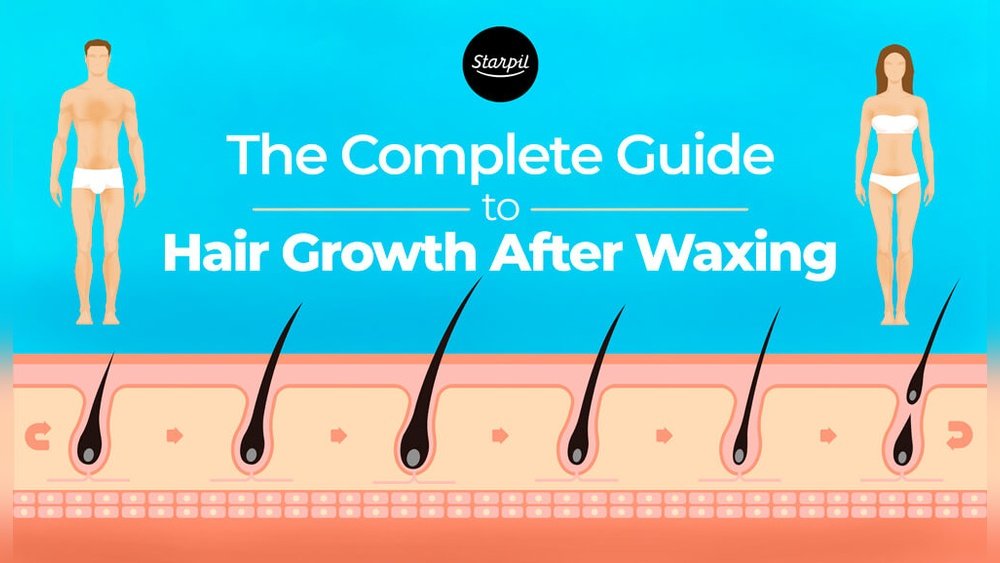
You might have heard people say that waxing makes your hair grow back thinner. But is that really true?
If you’ve ever wondered whether waxing can actually change the thickness of your hair, you’re not alone. Many people start waxing hoping for smoother skin and less noticeable hair, but they also want to know what happens beneath the surface.
Does waxing weaken your hair follicles, or is it just a myth? We’ll break down the facts and explain how waxing affects your hair growth over time. By the end, you’ll have a clear answer—and know exactly what to expect the next time you reach for that wax strip. Keep reading to discover the truth about waxing and your hair’s future!
Waxing And Hair Follicles
Waxing is a popular hair removal method that pulls hair out from the root. This process affects the hair follicles beneath the skin surface. Understanding how waxing interacts with hair follicles helps explain changes in hair texture and growth over time.
Hair follicles are small sacs in the skin where hair grows. Waxing repeatedly removes hair from these follicles. This action can cause some changes in the follicles’ ability to produce hair.
Damage To Hair Follicles
Each time hair is pulled out, the follicle experiences slight trauma. This damage can weaken the follicle’s function. Over time, some follicles may become less active or stop producing hair.
The degree of damage depends on how often waxing is done. Frequent waxing causes more stress to the follicles. Weakened follicles may produce thinner and softer hair.
Impact On Hair Growth Cycle
Hair growth happens in cycles: growth, rest, and shedding phases. Waxing removes hair during the growth phase. This can disrupt the normal cycle of the hair follicle.
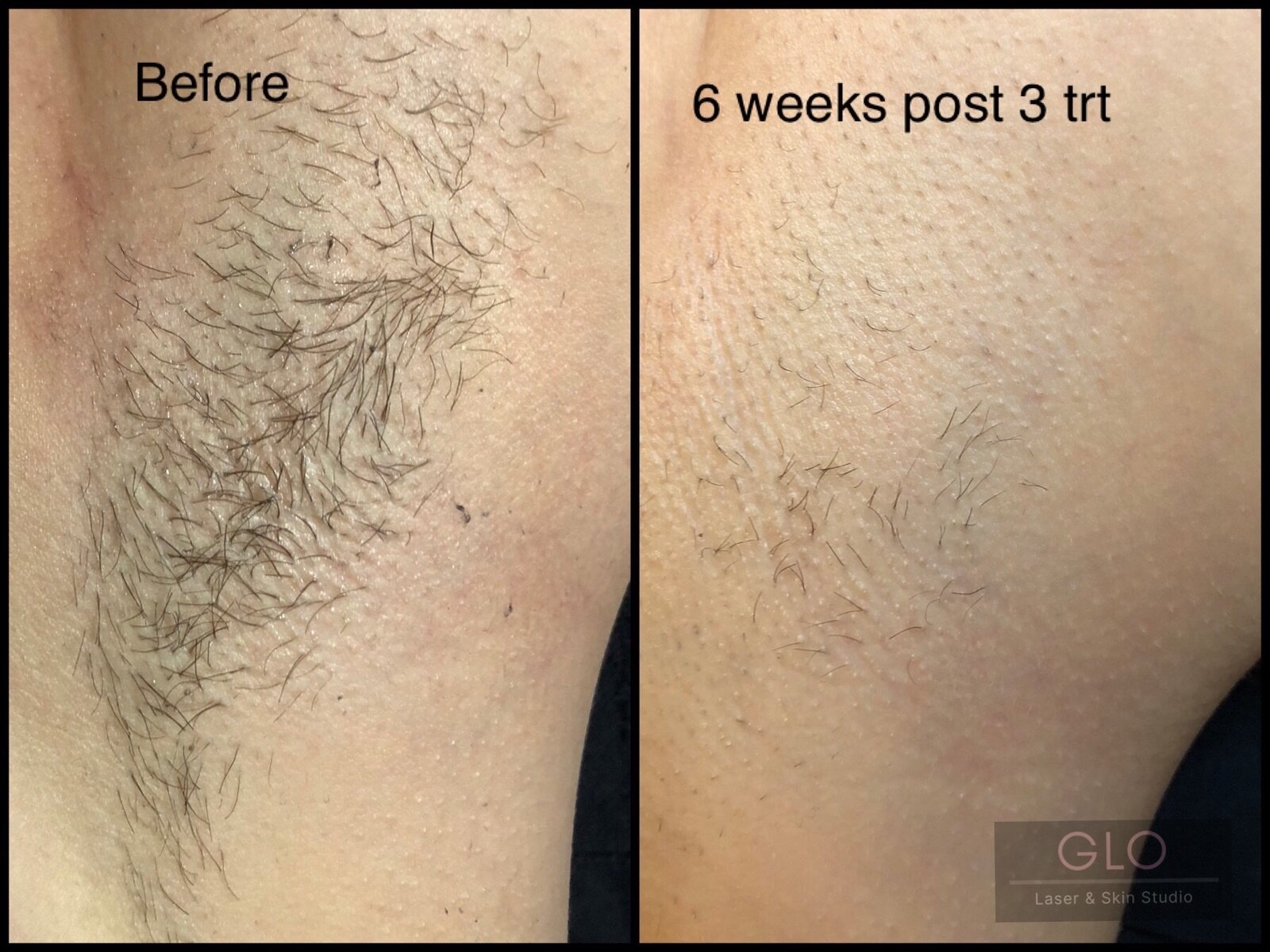
Repeated waxing can slow down the growth cycle. Hair takes longer to grow back after each session. The new hair often appears finer and lighter in color.
Some areas may show patchier hair growth as follicles weaken. This gives the impression of thinner hair over time. The effect varies from person to person.
Credit: www.glolaserandskin.com
Changes In Hair Texture
Waxing can change the texture of your hair over time. This happens because waxing pulls hair out from the root. The process can affect how hair grows back. Hair may not become thinner immediately. Instead, its texture often changes first. These changes can make hair feel softer and lighter. Understanding these texture changes helps explain why hair looks different after waxing.
Finer And Softer Hair Growth
Hair that grows back after waxing often feels finer. This means the hair strands are thinner in diameter. The pulling action weakens the hair follicle slightly. Weakened follicles produce softer hair. The softness comes from less keratin in each hair strand. Over time, repeated waxing can make new hair less coarse. This effect can give the impression of thinner hair. The hair is still there but feels less rough and dense.
Color Lightening Effects
Waxing can also lighten the color of regrown hair. New hair often appears paler or less pigmented. This happens because the hair is finer and thinner. Finer hair holds less melanin, the pigment that gives hair its color. The color lightening is more noticeable in darker hair types. Lightened hair looks less dense and softer visually. This change adds to the feeling of thinner hair after waxing.
Hair Regrowth Patterns
Hair regrowth patterns change with regular waxing. Removing hair from the root affects how hair grows back. Over time, the growth speed and density can alter.
Understanding these patterns helps explain whether waxing makes hair thinner or not. Each person’s reaction to waxing varies, but some common trends appear.
Slower Regrowth Over Time
Waxing pulls hair out from the root, which weakens hair follicles. Weak follicles produce hair more slowly than before. This slows down the rate of regrowth.
With repeated waxing sessions, hair takes longer to appear on the skin. This delay gives the skin a smoother, hair-free look for more days. The slower regrowth feels like hair is thinning.
Patchy And Sparse Areas
Some follicles may stop producing hair after repeated waxing. This causes patchy or sparse hair in certain areas. The skin looks less hairy and more even.
These patches happen because damaged follicles cannot grow new hair. Over time, the skin may show spots with little or no hair. This effect varies depending on skin and hair type.

Credit: www.waxingthecity.com
Factors For Effective Waxing
Effective waxing depends on several key factors. These factors help achieve smoother skin and may influence hair thickness over time. Understanding these elements improves waxing results and reduces discomfort.
Proper care before and after waxing supports healthier skin and hair follicles. Consistency and avoiding other hair removal methods are essential parts of this process.
Importance Of Consistency
Regular waxing sessions weaken hair follicles gradually. This leads to slower hair growth and finer hair texture. Skipping sessions can interrupt this process and reduce effectiveness. Sticking to a schedule helps maintain smooth skin longer. Consistency also allows hair to grow to the right length for proper removal.
Avoiding Shaving Between Sessions
Shaving between waxing sessions can disrupt hair growth patterns. It may cause hair to grow back thicker and faster. Shaving removes hair only at the surface, leaving roots intact. Waxing pulls hair from the root, weakening the follicle over time. Avoid shaving to get the full benefits of waxing. Let hair grow naturally until the next waxing session.
Common Myths About Waxing
Waxing has many myths surrounding its effects on hair. People often wonder if waxing changes hair texture or growth permanently. These myths cause confusion and fear about trying waxing as a hair removal method. It is important to separate fact from fiction to make informed choices. Here we address some common myths about waxing to clear up misunderstandings.
Does Waxing Thicken Hair?
Many believe waxing makes hair thicker. The truth is opposite. Waxing pulls hair from the root, causing regrowth to be softer and finer. Hair may appear thicker at first, but it is actually lighter and less dense. Over time, repeated waxing can weaken hair follicles. This leads to slower hair growth and thinner hair strands. Waxing does not cause hair to thicken or become coarse.
Permanent Hair Removal Misconceptions
Waxing is not a permanent hair removal solution. It removes hair temporarily by pulling it out from the root. Hair will grow back after some weeks. Some people confuse waxing with laser hair removal or electrolysis, which can reduce hair permanently. Waxing can weaken follicles with regular use, making hair regrow slower and finer. Still, it cannot stop hair growth forever. Expect waxing results to last a few weeks before regrowth occurs.
Comparing Waxing And Other Methods
Choosing a hair removal method depends on your skin type, hair texture, and personal goals. Comparing waxing with other popular methods helps you decide what fits best. Each technique affects hair differently and offers unique benefits.
Understanding these differences clarifies whether waxing makes hair thinner and how it compares to shaving and laser hair removal. This section breaks down the key points for each method.
Waxing Vs. Shaving
Waxing pulls hair out from the root, causing slower regrowth. Shaving cuts hair at the skin’s surface, leading to quick regrowth. Waxed hair often feels softer and may appear thinner over time. Shaved hair grows back with blunt ends, which can feel coarse or thicker.
Waxing results last longer, usually up to four weeks. Shaving needs to be done every few days. Waxing may cause some discomfort but reduces hair density gradually. Shaving is painless but requires frequent upkeep and can cause irritation or razor burn.
Waxing Vs. Laser Hair Removal
Waxing removes hair temporarily by pulling it out from the root. Laser hair removal targets hair follicles to reduce growth permanently. Laser treatment requires several sessions but can lead to long-term hair reduction.
Waxing is less expensive and works on all skin types. Laser works best on dark hair and light skin. Waxing can make hair finer over time, but it does not stop growth permanently. Laser offers a more permanent solution but needs professional care and higher costs.
Long-term Effects Of Waxing
Waxing removes hair from the root, affecting hair growth over time. The long-term effects of waxing can vary. Some people see changes in hair thickness and growth speed after regular waxing. Understanding these effects helps set realistic expectations for hair removal.
Potential For Reduced Hair Growth
Repeated waxing can weaken hair follicles. Damaged follicles produce thinner and softer hair. Hair grows slower after consistent waxing sessions. Some areas may develop patchy or sparse hair growth. Waxing does not stop hair growth completely. Over time, hair may appear less dense and finer.
Individual Variations In Results
Everyone’s skin and hair respond differently to waxing. Genetics play a key role in hair regrowth patterns. Hormonal changes also affect hair thickness and growth speed. Some people see noticeable thinning after months of waxing. Others may not see much change at all. Personal experience with waxing varies widely.

Credit: www.sugaringnyc.com
Frequently Asked Questions
Can Waxing Eventually Stop Hair Growth?
Waxing does not permanently stop hair growth. Regular waxing weakens follicles, slows regrowth, and makes hair finer and sparser over time. Results vary by individual, and waxing is not a permanent hair removal method like laser treatment.
Does Hair Grow Back Thicker After Waxing?
Hair does not grow back thicker after waxing. Waxing removes hair from the root, leading to finer, softer regrowth over time.
What Are The Disadvantages Of Waxing?
Waxing can cause pain, skin irritation, redness, and ingrown hairs. It may lead to patchy hair growth and allergic reactions in some individuals.
Can Hair Wax Cause Hair Thinning?
Hair wax does not directly cause hair thinning. Excessive use or poor scalp hygiene may weaken hair over time.
Conclusion
Waxing can make hair appear thinner over time. Repeated waxing weakens hair follicles. This leads to slower hair growth and finer hair strands. Some areas may even show patchier growth. Results vary from person to person. Sticking to a regular waxing routine helps.
Avoid shaving between sessions for best effects. Remember, waxing does not permanently stop hair growth. It only reduces hair thickness and density temporarily. Patience and consistency bring noticeable changes. Keep realistic expectations for long-term results.
As an Amazon Associate, I earn from qualifying purchases.
Lovingshe is a participant in the Amazon Services LLC Associates Program which is an affiliate advertising program designed to provide a means for sites to earn advertising fees by advertising and linking to Amazon.com. Amazon may use cookies to track referrals from our site. Visit Amazon’s privacy policy for details
