


Are you worried that waxing might make your hair grow back thicker? You’re not alone.
Many people wonder if pulling hair out from the root causes it to become stronger or denser. It’s a common concern that can stop you from trying waxing as a hair removal method. But does waxing really change the thickness of your hair?
You’ll get clear, simple answers based on facts—not myths. You’ll also learn what to expect after waxing, including how it affects hair growth and your skin’s health. Keep reading to discover the truth and make the best choice for your beauty routine.
Waxing And Hair Growth
Many people wonder if waxing makes hair thicker. The truth lies in how hair grows and how waxing affects it. Understanding these processes helps clear up common myths.
Waxing removes hair from the root. This method influences hair growth differently than shaving or trimming. Let’s explore the details.
How Hair Grows
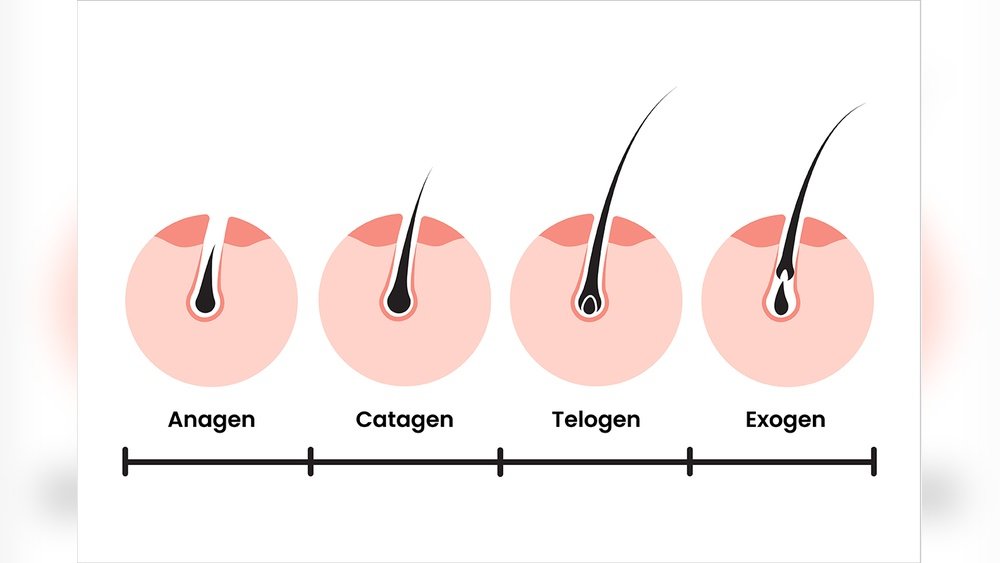
Hair grows from follicles under the skin. Each follicle produces a single hair strand. Hair grows in cycles with three main phases.
The first phase is the growth stage, called anagen. It lasts for weeks or months, depending on the body area. Next is the catagen phase, a short transition period. The final phase is telogen, or resting phase, where hair falls out and new hair starts to grow.
Effects Of Waxing On Hair Follicles
Waxing pulls hair out from the root. This action can weaken hair follicles over time. Repeated waxing may reduce the strength of new hair growth.
Damaged follicles produce finer and softer hair. Some follicles may stop producing hair completely after many waxing sessions. Waxing does not make hair thicker or darker.
Hair Growth Cycle Changes
Waxing can alter the hair growth cycle. It may shorten the growth phase and extend the resting phase. This change slows down hair regrowth.
Over time, hair may grow back thinner and less noticeable. Regular waxing leads to smoother skin with less frequent hair growth. Patience is key for these results.
Thicker Hair Myth
Many people believe waxing causes hair to grow back thicker. This idea is common but not true. Understanding why this myth exists helps clear confusion about waxing and hair growth.
Origins Of The Myth
The myth began because hair feels different after waxing. People noticed hair seemed coarser or darker once it grew back. This led to the idea that waxing changes hair thickness. Also, hair trimmed by shaving appears blunt, making it seem thicker. Waxing removes hair from the root, so regrowth looks sharper and stronger at first.
Scientific Evidence Against It
Studies show waxing does not change hair thickness or growth rate. Hair grows from follicles beneath the skin. Waxing pulls hair out but does not affect the follicle’s size or strength. Experts confirm that hair regrows at the same thickness as before. Any change in appearance is only temporary and surface level.
Why Hair Might Feel Thicker
After waxing, hair grows back with a blunt tip. This blunt tip can feel rough or thicker to touch. The hair is also shorter, making it more noticeable. Over time, waxing may reduce hair density because repeated removal weakens follicles. This can make hair finer, not thicker. The feeling of thickness is an illusion caused by hair texture and regrowth patterns.
Hair Texture After Waxing
Hair texture after waxing often raises questions about changes in thickness and quality. Waxing removes hair from the root, which influences how hair grows back. Understanding these changes helps set realistic expectations and care routines.
Hair Regrowth Characteristics
After waxing, hair regrows thinner at first. The root is pulled out, so the new hair grows slowly. Hair strands appear softer and finer. Regrowth happens in cycles, meaning hair grows unevenly over time. Regular waxing can reduce hair density temporarily.
Comparing Waxing To Shaving
Shaving cuts hair at the skin surface. This leaves a blunt tip that feels coarse. Waxing removes hair completely, including the root. Hair grows back with a natural tapered tip. This makes waxed hair feel smoother than shaved hair.
Long-term Effects On Hair Quality
Consistent waxing may weaken hair follicles. Over months, hair can become thinner and lighter. Some people notice less hair growth in treated areas. Waxing does not change hair color or texture permanently. Results vary by individual and hair type.

Credit: www.starpilwax.com
Waxing Benefits Beyond Hair Removal
Waxing offers more than just hair removal. It improves skin texture and health with regular sessions. Many people enjoy its lasting effects beyond smooth skin. These benefits make waxing a popular choice for hair removal and skincare combined.
Smoother Skin
Waxing removes hair from the root. This process also pulls away dead skin cells. The skin feels soft and smooth after waxing. It looks cleaner and more radiant. Unlike shaving, waxing does not leave stubble. This creates a polished and fresh skin surface.
Slower Hair Regrowth
Waxing slows hair growth over time. It damages the hair follicle slightly. This means hair grows back thinner and lighter. The time between waxing sessions can increase. Many find hair grows slower compared to shaving. This gives longer-lasting smoothness.
Exfoliation Effects
Waxing acts as a natural exfoliant. It removes dead skin cells on the surface. This helps prevent clogged pores and acne. The skin can breathe better after waxing. Regular exfoliation leads to clearer and healthier skin. Waxing supports skin renewal without harsh scrubs.
Common Waxing Side Effects
Waxing is a popular hair removal method that offers smooth skin for weeks. Yet, it also brings some common side effects. Understanding these effects helps prepare for the experience and care afterward. Below are the most frequent issues people face after waxing.
Pain And Discomfort
Waxing pulls hair out from the roots. This action causes pain, which varies by person and area. Sensitive skin feels more discomfort. The pain is often sharp but short-lived. Over time, skin may get used to waxing, reducing pain.
Redness And Irritation
After waxing, skin often turns red. This reaction happens because hair follicles are disturbed. Redness may last a few hours or a day. Some people also notice small bumps or mild swelling. Using soothing creams helps calm irritated skin quickly.
Ingrown Hairs And Folliculitis
Ingrown hairs happen when hair grows back into the skin. This causes red, itchy bumps that can be painful. Folliculitis is an infection of hair follicles, leading to redness and pimples. Both conditions occur if waxing is done incorrectly or skin is sensitive. Proper exfoliation and hygiene reduce these risks.

Credit: urbanwaxx.com
Risks And Precautions
Waxing can offer smooth skin, but it carries some risks. Understanding these helps protect your skin. Taking precautions lowers problems after waxing. This section covers key risks and safety tips.
Allergic Reactions
Waxing products may cause allergies. Ingredients like fragrances or resins trigger reactions. Symptoms include redness, itching, and swelling. Test a small skin patch before waxing. Stop use if irritation appears.
Skin Burns And Infections
Hot wax can burn delicate skin. Burns cause pain, redness, and blistering. Use wax at a safe temperature. Clean skin before and after waxing. Dirty tools or skin increase infection risk. Keep the area dry and avoid touching.
Sun Sensitivity Post-waxing
Waxing removes the top skin layer. This makes skin sensitive to sunlight. Avoid sun exposure for 24 to 48 hours. Use sunscreen with high SPF if outside. Sunburn can worsen skin irritation and damage.
Minimizing Waxing Risks
Waxing removes hair from the root, offering smooth skin for weeks. It also carries some risks like pain, redness, and ingrown hairs. Minimizing these risks is important for safe and effective waxing. Simple steps before and after waxing can protect your skin and improve results.
Choosing Professional Services
Professional estheticians have training and experience. They use quality wax and follow hygiene rules. This reduces the chance of infections and skin damage. Professionals know how to handle different skin types safely. Avoid DIY waxing kits for sensitive areas to prevent injuries.
Proper Skin Preparation
Clean skin helps wax stick better and lowers infection risk. Avoid applying lotions or oils before waxing. Exfoliate gently a day before to remove dead skin cells. Check hair length; it should be about a quarter inch long. Too short hair may not wax well, too long hair can cause pain.
Aftercare Tips
After waxing, soothe skin with a cool compress or aloe vera gel. Avoid sun exposure, hot baths, or tight clothing for 24 hours. This prevents irritation and redness. Exfoliate gently a few days later to stop ingrown hairs. Keep the area clean to avoid infections and folliculitis.
Waxing Vs. Other Hair Removal Methods
Choosing the right hair removal method affects both your skin and hair growth. Waxing removes hair from the root, which can change the hair’s texture over time. Other methods work differently and have unique effects on hair thickness and regrowth. Understanding these differences helps you pick the best option for your needs.
Shaving
Shaving cuts hair at the skin’s surface. It does not remove hair from the root. This method often makes hair feel rough or thicker as it grows back. The blunt edge of shaved hair can give a coarse appearance. Shaving needs to be done frequently, usually every few days. It is painless but may cause razor bumps or cuts.
Depilatory Creams
Depilatory creams dissolve hair just below the skin’s surface. The hair grows back with a softer tip than shaving. These creams work quickly and are easy to use at home. Some people may experience skin irritation or allergic reactions. The effects last longer than shaving but shorter than waxing.
Laser Hair Removal
Laser hair removal targets hair follicles with light. It reduces hair growth permanently after several sessions. Hair becomes thinner and finer over time. This method is more costly and requires professional treatment. It works best on dark hair and light skin. Laser treatments can cause temporary redness or swelling.
When To Avoid Waxing
Waxing is a popular hair removal method. It removes hair from the root, leaving skin smooth for weeks. Though effective, waxing is not suitable for everyone. Certain conditions and skin types may react poorly to waxing. Knowing when to avoid waxing helps protect your skin and health.
Skin Conditions
Do not wax over active skin conditions. Avoid waxing on sunburns, eczema, psoriasis, or rashes. Waxing can worsen irritation and cause more damage. If you have open wounds or infections, wait until healed. Waxing on unhealthy skin increases pain and risks.
Medication Interactions
Certain medications make skin fragile and sensitive. Blood thinners, retinoids, and acne treatments are common examples. These drugs increase chances of bruising, tearing, or burns during waxing. Consult your doctor before waxing if on such medication. Protect your skin by knowing medication effects.
Sensitive Skin Types
People with sensitive skin may react badly to waxing. Redness, swelling, and prolonged irritation can occur. Test a small skin patch before full waxing. Choose gentle wax formulas made for sensitive skin. Avoid frequent waxing to reduce skin stress and damage.

Credit: trustednailspa.com
Frequently Asked Questions
What Are The Disadvantages Of Waxing?
Waxing can cause pain, redness, irritation, and ingrown hairs. It may lead to folliculitis, allergic reactions, burns, or infections. Skin becomes sensitive to sunburn. Using retinoids or having skin conditions increases risks. Professional waxing reduces errors compared to at-home methods.
Will Waxing Eventually Stop Hair Growth?
Waxing does not stop hair growth permanently. Regular waxing weakens follicles, leading to finer, slower regrowth over time.
How Many Times Do I Have To Wax Before The Hair Stops Growing Back?
You typically need 6-8 waxing sessions for hair to thin significantly or stop growing. Regular waxing weakens follicles, reducing growth over time. Results vary by individual and hair type. Consistency is key for long-term hair reduction.
Does Hair Wax Make Your Hair Thicker?
Hair wax does not make hair thicker. It only temporarily adds texture and volume by coating strands. Actual hair thickness depends on genetics and health.
Conclusion
Waxing does not make hair grow thicker or darker. Hair appears finer and softer with regular waxing. This happens because waxing pulls hair from the root. Over time, hair grows back slower and thinner. Some people may feel discomfort or see redness after waxing.
Proper care can reduce irritation and prevent ingrown hairs. Remember, waxing affects hair texture, not thickness. Stay consistent for the best results. Choose waxing if you want smoother skin and slower hair growth.
As an Amazon Associate, I earn from qualifying purchases.
Lovingshe is a participant in the Amazon Services LLC Associates Program which is an affiliate advertising program designed to provide a means for sites to earn advertising fees by advertising and linking to Amazon.com. Amazon may use cookies to track referrals from our site. Visit Amazon’s privacy policy for details
