


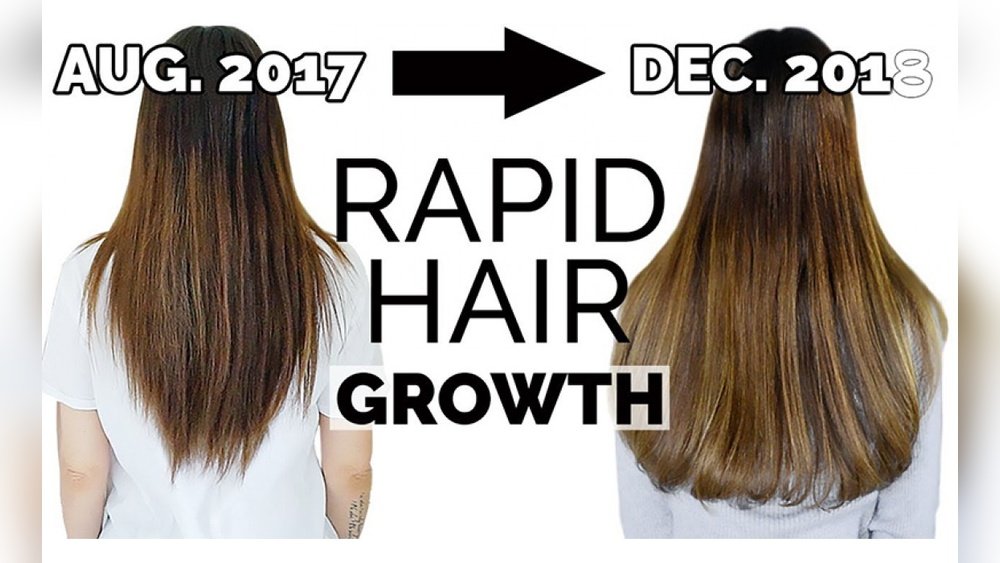
Does trimming your hair actually make it grow faster? You’ve probably heard this one many times — that regular trims speed up hair growth.
It sounds simple and promising, especially if you’re eager to see longer, healthier locks. But is there any truth behind this common belief? The answer might surprise you. While trimming doesn’t speed up growth from the roots, it plays a crucial role in keeping your hair strong and preventing breakage.
This means your hair can retain length better and look fuller over time. If you want to understand how trimming affects your hair’s health and discover what really influences hair growth, keep reading. By the end, you’ll know exactly how to care for your hair to help it grow its best and longest.
Credit: ljic.edu
Hair Growth Basics
Understanding the basics of hair growth helps clarify common myths. Hair growth does not speed up from cutting or trimming. It all begins much deeper than the visible hair strands. Knowing what affects hair growth can guide better hair care choices.
Growth Starts At The Follicle
Hair grows from follicles under the scalp. Each follicle produces a hair strand that pushes upward. The health of the follicle controls the hair’s growth speed and strength. Damage to follicles can slow growth or cause hair loss.
Genetics And Growth Rate
Your genes mostly decide how fast your hair grows. Some people naturally have faster hair growth than others. This rate usually stays constant throughout life. No haircut or treatment can change your genetic growth speed.
Nutrition’s Role
Good nutrition supports healthy hair growth. Hair follicles need protein, vitamins, and minerals to function well. Lack of nutrients can make hair weak and slow down growth. Eating balanced meals helps keep hair strong and growing steadily.
Scalp Health Importance
A clean and healthy scalp creates the best environment for hair growth. Dirt and oil buildup can block follicles. Regular scalp care and gentle massage improve blood flow. This encourages follicles to produce healthy hair faster.

Credit: www.rush.co.uk
Effect Of Trimming On Hair
Trimming hair affects the condition and look of hair more than its growth speed. Hair growth happens at the scalp, inside the follicles. Trimming cuts off damaged ends but does not change how fast hair grows from the roots.
Regular trims help keep hair strong and prevent damage from spreading. This way, hair stays healthy and can grow longer without breaking. Trimming also makes hair look fresh and neat.
No Impact On Growth Speed
Hair grows from the scalp, not the ends. Cutting hair does not speed up the growth process. The rate of growth depends on factors inside the body.
Trimming only removes dead or split ends. It does not affect the activity of hair follicles.
Prevents Breakage
Split ends cause hair to break and look shorter. Trimming stops splits from moving up the hair shaft. This keeps hair strong and prevents loss.
Healthy ends reduce breakage and help maintain hair length over time.
Maintains Hair Health
Trimming removes old, damaged parts of hair strands. This keeps hair healthier and less prone to damage. Healthy hair feels softer and is easier to manage.
Regular cuts support the overall strength and condition of hair.
Improves Hair Appearance
Removing frizz and thinning ends makes hair look thicker and fuller. Trims give hair a neat, polished look. Hair feels smoother and shines more.
Well-trimmed hair appears healthier, even if growth speed stays the same.
Reasons To Trim Regularly
Trimming your hair regularly is important for maintaining healthy strands and a polished look. It helps keep your hair strong and prevents problems that slow down length retention. Regular trims do not speed up hair growth from the scalp, but they improve hair health and appearance.
Here are key reasons to trim your hair often to keep it looking its best and growing well over time.
Removing Split Ends
Split ends damage hair by splitting the strand further. Trimming removes these broken ends. This stops damage from moving up the hair shaft. Without split ends, hair stays stronger and looks smoother.
Avoiding Damage Travel
Damage travels from the ends toward the roots if not trimmed. This causes hair to break and thin out. Cutting hair regularly prevents damage from spreading. It keeps hair strands healthier and less prone to breakage.
Retaining Length Over Time
Trimming does not make hair grow faster, but it helps keep length. Removing damaged ends stops breakage and hair loss. Healthy ends mean your hair holds onto its length better. Over time, this creates the look of longer, fuller hair.
Hair Care Practices For Growth
Healthy hair grows best with good care. Daily habits affect hair strength and growth. Proper care prevents damage and keeps hair looking full. Follow simple routines to support your hair’s natural growth process.
Minimizing Heat And Chemicals
Heat styling tools can dry and weaken hair strands. Limit use of straighteners, curling irons, and blow dryers. Choose lower temperatures to avoid damage. Chemical treatments like coloring and perming harm hair structure. Reduce frequency of these treatments to keep hair healthy. Healthier hair breaks less and stays strong.
Gentle Handling Tips
Rough brushing and towel drying cause breakage. Use a wide-tooth comb to detangle gently. Start combing from the ends and move up slowly. Pat hair dry with a soft towel instead of rubbing. Avoid tight hairstyles that pull on roots. Gentle care protects hair from unnecessary stress.
Use Of Hair Masks And Oils
Hair masks nourish and repair dry strands deeply. Apply masks once or twice a week for best results. Oils like coconut, argan, or olive oil add moisture and shine. Massage oils into the scalp to boost circulation. Regular treatments keep hair soft and resilient. Strong, hydrated hair grows better and looks healthier.
Diet And Supplements
Diet and supplements play a crucial role in hair growth and overall hair health. The nutrients you consume directly affect your hair follicles and the strength of your hair strands. A balanced diet rich in essential nutrients supports faster and healthier hair growth. Supplements can fill nutritional gaps when your diet lacks key vitamins and minerals.
Protein Sources
Hair is mostly made of a protein called keratin. Eating enough protein provides the building blocks for strong hair. Good sources include lean meats, fish, eggs, dairy, beans, and nuts. Plant-based proteins like lentils and chickpeas also support hair growth. Without enough protein, hair may become weak and break easily.
Essential Minerals
Minerals such as iron, zinc, and biotin are vital for hair health. Iron helps carry oxygen to hair follicles, which promotes growth. Zinc supports hair tissue repair and keeps oil glands working properly. Biotin strengthens hair and reduces hair loss. Foods like spinach, pumpkin seeds, and eggs contain these important minerals.
Staying Hydrated
Water keeps your scalp and hair hydrated from the inside. Dehydration can make hair dry and brittle, causing breakage. Drinking enough water helps maintain the elasticity and shine of your hair. Aim for at least 8 glasses of water each day to keep your hair healthy and growing.
Lifestyle Factors Influencing Growth
Hair growth depends on many lifestyle factors beyond just trimming. These factors influence how healthy your hair becomes over time. Good habits support strong follicles and reduce hair loss. Poor choices may slow growth or cause damage.
Stress Management
Stress affects hair growth by disrupting natural cycles. High stress leads to more hair falling out. It can also cause hair to stop growing temporarily. Managing stress with relaxation or exercise helps maintain healthy hair. Less stress means hair follicles stay active longer.
Choosing Quality Products
Hair care products affect scalp and hair health directly. Harsh chemicals can damage hair and irritate the scalp. Use gentle shampoos and conditioners suited for your hair type. Products with natural oils and vitamins nourish hair roots. Good products prevent breakage and keep hair strong.
Considering Medical Treatments
Some medical conditions reduce hair growth. Treatments like minoxidil or finasteride help in certain cases. Always consult a doctor before starting any treatment. Medical advice ensures safe and effective options for hair growth. Treating underlying issues can improve hair health significantly.
How Often To Trim
Knowing how often to trim your hair is key to keeping it healthy. Regular trims help prevent split ends and breakage. This keeps your hair looking fresh and strong. Trimming does not speed up hair growth from the scalp. It helps your hair look longer by stopping damage. But how often should you trim? The answer depends on your hair type and goals.
Frequency Recommendations
For most people, trimming every 6 to 8 weeks works well. This timing stops split ends from spreading. If your hair grows fast, trim every 4 to 6 weeks. Slow growers can wait 8 to 12 weeks. Curly and textured hair may need trims less often. Dry or damaged hair may need trims more often. Find a schedule that fits your hair’s needs.
Signs You Need A Trim
Look for split ends or frayed tips. Hair that feels rough or looks dull needs trimming. If your hair breaks easily, it is time to trim. Tangled hair that won’t smooth out also signals damage. Uneven ends or a scraggly look show it is time. Trimming these damaged parts keeps your hair healthy. Watch your hair’s condition to decide when to cut.

Credit: veenourish.com
Frequently Asked Questions
Does Trimming Hair Increase Growth?
Trimming hair does not speed up growth from the scalp. It removes split ends, preventing breakage. This keeps hair healthy and helps retain length, making hair appear longer and thicker over time.
How Can I Speed Up Hair Growth?
Eat a balanced diet rich in protein, iron, and vitamins. Massage your scalp regularly to boost circulation. Avoid excessive heat and harsh chemicals. Trim split ends to prevent breakage. Stay hydrated and handle hair gently to maintain healthy growth.
How Often Should You Trim Your Hair For Growth?
Trim your hair every 6 to 8 weeks to remove split ends and prevent breakage. Regular trims keep hair healthy, helping it retain length and appear longer over time.
Is It Good To Trim Your Hair When Growing It Out?
Trimming hair doesn’t speed scalp growth but prevents split ends and breakage. It keeps hair healthy, helping retain length and appear fuller. Regular trims improve hair’s look and strength during growth.
Conclusion
Trimming hair does not speed up growth from the scalp. Hair grows from follicles, not ends. Regular trims remove split ends and prevent breakage. This helps keep hair healthy and strong. Healthy hair looks longer and fuller over time. Good nutrition and scalp care support true hair growth.
Trims help maintain length by reducing damage. Keep your hair trimmed to avoid splits and breakage. This keeps your hair looking its best.
As an Amazon Associate, I earn from qualifying purchases.
Lovingshe is a participant in the Amazon Services LLC Associates Program which is an affiliate advertising program designed to provide a means for sites to earn advertising fees by advertising and linking to Amazon.com. Amazon may use cookies to track referrals from our site. Visit Amazon’s privacy policy for details
