


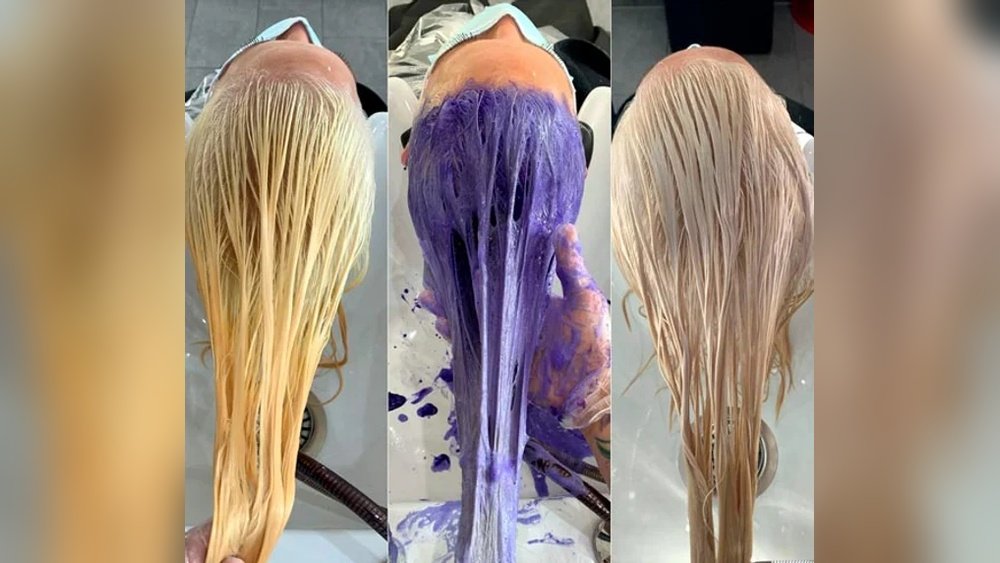
Are you wondering if toner could be harming your hair? You’re not alone.
Many people ask, “Does toner damage hair? ” because while toner promises beautiful, vibrant color, the fear of dry, brittle strands holds them back. The truth is, toner itself isn’t the villain—it’s how you use it and the condition of your hair that truly matter.
You’ll discover what toner really does, how it interacts with your hair, and simple tips to protect your locks while keeping that perfect shade. Keep reading to learn how to enjoy gorgeous hair without the worry of damage.
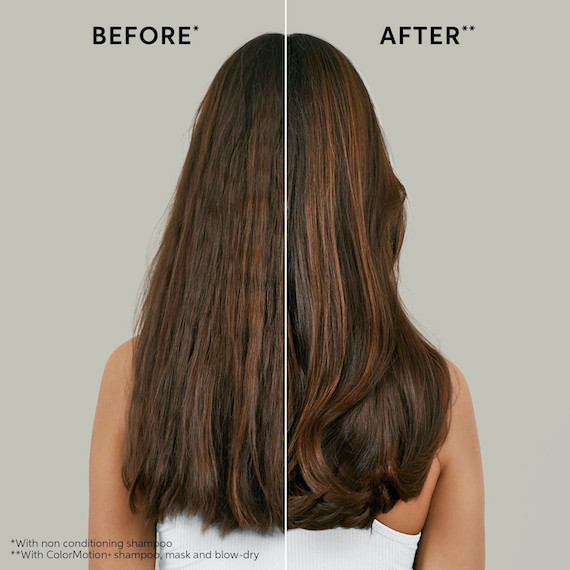
Credit: uk.wella.professionalstore.com
What Toner Does
Toner plays a key role in hair coloring. It refines the shade after bleaching or dyeing. Toner helps to remove unwanted tones and enhances the hair’s overall look. It creates a fresh, natural finish.
Purpose Of Toner
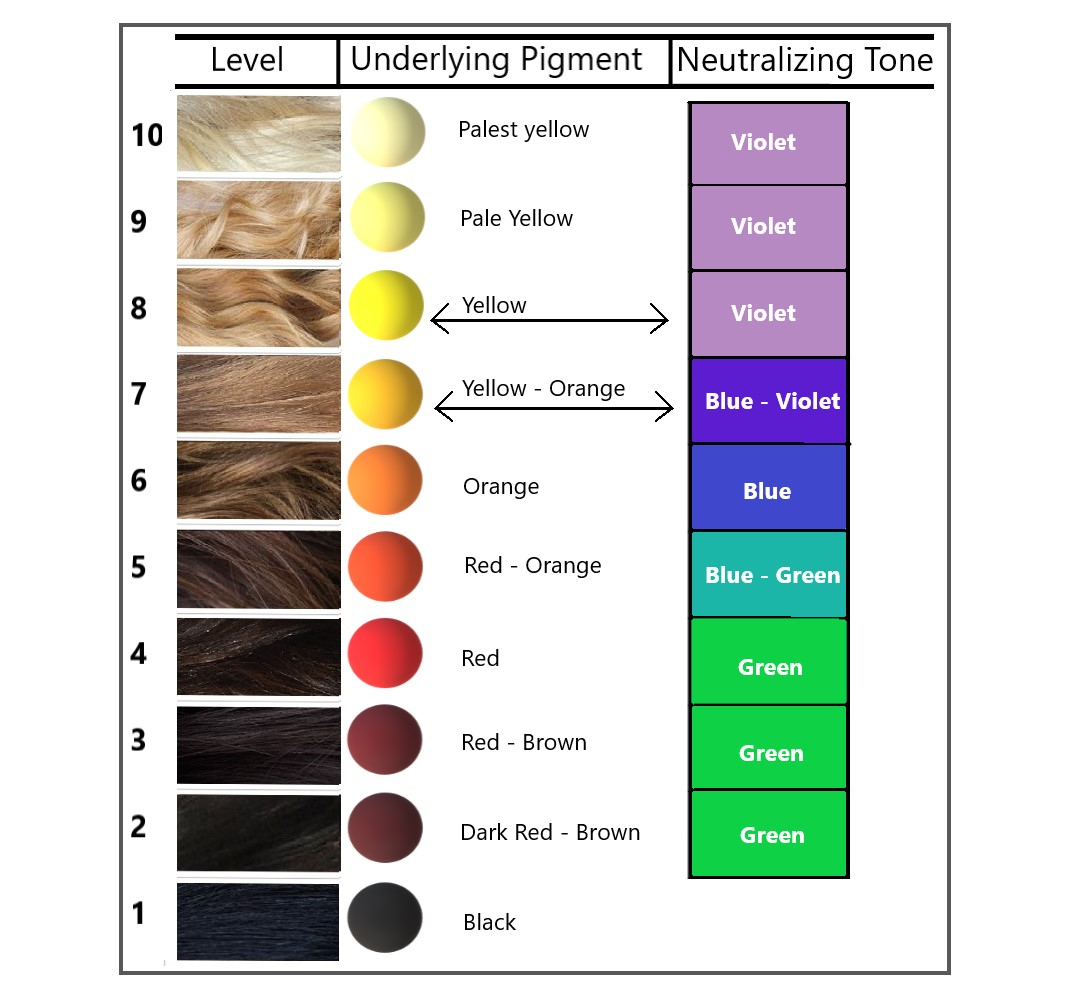
Toner corrects hair color by neutralizing brassy or yellow hues. It softens harsh tones and brings balance. Many use toner to achieve cooler or ashier shades. It also adds shine and smoothness to hair. Toner works gently without heavy damage.
Toner Vs Hair Dye
Toner is not the same as hair dye. Hair dye changes the base color of hair. Toner adjusts the tone after bleaching or dyeing. Toners use less harsh chemicals and lower peroxide. They are less damaging and last shorter than dyes. Toner refreshes color without a full color change.
Types Of Toners
Salon toners come in cream, liquid, or gel forms. These require a developer for activation. At-home toners are milder and easier to use. Toning shampoos and conditioners slowly deposit color while cleansing. They maintain tone between salon visits. Each type suits different needs and hair conditions.
How Toner Affects Hair
Toner changes the hair’s color tone by neutralizing unwanted shades.
It works on bleached or lightened hair to create a balanced look.
The effects depend on the toner type and hair condition before use.
Chemical Impact
Toners contain mild chemicals like ammonia and peroxide.
These chemicals open the hair cuticle slightly to deposit color.
This process alters hair pigment but can weaken hair structure.
Effect On Hair Health
Toners are gentler than permanent dyes but still affect hair health.
Repeated toning can lead to dryness and rough texture.
Healthy hair recovers faster, but damaged hair may break more easily.
Common Side Effects
Some users experience scalp irritation or itching after toning.
Hair might feel brittle or look dull if overused.
Proper aftercare helps reduce these side effects and maintain shine.
When Toner Causes Damage
Toners are popular for adjusting hair color after bleaching or lightening. They help remove unwanted tones and create a fresh look. Despite their benefits, toners can sometimes harm hair. Understanding the risks helps protect your hair health and maintain color quality.
Damage usually happens due to improper use or certain hair conditions. The following sections explain common causes of toner damage. Knowing these can prevent hair breakage and dryness after toning.
Over-processing Risks
Applying toner too often or leaving it on too long stresses hair. Over-processing breaks down hair proteins and weakens strands. Hair becomes dry, brittle, and prone to split ends. This damage is often hard to repair without cutting damaged parts.
Using High Developer Volume
High volume developer contains more peroxide, which opens hair cuticles more aggressively. This leads to faster color changes but also more damage. Using 20 or 30 volume developer with toner can dry hair and cause breakage. Lower volume developers are safer for delicate or previously treated hair.
Toning On Damaged Hair
Hair already damaged from bleaching or heat styling is more vulnerable. Toning on fragile hair can increase porosity and cause uneven color absorption. This worsens dryness and makes hair look dull and rough. Always assess hair condition before applying toner to avoid further damage.
Credit: theradome.com
Minimizing Damage From Toner
Toners can refresh hair color and reduce unwanted tones. Yet, improper use may cause damage. Minimizing damage helps maintain healthy, vibrant hair. Following key steps ensures safer toning and better results.
Choosing The Right Developer
Select a developer with low volume to protect hair. Developers with 10 or 20 volume cause less damage. Avoid stronger developers unless necessary for desired results. Lower volume reduces hair cuticle stress and dryness. Match developer strength to hair condition and toner type.
Assessing Hair Condition
Check hair health before toning. Damaged or porous hair absorbs toner unevenly. Avoid toning if hair is brittle or weak. Give hair time to recover between chemical treatments. Use deep conditioning treatments to strengthen hair beforehand.
Proper Application Techniques
Apply toner evenly to prevent patchy color. Avoid overlapping on previously toned sections. Follow manufacturer instructions carefully for timing. Rinse toner out promptly to stop processing. Use gloves and tools designed for coloring to protect hair and skin.
Aftercare Tips
Use sulfate-free shampoos to preserve toner and moisture. Avoid washing hair with hot water, as it fades color faster. Apply conditioners and masks regularly to restore hydration. Limit heat styling to reduce further damage. Protect hair from sun exposure with hats or sprays.
Safe Toning Frequency
Knowing the safe toning frequency helps keep hair healthy and vibrant. Over-toning can cause dryness and damage. Proper timing lets hair recover between sessions. It also maintains the desired shade longer. Understanding factors like hair type and product choice plays a key role in safe toning.
Following a careful toning schedule reduces risks. It protects the hair cuticle and avoids brittleness. Safe toning means beautiful, shiny hair without harm.
Factors Affecting Timing
Hair condition affects how often you can tone. Damaged hair needs more time to heal between toners. The color you want also changes timing. Ashy or pastel tones fade faster and need more frequent toning. Washing hair daily with hot water removes toner quicker. Using sulfate-free shampoos helps keep tone longer. Sun exposure fades toner, so protect hair from UV rays.
Hair Type Considerations
Fine hair is more sensitive and can damage easily. It needs longer breaks between toning sessions. Thick or coarse hair handles toning better and may need it more often. Porous hair absorbs toner quickly but fades fast too. Normal hair can follow general toning guidelines safely. Always adjust toning frequency based on how your hair feels and looks.
Product Choices To Extend Tone
Choose gentle toners with less harsh chemicals. Toning shampoos and conditioners add color slowly and safely. Use products designed for your hair type. Sulfate-free and pH-balanced products protect hair color. Leave-in conditioners and heat protectants help maintain tone. Avoid harsh bleach or strong developers. These products extend the life of your toner and keep hair healthy.
Alternatives To Traditional Toners
Traditional hair toners often use strong chemicals that can weaken hair strands. Many people seek gentler ways to refresh their hair color. Several alternatives offer color correction with less damage. These options help maintain hair health while keeping tones vibrant. Choose methods that suit your hair type and color goals.
Demi-permanent Toners
Demi-permanent toners use low levels of peroxide. They deposit color without lifting natural hair pigment. This means less damage compared to permanent toners. The color lasts for about 20 to 28 washes. These toners add shine and reduce brassiness softly. Ideal for delicate or already damaged hair.
Toning Shampoos And Conditioners
Toning shampoos and conditioners contain mild pigments. They refresh hair color with every wash. These products gently neutralize unwanted tones like yellow or orange. They also hydrate and strengthen hair strands. Use them regularly for gradual color improvement. Safe for daily use and color maintenance.
Zero-damage Options
Zero-damage toning includes natural and color-safe methods. Examples are herbal rinses and color-depositing masks. These products avoid harsh chemicals and protect hair cuticles. They enhance hair tone while improving texture and softness. Perfect for sensitive scalps or very fragile hair. Choose these for a gentle, damage-free glow.
Signs Of Toner Damage
Using toner on hair can enhance color and remove unwanted tones. Yet, it may sometimes cause damage. Recognizing signs of toner damage helps protect hair health early. Watch for changes in texture, color, and scalp condition. These clues show if your hair needs special care or a break from toning.
Dryness And Brittleness
Toner can strip natural oils from hair strands. Hair feels dry and rough to touch. It breaks easily when combed or brushed. Split ends may appear more frequently. This dryness weakens hair and reduces shine.
Uneven Color
Toner should create smooth, even tones. Uneven color means toner did not absorb well. Patches of lighter or darker shades appear. Hair may look blotchy or patchy. This happens when hair is too porous or damaged.
Scalp Irritation
Toner chemicals can irritate sensitive skin on the scalp. You might feel itching, redness, or burning. In some cases, small bumps or dryness occur. These signs suggest toner is too harsh or left on too long. Protect your scalp by rinsing thoroughly and using gentle products.
Credit: wimpoleclinic.com
Frequently Asked Questions
Is Toner Healthier Than Hair Dye?
Toner is generally gentler than hair dye because it uses less hydrogen peroxide. It causes less damage and dryness. Toner enhances or softens color without permanent chemical changes. Hair dye penetrates deeper, often leading to more damage. Choose toner for a healthier, less damaging option.
How Often Is It Safe To Tone Your Hair?
Safe toning frequency depends on hair health and color. Generally, tone hair every 4-6 weeks to avoid damage and maintain color. Use gentle formulas and proper aftercare to protect hair. Avoid over-toning to prevent dryness and breakage.
How Can I Tone My Hair Without Damaging It?
Use gentle, demi-permanent toners with low developer levels. Avoid over-toning and assess hair health beforehand. Apply nourishing aftercare and limit heat styling. Choose sulfate-free shampoos and protect hair from UV rays to maintain tone without damage.
Does Wella Toner Damage Hair?
Wella toner can damage hair if used with high developer or on already damaged hair. Use low developer and proper aftercare to minimize damage.
Conclusion
Toner does not always damage hair if used carefully. Choosing the right toner and developer strength matters. Avoid over-processing or leaving toner on too long. Healthy hair handles toning better than damaged hair. Proper aftercare, like moisturizing and gentle washing, helps protect hair.
Use sulfate-free shampoos to keep toner effects longer. Limit sun exposure to prevent fading and dryness. Regular touch-ups should be spaced out to avoid harm. Overall, toner can enhance hair color without causing serious damage. Handle with care for the best results.
As an Amazon Associate, I earn from qualifying purchases.
Lovingshe is a participant in the Amazon Services LLC Associates Program which is an affiliate advertising program designed to provide a means for sites to earn advertising fees by advertising and linking to Amazon.com. Amazon may use cookies to track referrals from our site. Visit Amazon’s privacy policy for details
