


Are you worried that using THC might be causing your hair to thin or fall out? It’s a question many people ask but few get clear answers to.
Hair loss can feel frustrating and confusing, especially when you’re not sure what’s triggering it. If you’ve been using cannabis or THC products, you might wonder if there’s a link between your habit and your hair’s health. The truth is, THC doesn’t directly cause hair loss for everyone, but it can play a role in disrupting your hair growth in several surprising ways.
Keep reading to discover how THC might affect your hair, what science says, and what steps you can take to protect your locks and confidence.
Cannabis And Hair Loss Link
Many wonder if cannabis use causes hair loss. The connection is not simple or direct. Cannabis, especially THC, may influence factors that affect hair health. Understanding these factors helps clarify the link between cannabis and hair loss.
Research shows THC can affect hormones linked to hair growth. It may increase stress hormones like cortisol or alter testosterone levels. These changes can trigger hair shedding or slow hair growth.
How Cannabis May Affect Hair Hormones
THC interacts with the body’s hormone system. It may raise dihydrotestosterone (DHT), a hormone tied to hair loss. High DHT levels can shrink hair follicles and shorten the hair growth cycle. Stress hormones like cortisol may also rise, causing temporary hair shedding called telogen effluvium.
Thc’s Impact On Hair Follicles
THC binds to receptors found in hair follicles. This may slow down protein production needed for hair growth. Slower growth can lead to thinning hair over time. The hair cycle may become disrupted, causing more hairs to enter the shedding phase.
Indirect Effects: Nutrition And Lifestyle
Heavy cannabis use might affect diet and sleep. Poor nutrition can reduce vitamins and minerals essential for strong hair. Cannabis may also impact sleep quality, increasing stress levels. Both poor diet and stress are known causes of hair loss.
Smoking Cannabis And Scalp Health
Smoking cannabis introduces harmful chemicals to the scalp. This reduces blood flow and oxygen supply to hair follicles. Poor scalp circulation weakens hair roots and can cause hair to fall out more easily.
Individual Differences In Hair Loss Risks
Hair loss risk varies by person. Genetics, cannabis dose, and use frequency all matter. Some may see no effects, while others experience noticeable hair thinning. How cannabis is consumed also plays a role; smoking may have different effects than edibles.
Hormonal Effects Of Thc
The hormonal effects of THC play a key role in understanding its impact on hair health. THC interacts with the body’s endocrine system, which controls hormone production and balance. These changes can influence hair growth cycles and potentially lead to hair loss. Exploring how THC affects specific hormones provides insight into this connection.
Testosterone And Dht Changes
THC may alter testosterone levels in the body. Testosterone is a male hormone important for hair growth. THC can sometimes reduce testosterone production, but it may also increase levels of dihydrotestosterone (DHT).
DHT is a hormone linked to hair loss, especially in male pattern baldness. Higher DHT levels shrink hair follicles and shorten the hair growth phase. This process causes thinner hair and more shedding over time. THC’s influence on DHT could indirectly contribute to hair thinning in some users.
Cortisol And Stress Hormones
THC use can raise cortisol, the body’s main stress hormone. Elevated cortisol triggers a type of hair loss called telogen effluvium. This condition causes hair follicles to enter the resting phase prematurely, leading to shedding.
Stress and poor sleep, often linked to high cortisol, worsen hair loss. THC’s effects on cortisol and stress response might disrupt the normal hair growth cycle. Managing stress and monitoring THC intake can help protect hair health.
Thc Impact On Hair Growth
THC, the active compound in cannabis, may affect hair growth in several ways. It interacts with the body’s systems that regulate hair follicles. These effects can influence the hair growth cycle and overall hair health.
Understanding how THC impacts hair growth helps clarify its role in hair loss concerns. Research suggests that THC might interfere with key biological processes within hair follicles. This interference can slow down or disrupt normal hair production.
Hair Follicle Receptor Interaction
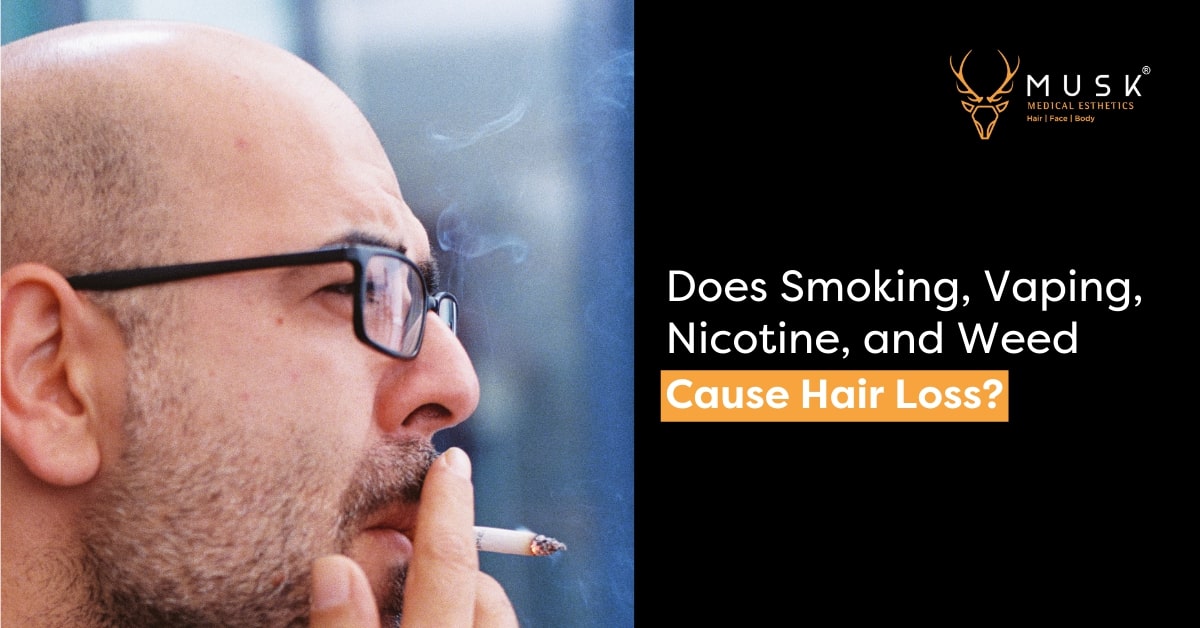
Hair follicles contain cannabinoid receptors called CB1 and CB2. THC binds to these receptors and changes how follicles function. This binding can disrupt signals that promote healthy hair growth.
When THC activates these receptors, it may reduce hair follicle activity. This results in slower hair growth or premature entry into the resting phase. Over time, this can lead to thinning hair or increased shedding.
Protein Synthesis Disruption
Hair growth relies on protein synthesis inside hair follicle cells. THC may interfere with this process. Disrupted protein production weakens the hair structure and growth cycle.
Reduced protein synthesis means hair strands become fragile and break easily. This can cause noticeable hair loss after extended THC exposure. Maintaining proper protein levels is essential for strong, healthy hair.
Credit: muskclinic.com
Lifestyle Factors And Hair Health
Lifestyle plays a major role in hair health. Habits and daily choices affect hair strength and growth. THC use can influence these factors indirectly. Understanding lifestyle impacts helps to see how THC might relate to hair loss.
Nutritional Deficiencies From Use
Frequent cannabis use may affect appetite and food choices. Poor nutrition limits vitamins and minerals essential for hair. Deficiencies in vitamins A, C, D, and B complex can weaken hair follicles. Lack of iron and magnesium also harms hair growth. Balanced nutrition supports healthy hair and scalp.
Sleep Quality And Stress Levels
THC can change sleep patterns and quality. Poor sleep raises stress hormone cortisol. High cortisol causes hair follicles to enter resting phase early. Stress triggers hair shedding and slows growth. Good sleep and low stress are vital for hair health.
Effects Of Smoking Cannabis
Smoking cannabis exposes the scalp to toxins and reduces blood flow. Lower blood circulation means fewer nutrients reach hair roots. Chemicals in smoke damage hair cells and scalp skin. This can lead to weaker hair and increased shedding. Choosing non-smoking methods may reduce these effects.
Variability In Individual Response
People react differently to THC when it comes to hair loss. Some notice thinning hair, while others see no change. This difference comes from many factors that affect how the body responds to THC. Understanding these factors helps clarify why hair loss linked to THC is not the same for everyone.
Genetics And Hair Loss Risk
Genetics play a key role in hair loss risk. Some people inherit genes that make them prone to hair thinning or baldness. For these individuals, THC might speed up hair loss by affecting hormones. Others with strong hair genetics may not see any impact from THC use at all.
Frequency And Dosage Influence
The amount and how often someone uses THC matter a lot. High doses taken frequently might increase the chance of hair loss. Low or occasional use usually has less effect on hair health. The body’s reaction can build up over time with regular use.
Consumption Methods
How THC is consumed also changes its effects. Smoking can reduce blood flow to the scalp and add harmful chemicals, which may harm hair follicles. Edibles and oils avoid this issue but still affect hormones. Each method influences hair health differently.
Credit: naturaltransplants.com
Reversibility And Prevention
Hair loss linked to THC and cannabis use often raises concerns about reversibility and prevention. Understanding how to stop or reverse hair thinning helps many users maintain healthy hair. Changes in lifestyle and habits can restore hair growth and reduce shedding. Taking simple steps can improve scalp health and overall well-being.
Reducing Cannabis Intake
Cutting down on cannabis use can lower the risk of hair loss. Less THC means fewer hormonal changes that affect hair follicles. Choosing occasional use over daily consumption supports hair recovery. Switching to low-THC products may also help reduce negative effects. Avoiding smoking and trying other consumption methods can protect scalp circulation.
Improving Nutrition
Good nutrition plays a key role in preventing hair loss. Eating foods rich in vitamins A, C, D, and B helps hair grow strong. Minerals like iron and magnesium support scalp health and reduce shedding. Drinking enough water keeps hair hydrated and shiny. Adding protein to the diet provides building blocks for new hair strands.
Seeking Medical Advice
Consulting a healthcare professional can guide proper treatment. Doctors may recommend tests to check hormone levels or nutrient deficiencies. A dermatologist or trichologist can suggest topical or oral treatments. Early medical help improves chances of reversing hair loss. Professional advice ensures safe and effective care tailored to individual needs.
Common Hair Loss Conditions
Hair loss affects millions worldwide and has many causes. Understanding common hair loss conditions helps identify the root problem. These conditions differ in symptoms and treatment methods. Knowing the type of hair loss guides better care and management.
Two common hair loss conditions are Telogen Effluvium and Male Pattern Baldness. Each affects hair differently and has distinct triggers.
Telogen Effluvium
Telogen Effluvium causes sudden hair shedding. It happens when many hair follicles enter the resting phase. Stress, illness, or hormonal changes trigger this condition. Hair loss appears as diffuse thinning across the scalp. This condition is often temporary and reversible. Reducing stress and improving health can help hair regrow. THC may contribute by increasing stress hormones like cortisol. This can push hair into the shedding phase prematurely.
Male Pattern Baldness
Male Pattern Baldness is a genetic condition. It causes hair thinning mainly on the temples and crown. The hormone DHT plays a key role in this type. DHT shrinks hair follicles, leading to weaker hair. THC can affect testosterone levels and possibly increase DHT. This might speed up hair loss in those genetically prone. This condition usually progresses slowly and is permanent. Treatments focus on slowing hair loss and stimulating growth.
Credit: www.hairline.com
Frequently Asked Questions
Is Thc Related To Hair Loss?
THC may indirectly contribute to hair loss by altering hormones, disrupting the hair growth cycle, reducing nutrition, and affecting sleep quality. Frequent, high-THC use can increase stress hormones and DHT, which are linked to hair thinning and shedding. Effects vary by individual and usage.
Does Thc Directly Cause Hair Loss?
THC does not directly cause hair loss but may contribute indirectly. It affects hormones like cortisol and DHT, which can disrupt hair growth cycles and lead to thinning.
How Does Thc Affect Hair Growth Cycles?
THC binds to hair follicle receptors, potentially slowing protein synthesis. This disruption may hinder hair growth and cause temporary shedding or thinning over time.
Can Smoking Cannabis Worsen Hair Loss?
Yes, smoking cannabis can reduce scalp blood flow and introduce harmful chemicals. These factors may exacerbate hair thinning, similar to the effects of tobacco smoking.
Conclusion
THC may affect hair health indirectly through hormones and lifestyle. Hair loss is rarely caused by THC alone. Many factors like genetics and diet also play roles. Reducing THC use and improving nutrition can help. Always talk to a healthcare expert for advice.
Taking care of your scalp supports healthy hair growth. Small changes often lead to better hair and confidence. Stay informed and listen to your body’s signals.
As an Amazon Associate, I earn from qualifying purchases.
Lovingshe is a participant in the Amazon Services LLC Associates Program which is an affiliate advertising program designed to provide a means for sites to earn advertising fees by advertising and linking to Amazon.com. Amazon may use cookies to track referrals from our site. Visit Amazon’s privacy policy for details
