


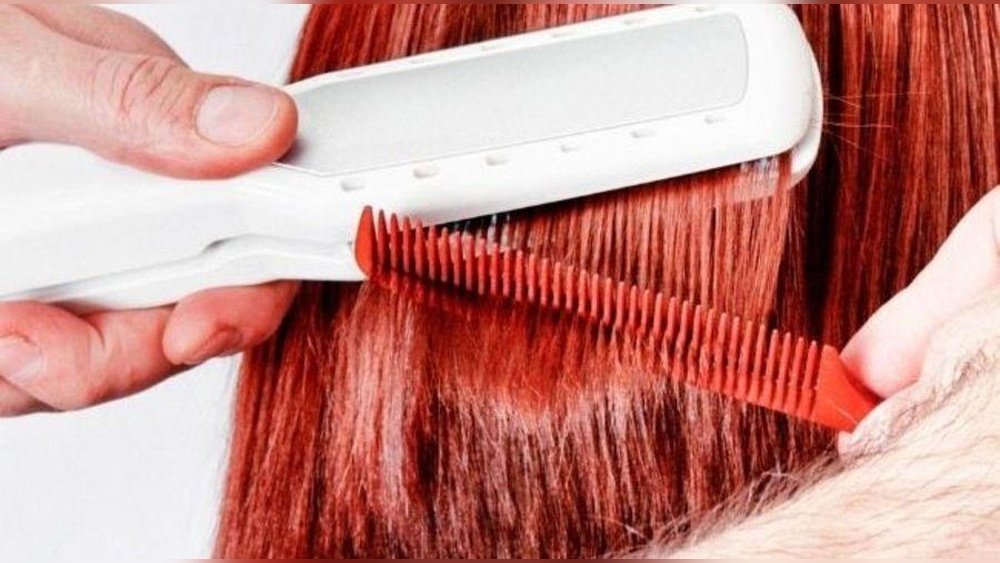
If you’re dealing with the frustration of head lice, you might be wondering if straightening your hair could be a quick fix. After all, applying heat seems like a logical way to kill these tiny pests.
But does using a hair straightener actually kill lice? Before you reach for your flat iron, it’s important to understand what really works and what could do more harm than good. You’ll discover the truth behind heat treatments, the risks of using hair straighteners, and safer, proven methods to get rid of lice for good.
Keep reading to find out how to protect your scalp and your hair while effectively tackling lice.

Credit: www.chemist-4-u.com
Heat And Lice
Heat plays a significant role in managing head lice infestations. Many people wonder if applying heat through hair straightening tools can kill lice effectively. Understanding how heat affects lice and the scientific evidence behind heat treatments helps clarify this question. Controlled heat can harm lice, but not all heat methods work the same way.
How Heat Affects Lice
Head lice are sensitive to high temperatures. Heat can dry out lice and their eggs (nits), leading to death. Professional treatments use specific heat levels to target lice without damaging the scalp. However, common hair straighteners may not reach or maintain the required heat for long enough. Uneven heat or low temperatures might only stun the lice temporarily. Direct contact and proper heat exposure matter for effective lice removal.
Scientific Studies On Heat Treatment
Research shows that specialized hot air devices can kill lice and nits safely. These devices deliver consistent heat and airflow to penetrate hair shafts and scalp areas. Studies published by health organizations confirm the success of these treatments. In contrast, home hair tools like blow dryers or flat irons lack temperature control and uniform heat distribution. Scientific data advises caution using home heat methods alone for lice eradication. Combining heat with combing or other treatments increases chances of full removal.

Credit: www.chemist-4-u.com
Using Hair Straighteners
Using hair straighteners to remove lice is a topic many wonder about. These tools apply heat to hair strands. Heat can affect lice and their eggs. But the results vary depending on how the tools are used. Understanding the role of flat irons helps in making informed choices.
Effectiveness Of Flat Irons
Flat irons reach high temperatures, often over 350°F (175°C). This heat can kill lice on contact. Lice cannot survive extreme heat for long. Flattening hair with a hot iron may destroy lice and some eggs. Yet, heat may not reach all lice or nits, especially near the scalp.
Flat irons work on small sections of hair at a time. Missing spots allows lice to survive and spread again. Heat must be applied carefully and evenly. Flat irons alone rarely remove lice fully. They work best combined with other treatments.
Risks Of Straightening For Lice Removal
Using flat irons for lice removal carries risks. High heat can burn the scalp and damage hair. Scalp burns cause pain and possible infection. Hair may become dry, brittle, and prone to breakage. Overheating hair to kill lice is unsafe without experience.
Flat irons do not kill all lice eggs, called nits. Surviving nits hatch later, causing reinfestation. Relying only on straightening can delay proper treatment. Safe and effective methods include fine-toothed combing and medicated treatments.
Professional Heat Treatments
Professional heat treatments offer a targeted way to kill head lice using controlled heat. Unlike home hair straighteners or dryers, these treatments use specific temperatures and airflow to safely remove lice and their eggs. Experts recommend these methods for their precision and effectiveness.
Specialized Devices Like Lousebuster
The Lousebuster is a device designed to kill lice using warm air. It blows hot air evenly on the scalp and hair. This heat dries out and kills lice and nits without chemicals. The process is painless and safe for all ages. Clinics often use Lousebuster for reliable lice removal.
Controlled Hot Air Benefits
Controlled hot air treatments maintain a steady temperature that kills lice quickly. The heat penetrates hair strands and scalp areas where lice hide. This method prevents burns or damage to the scalp. It also reduces the chance of lice returning. Controlled hot air is more effective than random heat from home tools.

Credit: www.licedoctors.com
Limitations Of Home Heat Tools
Home heat tools like hair straighteners and dryers are common for styling. Many wonder if these tools can kill lice effectively. These devices have limits that reduce their ability to eliminate lice completely. Understanding these limitations is crucial before relying on heat tools for lice treatment.
Inconsistent Temperature And Airflow
Home heat tools do not provide even heat across the hair. Temperature varies from one section to another. Lice and eggs need a specific high temperature to die. Uneven heat allows some lice to survive. Airflow from dryers is often weak and scattered. This inconsistency lowers the chance of killing all lice and nits.
Potential Scalp Burns
Heat tools can cause burns if used improperly. The scalp skin is delicate and sensitive. High temperatures may lead to redness, pain, or blisters. People may avoid high heat to protect their scalp. Lower heat reduces the tool’s effectiveness against lice. This risk makes home heat tools less safe for lice removal.
Alternative Lice Removal Methods
Heat from hair straighteners alone does not reliably kill lice or their eggs. Alternative lice removal methods offer safer and more effective options. These methods focus on removing lice physically or chemically, reducing the risk of scalp burns and incomplete treatment. Below are some proven approaches to fight lice infestations.
Manual Combing With Nit Combs
Manual combing uses a fine-toothed nit comb to remove lice and eggs from hair strands. This method requires patience and thoroughness. Combing should be done on wet hair for best results. Repeat every few days until no lice or nits remain. It is chemical-free and safe for all ages.
Medicated Treatments And Shampoos
Medicated shampoos contain insecticides that kill lice on contact. Follow package instructions carefully to avoid side effects. Some shampoos also help loosen nits for easier removal. Use only approved products to ensure safety. These treatments often need a second application after a week.
Prescription Options For Stubborn Cases
Doctors may prescribe stronger treatments if lice resist over-the-counter products. Prescription medications include lotions and creams with different active ingredients. They require a medical diagnosis and careful use. Prescription options target lice that survive regular treatments or cause severe infestations.
Household Cleaning Tips
Dealing with lice requires more than treating hair alone. Household cleaning helps stop lice from spreading. Cleaning your home thoroughly removes lice and their eggs from surfaces and objects. This step is essential to prevent re-infestation. Simple cleaning methods can effectively reduce lice presence in your environment.
Washing And Vacuuming Infested Items
Wash clothes, bed linens, and towels in hot water. Use the highest heat setting your fabrics can handle. Heat kills lice and their eggs quickly. Dry items in a hot dryer for at least 20 minutes.
Vacuum carpets, furniture, and car seats carefully. Focus on areas where infested people spend time. Vacuuming removes lice and hairs with eggs attached. Dispose of vacuum bags or clean canisters after use to avoid spreading lice.
Freezing Objects To Kill Lice
Some items cannot be washed or vacuumed easily. Place these in a sealed plastic bag. Freeze the bag at 0°F (-18°C) for at least 48 hours. Freezing kills lice and their eggs effectively.
Toys, hats, and hairbrushes respond well to freezing. This method is safe and chemical-free. It complements washing and vacuuming for thorough cleaning.
Fastest Ways To Remove Lice
Removing lice quickly requires a clear plan and effective methods. Combining treatments and careful combing can speed up the process. Using products that smother lice helps stop them fast. These methods reduce lice numbers and clear hair safely.
Combining Treatments And Combing
Use lice-killing shampoo or lotion first. Follow the instructions carefully for best results. After treatment, use a fine-toothed lice comb. Combing removes dead lice and eggs from hair.
Repeat combing every few days. This ensures no lice or nits remain hidden. Combining chemical treatments with combing gives a faster, better clean. It lowers the chance of lice coming back.
Using Dimethicone-based Products
Dimethicone is a silicone oil that suffocates lice. It coats lice and nits, stopping their breathing. These products are safe for most people and gentle on hair. They work without harsh chemicals.
Apply dimethicone-based products as directed on the package. Leave them on for the recommended time. Then comb hair carefully to remove lice and eggs. Dimethicone products speed up lice removal and reduce irritation.
Frequently Asked Questions
Does Using Heat On Your Hair Kill Lice?
Using controlled heat can kill lice and their eggs, but home hair dryers or straighteners often lack consistent temperature and airflow for full effectiveness. Professional heat treatments or fine-toothed combing provide safer, more reliable lice removal than DIY heat methods.
What Is The Fastest Way To Get Rid Of Lice In Your Hair?
The fastest way to get rid of lice is using medicated treatments with dimethicone and thorough nit combing. Repeat after 7-10 days. Heat treatments by professionals also effectively kill lice and eggs safely. Avoid home straighteners to prevent scalp burns and incomplete removal.
Will Heat From A Hair Dryer Kill Lice?
Heat from a regular hair dryer usually cannot kill lice effectively. Professional heat treatments with controlled hot air work better. Home dryers lack consistent temperature and airflow to eradicate lice fully. Use fine-toothed combs or specialized treatments for safer, more reliable lice removal.
Why Do Lice Prefer Straight Hair?
Lice prefer straight hair because it is easier to move through and attach their eggs. Curly hair creates more obstacles for them.
Conclusion
Straightening hair alone does not guarantee killing lice. Heat from straighteners may not reach all lice and eggs. Uneven heat risks scalp burns and hair damage. Professional heat treatments use controlled air to kill lice safely. Using a fine-toothed comb remains the best way to remove lice.
Combining combing with proper treatments offers the most reliable results. Always choose safe, proven methods to protect your scalp and hair. Taking care helps prevent lice from returning quickly.
As an Amazon Associate, I earn from qualifying purchases.
Lovingshe is a participant in the Amazon Services LLC Associates Program which is an affiliate advertising program designed to provide a means for sites to earn advertising fees by advertising and linking to Amazon.com. Amazon may use cookies to track referrals from our site. Visit Amazon’s privacy policy for details
