


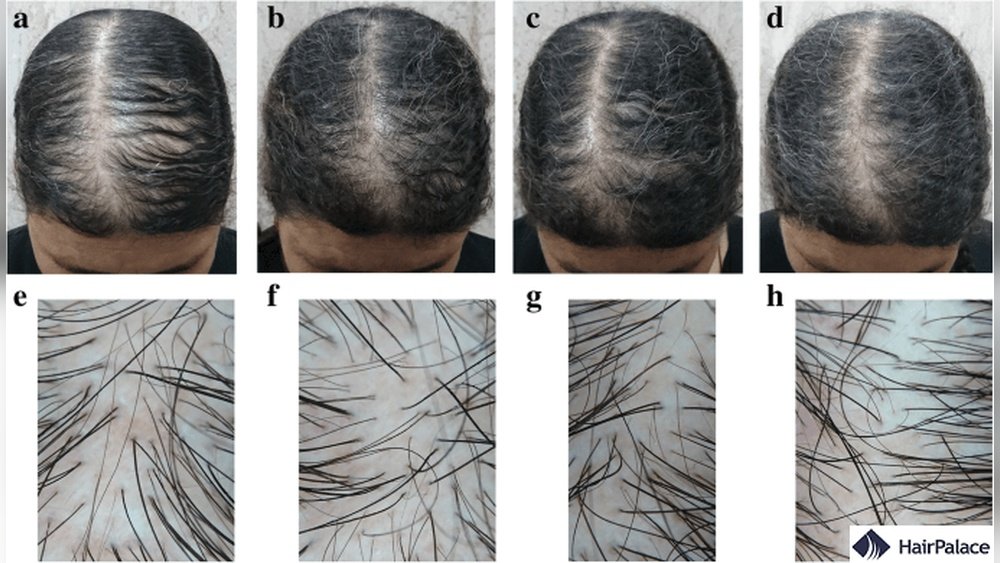
Are you worried that using Nizoral might be making your hair fall out? You’re not alone.
Many people turn to Nizoral shampoo to fight dandruff and scalp issues but then wonder if it could actually harm their hair. The truth is, Nizoral isn’t known to cause hair loss for most users. However, some side effects like dryness or scalp irritation could lead to temporary shedding or discomfort.
If you want to understand exactly how Nizoral affects your hair and when to be cautious, keep reading. This guide will help you protect your scalp and maintain healthy hair while using Nizoral.
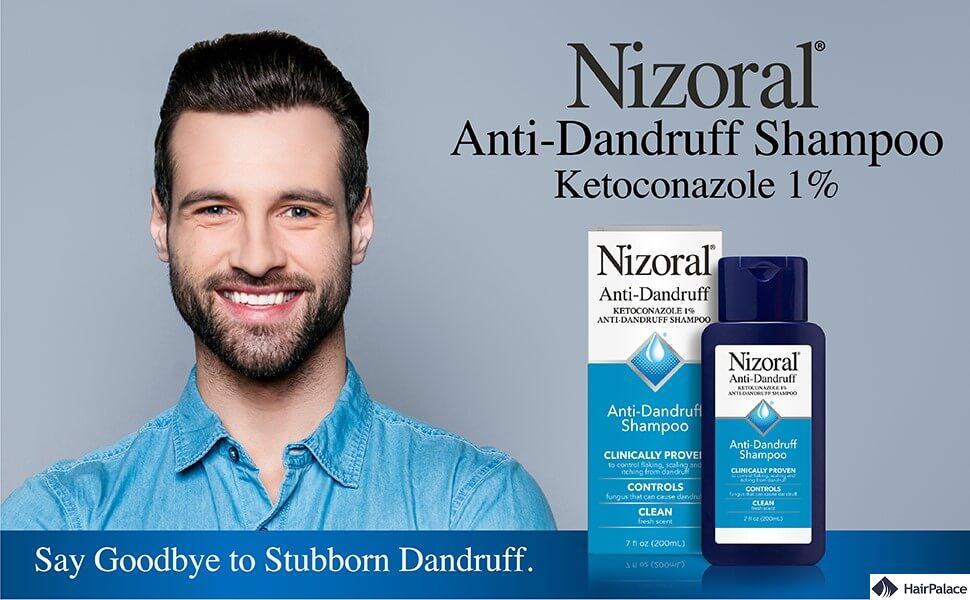
Credit: www.hairpalace.co.uk
Nizoral And Hair Health
Nizoral plays a notable role in managing scalp conditions that affect hair health. Its active ingredient, ketoconazole, targets fungal infections that often cause dandruff and inflammation. Healthy scalp conditions are essential for strong hair growth and overall hair quality.
Understanding how Nizoral works and its common uses can help clarify concerns about its impact on hair loss. The right knowledge supports better decisions about hair care routines.
How Nizoral Works
Nizoral contains ketoconazole, an antifungal agent. It fights fungi on the scalp that cause dandruff and irritation. By reducing fungus, it calms inflammation and itching. This creates a healthier environment for hair follicles.
When the scalp is less irritated, hair can grow without obstruction. Some users report mild scalp dryness or oiliness as side effects. These effects usually fade with continued use.
Common Uses For Hair
Nizoral is mainly used to control dandruff and seborrheic dermatitis. These conditions often harm hair quality and cause flakes. By managing these issues, Nizoral helps maintain scalp health.
Some people use Nizoral alongside other treatments to support hair growth. It is not a direct hair loss treatment but may reduce scalp problems that worsen hair shedding. Regular use as directed can improve scalp condition and hair appearance.

Credit: www.youtube.com
Common Side Effects
Nizoral is a popular shampoo used to control dandruff and scalp issues. Like many medicated shampoos, it can cause some side effects. These side effects are usually mild and temporary. Understanding them helps you know what to expect and when to be careful.
Below are the common side effects users might experience when using Nizoral. They mostly affect the scalp and hair condition.
Dryness And Oiliness
Nizoral can change how oily or dry your scalp feels. Some people find their scalp becomes dry and flaky. Others notice an increase in oiliness, making hair look greasy. Both reactions happen because the shampoo affects the scalp’s natural balance.
Scalp Irritation
It is common to feel itching, redness, or a burning sensation on the scalp after using Nizoral. This irritation happens as the scalp adjusts to the medication. Usually, it goes away after a few uses. Stop using the shampoo if irritation gets worse.
Hair Texture Changes
Some users notice changes in their hair texture. Hair might feel rougher or less smooth than before. This change is not harmful but can be uncomfortable. The texture often returns to normal after stopping the shampoo.
Temporary Hair Shedding
Temporary hair shedding can happen during the first weeks of using Nizoral. This shedding occurs as the scalp clears dead skin and adjusts. It is usually mild and short-term. If shedding continues, consult a healthcare provider.
Rare Side Effects
Nizoral shampoo is widely used to treat dandruff and scalp conditions. Most users experience mild side effects, but some rare reactions can occur. These uncommon effects include hair discoloration and severe scalp irritation. Knowing about these rare side effects helps users stay informed and safe.
Hair Discoloration
In rare cases, Nizoral can change hair color. This effect is more common in people with silver or white hair. The shampoo may cause a pinkish tint to appear. This change is usually temporary but can be concerning. If you notice unusual hair color, stop using Nizoral. Consult a doctor for advice before continuing treatment.
Severe Irritation Cases
Severe irritation from Nizoral is uncommon but possible. Symptoms include intense redness, itching, and burning on the scalp. These reactions can lead to discomfort and may worsen hair health. If irritation becomes severe, stop using the shampoo immediately. Seek medical help to prevent further scalp damage and hair loss.
Hair Loss Concerns
Concerns about hair loss often arise when using medicated shampoos like Nizoral. Many wonder if this popular dandruff treatment might worsen hair thinning or cause new hair loss. Understanding how Nizoral interacts with your scalp and hair is important. Awareness helps users make informed choices and monitor any changes carefully.
Does Nizoral Cause Hair Loss?
Nizoral contains ketoconazole, an antifungal agent. It fights dandruff and scalp infections effectively. Most users do not experience hair loss directly caused by Nizoral. Some report mild, temporary shedding as the scalp adjusts to treatment. This shedding usually stops after continued use. Rarely, irritation or allergic reactions may lead to hair loss. Stopping use and consulting a doctor is advised if hair loss worsens.
Factors Increasing Risk
Several factors can raise the risk of hair loss during Nizoral use. Sensitive skin or scalp conditions may cause irritation. Excessive or improper shampoo use can dry out the scalp. Combining Nizoral with other harsh hair products also adds risk. Pre-existing hair loss or scalp issues might worsen with treatment. Careful monitoring and following product directions reduce these risks.
Impact On Chemically Treated Hair
Hair that is permed, colored, or chemically treated may react differently to Nizoral. The shampoo’s antifungal ingredients might weaken chemically altered hair. This can cause dryness, brittleness, or breakage. Users with treated hair should use Nizoral cautiously and less frequently. Moisturizing conditioners help maintain hair health. Consulting a dermatologist before use is recommended.
Using Nizoral Safely
Using Nizoral safely ensures you get benefits without harming your hair or scalp. This shampoo helps control dandruff and scalp fungus. Still, careful use is important to avoid side effects like dryness or irritation. Watch your scalp and hair closely during treatment. Follow good practices to protect your hair health.
Monitoring Scalp And Hair
Check your scalp regularly for signs of irritation or redness. Notice any unusual dryness or oiliness. Watch your hair for thinning or shedding beyond normal levels. Mild shedding can happen as your scalp adjusts. Record any changes to share with your healthcare provider. Early detection helps prevent serious problems.
When To Stop Using
Stop using Nizoral if your scalp becomes very itchy or painful. Stop if hair loss worsens or new bald spots appear. Discontinue use if you see skin rash or swelling. Avoid continued use when side effects affect your daily comfort. Stopping early can help your scalp heal faster.
Consulting Healthcare Providers
Talk to a healthcare provider before starting Nizoral. Share any scalp or hair concerns during treatment. Seek advice if side effects appear or worsen. Your provider can adjust your treatment or suggest alternatives. Professional guidance keeps your hair safe and healthy.
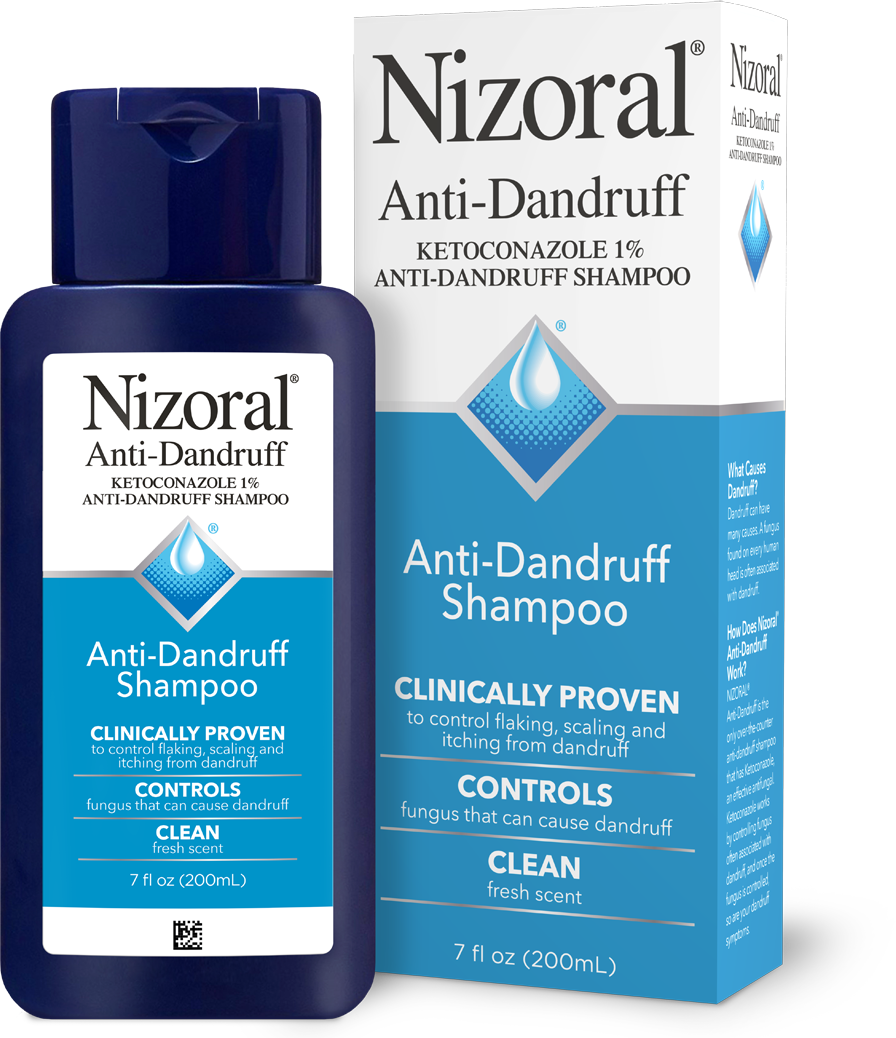
Credit: nizoral.com
Nizoral During Pregnancy
Nizoral is a popular shampoo used to treat dandruff and scalp conditions. Many pregnant women wonder if it is safe to use during pregnancy. The concern mainly revolves around the effects of its active ingredient, ketoconazole, on both mother and baby. Understanding safety and medical advice is crucial before using Nizoral while pregnant.
Safety Considerations
Ketoconazole in Nizoral is absorbed through the skin in very small amounts. Studies on pregnant women are limited. Animal studies showed some risks at high doses, but topical use is usually lower. Doctors often recommend avoiding it during pregnancy unless necessary. The first trimester is a sensitive time for fetal development. Using Nizoral without medical advice is not advised. Always consider safer alternatives for scalp care during pregnancy.
Doctor Recommendations
Consult your healthcare provider before using Nizoral while pregnant. They will assess the benefits and risks based on your condition. If dandruff is mild, non-medicated shampoos may be suggested. For severe scalp problems, a doctor might approve limited use. Follow the prescribed instructions carefully. Report any side effects immediately. Your doctor’s guidance ensures safety for you and your baby.
Frequently Asked Questions
Will Nizoral Ruin My Hair?
Nizoral usually does not ruin hair and can improve dandruff-related issues. Some users may experience dryness, irritation, or temporary shedding. Rarely, it might cause hair loss or discoloration. Monitor your scalp; stop use and consult a doctor if you notice worsening hair loss or irritation.
What Is The Number One Shampoo That Causes Hair Loss?
No single shampoo is the top cause of hair loss. Some shampoos with harsh chemicals may irritate the scalp, leading to shedding. Nizoral shampoo rarely causes hair loss but can cause dryness or irritation. Always monitor scalp health and consult a doctor if hair loss worsens.
Does Ketoconazole Increase Hair Fall?
Ketoconazole rarely increases hair fall. It may cause mild scalp irritation or temporary shedding as your scalp adjusts. Monitor your scalp, and stop use if hair loss worsens. Consult a doctor for persistent issues.
Is Nizoral Ok For Pregnant?
Nizoral is not generally recommended during pregnancy due to limited safety data. Consult your doctor before use.
Conclusion
Nizoral usually does not cause hair loss for most users. It helps control dandruff and scalp issues effectively. Some may experience mild side effects like dryness or temporary shedding. Watch your scalp closely for irritation or unusual changes. Stop using Nizoral if hair loss worsens or scalp feels irritated.
Consult a healthcare provider to ensure safe use. Taking care of your scalp promotes healthier hair growth overall.
As an Amazon Associate, I earn from qualifying purchases.
Lovingshe is a participant in the Amazon Services LLC Associates Program which is an affiliate advertising program designed to provide a means for sites to earn advertising fees by advertising and linking to Amazon.com. Amazon may use cookies to track referrals from our site. Visit Amazon’s privacy policy for details
