


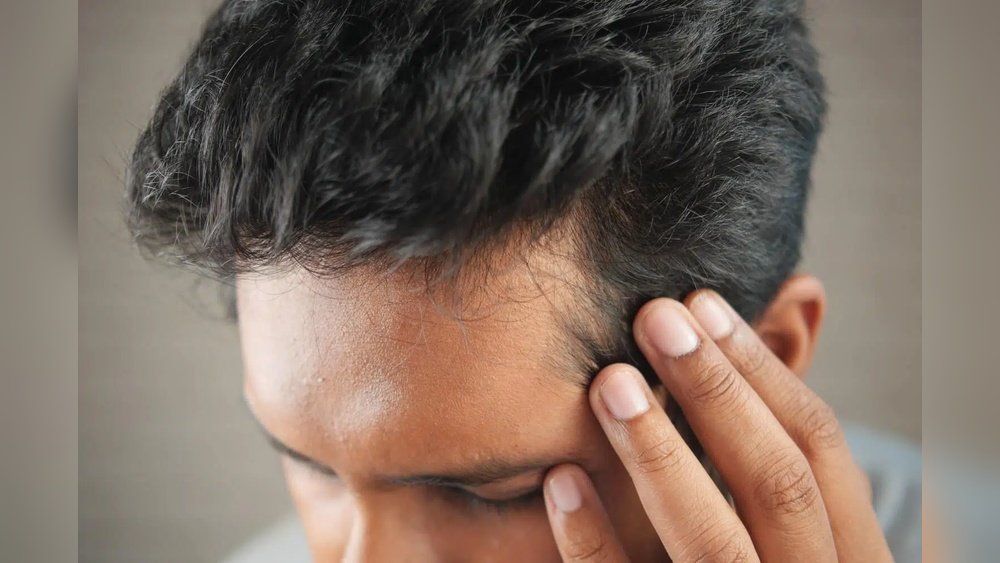
Are you worried that your medication might be affecting your hair? If you’re taking Lexapro and have noticed more hair in your brush or shower drain, you’re not alone in wondering: does Lexapro cause hair loss?
Hair thinning or shedding can be alarming, especially when it feels sudden and unexplained. Understanding whether Lexapro, a commonly prescribed antidepressant, could be behind this change is important for your peace of mind and health. You’ll discover how often hair loss happens with Lexapro, what kind of hair loss it might cause, and what steps you can take if you experience it.
Keep reading to get clear, straightforward answers that help you take control of your hair and well-being.
Hair Loss Frequency With Lexapro
Hair loss is a concern for some people taking Lexapro. Understanding how often hair loss happens helps set clear expectations. Reports show hair thinning with Lexapro is not common but possible. The shedding usually relates to how the medication affects the hair growth cycle. Many users do not experience this side effect. For those who do, hair loss tends to appear within the first few weeks or months of treatment. Monitoring changes and talking to a healthcare provider is important for managing symptoms.
How Rare Is It?
Hair loss from Lexapro is considered rare. Most people use this medication without losing hair. Studies and reports show only a small number experience shedding. This side effect is not listed as frequent by medical sources. The low occurrence suggests it is an uncommon reaction. Many cases involve temporary hair thinning rather than permanent loss.
Common Patterns Of Thinning
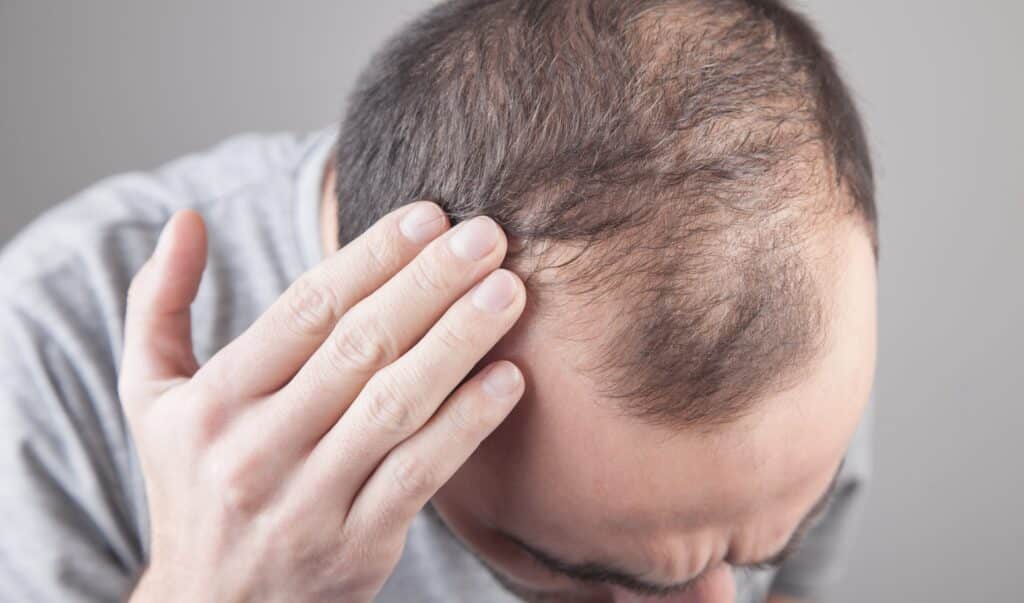
When hair loss happens, it usually appears as diffuse thinning. This means hair thins evenly across the scalp, not in patches. The upper scalp often shows more noticeable shedding. Hair may fall out more during brushing or washing. This pattern matches telogen effluvium, a temporary shedding phase. Hair follicles stop growing and rest, causing more hair to fall out. Most people see regrowth within months after adjusting treatment or stopping Lexapro.
Credit: cosmedica.com
Types Of Hair Loss Linked To Lexapro
Hair loss linked to Lexapro use can take different forms. Understanding these types helps identify and address the problem early. Most cases involve temporary hair shedding related to the medication’s effect on hair growth cycles.
Lexapro mainly causes hair loss through a condition called telogen effluvium. This type leads to noticeable thinning without complete bald spots. Knowing the signs of each type makes it easier to manage expectations and seek help.
Telogen Effluvium Explained
Telogen effluvium is a common cause of hair loss from Lexapro. It happens when hair follicles enter the resting phase too soon. This phase stops hair growth and causes shedding.
Hair falls out more than usual but usually evenly across the scalp. The condition often starts within weeks or months after beginning Lexapro. It is typically temporary and reversible after stopping or adjusting the medication.
Diffuse Thinning Characteristics
Diffuse thinning means hair loss occurs evenly over the scalp. No clear bald spots appear, but the hair looks thinner overall. This pattern is typical for Lexapro-related hair loss.
People may notice more hair in their brush or shower drain. The thinning is often most visible on the top and crown of the head. Diffuse thinning can affect both men and women equally.
Timing And Reversibility
Hair loss related to Lexapro use can cause concern. Understanding when it might start and whether it will reverse helps ease worries. Timing and reversibility depend on how the medication affects the hair growth cycle. This section explores when hair loss may begin and what to expect for regrowth.
When Hair Loss Begins
Hair loss from Lexapro usually starts within days to months after starting treatment. Most patients notice shedding around one to three months. This delay happens because hair follicles enter a resting phase first. The resting phase causes hair to fall out later, not immediately.
The hair loss pattern is often diffuse, meaning it spreads across the scalp. It is not usually patchy or localized. Shedding may increase during showers or when brushing hair. The amount varies by individual and dosage.
Hair Regrowth Expectations
Hair loss caused by Lexapro is often temporary. Stopping the drug or adjusting the dose can help hair regrow. Regrowth usually starts within a few months after the change. Full recovery can take six months or more.
New hair may appear thinner at first but will thicken over time. Patience is important during this period. Consulting a healthcare provider can guide the best steps for recovery and rule out other causes.

Credit: www.reddit.com
Other Causes To Consider
Hair loss can happen for many reasons beyond medication. It is important to explore other possible causes before blaming Lexapro. Sometimes, factors like stress, diet, or thyroid problems play a bigger role. Understanding these can help you find the right solution and avoid unnecessary worry.
Stress And Anxiety Effects
Stress and anxiety can cause hair to fall out. When the body feels stressed, it may push hair follicles into a resting phase. This leads to more hair shedding than usual. The condition is called telogen effluvium. It often appears as thinning all over the scalp. This type of hair loss usually reverses once stress levels drop. Managing anxiety and stress can improve hair health over time.
Nutritional And Thyroid Factors
Poor nutrition can weaken hair and cause loss. Lack of vitamins like iron, zinc, and biotin affects hair growth. Low protein intake also harms hair strength. Thyroid problems may cause hair to thin or fall out. Both hypothyroidism and hyperthyroidism impact hair cycles. Blood tests can help detect these issues. Treating nutritional deficiencies and thyroid disorders often stops hair loss and promotes regrowth.
Steps To Take If You Notice Hair Loss
Noticing hair loss can be worrying, especially while taking medication like Lexapro. Taking clear steps helps manage the situation effectively. Acting quickly can reduce stress and find the right solution.
Start by understanding the cause and seeking expert advice. Then explore treatment options that fit your needs. This guide breaks down the essential steps to take.
Consulting Your Healthcare Provider
Contact your healthcare provider as soon as hair loss begins. Describe your symptoms clearly and mention the start date of Lexapro. Do not stop or change your medication without their guidance. Your provider can evaluate if Lexapro might cause hair loss. They may check for other health issues affecting your hair. A proper diagnosis helps prevent unnecessary worry and guides the next steps.
Evaluating Alternative Treatments
Your healthcare provider might suggest adjusting the Lexapro dose. Sometimes, lowering the dose reduces side effects like hair loss. They may also recommend switching to a different antidepressant. Alternative medications could offer similar benefits with fewer hair concerns. Discuss all options openly to find what suits you best. Always follow medical advice to maintain mental health and reduce hair loss risks.

Credit: www.reddit.com
Hair Loss With Other Antidepressants
Hair loss can be a distressing side effect for people taking antidepressants. While Lexapro (escitalopram) is often discussed, other antidepressants also have potential links to hair thinning or shedding. Understanding how different medications affect hair can help you make informed choices and manage expectations during treatment.
Ssris And Their Side Effects
Selective serotonin reuptake inhibitors (SSRIs) are a common class of antidepressants. They include drugs like fluoxetine, sertraline, and paroxetine. Hair loss is a possible side effect, although it is rare. This hair loss usually appears as diffuse thinning rather than patchy bald spots. The cause is often telogen effluvium, a temporary shedding due to hair follicles entering a resting phase early. Most patients see hair regrowth after stopping or adjusting the medication.
Comparison With Other Medication Classes
Other antidepressant classes include tricyclic antidepressants (TCAs) and serotonin-norepinephrine reuptake inhibitors (SNRIs). TCAs, like amitriptyline, can also cause hair thinning but less frequently than SSRIs. SNRIs such as venlafaxine and duloxetine may lead to hair loss in some cases. The risk varies with dosage and individual sensitivity. Overall, hair loss is not common but possible across many antidepressants. Monitoring symptoms and consulting your doctor is important for managing side effects.
Frequently Asked Questions
How Common Is Hair Loss From Lexapro?
Hair loss from Lexapro is rare and usually temporary. It often causes diffuse thinning due to telogen effluvium. Hair typically regrows after stopping or adjusting the dose. Consult your doctor if you notice increased shedding.
Will My Hair Grow Back After Stopping Lexapro?
Hair often regrows after stopping Lexapro, as hair loss from it is usually temporary. Consult your doctor before stopping.
Which Antidepressants Are Most Likely To Cause Hair Loss?
Antidepressants likely to cause hair loss include Bupropion (Wellbutrin) and SSRIs like fluvoxamine (Luvox) and escitalopram (Lexapro). Hair loss usually appears as temporary, diffuse thinning.
What Is The Most Common Side Effect For Lexapro?
The most common side effect of Lexapro is nausea. Other frequent effects include headache and insomnia.
Conclusion
Hair loss from Lexapro is uncommon and usually temporary. Most people experience mild, diffuse thinning rather than severe loss. This side effect often starts weeks after treatment begins. Hair typically regrows once the medication stops or the dose changes. Always talk with your doctor before making any changes.
Other causes like stress or health issues can also affect hair. Understanding this helps you make informed choices about your treatment. Patience and medical guidance are key to managing any hair changes safely.
As an Amazon Associate, I earn from qualifying purchases.
Lovingshe is a participant in the Amazon Services LLC Associates Program which is an affiliate advertising program designed to provide a means for sites to earn advertising fees by advertising and linking to Amazon.com. Amazon may use cookies to track referrals from our site. Visit Amazon’s privacy policy for details
