


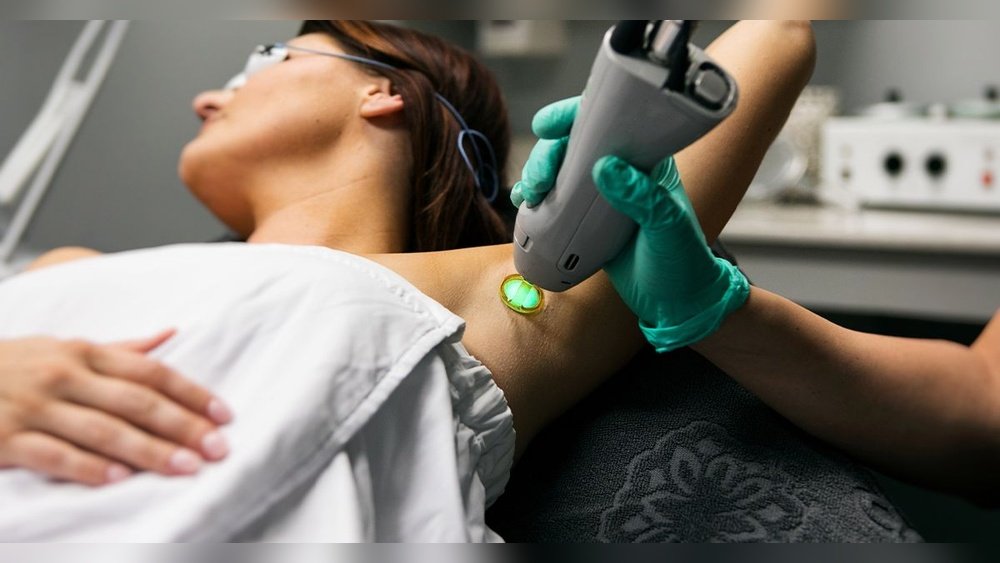
Are you thinking about trying laser hair treatment but worried it might hurt? You’re not alone.
Many people wonder what the pain level really feels like before booking their first session. The good news is, laser hair removal discomfort is usually mild and brief—often described as a quick snap or sting, much less painful than waxing.
But how much it hurts can depend on your body, the area treated, and the technology used. If you want to know exactly what to expect, how to manage any discomfort, and whether it’s worth it, keep reading. This guide will clear up the mystery and help you feel confident about your decision.

Credit: rockymountainlasercollege.com
Pain Sensation
Understanding the pain sensation during laser hair treatment helps ease anxiety. Many describe the feeling as brief and manageable. The sensation is quick and usually mild, fading fast after each laser pulse. Different people feel different levels of discomfort. Some barely notice it, while others feel a slight sting.
Snap Or Sting Feeling
The most common description is a snap or sting on the skin. It feels like a tiny rubber band flicking the treated area. This snap happens as the laser targets hair follicles. The sensation lasts only a second or two. Many say it is less painful than waxing.
Heat From Laser Energy
The laser produces heat that heats the hair follicle. This warmth can cause a brief burning or prickly feeling. The heat helps destroy hair growth cells. Cooling devices often reduce this heat sensation. The warmth is controlled to avoid skin damage.
Variations In Sensitivity
Sensitivity varies by body area and person. Thin skin areas like the face or bikini are more sensitive. Thicker skin on legs or back feels less pain. Hair color and skin tone also affect sensation. People with lighter skin and darker hair may feel more heat. Individual pain tolerance differs widely. Hormones and skin condition can change sensitivity too.
Pain Factors
Understanding the pain factors of laser hair treatment helps set real expectations. Discomfort varies by many elements. Each person’s experience is unique. Some feel little to no pain, while others notice mild stinging or heat. Knowing what influences pain can ease worries.
Effect Of Body Area
Different body parts feel pain differently. Areas with thinner skin, like the face or bikini line, tend to hurt more. Thicker skin on legs or back usually feels less pain. Nerves are closer to the surface in sensitive zones. This increases the sensation during treatment.
Influence Of Hair And Skin Type
Hair color and skin tone affect pain levels. Dark, coarse hair absorbs more laser energy. This can create a stronger burning feeling. Light skin reflects less laser heat, which often means less discomfort. Darker skin types may need special lasers to reduce pain and risks.
Role Of Laser Technology
Modern laser machines include cooling systems. These cool the skin before and after each pulse. Cooling lowers pain and prevents burns. Different lasers use different cooling methods. Newer technology often means a gentler treatment experience.
Individual Pain Tolerance
People feel pain differently. Some have a high pain threshold and barely notice the laser. Others may feel more sting or heat. Anxiety and stress can increase pain perception. Relaxation techniques can help reduce discomfort during sessions.
Hormonal Impact
Hormones can change how skin feels pain. Many women report higher sensitivity during their menstrual cycle. Hormonal shifts may make skin more tender and reactive. Timing treatments outside these periods can lower pain levels.
Post-treatment Effects
After laser hair treatment, the skin reacts to the laser’s energy. These reactions are normal and usually short-lived. Knowing what to expect helps you feel calm and prepared. This section covers common post-treatment effects and ways to ease them.
Redness And Swelling
Redness and swelling often appear right after the session. The skin may look like it has a mild sunburn. These effects usually last a few hours to a day. Swelling is more common in sensitive areas like the face or bikini line. The skin might also feel warm or tender to the touch. These signs show your skin is healing and responding to the treatment.
Soothing Methods
Cold compresses help reduce redness and swelling quickly. Applying a clean, cold cloth to the treated area calms the skin. Aloe vera gel is another good option for soothing irritation. Avoid hot showers, saunas, and direct sunlight for 24-48 hours. Wearing loose clothing prevents friction on sensitive skin. Using gentle moisturizers keeps the skin hydrated and comfortable. Following these simple steps speeds up recovery and eases discomfort.

Credit: glowupmedspa.com
Pain Compared To Other Methods
Pain is a common concern before trying any hair removal method. Many wonder how laser hair treatment compares to other options. The feeling during laser treatment is usually brief and mild. Sensations differ based on the method used. Understanding these differences helps choose the best option.
Laser Vs Waxing
Waxing pulls hair out from the root quickly. This can cause sharp pain and skin irritation. The pain lasts longer and can feel intense. Laser uses light to target hair follicles. It causes a quick sting or snap sensation. Most find laser less painful than waxing. Redness after waxing is often stronger and lasts longer. Laser pain is shorter and easier to tolerate.
Laser Vs Shaving
Shaving cuts hair at skin level without pain. It is painless but needs frequent repetition. Shaving can cause cuts, razor burns, or bumps. Laser targets hair roots and may cause mild discomfort. The pain is short and feels like a rubber band snap. Laser results last longer, reducing shaving frequency. Shaving is painless but less effective long-term.
Laser Vs Electrolysis
Electrolysis uses electric currents to destroy hair follicles. It can cause sharp, stinging pain that lasts longer. Each hair is treated one by one, increasing time and discomfort. Laser treats many hairs quickly with less pain. Electrolysis may cause more redness and swelling. Laser is faster and often less painful. Electrolysis suits all hair types but can be uncomfortable.
Pain Management Tips
Managing pain during laser hair treatment helps make the process easier. Simple tips before, during, and after the session can reduce discomfort. Knowing what to expect and how to prepare helps you stay calm and relaxed.
Pre-treatment Preparation
Shave the area one day before treatment. Avoid waxing or plucking hair for weeks prior. Clean skin without lotions or oils before the session. Avoid sun exposure or tanning to reduce sensitivity. Talk to your technician about any pain concerns. Apply a numbing cream if recommended by your provider.
During Treatment Comfort
Wear the protective goggles provided. The technician may use cooling devices or air to soothe skin. Take slow, deep breaths to stay relaxed. Let the technician know if pain is too much. Sessions are usually short, lasting just minutes. Focus on the quick pulses rather than the whole session.
Aftercare Advice
Use cold compresses to calm redness or swelling. Apply aloe vera or gentle moisturizer to soothe skin. Avoid hot baths, saunas, and heavy exercise for 24 hours. Stay out of direct sunlight and use sunscreen. Do not scratch or rub the treated area. Follow all care instructions from your technician for the best results.
Safety And Precautions
Laser hair treatment is generally safe when proper precautions are followed. Understanding safety measures helps reduce risks and improve results. Knowing who should avoid treatment and how to prepare protects your skin. This section covers important safety aspects before undergoing laser hair removal.
Pregnancy Considerations
Pregnant women should avoid laser hair removal. No enough studies prove its safety during pregnancy. Hormonal changes can affect skin sensitivity and hair growth. Doctors usually recommend postponing treatment until after childbirth. Always consult your healthcare provider before starting any cosmetic procedure.
Skin Sensitivity Issues
People with sensitive skin may experience more discomfort. Laser pulses can cause redness, swelling, or mild irritation. Avoid treatment if you have sunburn, eczema, or open wounds. Inform your technician about any skin conditions or allergies. Using soothing creams and cold compresses can help after the session.
Choosing Qualified Providers
Selecting a trained and certified professional is essential. Qualified providers understand skin types and laser settings. They minimize risks of burns or discoloration. Check reviews and credentials before booking your appointment. Proper equipment and hygiene practices ensure a safer experience.

Credit: solaralaser.com
Frequently Asked Questions
How Badly Does Laser Hair Removal Hurt?
Laser hair removal causes mild, brief stinging, like a rubber band snap. Pain varies by area and individual tolerance. Cooling features reduce discomfort, making it generally tolerable and less painful than waxing. Most experience only minimal, short-lived redness or warmth after treatment.
Is Laser Hair Removal Safe In Pregnancy?
Laser hair removal is not recommended during pregnancy due to limited safety research. Consult your doctor before proceeding.
Is Laser Treatment For Hair Painful?
Laser hair treatment causes mild, brief stinging, similar to a rubber band snap. Discomfort varies by area and individual tolerance. Modern cooling technology reduces pain, making the process generally tolerable with minimal redness afterward.
Does Laser Help Rosacea?
Laser treatment reduces rosacea redness and visible blood vessels effectively. It calms inflammation and improves skin texture with minimal side effects. Multiple sessions often provide the best results. Consult a dermatologist to tailor laser therapy to your skin type and rosacea severity.
Conclusion
Laser hair treatment causes only mild, brief discomfort. Many compare it to a quick snap of a rubber band. The pain varies by body part and personal sensitivity. Modern lasers often have cooling systems to ease the feeling. Redness or slight swelling may appear but fades quickly.
Most people find the experience manageable and worth the results. Preparing mentally and physically helps reduce any unease. Overall, laser hair removal is a tolerable process for smoother skin.
As an Amazon Associate, I earn from qualifying purchases.
Lovingshe is a participant in the Amazon Services LLC Associates Program which is an affiliate advertising program designed to provide a means for sites to earn advertising fees by advertising and linking to Amazon.com. Amazon may use cookies to track referrals from our site. Visit Amazon’s privacy policy for details
