


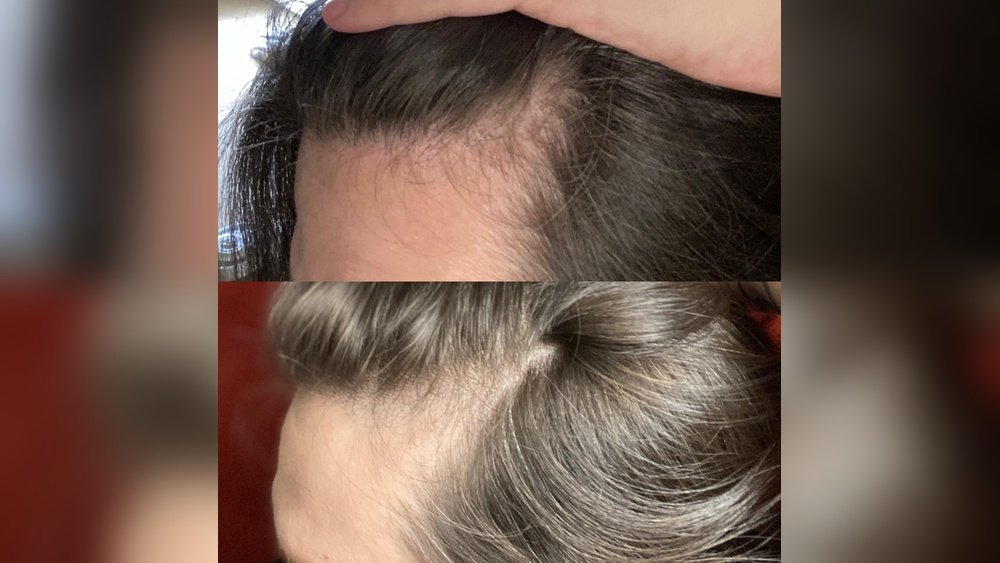
Are you struggling with thinning hair or unexpected hair loss and wondering if iron could be the missing piece to your hair growth puzzle? Iron plays a crucial role in delivering oxygen to your hair follicles, which is essential for healthy, strong hair.
But does boosting your iron intake actually help your hair grow back? You’ll discover how iron affects your hair, when iron supplements might be the solution, and why it’s important to get the right diagnosis before jumping in. Keep reading to find out if iron can truly help your hair regain its natural fullness and shine.
Role Of Iron In Hair Growth
Iron plays a vital role in hair growth by supporting key processes in the scalp. It helps keep hair follicles healthy and active. Without enough iron, hair may become weak or fall out. Understanding iron’s role clarifies why it matters for strong hair.
Iron supports the delivery of oxygen and nutrients that hair follicles need. This keeps hair growing and prevents damage. The body uses iron to maintain the scalp’s environment for healthy strands.
Oxygen Transport To Follicles
Iron forms hemoglobin in red blood cells. Hemoglobin carries oxygen from the lungs to all body parts. Hair follicles need oxygen to produce new cells and grow hair. Without enough oxygen, follicles weaken and slow down growth. Iron ensures follicles get the oxygen required to stay healthy and active.
Nutrient Delivery To Scalp
Iron supports the flow of nutrients to the scalp and hair roots. Nutrients like vitamins and minerals reach follicles through blood. Iron helps blood carry these nutrients efficiently. Good nutrient delivery strengthens hair strands and improves scalp health. Low iron can reduce nutrient supply, causing hair to become brittle or fall out.

Credit: www.reddit.com
Iron Deficiency And Hair Loss
Iron plays a crucial role in maintaining healthy hair growth. A lack of iron can lead to hair thinning and increased shedding. Understanding how iron deficiency affects hair can help manage and prevent hair loss effectively.
Low Ferritin And Shedding
Ferritin is the protein that stores iron in the body. Low ferritin levels mean less iron is available for hair follicles. Without enough iron, hair follicles do not get enough oxygen and nutrients. This shortage causes hair to enter the shedding phase prematurely. Many people with hair loss have low ferritin levels, linking iron deficiency to hair thinning.
Telogen Effluvium Explained
Telogen effluvium is a common hair loss condition triggered by stress or nutrient deficiencies. Iron deficiency is a major cause of this condition. It pushes hair follicles into the resting phase, leading to excessive hair shedding. This type of hair loss is usually temporary. Once iron levels improve, hair growth often returns to normal.
Benefits Of Iron Supplements
Iron supplements play a key role in restoring healthy hair growth for people with iron deficiency. Iron helps red blood cells carry oxygen to hair follicles. This oxygen fuels the follicles and supports new hair growth.
Without enough iron, hair follicles weaken and hair falls out more easily. Taking iron supplements can help reverse this process. They improve oxygen delivery and nutrient supply to the scalp. This creates a better environment for hair to grow stronger and thicker.
Reversing Hair Loss
Iron supplements can stop hair loss caused by low iron levels. Hair shedding often occurs when the body lacks enough iron. This condition is known as telogen effluvium. Restoring iron levels helps follicles recover and reduces shedding.
Supplements increase iron stores in the body. This improves blood flow and oxygen to the scalp. The hair follicles regain strength and stop falling out prematurely. Hair loss caused by iron deficiency is often temporary and reversible.
Timeline For Regrowth
Hair regrowth usually begins a few weeks after starting iron supplements. Most people see visible improvement within three to six months. Full regrowth depends on the severity of the deficiency and individual health.
Consistent supplement use is important for lasting results. Iron levels must reach a healthy range to support new hair growth. Patience is key, as hair grows slowly at about half an inch per month.

Credit: hair-loss-treatments.com.au
Safety And Medical Advice
Taking iron supplements without proper advice can be risky. Iron affects many body functions, so safety matters. This section explains important safety tips and medical advice about iron and hair growth. It helps you understand why tests and caution are needed before starting iron supplements.
Importance Of Blood Tests
Blood tests show your iron levels accurately. They tell if you have iron deficiency or normal iron stores. Doctors use blood tests to decide if you need iron supplements. Testing avoids taking iron when it is not needed. Overuse of iron can harm your body. Regular blood checks help track changes during treatment. Never start iron supplements without a blood test first.
Risks Of Excess Iron
Too much iron in the body causes serious problems. It can damage the liver, heart, and other organs. Excess iron also raises infection risk. Iron overload may lead to joint pain and fatigue. Taking iron without deficiency can cause these issues. Always follow doctor’s dose instructions carefully. If you notice side effects like stomach pain or weakness, seek medical help. Safety is key to using iron for hair growth.
Dietary Sources Of Iron
Iron plays a crucial role in hair growth by supporting the delivery of oxygen and nutrients to hair follicles. Consuming iron through diet helps maintain healthy iron levels in the body. This section explores common dietary sources of iron and how to improve its absorption for better hair health.
Iron-rich Foods
Foods high in iron supply the body with this essential mineral. Red meat such as beef and lamb contains heme iron, which the body absorbs easily. Poultry and fish also provide good amounts of heme iron.
Plant-based sources include lentils, spinach, beans, and fortified cereals. These contain non-heme iron, which is less easily absorbed. Eating a variety of these foods can help meet daily iron needs.
Vitamin C And Absorption
Vitamin C enhances the absorption of non-heme iron from plant foods. Consuming fruits like oranges, strawberries, and kiwis with iron-rich meals boosts iron uptake. Bell peppers and broccoli are also rich in vitamin C.
A simple way to improve iron absorption is to combine iron-rich foods with vitamin C sources. This combination supports better iron levels and promotes healthy hair growth.

Credit: fullyvital.com
Other Causes Of Hair Loss
Hair loss can happen for many reasons beyond iron deficiency. Understanding other causes helps find the right solution. Hair thinning might not improve with iron supplements alone. It is important to explore other factors that affect hair health.
Genetics And Stress
Genetics play a big role in hair loss patterns. Some people inherit genes that cause hair thinning or baldness. This type of hair loss is usually gradual and permanent.
Stress also impacts hair growth. Physical or emotional stress can push hair follicles into a resting phase. This causes more hair shedding than usual, known as telogen effluvium. Stress-related hair loss often reverses once stress lowers.
Additional Nutrient Deficiencies
Besides iron, other nutrients matter for strong hair. Deficiencies in zinc, biotin, vitamin D, and protein can weaken hair. These nutrients support hair follicle function and repair.
Balanced nutrition helps maintain healthy hair growth. Lack of these nutrients may cause hair to thin or fall out. Testing for multiple deficiencies can guide better treatment.
Frequently Asked Questions
Will Taking Iron Increase Hair Growth?
Taking iron can boost hair growth only if hair loss results from iron deficiency. Iron supports oxygen delivery to follicles, promoting growth. Consult a doctor before supplementing, as excess iron harms health. Hair loss may have other causes needing different treatments.
What Are The Signs Of Lack Of Iron?
Signs of iron deficiency include pale skin, fatigue, weakness, shortness of breath, rapid heartbeat, headaches, and dizziness.
How Long Does It Take For Iron To Help Hair Growth?
Iron supports hair growth by improving follicle oxygen and nutrient supply. Visible improvement usually takes 3 to 6 months of supplementation.
Does Iron Deficiency Cause Hair Loss?
Yes, iron deficiency can cause hair loss by reducing oxygen delivery to hair follicles. Low iron, especially low ferritin, often leads to temporary hair shedding known as telogen effluvium.
Conclusion
Iron plays a key role in healthy hair growth. It helps carry oxygen to hair follicles. Without enough iron, hair can thin and fall out. Taking iron supplements may help if you have a deficiency. Always check with a doctor before starting supplements.
Eating iron-rich foods also supports hair health. Remember, hair loss can have many causes. Treating iron deficiency might improve your hair over time. Patience and proper care are important for best results.
As an Amazon Associate, I earn from qualifying purchases.
Lovingshe is a participant in the Amazon Services LLC Associates Program which is an affiliate advertising program designed to provide a means for sites to earn advertising fees by advertising and linking to Amazon.com. Amazon may use cookies to track referrals from our site. Visit Amazon’s privacy policy for details
