


Are you struggling with hair loss and wondering if hair replacement surgery really works? You’re not alone.
Many people face the same question before deciding to take this step. The good news is that modern hair transplant techniques have advanced significantly, offering natural-looking and long-lasting results. But how effective is the surgery really? Can it restore your hair the way you hope?
You’ll discover the facts about success rates, what influences the outcome, and whether hair replacement surgery might be the right choice for you. Keep reading to find out if this solution can help you regain not just your hair, but your confidence too.
Credit: cosmedica.com
Success Rates Of Hair Replacement
Success rates of hair replacement surgery have improved greatly in recent years. Many patients achieve natural-looking results with lasting hair growth. Understanding these success rates helps set clear expectations for the procedure.
Hair transplant techniques continue to evolve, increasing their reliability. Success depends on many factors including the method used and patient care. Most procedures today show high survival rates for transplanted hair follicles.
Fue Vs Fut Techniques
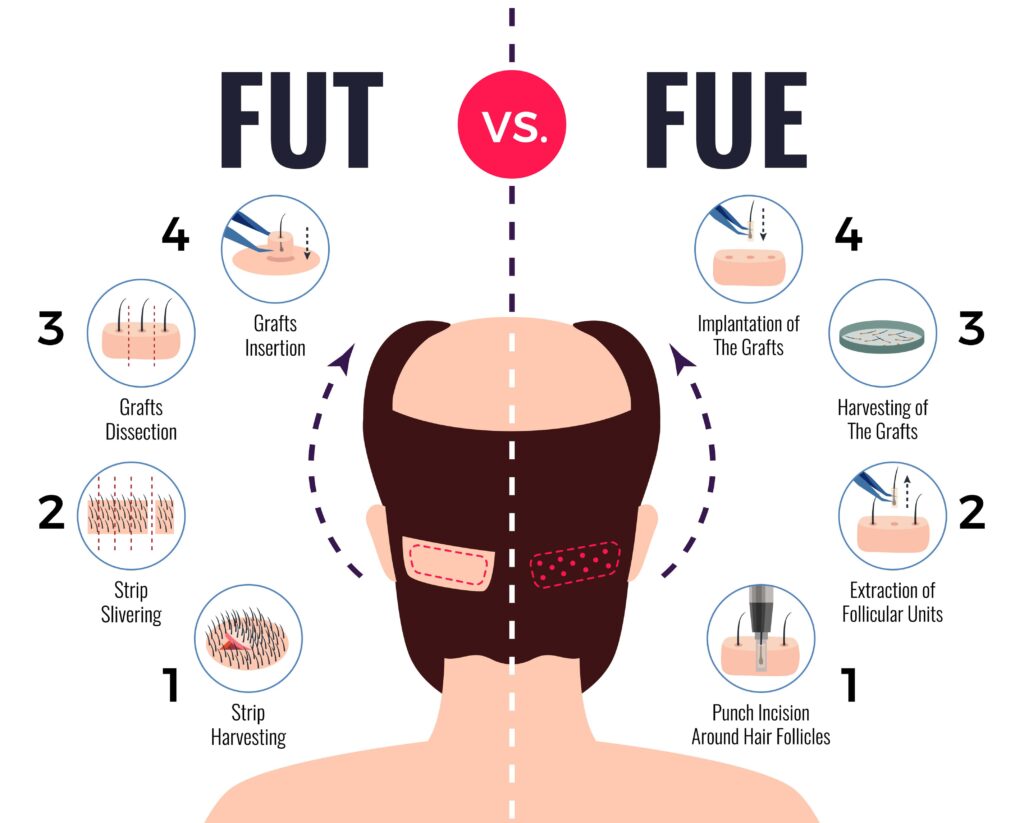
FUE (Follicular Unit Extraction) and FUT (Follicular Unit Transplantation) are two main hair transplant methods. FUE removes individual hair follicles, leaving tiny scars. FUT involves removing a strip of scalp and dissecting follicles.
Both methods show success rates around 90-95%. FUE is less invasive and popular for quicker recovery. FUT may transplant more follicles in one session but leaves a linear scar.
Typical Success Percentages
Hair transplant success rates generally range from 85% to 95%. This means most transplanted follicles grow healthy hair. Some clinics report rates above 95% with advanced technology and skilled surgeons.
Success is measured by graft survival and natural hair growth after healing. Patients can expect significant improvement in hair density and appearance.
Factors Affecting Outcomes
- Surgeon Expertise: A skilled surgeon increases chances of natural, lasting results.
- Technique Used: Modern FUE and FUT methods have high success, with FUE being less invasive.
- Patient Factors: Age, health, hair quality, and genetics influence hair growth after surgery.
- Post-Op Care: Following aftercare instructions helps grafts survive and grow.
Surgeon Expertise And Technique
The success of hair replacement surgery largely depends on the surgeon’s skill and the techniques used. Expert surgeons understand hair growth patterns and how to place grafts naturally. Their knowledge helps reduce risks and improve results.
Techniques have evolved to become less invasive and more effective. Choosing the right method can make the procedure less painful and recovery faster. The combination of surgeon expertise and modern techniques is key to achieving natural-looking hair restoration.
Importance Of Experienced Surgeons
Experienced surgeons bring precision and care to each procedure. They know how to select the best donor areas and avoid damage. Their steady hands and trained eyes ensure grafts survive and grow well.
Years of practice help surgeons handle unexpected challenges during surgery. They design hairlines that match the patient’s face and age. This skill leads to better satisfaction and confidence after surgery.
Advances In Minimally Invasive Methods
New hair transplant methods cause less pain and scarring. Follicular Unit Extraction (FUE) is popular for its minimal invasiveness. It removes individual hair follicles carefully without large cuts.
Minimally invasive techniques speed up healing and reduce downtime. Patients can return to daily life sooner and with less discomfort. These advances also improve the survival rate of transplanted hairs.
Patient Factors Impacting Results
Many factors affect the success of hair replacement surgery. Patient-specific conditions influence how well the transplanted hair grows and looks. Understanding these factors helps set realistic expectations for the procedure.
Age And Overall Health
Age plays a key role in hair transplant results. Younger patients often have better healing and hair growth. Good overall health supports recovery and graft survival. Chronic illnesses or smoking can reduce success rates. A healthy body creates a better environment for new hair.
Hair Quality And Genetics
The quality of your existing hair matters. Thick, strong hair provides better coverage and natural results. Genetics influence hair loss patterns and donor hair strength. Some people have more resistant hair follicles. These factors determine how well the transplanted hair will thrive.
Post-operative Care
Following post-surgery instructions is crucial. Proper care helps grafts heal and grow. Avoiding harsh chemicals, sun exposure, and strenuous activities improves outcomes. Regular check-ups with the surgeon ensure proper healing. Neglecting care can lead to poor results or infection.

Credit: www.advancedhair.com
Natural Look And Longevity
The natural look and longevity of hair replacement surgery are key reasons many choose this procedure. Patients want hair that blends seamlessly with their existing hair. They also seek results that last for years without frequent touch-ups. Achieving a natural appearance requires careful placement of hair follicles. Longevity depends on the survival and permanent growth of these follicles.
Hair Follicle Survival
Survival of transplanted hair follicles is essential for a natural look. Skilled surgeons extract healthy follicles and implant them carefully. Proper handling keeps follicles alive during the process. Once transplanted, follicles must adapt to their new location. Good blood supply and gentle placement improve survival rates. Most modern techniques achieve 90-95% follicle survival. This high survival rate ensures fuller, natural-looking hair after surgery.
Permanent Hair Growth
Permanent hair growth is the goal of hair replacement surgery. Transplanted follicles come from areas resistant to hair loss. These follicles keep growing hair for a lifetime. After surgery, new hair grows in cycles. Initial shedding may occur, but regrowth follows. Once established, transplanted hair behaves like original hair. It grows, sheds, and regrows naturally. This permanence gives patients long-lasting confidence and satisfaction.
When Surgery Is Worth It
Hair replacement surgery can offer lasting results for many people. It is not just about appearance. The decision to undergo surgery depends on several important factors. Knowing when surgery is worth it helps set clear goals and ensures satisfaction with the outcome.
Emotional Benefits
Hair loss affects self-confidence and mood. Surgery can restore a sense of normalcy and boost self-esteem. Many patients feel happier and more comfortable in social settings after surgery. This emotional lift can improve overall quality of life.
Stable Hair Loss Patterns
Hair transplant works best when hair loss has stabilized. Ongoing hair loss can reduce the surgery’s effectiveness. Doctors usually recommend waiting until hair loss slows or stops. This ensures the transplanted hair blends well with natural hair.
Donor Hair Requirements
The success of surgery depends on good donor hair. Donor hair must be healthy and plentiful. It usually comes from the back or sides of the scalp. Patients with thin or weak donor hair may not be good candidates for surgery.
Realistic Expectations
Understanding what surgery can achieve is vital. Surgery can improve hair density but may not restore a full head of hair. Results vary by individual and require patience. Clear expectations help avoid disappointment and increase satisfaction.
Key Benefits Of Hair Replacement
Hair replacement surgery offers several key benefits that make it a preferred option for many facing hair loss. This procedure provides more than just restored hair—it can improve quality of life in multiple ways.
Understanding these benefits helps in deciding if hair replacement surgery fits your needs. Each advantage contributes to why this treatment remains popular and effective.
Long-lasting Results
Hair replacement surgery provides results that last many years. Transplanted hair follicles are usually permanent and continue to grow naturally. This means fewer visits to the clinic and less worry about hair thinning over time.
Unlike temporary solutions, surgery offers a durable fix. Patients enjoy consistent hair growth without the need for constant maintenance.
Natural Appearance
The surgery uses your own hair, making results look real and natural. Skilled surgeons place hair follicles carefully to match your original hair direction and density. This ensures no obvious signs of surgery.
Natural appearance boosts satisfaction and helps you feel comfortable in social settings. People often cannot tell you had surgery.
Confidence Boost
Restoring hair can greatly improve self-esteem and confidence. Hair loss can affect how you see yourself and how others see you. Hair replacement surgery helps regain a youthful and healthy look.
With better confidence, many find it easier to engage in work, social activities, and relationships. Feeling good about your appearance impacts overall happiness.
Cost-effectiveness Over Time
Though the upfront cost may seem high, hair replacement surgery saves money long-term. Unlike ongoing treatments, this is usually a one-time expense. No need for continuous purchases of shampoos, wigs, or medications.
The durability and natural look reduce future costs and time spent on hair care. Over time, this makes surgery an economical choice for many.
Common Side Effects And Risks
Hair replacement surgery offers a solution for hair loss, but it carries some side effects and risks. Understanding these helps set realistic expectations before the procedure. Most side effects are temporary and manageable, but some complications can arise. Awareness and preparation are key to a smoother recovery and better results.
Possible Complications
Some patients may experience infection at the surgery site. This can cause redness, swelling, and pain. Bleeding can occur during or after the procedure but is usually minor. Scarring is common, especially with older techniques like FUT. Some people notice unnatural hair growth patterns after surgery. There is a risk of shock loss, where existing hair falls out temporarily. Poor healing can lead to graft failure and patchy hair. Allergic reactions to anesthesia or medications are rare but possible.
Managing Side Effects
Following post-surgery care instructions reduces risks. Keep the scalp clean and avoid scratching or rubbing. Use prescribed antibiotics or anti-inflammatory drugs to prevent infection and reduce swelling. Avoid heavy exercise and direct sunlight during healing. Report unusual pain, excessive bleeding, or signs of infection to your doctor immediately. Most side effects fade within days or weeks. Regular check-ups ensure the transplanted hair grows well and any issues get addressed quickly.
Choosing The Right Surgeon
Choosing the right surgeon plays a key role in the success of hair replacement surgery. The skill and experience of the surgeon directly affect how natural and lasting the results will be. This choice requires careful thought and research to ensure the best outcome. A good surgeon will guide you through the procedure and help set realistic expectations.
Research And Credentials
Start by checking the surgeon’s qualifications. Look for board certification in dermatology or plastic surgery. Years of experience in hair replacement surgery matter a lot. Read patient reviews and ratings to learn about their reputation. Confirm that the surgeon uses modern techniques like FUE or FUT. These methods have higher success rates and less scarring.
Consultation Tips
Schedule a consultation to discuss your goals and concerns. Pay attention to how the surgeon listens and answers questions. Ask about their experience with cases similar to yours. A good surgeon will explain the procedure clearly and outline risks. They should provide a realistic preview of what to expect. Trust your instincts about their professionalism and honesty.
Evaluating Before And After Results
Review photos of previous patients to assess the surgeon’s work. Look for natural hairlines and even hair density. Check for consistency in results across different patients. Be cautious if all photos look too perfect or identical. Real results show gradual improvement and some variation. Use these images to judge if the surgeon’s style fits your needs.
Alternatives To Surgery
Hair replacement surgery is effective, but it is not the only option. Some people choose alternatives to avoid surgery or reduce costs. These alternatives provide different ways to manage hair loss. They vary in duration, cost, and results. This section explores popular non-surgical and temporary options.
Non-surgical Treatments
Non-surgical treatments can slow hair loss and help regrow some hair. One common method is using minoxidil, a topical solution applied to the scalp. It helps increase blood flow and stimulate hair follicles.
Another option is finasteride, a pill that blocks hormones causing hair loss. Many users report less hair shedding and new growth over time.
Low-level laser therapy is also available. It uses light to stimulate hair follicles and improve hair density. Treatments can be done at clinics or with home devices.
These treatments require patience and regular use. Results vary from person to person but can be noticeable after several months.
Temporary Solutions
Temporary solutions provide quick fixes for hair loss. Hair fibers and powders can cover thinning areas instantly. They stick to existing hair and scalp, creating a fuller look.
Wigs and hairpieces are another option. Modern wigs look natural and come in many styles and colors. They offer immediate coverage and easy styling.
Scalp micropigmentation is a cosmetic tattoo that mimics hair follicles. It creates the illusion of a shaved or closely cropped head. This option lasts for years but does not grow real hair.
Temporary solutions are ideal for special events or short-term needs. They do not stop hair loss but improve appearance quickly and affordably.

Credit: www.youtube.com
Frequently Asked Questions
What Is The Success Rate Of Hair Replacement?
The success rate of hair replacement is typically 90-95%. Skilled surgeons using modern techniques ensure natural, permanent hair growth. Patient health and post-op care also impact results significantly.
Is Hair Replacement Surgery Worth It?
Hair replacement surgery offers permanent, natural results and boosts confidence. Success depends on surgeon skill, donor hair, and proper care.
How Long Do Hair Transplants Really Last?
Hair transplants typically last a lifetime as transplanted follicles resist hair loss. Proper care and surgeon skill ensure long-term success.
What Are The Negatives Of Getting A Hair Transplant?
Hair transplants may cause scarring, infection, swelling, and uneven hair growth. Results vary by surgeon skill and patient health. Some face high costs and require time for full results.
Conclusion
Hair replacement surgery shows strong success for many people. Most patients see natural, lasting hair growth after treatment. Success depends on surgeon skill, technique, and patient care. Following post-surgery instructions helps ensure grafts survive well. Modern methods like FUE offer less pain and quick recovery.
Not everyone may be a perfect candidate, but many benefit greatly. Hair replacement can improve confidence and appearance effectively. It remains a reliable option for those facing hair loss.
As an Amazon Associate, I earn from qualifying purchases.
Lovingshe is a participant in the Amazon Services LLC Associates Program which is an affiliate advertising program designed to provide a means for sites to earn advertising fees by advertising and linking to Amazon.com. Amazon may use cookies to track referrals from our site. Visit Amazon’s privacy policy for details
