


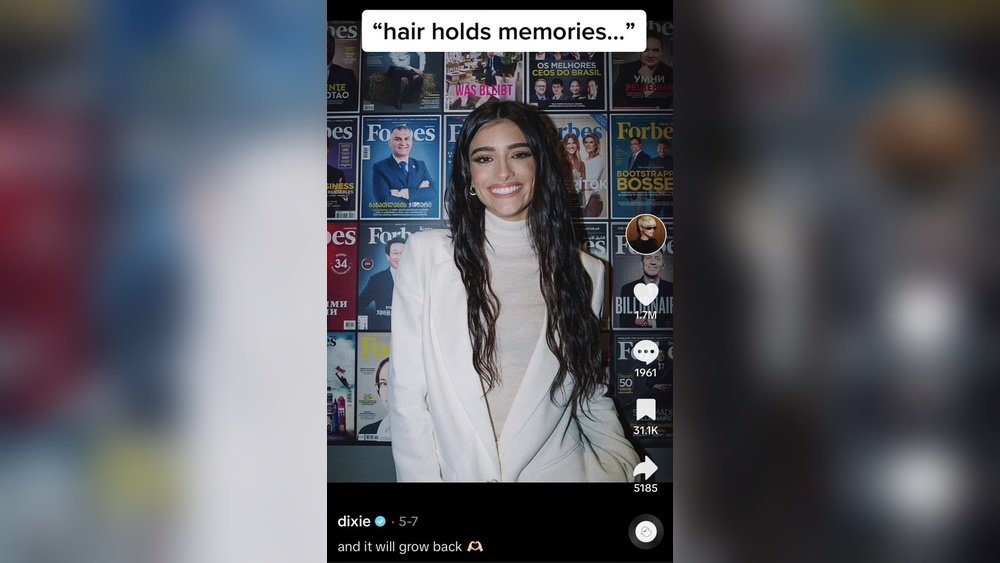
Have you ever wondered if your hair can actually hold memories? It’s a question that might surprise you, but it touches on something deeply personal—your past, your emotions, and even your identity.
While hair might not store memories like your brain does, it carries more than just strands; it reflects your body’s stress, your life changes, and the stories you’ve lived. Cutting your hair after a tough time or changing its style isn’t just about looks—it can be a powerful way to let go, heal, and start fresh.
Curious to uncover how hair connects to your memories, emotions, and even trauma? Keep reading to explore the fascinating science and symbolism behind this idea—and discover what your hair might be telling you.
Hair And Memory Myths
Many people wonder if hair can store memories or emotions. This idea appears in stories and culture worldwide. Hair often symbolizes identity, feelings, and personal history. People feel that hair keeps a part of their past alive.
It is important to separate facts from myths about hair and memory. Understanding the truth helps us appreciate hair’s real role in our lives. Let’s explore some common myths and what science says.
Literal Memory Storage
Hair does not store memories like the brain does. Memory is a function of the brain’s neurons and connections. Hair is made of keratin, a protein without brain cells or memory capacity.
Stress hormones can be found in hair strands, showing past stress levels. This is a physical record but not a memory. Hair reflects body chemistry over time but does not capture thoughts or feelings.
Cutting hair can feel like releasing emotions, but it only affects appearance. The brain holds all memories, not hair strands. Hair cannot remember events or store personal experiences.
Common Misconceptions
Many believe hair holds trauma or emotional pain. This belief comes from cultural and spiritual views. Hair is seen as connected to the soul or spirit in some traditions.
Changing hair style can symbolize new beginnings or personal growth. People use haircuts to mark life changes or emotional healing. This is a psychological effect, not a biological one.
Some think hair carries energy or memories from past events. No scientific evidence supports this idea. Hair is a physical part of the body without consciousness or memory.
Hair’s power lies in symbolism, identity, and cultural meaning. It influences how people feel but does not hold true memories.
Hair As A Stress Indicator
Hair acts as a natural record of stress in the body. It captures chemical changes that reflect our health and emotions. Scientists study hair to understand stress levels over time. This makes hair a useful tool for tracking stress exposure.
Stress hormones enter the bloodstream and get trapped in growing hair. Because hair grows slowly, it provides a timeline of hormone levels. This timeline helps show when stress occurred and how long it lasted.
Cortisol And Hair Analysis
Cortisol is the main hormone linked to stress. The body releases cortisol during difficult times. This hormone travels through the blood and reaches hair follicles. As hair grows, it stores cortisol inside its structure.
Measuring cortisol in hair gives a clear picture of stress. It shows not only if stress happened but also its intensity. Hair cortisol analysis offers a simple, non-invasive way to assess stress over weeks or months.
Timeline Of Stress Exposure
Hair grows about one centimeter per month. This growth rate allows scientists to map stress history. By cutting hair into small segments, they can analyze cortisol for each period. This method reveals stress patterns across time.
This timeline helps identify when stress started and ended. It also shows if stress was constant or came in bursts. Understanding the timeline can improve stress management and health monitoring.
Psychological Impact Of Hair Changes
Changes in hair often affect how people feel inside. Hair is more than just strands; it links to emotions and self-image. Altering hair can bring deep psychological effects. Understanding these effects helps explain why hair changes feel so powerful.
Hair And Personal Identity
Hair shapes how people see themselves. It reflects personality and style. Changing hair can feel like changing who you are. Many use hair to express moods or life phases. A new haircut can signal a fresh start. Hair connects to self-confidence and social image. Losing or altering hair may cause stress or relief. The psychological bond with hair runs deep.
Emotional Release Through Haircuts
Cutting hair often feels like letting go. People use haircuts to release pain or sadness. It acts as a physical way to say goodbye to past troubles. For some, trimming hair brings a sense of control. It marks new beginnings and emotional healing. Haircuts can help reduce anxiety and sadness. This simple act offers a fresh perspective and hope.
Credit: www.reddit.com
Cultural Views On Hair And Memory
Hair has held a special place in many cultures across history. It often symbolizes more than just physical appearance. People believe hair connects to memory, identity, and spirit. These beliefs shape how societies treat hair during important moments. Exploring cultural views reveals how hair links to memory beyond the biological.
Hair In Spiritual Traditions
Many spiritual traditions see hair as a vessel of energy. In some Native American tribes, hair represents a person’s strength and wisdom. Cutting hair can mean letting go of past pain or gaining new insight. Sikhism teaches that uncut hair keeps spiritual power intact. Hair is treated with great respect and care.
In some African cultures, hair braiding is a sacred act. It connects generations and passes down stories. Hair holds ancestral memory and spiritual protection. These beliefs show hair as a living part of identity and spirit. It acts as a bridge between the physical and the unseen world.
Symbolism In Rituals And Ceremonies
Hair often plays a key role in rituals marking life changes. In weddings, cutting or styling hair can symbolize a fresh start. Mourning ceremonies may involve shaving hair to express grief and release sorrow. These acts create a physical sign of emotional transition.
In many cultures, hair is offered in rituals to honor deities or ancestors. This offering carries prayers and memories to the spiritual realm. Hair also marks rites of passage like puberty or adulthood. It signifies growth, change, and new roles in the community.
Hair And Trauma Connection
Hair often connects deeply with personal trauma and emotional experiences. It acts as a symbol reflecting our inner struggles and healing journeys. Many people feel their hair carries traces of painful moments or memories.
This connection goes beyond physical strands. Hair represents identity, change, and recovery from trauma. Understanding this link helps explain why hair changes can feel so powerful after difficult times.
Physical Vs Symbolic Trauma
Physical trauma affects the body and can impact hair growth and health. Stress hormones like cortisol increase during trauma. These hormones can get trapped in hair, showing a timeline of stress.
Symbolic trauma relates to emotions and identity. Hair often represents who we are. Cutting or changing hair can symbolize letting go of past pain. It helps many people regain control and start fresh emotionally.
Both physical and symbolic trauma influence how we see and treat our hair. The strands become a silent witness to our hardships and healing.
Healing Practices Involving Hair
Many cultures use hair in healing rituals. Cutting hair after trauma can mark new beginnings. It acts as a physical step to release emotional burdens.
Some spiritual practices view hair as holding energy and memories. Removing or styling hair helps cleanse negative feelings. It creates a sense of renewal and empowerment.
Therapists sometimes suggest hair changes to support recovery. This simple act offers psychological relief and symbolizes growth. Hair becomes a tool in healing both body and mind.

Credit: www.yahoo.com
Hair And Spiritual Energy
Hair holds a unique place in many spiritual traditions. It acts as a bridge between the physical and spiritual self. People believe hair carries energy and can reflect inner strength and experiences.
Spiritual energy is subtle and flows through the body, connecting us to higher consciousness. Hair is thought to influence this flow and help maintain balance in the body and mind.
Link To Crown Chakra
The crown chakra sits at the top of the head. It connects us to the universe and higher wisdom. Hair growing from this area is believed to be an energy conductor.
Long, healthy hair supports the flow of energy through the crown chakra. It helps open the mind to spiritual insight and peace. Cutting or damaging hair may block this energy.
Energy Flow And Hair Health
Good hair health can indicate balanced energy flow in the body. When energy moves freely, hair shines and grows strong. Dull or thinning hair may signal blocked or weak energy.
Many spiritual practices include hair care as a way to nurture energy. Gentle brushing and natural oils can stimulate energy points on the scalp. This enhances overall wellness and spiritual connection.
Emotional Reasons For Hair Cutting
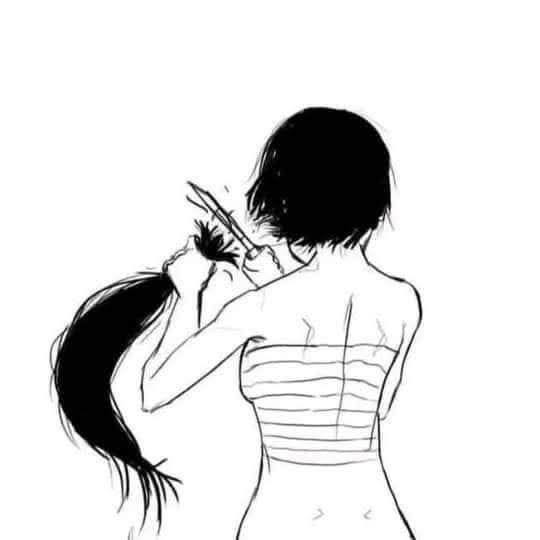
Cutting hair often carries deep emotional meaning beyond a simple style change. Many people choose to cut their hair during significant moments in life. These moments might include endings, fresh starts, or shifts in personal identity. Hair becomes more than just strands; it turns into a symbol of emotional release and transformation.
Marking New Beginnings
Hair cutting can symbolize a fresh start or a new chapter. It acts as a physical way to leave the past behind. People may cut their hair after major life events like breakups or job changes. This act helps create a sense of renewal and hope. It visually represents moving forward from old memories or struggles.
Psychological Benefits
Cutting hair offers psychological relief by creating a feeling of control. Changing one’s appearance can boost confidence and reduce stress. It helps release built-up emotions and anxiety. The act can feel like shedding negative feelings attached to the hair. Many find this simple change helps improve their mood and mental well-being.
Credit: medium.com
Frequently Asked Questions
Does Cutting Your Hair Help With Trauma?
Cutting hair does not erase trauma but can symbolize a fresh start and emotional release. It helps some regain control and mark personal growth. Hair reflects stress physically through hormones, making a haircut a meaningful coping ritual after hardship.
Does Your Hair Hold On To Trauma?
Hair doesn’t literally hold trauma but stores stress hormones like cortisol. Cutting hair can symbolize emotional release and new beginnings. Many cultures see hair as tied to identity and healing after trauma. Changing hair offers a tangible way to reclaim control and express personal growth.
What Is The Spiritual Connection Of Hair?
Hair symbolizes identity and spirit across cultures. It reflects emotions and stress physically and spiritually. Cutting hair often marks healing, release, and new beginnings. Many see hair as a vessel for energy, memories, and personal transformation. This spiritual connection empowers emotional renewal and self-control.
Why Is Cutting Hair So Emotional?
Cutting hair feels emotional because hair symbolizes identity and personal history. Changing it marks new beginnings and emotional release. It offers control during tough times and helps people shed past pain, making the act both symbolic and psychologically healing.
Conclusion
Hair does not store memories like the brain does. Still, it reflects your body’s stress through hormones. Many people feel changing hair helps them move on emotionally. Hair acts as a symbol of identity and new beginnings. Cutting or styling hair can bring a sense of control and relief.
Cultures worldwide see hair as linked to spirit and emotions. While hair itself holds no memories, it carries deep personal meaning. This makes hair a unique part of healing and self-expression.
As an Amazon Associate, I earn from qualifying purchases.
Lovingshe is a participant in the Amazon Services LLC Associates Program which is an affiliate advertising program designed to provide a means for sites to earn advertising fees by advertising and linking to Amazon.com. Amazon may use cookies to track referrals from our site. Visit Amazon’s privacy policy for details
