


Have you ever wondered if your hair actually grows faster when the days get longer and the sun shines brighter? You’re not alone.
Many people notice their hair seems to grow quicker in the summer months and wonder if it’s just a myth or a real phenomenon. If you want to understand what’s really happening beneath the surface of your scalp, and how the season might affect your hair growth, keep reading.
This article will reveal the surprising science behind summer hair growth, what factors truly matter, and how you can make the most of your hair’s natural cycle all year round. Get ready to unlock the secrets to healthier, fuller hair starting today!
Summer And Hair Growth
Summer brings longer days and warmer weather that affect many parts of our body. Hair growth is one of them. Many people notice their hair seems to grow faster during summer months. This change happens due to several natural factors linked to the season. Understanding these helps explain why hair might grow quicker in summer.
Blood Flow And Follicle Activity
Warm temperatures cause blood vessels to expand. This increases blood flow to the scalp. More blood means more oxygen and nutrients reach hair follicles. These nutrients help follicles stay healthy and active. Active follicles produce hair faster. This increased activity can speed up hair growth during summer.
Vitamin D’s Role
Sunlight is a natural source of Vitamin D. In summer, people spend more time outside and absorb more sunlight. Vitamin D helps the body absorb calcium and supports hair follicle health. It also influences the hair growth cycle. A good level of Vitamin D can promote stronger, faster hair growth.
Hormonal Influence
Light exposure affects hormone levels in the body. Longer daylight hours reduce melatonin production. Lower melatonin can increase the activity of hair follicles. It also raises levels of other hormones that promote hair growth. These hormonal changes contribute to the faster hair growth seen in summer.
Genetics And Hair Growth Rate
Genetics plays a major role in how fast hair grows. Each person has a unique growth rate set by their DNA. This rate usually stays steady throughout life.
Understanding your genetic hair growth rate helps set realistic expectations. Some people naturally grow hair faster than others. This difference is normal and not changed by seasons.
How Genes Affect Hair Growth Speed
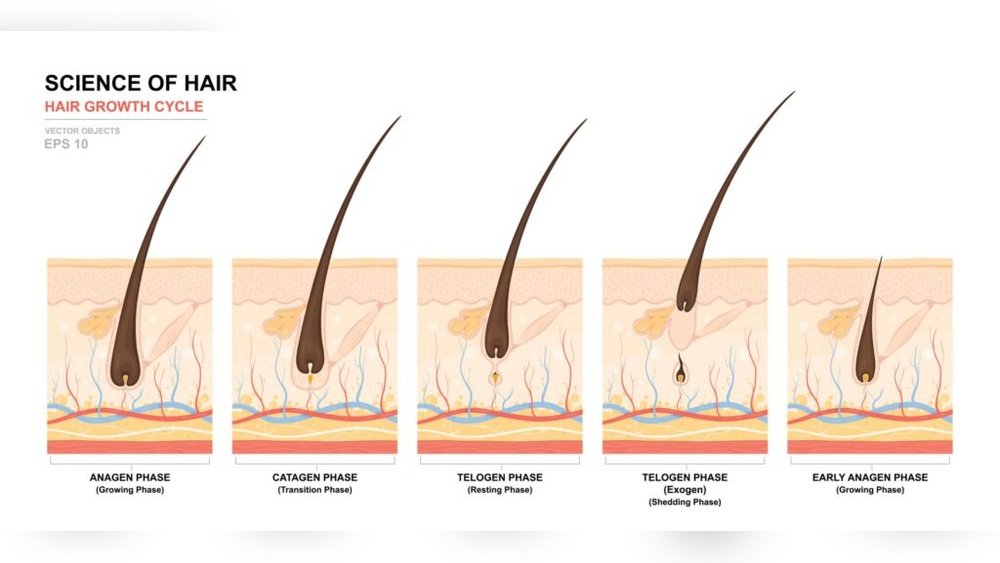
Genes control the length of the hair growth cycle. A longer growth phase means hair can grow longer and faster. Shorter cycles result in slower growth and shorter hair.
Variations in certain genes also impact follicle size and strength. Stronger follicles support thicker, healthier hair. Weaker follicles may slow down growth and cause thinning.
Genetics Vs. Seasonal Changes
Summer may slightly speed hair growth due to heat and light. Still, genetics sets the main pace. Seasonal changes cannot override inherited growth rates.
People with fast-growing hair genetically will see a small boost in summer. Those with slower growth will notice little difference. Genes remain the key factor year-round.
Can You Change Genetic Hair Growth?
Genetics cannot be changed, but healthy habits can help. Good nutrition and scalp care support the natural growth rate. Avoid harsh treatments that damage follicles.
Proper hair care maximizes your genetic potential. It keeps hair strong and reduces breakage, making growth appear faster. Focus on health, not unrealistic speed.
Nutrition’s Impact On Hair
Nutrition plays a key role in hair growth and quality. What you eat feeds your hair follicles and affects how fast hair grows. Good nutrition helps hair stay strong, shiny, and healthy.
Eating a balanced diet with the right nutrients supports hair growth during all seasons. In summer, your body may absorb more vitamins from sunlight and food. This can help hair grow quicker and look better.
Essential Vitamins And Minerals
Vitamins like A, C, D, and E are important for hair growth. Vitamin A helps produce oils that keep the scalp healthy. Vitamin C aids collagen production, which strengthens hair strands.
Vitamin D supports the hair growth cycle. More sunlight in summer raises vitamin D levels naturally. Vitamin E improves blood circulation in the scalp, bringing nutrients to hair roots.
Minerals such as iron, zinc, and magnesium also support hair health. Iron helps carry oxygen to hair follicles. Zinc repairs damaged hair and keeps oil glands working properly.
Protein And Hair Health
Hair is mostly made of a protein called keratin. Eating enough protein is essential for hair growth. Without enough protein, hair can become weak and fall out.
Good sources of protein include eggs, fish, beans, and nuts. Protein helps repair damaged hair and supports new growth. Summer diets rich in protein can boost hair strength and speed up growth.
Credit: www.abc.net.au
Seasonal Differences In Hair Growth
Hair growth changes throughout the year. Many notice their hair feels thicker or grows faster in certain seasons. These changes happen because our bodies react to the environment. Seasonal differences affect how hair grows and sheds. Understanding these shifts helps explain why hair growth varies in summer and winter.
Summer Versus Winter Growth Rates
Hair tends to grow faster in summer than in winter. Studies show hair grows about 10% faster in warm months. The increase in growth happens because of longer daylight hours. More sunlight triggers hair follicles to enter the active growth phase. In winter, shorter days slow down this process. Hair may feel duller and grow slower during cold months. This seasonal pattern repeats each year.
Environmental Effects
Warm weather improves blood circulation to the scalp. Better blood flow delivers more nutrients to hair roots. This supports stronger and faster hair growth. Sunlight also boosts Vitamin D production in the skin. Vitamin D helps regulate hair growth cycles. Cold weather can dry out hair and scalp. Dryness causes hair breakage and slower growth. Humidity in summer keeps hair hydrated and healthy. These environmental factors shape how hair grows in different seasons.
Age, Hormones, And Health Factors
Age, hormones, and health play a key role in hair growth speed. These factors influence how fast hair grows throughout the year. Summer may affect growth, but individual differences matter most.
Age And Hair Growth
Hair grows fastest in youth and slows with age. Children and teens often see quicker hair growth. Adults may notice a gradual decline after their 30s. Older adults experience slower hair renewal due to natural aging.
Hormones And Hair Growth
Hormones control hair growth cycles deeply. Increased hormone levels during puberty boost hair growth. Pregnancy also speeds up hair growth for many women. Hormonal imbalances can slow or stop growth, causing hair loss.
Health Factors Affecting Growth
Good health supports steady hair growth. Poor nutrition or illnesses may reduce hair growth speed. Thyroid problems and stress disrupt hair growth cycles. Proper diet, sleep, and hydration help maintain healthy hair.

Credit: pumphaircare.com
Tips For Maximizing Hair Growth Year-round
Maximizing hair growth throughout the year requires care beyond seasonal changes. Healthy habits keep hair strong and encourage steady growth. Consistency matters most for lasting results.
Simple steps in diet and protection help maintain hair health. These tips support natural growth no matter the weather.
Maintaining A Balanced Diet
Hair needs nutrients to grow well and stay healthy. Eating foods rich in protein, iron, and vitamins supports follicle strength. Vitamin D and zinc also play important roles in hair growth. Drinking enough water keeps the scalp hydrated and promotes healthy strands. Avoiding excessive sugar and processed foods reduces damage to hair cells. Regular meals with fresh fruits and vegetables provide essential antioxidants. This balanced diet helps hair grow at a natural pace year-round.
Protecting Hair In Different Seasons
Hair faces different challenges depending on the season. Summer heat and sun can dry out strands and cause breakage. Wearing hats or using UV-protective sprays shields hair from damage. In winter, dry air and cold temperatures can make hair brittle. Using moisturizing shampoos and conditioners helps prevent dryness. Avoiding harsh heat styling and using gentle hair care products keep hair healthy. Adjusting protection methods with the seasons keeps hair strong and growing steadily.

Credit: www.youtube.com
Frequently Asked Questions
What Month Does Hair Grow Fastest?
Hair grows fastest in June, July, and August. Warm temperatures increase blood flow, boosting nutrient delivery to follicles. More sunlight raises Vitamin D levels, supporting growth. Lower melatonin in summer also activates hair follicles. Genetics and nutrition still play key roles in hair growth speed.
What Weather Makes Hair Grow Faster?
Warm, sunny weather boosts blood flow and vitamin D, delivering nutrients to hair follicles and promoting faster hair growth.
Does Hair Grow Slower In Summer Or Winter?
Hair tends to grow faster in summer due to increased blood flow, more vitamin D, and hormonal changes. Growth slows slightly in winter.
Does Hair Really Grow Faster In Summer?
Yes, hair tends to grow slightly faster in summer due to increased blood flow and higher Vitamin D levels. Warm weather dilates blood vessels, improving nutrient delivery to follicles. More sunlight boosts Vitamin D, which supports hair growth cycles, making summer an optimal time for hair growth.
Conclusion
Summer can help hair grow a bit faster due to warmth and sunlight. Blood flow and vitamin D support healthy follicles during this season. Still, genetics and good nutrition play bigger roles year-round. Focus on eating well and caring for your scalp every day.
Healthy habits ensure steady hair growth no matter the weather. So, enjoy summer’s boost but keep consistent care for the best results. Your hair’s growth depends mostly on how you treat it daily.
As an Amazon Associate, I earn from qualifying purchases.
Lovingshe is a participant in the Amazon Services LLC Associates Program which is an affiliate advertising program designed to provide a means for sites to earn advertising fees by advertising and linking to Amazon.com. Amazon may use cookies to track referrals from our site. Visit Amazon’s privacy policy for details
