


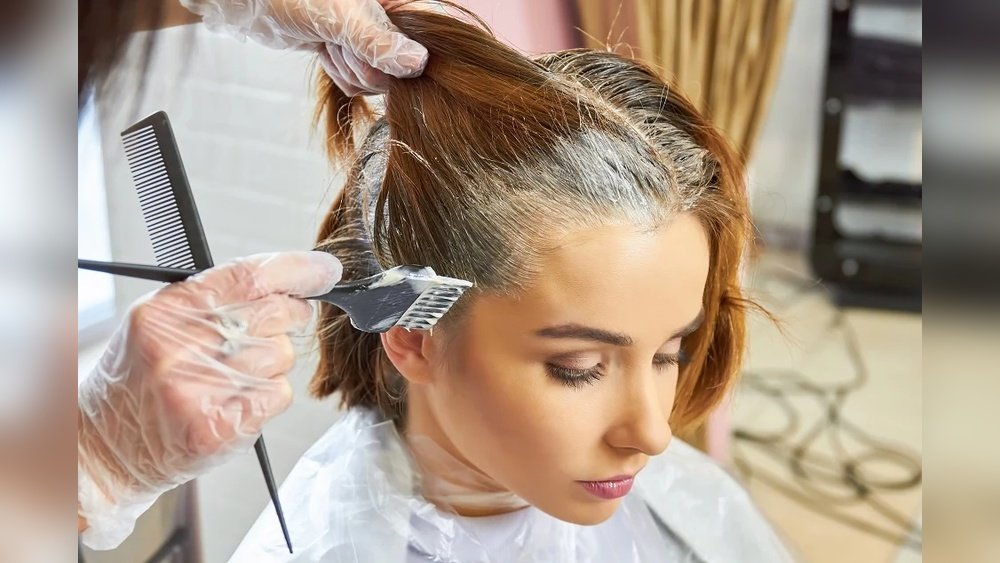
Are you wondering if dyeing your hair can actually get rid of those stubborn lice and nits? It’s a question many people ask when faced with an infestation.
You might think that the chemicals in hair dye could be a quick fix, killing off the lice and their eggs. But before you grab that box of hair color, it’s important to know the truth. Can hair dye really solve your lice problem, or is it just a myth that could leave you frustrated and still dealing with those tiny pests?
Keep reading to uncover the facts and find out what really works to protect your hair and scalp.
Hair Dye And Lice: The Myth
Many believe hair dye can kill lice and nits. This idea sounds logical because hair dye contains strong chemicals. These chemicals might kill some lice on contact. But the myth breaks down when considering lice eggs, called nits.
Nits have a hard shell that protects them well. Hair dye cannot penetrate this shell. So, nits often survive hair dye treatments. This survival leads to lice hatching again and reinfestation.
- Nits are Resilient: The protective casing of lice eggs (nits) prevents hair dye from reaching and killing them.
- Incomplete Kill: Even if some adult lice die, the remaining viable nits will hatch, and the infestation continues.
- Not Designed for Lice: Hair dye isn’t tested or formulated to eliminate lice and their eggs.
What To Do Instead
- Use Proven Lice Treatments: Opt for over-the-counter treatments, prescription medications, or professional lice removal services.
- Nits Combing: Thorough wet-combing with a fine-toothed nit comb is crucial to remove lice and nits.
- Professional Help: Consider clinics for guaranteed results, especially with severe infestations.

Credit: www.salonhaze.com
Why Hair Dye Fails
Hair dye is often thought to kill lice and nits, but it usually fails. The chemicals in hair dye do not target lice effectively. Many people still get reinfested after dyeing their hair. Understanding why hair dye fails helps to avoid false hopes and ineffective treatments.
Nits Are Resilient
Nits have a strong, protective shell. This shell stops hair dye chemicals from reaching the egg inside. Because of this, nits can survive even after hair dye is applied. The shell acts as a shield, making nits very hard to kill with dye.
Incomplete Kill
Hair dye may kill some adult lice on the scalp. But it does not kill all lice or nits. The nits that survive will hatch later. This causes the lice problem to come back again. A partial kill is not enough to stop lice completely.
Not Designed For Lice
Hair dye is made to change hair color, not kill lice. It is not tested or proven to remove lice or their eggs. Using hair dye for lice is unsafe, especially for children. It may also harm hair and scalp health. Special lice treatments work better and are safer.
Chemical Effects Of Hair Dye
Hair dye contains chemicals that change hair color by altering its structure. These chemicals include ammonia, peroxide, and other strong agents. They work by opening the hair cuticle and breaking down natural pigment. This process can affect living organisms on the hair, such as lice. Understanding how these chemicals interact with lice and nits is important to see if hair dye can kill them.
Impact On Adult Lice
Certain chemicals in hair dye can kill some adult lice on contact. Ammonia and peroxide are harsh and may dry out or poison them. However, adult lice often hide close to the scalp where dye may not fully reach. Some lice might survive if the dye is not applied properly or left on long enough. Thus, hair dye is not a guaranteed way to eliminate all adult lice.
Limitations Against Nits
Nits have a tough, protective shell called a chorion. This shell prevents chemicals from penetrating and killing the developing lice inside. Hair dye cannot reach or destroy these eggs effectively. Even if adult lice die, nits can hatch later and restart the infestation. Removing nits requires special combing or treatments designed for this purpose.
Risks And Hair Damage
Hair dye chemicals can cause damage to the hair and scalp. Frequent or improper use may lead to dryness, breakage, and irritation. Children’s scalps are sensitive and not suited for strong dyes. Using hair dye as a lice treatment can harm hair health without fully solving the lice problem. Safer and more effective lice treatments exist for this reason.
Heat Methods And Lice
Heat methods are often considered for killing lice and nits. The idea is simple: lice and their eggs might die from the heat. People use tools like hair straighteners or other heated devices to try to remove lice. The question is whether these methods really work. Understanding how heat interacts with lice and nits can help clarify this.
Hair Straighteners And Nits
Hair straighteners reach high temperatures and can kill adult lice on contact. Yet, they are not very effective against nits. Nits have a hard shell that protects the embryo inside. The heat from a straightener usually does not stay long enough on the nit to kill it. Also, it is hard to apply heat evenly to all areas of the scalp. This means many nits may survive and hatch later. Using a hair straightener alone will not solve a lice problem.
Heat Penetration Challenges
Heat must penetrate deeply to reach the lice eggs. Nits are glued firmly to hair shafts and have a tough outer layer. This shell insulates them from heat. Many heat methods fail to reach the temperature or duration needed to kill nits. Applying too much heat can also damage the hair and scalp. This makes heat treatments risky and less reliable. Safe and effective lice removal often requires more than just heat.
Effective Lice Treatments
Effective lice treatments offer real solutions for removing lice and nits from hair. Unlike hair dye, these treatments target both live lice and their eggs. Proper treatment helps stop the cycle of infestation quickly. Safe and proven methods protect your hair and scalp during the process.
Over-the-counter Options
Many over-the-counter treatments contain insecticides that kill lice. These products often include permethrin or pyrethrin. Follow the instructions carefully for best results. Repeated treatments may be needed to kill newly hatched lice. These options are widely available and easy to use at home.
Prescription Medications
Doctors can prescribe stronger medicines for stubborn lice cases. These medications may include malathion or ivermectin. Prescription treatments often work faster and are more effective. They require a doctor’s approval and careful application. Prescription options are good for resistant or severe infestations.
Professional Removal Services
Professional lice removal services use special combs and treatments. Trained experts ensure all lice and nits are removed carefully. This service reduces the chance of reinfestation. Professionals offer guidance on follow-up care. They are a reliable choice for persistent lice problems.
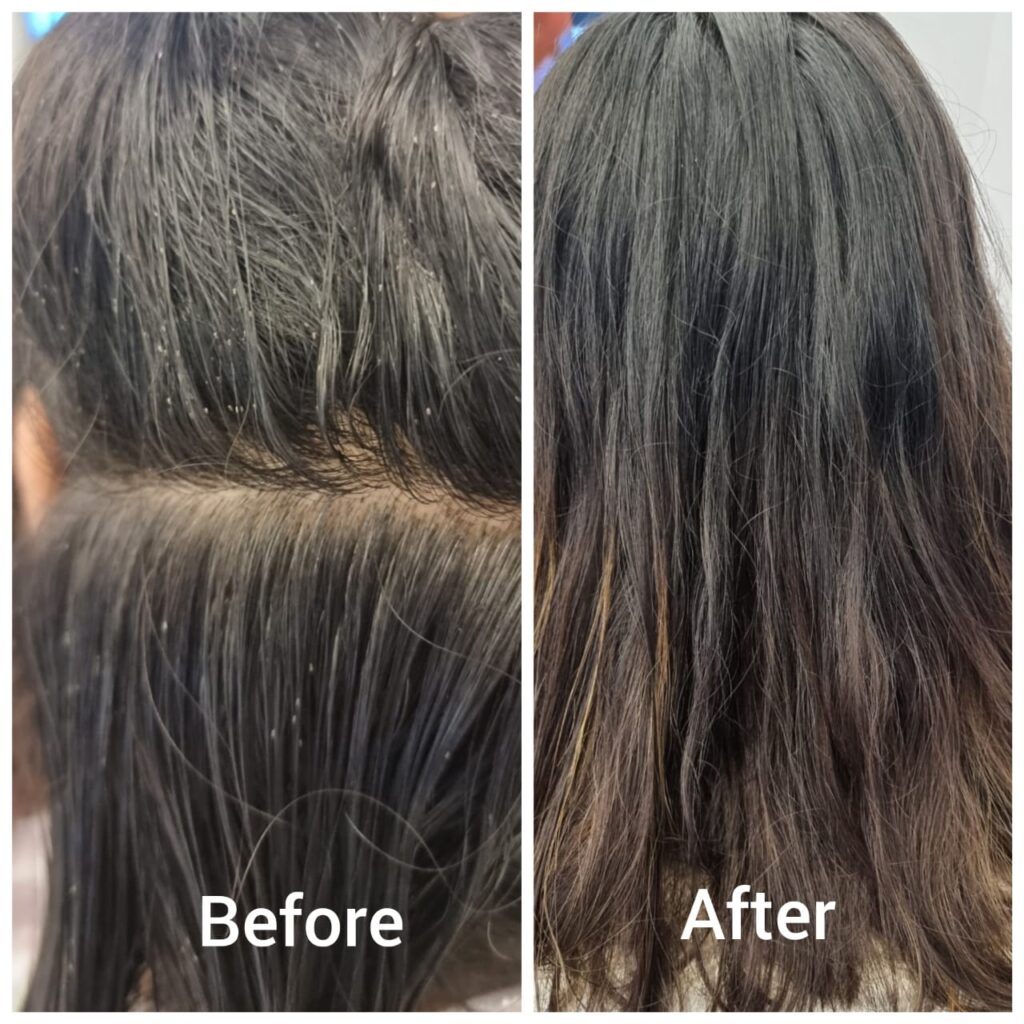
Credit: www.licefreesalon.com
Manual Removal Techniques
Manual removal techniques remain one of the most effective ways to deal with lice and nits. These methods focus on physically removing lice and their eggs from the hair. Unlike chemical treatments, manual removal avoids harsh substances and can be safer for children and sensitive scalps.
Manual removal requires proper tools and a careful approach. It helps reduce the chance of reinfestation by targeting both live lice and nits. Persistence plays a key role in success.
Wet-combing With Nit Combs
Wet-combing uses water and conditioner to make hair slippery. This helps catch lice and nits more easily. A fine-toothed nit comb is used to comb through small sections of wet hair.
Start at the scalp and comb all the way to the ends. Clean the comb after each stroke to remove lice and eggs. Repeat this process every few days until no lice or nits are found.
Consistency And Patience
Manual removal takes time and regular effort. Lice eggs hatch over several days, so repeated combing is necessary. Consistent combing ensures newly hatched lice are removed before they multiply.
Patience is crucial. Skipping sessions or rushing combing can leave eggs behind. Stick to a schedule and stay thorough. This method, combined with good hygiene, can clear infestations effectively.
When To Seek Professional Help
Knowing when to seek professional help is important in dealing with lice infestations. Some cases require expert treatment beyond home remedies. Early intervention can prevent the problem from worsening. Professionals use safe and effective methods tailored to the situation. This section explains when to consider professional lice removal services.
Resistant Lice Cases
Some lice develop resistance to common treatments. These lice survive usual shampoos and combing. Persistent itching and visible lice after treatment suggest resistance. Professionals can identify resistant cases quickly. They offer stronger treatments not available over-the-counter. Resistant lice need careful handling to avoid spreading. Experts ensure complete removal of live lice and nits.
Clinic Advantages
Clinics use specialized tools and techniques for lice removal. They provide thorough scalp examinations to detect all lice and nits. Treatments at clinics are clinically tested for safety and effectiveness. Experts also teach parents and patients how to prevent reinfestation. Clinics save time and reduce stress with faster results. Many clinics offer follow-up checks to ensure lice are gone. Professional care reduces the chance of recurring infestations significantly.
Safety Concerns With Hair Dye
Using hair dye to kill lice and nits raises several safety concerns. Hair dye contains strong chemicals that can irritate the scalp and skin. The risk is higher if the dye is used repeatedly or left on for too long. Safety is especially important when treating children or people with sensitive skin. Understanding these risks helps prevent harm while addressing lice problems.
Use In Children
Children’s skin is more sensitive than adults’. Hair dye can cause allergic reactions or burns on a child’s scalp. Many hair dyes contain ammonia and peroxide, which may irritate young skin. Doctors often advise against using hair dye on children under 12. Safer lice treatments specifically made for children are recommended instead. Always check product labels and consult a healthcare provider before use.
Potential Hair Damage
Hair dye can weaken hair strands and cause breakage. The chemicals open the hair cuticle, making hair dry and brittle. Frequent dyeing increases damage and split ends. Damaged hair may become harder to comb out lice and nits. This damage can worsen scalp irritation caused by lice. Using gentle lice treatments helps protect hair health while clearing infestations.
Common Misconceptions
Many people believe that hair dye can kill lice and nits, but this idea is false. Several myths spread about using hair dye as a lice treatment. These common misconceptions cause confusion and delay proper care. It is important to understand the facts about lice and hair dye. Knowing the truth helps in choosing safe and effective treatments.
Salons And Hair Dye
Some think salons can remove lice by dyeing hair. Salons focus on styling and coloring, not lice removal. Hair dye may kill some adult lice due to chemicals, but it does not kill nits. Nits have a hard shell that protects them from dye. Salons do not use special lice treatments. Relying on hair dye alone can lead to lice returning. Professionals recommend using products made specifically to remove lice and nits.
Social Media Myths
Social media spreads many false claims about hair dye and lice. Videos show people saying hair dye kills all lice and eggs instantly. These claims lack scientific proof and can mislead viewers. Some posts suggest using hair dye as a quick fix, ignoring safety risks. Harsh chemicals in hair dye can harm scalp and hair, especially in children. Trusted lice treatments and combing are safer and more effective. Always check facts before trying home remedies found online.
Credit: myliceadvice.com
Frequently Asked Questions
Will A Hair Straightener Kill Nits?
A hair straightener does not effectively kill nits. Heat often isn’t hot or sustained enough to destroy the eggs. Use proven lice treatments and thorough combing for best results.
Can Hair Dye Kill Head Lice And Nits Effectively?
No, hair dye is not effective in killing lice and nits. Its chemicals may kill some live lice but cannot penetrate the tough shells of nits. This often leads to reinfestation, making hair dye an unreliable lice treatment option.
Why Doesn’t Hair Dye Kill Lice Eggs (nits)?
Nits have a protective casing that prevents hair dye from reaching and killing them. Even if some lice die, viable nits will hatch later, continuing the infestation. Hair dye is not formulated to eliminate lice eggs.
Is Hair Dye Safe For Treating Lice In Children?
No, using hair dye on children for lice treatment is unsafe. Harsh chemicals like ammonia and peroxide can damage delicate hair and scalp. Specialized lice treatments are safer and more suitable for children.
Conclusion
Hair dye does not fully kill lice or their eggs. Nits have strong shells that hair dye cannot break. Some adult lice may die, but eggs often survive. This means lice can return after dyeing. Using hair dye to treat lice can also harm hair and scalp.
It’s safer and smarter to use proven lice treatments. Combing hair carefully helps remove lice and nits. Professional help ensures a thorough and effective removal. Choose safe, tested methods to protect your hair and health.
As an Amazon Associate, I earn from qualifying purchases.
Lovingshe is a participant in the Amazon Services LLC Associates Program which is an affiliate advertising program designed to provide a means for sites to earn advertising fees by advertising and linking to Amazon.com. Amazon may use cookies to track referrals from our site. Visit Amazon’s privacy policy for details
