


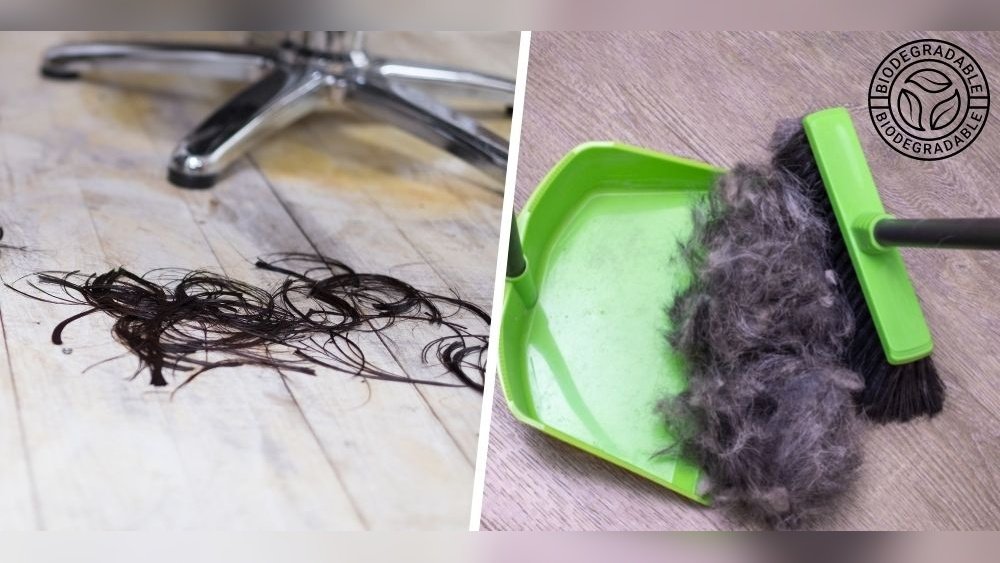
Have you ever wondered what really happens to your hair after it falls out or gets cut? Does it simply vanish, or does it stick around for a long time?
Understanding whether hair degrades might surprise you. Your hair is made of a tough protein called keratin, which makes it strong and resistant to breaking down easily. But that doesn’t mean it lasts forever. In fact, the way hair decomposes depends a lot on where it ends up—whether buried in soil, stuck in a drain, or tossed in the trash.
If you want to know how long your hair truly lasts, what factors speed up or slow down its breakdown, and why this matters for the environment and even your daily life, keep reading. The answers might change how you think about the hair you shed every day.

Credit: vadic.vigyanashram.blog
Hair Growth Cycle
The hair growth cycle is a natural process that controls the life span of each hair strand. It consists of four main stages, each with a unique role in hair development and shedding. Understanding this cycle helps explain why hair grows, rests, and falls out regularly.
Anagen Phase
The anagen phase is the growth stage. Hair cells divide rapidly, and the hair strand becomes longer. This phase can last from two to seven years. The longer the anagen phase, the longer the hair can grow.
Catagen Phase
The catagen phase is a short transition stage. It lasts about two to three weeks. During this time, hair growth stops. The hair follicle shrinks and detaches from the blood supply.
Telogen Phase
The telogen phase is the resting stage. It lasts about three months. Hair does not grow but stays attached to the follicle. At the end of this phase, hair prepares to shed.
Exogen Phase
The exogen phase is when the hair strand sheds. Old hairs fall out, making room for new hair to grow. This phase overlaps with the telogen phase. Normal hair shedding ranges from 50 to 100 hairs daily.
Factors Affecting Hair Lifespan
Hair lifespan depends on many factors that influence its growth and durability. These factors affect how long hair stays healthy before it sheds. Understanding them helps maintain strong, vibrant hair for longer periods.
Health And Nutrition
Good health supports hair growth and strength. Poor diet can weaken hair and shorten its life cycle. Lack of vitamins and minerals causes hair to become brittle and fall out. Stress and illness disrupt the natural hair growth stages. Proper nutrition keeps hair follicles active and healthy.
Hair Care Practices
Gentle hair care protects hair from damage and loss. Using mild shampoos and conditioners keeps hair hydrated. Avoiding harsh chemicals prevents breakage and dryness. Regular trimming removes split ends that weaken hair strands. Minimizing heat styling reduces stress on hair fibers.
Hair Composition And Durability
Hair is made of strong materials that help it last long after shedding. Its makeup gives hair a unique durability. This section explains what hair is made of and why it resists decay.
Understanding hair’s composition helps us see how it breaks down over time. Hair does degrade, but slowly and in certain conditions.
Keratin Structure
Hair is mostly keratin, a tough protein. Keratin fibers are packed tightly in hair strands. This tight packing makes hair strong and flexible. Keratin contains sulfur, which forms strong bonds inside hair. These bonds keep hair from falling apart easily. The keratin structure protects hair from water and bacteria. This helps hair stay intact longer after it falls out.
Resistance To Decay
Hair resists decay better than many body parts. Its keratin resists enzymes and microbes that cause decomposition. In humid places, hair breaks down faster. In dry or cold places, hair can last for years. Hair’s slow decay means it can remain after death or shedding. This durability helps forensic scientists identify people from hair samples.
Decomposition Process
Hair decomposition is a slow natural process. Hair is made of keratin, a strong protein. This makes hair hard to break down quickly. Various factors like environment, microbes, and chemicals affect this process. Understanding these helps us know how hair degrades over time.
Environmental Impact
The environment plays a key role in hair decay. Warm and humid places speed up decomposition. Moist soil helps microbes break down hair faster. Dry or cold areas slow this process. Hair can last years or even centuries in dry climates. Sunlight and oxygen also influence how fast hair degrades.
Microbial Activity
Microbes like bacteria and fungi help break hair down. They feed on keratin, but it is tough to digest. Some microbes produce enzymes that slowly eat hair fibers. The amount and type of microbes vary by location. More microbes mean faster hair decomposition. Without enough microbes, hair remains for a long time.
Chemical Effects
Chemicals in soil affect hair breakdown. Acids and salts can weaken keratin fibers. This helps microbes digest hair more easily. Pollution and waste can change soil chemistry. These changes may speed up or slow hair decay. Natural chemicals from plants also play a role in this process.
Decomposition Timeframe
Human hair is made of keratin, a strong protein. It does break down, but the process takes time. The speed of decomposition changes with the environment. Factors like moisture, temperature, and where the hair is disposed of matter. Understanding these helps to know how long hair takes to degrade.
Humid And Warm Conditions
In hot and wet places, hair breaks down faster. Bacteria and fungi thrive here, helping to decompose hair. It may take about one year for hair to degrade. The moisture softens the keratin, making it easier to break. Warmth speeds up the activity of decomposing organisms.
Dry And Cool Environments
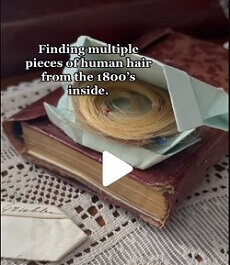
Cold and dry places slow hair decomposition. Hair can last for many years in these conditions. It may remain intact for centuries in some cases. The lack of moisture stops bacteria from growing. Keratin stays tough without water and heat.
Landfill And Composting
Hair in landfills breaks down slowly. Landfills often lack air and moisture. These conditions make decomposition very slow. In composting, hair breaks down faster. Compost piles have heat, moisture, and microbes. They help break keratin into soil-friendly material.

Credit: www.researchgate.net
Hair In Different Environments
Hair behaves differently depending on the environment it enters after shedding. Its tough keratin structure slows down decay. Factors like moisture, temperature, and microbial activity affect how fast hair breaks down. Exploring hair in various settings reveals the challenges in its decomposition process.
Drains And Pipes
Hair often clogs drains and pipes, causing blockages. It accumulates quickly because it does not dissolve in water. Microbes in pipes have a hard time breaking down hair. Over time, hair mats with grease and soap, forming tough clogs. These clogs can take months or years to degrade naturally.
Landfills
In landfills, hair decomposes very slowly. Lack of sunlight and oxygen slows the process. Hair can remain intact for decades in such conditions. Microbial activity is limited, which delays breakdown. The dry and compact environment preserves hair longer than soil or compost.
Compost Systems
Compost systems with good moisture and warmth speed up hair decay. Microorganisms feed on organic matter, including hair keratin. Shredding hair into small pieces helps microbes work faster. In ideal compost, hair may degrade in one to two years. Composting hair returns nutrients back to the soil.
Environmental Impact Of Hair Waste
Hair waste plays a unique role in the environment. It is organic but breaks down very slowly. Understanding its impact helps us manage it better. Hair can affect pollution levels and soil health differently. This section explores these effects clearly.
Pollution Concerns
Hair waste often ends up in landfills or drains. It does not dissolve quickly because of its keratin structure. Large amounts can clog water systems and cause blockages. When mixed with chemicals, hair may release toxins. These pollutants harm aquatic life and water quality. Proper disposal methods reduce these risks significantly.
Potential Benefits In Soil
Hair contains nitrogen, an essential nutrient for plants. When decomposed, it slowly releases these nutrients into the soil. This can improve soil fertility and structure. Some gardeners use hair to deter pests naturally. It also helps retain moisture and prevent erosion. Hair waste has promising uses as an organic soil amendment.
Credit: www.hairlosscure2020.com
Frequently Asked Questions
What Is The Lifespan Of A Hair?
The lifespan of a hair includes growth, rest, and shedding phases, typically lasting 2 to 7 years. Hair decomposes slowly due to keratin, breaking down within months to centuries depending on conditions.
Does Human Hair Biodegradable?
Human hair is biodegradable but decomposes slowly due to its keratin protein. It can take months to years, depending on environment. Warm, moist conditions speed up breakdown, while dry or cold environments preserve it longer. Microbes help degrade hair, turning it into soil nutrients over time.
Does Hair Decompose In A Bag?
Hair decomposes slowly in a bag due to its tough keratin protein. Moisture and warmth speed breakdown, but it may take months to years. Without proper conditions, hair can persist and resist decay.
Does Hair Eventually Disintegrate?
Yes, hair eventually disintegrates as it is organic. Its tough keratin slows decomposition, taking months to centuries depending on environment. Warm, moist conditions speed breakdown, while dry or sealed spaces preserve hair longer. Microbes and chemicals can accelerate decomposition, turning hair into soil nutrients over time.
Conclusion
Hair does degrade, but the process is very slow. Its strong keratin structure resists quick decay. Warm, moist environments help hair break down faster. Dry, cool places can preserve hair for centuries. Understanding hair degradation helps manage waste better. Patience is key; hair naturally returns to the earth.
This slow cycle connects us to nature’s rhythms.
As an Amazon Associate, I earn from qualifying purchases.
Lovingshe is a participant in the Amazon Services LLC Associates Program which is an affiliate advertising program designed to provide a means for sites to earn advertising fees by advertising and linking to Amazon.com. Amazon may use cookies to track referrals from our site. Visit Amazon’s privacy policy for details
