


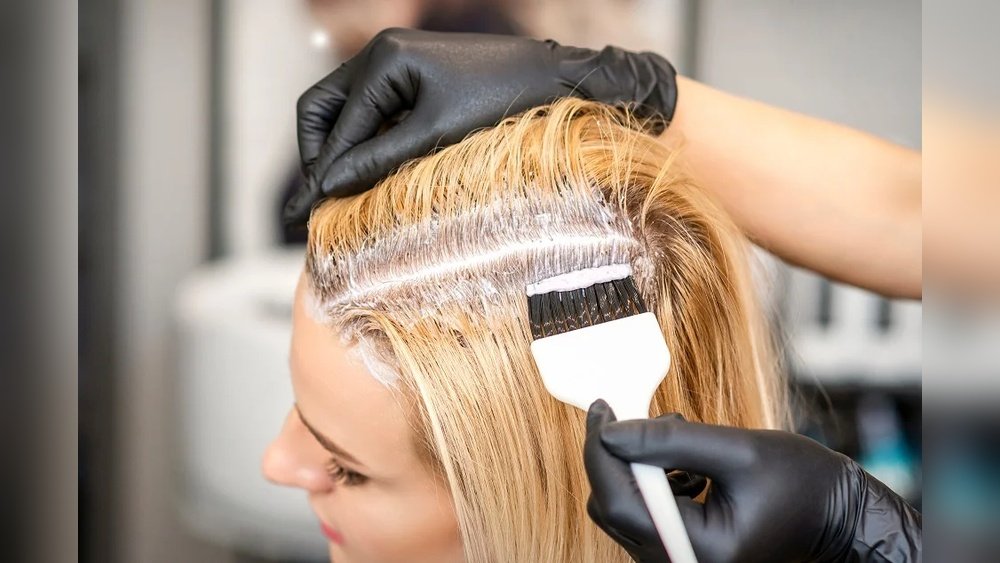
Are you wondering if dying your hair can get rid of those stubborn head lice once and for all? It’s a common question with many people hoping for a quick fix.
After all, hair dye contains strong chemicals, so it seems logical that it might kill lice and their eggs. But does it really work? Before you grab that box of dye, it’s important to know the facts. You’ll discover why hair dye is not the lice killer you might think it is, what actually works to eliminate lice, and the safest, most effective ways to protect your hair and scalp.
Keep reading to clear up the confusion and take control of your lice problem for good.

Credit: licecaresolutions.com
Hair Dye And Lice
Hair dye is a popular cosmetic product used to change hair color. Some believe it might kill head lice. Understanding how hair dye affects lice helps clarify this common question. Hair dye contains chemicals that can harm hair and scalp. But does it work against lice and their eggs? Let’s explore the facts.
Effectiveness Against Lice
Hair dye may kill some adult lice on contact. The strong chemicals can be harmful to lice’s soft bodies. However, many lice survive because they can close their breathing holes. This ability helps them resist chemicals in hair dye. Also, lice hide close to the scalp where dye might not reach well. Therefore, hair dye does not reliably kill all lice.
Impact On Lice Eggs
Lice eggs, or nits, have a tough outer shell. This shell protects the egg from chemicals and damage. Hair dye chemicals cannot penetrate this hard coating. As a result, lice eggs survive hair dye treatments. They hatch later, restarting the lice problem. Hair dye does not stop the life cycle of lice because it leaves eggs unharmed.
Chemical Components In Hair Dye
Common hair dyes contain ammonia and peroxide. These chemicals lighten hair by breaking down natural pigment. They can irritate skin and damage hair. Ammonia and peroxide are strong but not designed to kill lice. Hair dye formulas vary widely and are not tested against lice. This inconsistency means hair dye is not a reliable lice treatment.
Why Hair Dye Fails
Many people wonder if dying hair can kill lice. The truth is, hair dye often fails to eliminate lice effectively. Several factors make hair dye an unreliable solution. Understanding why helps avoid wasted time and frustration. Here are the main reasons why hair dye does not work against lice.
Toughness Of Nits
Nits, or lice eggs, have a very hard shell. This shell protects them from many chemicals. Hair dye chemicals cannot penetrate the shell. Even strong dyes like peroxide or ammonia fail to reach the eggs inside. Because nits survive, they hatch later and restart the infestation. Killing adult lice alone is not enough.
Lice’s Chemical Resistance
Lice are surprisingly tough against chemicals. They can close their breathing holes to avoid harmful substances. This ability helps them survive exposure to hair dye. Some adult lice might die, but many survive the chemical attack. Their resilience makes hair dye an ineffective lice killer.
Lack Of Testing For Lice Control
Hair dyes are made to change hair color, not kill lice. Manufacturers do not test hair dyes for lice control. Ingredients vary widely between brands, leading to inconsistent results. Without specific testing, no proof shows hair dye can remove lice fully. Specialized lice treatments remain the safest and most reliable choice.
Better Lice Treatments
Better lice treatments focus on safe and proven methods to remove lice effectively. Hair dye does not kill lice or their eggs. Using targeted treatments ensures quicker relief and stops the infestation from spreading.
Over-the-counter Remedies
Many over-the-counter shampoos and lotions kill lice with special chemicals. These products often contain permethrin or pyrethrin, which attack lice quickly. Follow the instructions carefully for best results. Some treatments may require a second application to kill newly hatched lice.
Manual Nit Removal
Manual removal means using a fine-toothed comb to remove lice and nits from hair. Comb through wet hair section by section. This method helps remove eggs that survive chemical treatments. It takes patience but is very effective when done properly and regularly.
Professional Lice Removal Services
Professional services use safe, specialized methods to remove lice completely. Technicians have experience and tools to find and remove lice and nits. These services often use non-toxic treatments that are gentle on hair and scalp. They provide a thorough and reliable solution for tough cases.

Credit: www.licedoctors.com
Risks Of Using Hair Dye
Using hair dye to kill lice may seem like a quick fix. Many believe the chemicals can eliminate lice and their eggs. This idea carries several risks. Understanding these risks helps avoid harm and ongoing problems.
Safety Concerns For Children
Children’s skin is very sensitive. Hair dye contains harsh chemicals like ammonia and peroxide. These can cause allergic reactions or skin burns. Applying dye on a child’s scalp may lead to irritation or pain. Children may accidentally swallow or rub dye into their eyes. This poses serious health risks. Using hair dye on children without medical advice is unsafe.
Potential For Prolonged Infestations
Hair dye does not kill lice eggs (nits). The hard shell of nits protects them from chemicals. Even if some lice die, nits hatch later. This restarts the infestation cycle. Relying on hair dye delays effective treatment. Lice multiply and spread during this time. The infestation can become harder to control. Proper lice treatments are needed to stop lice fully.
False Sense Of Security
People may feel safe after dyeing their hair. They think lice are gone and stop checking for lice. This false sense of security allows lice to spread unnoticed. It may also delay seeking real treatment. Friends and family may get infected unknowingly. The infestation can grow larger and last longer. Accurate information and proper care prevent this problem.
Heat And Lice Control
Heat is a popular idea for killing lice. Many believe hot air can stop lice and their eggs. Some try blow drying or heat devices to remove lice.
Understanding how heat affects lice can help decide if it works. Let’s explore the theory, research, and risks of using heat.
Theory Behind Blow Drying
Blow drying uses hot air to dry hair quickly. The heat may harm lice by drying them out. Lice need moisture to survive, so heat could kill them.
Some think hot air also damages nits. Nits have a hard shell, but heat might weaken them. The idea is that regular blow drying may reduce lice numbers.
Research On Heat Devices
Studies test special heat devices made for lice control. These machines blow hot air at safe levels. Research shows heat can kill lice and nits if used properly.
Some devices reach temperatures that dry lice quickly. Results vary based on how long and how hot the air is. Controlled heat treatments show promise but need more study.
Limitations And Risks
Blow drying alone often does not kill all lice or nits. Lice can hide near the scalp where heat is less intense. Nits are tough and may survive normal drying.
Using too much heat risks burning the scalp or hair damage. Heat devices must be used carefully to avoid injury. Heat should be part of a full lice removal plan, not the only method.
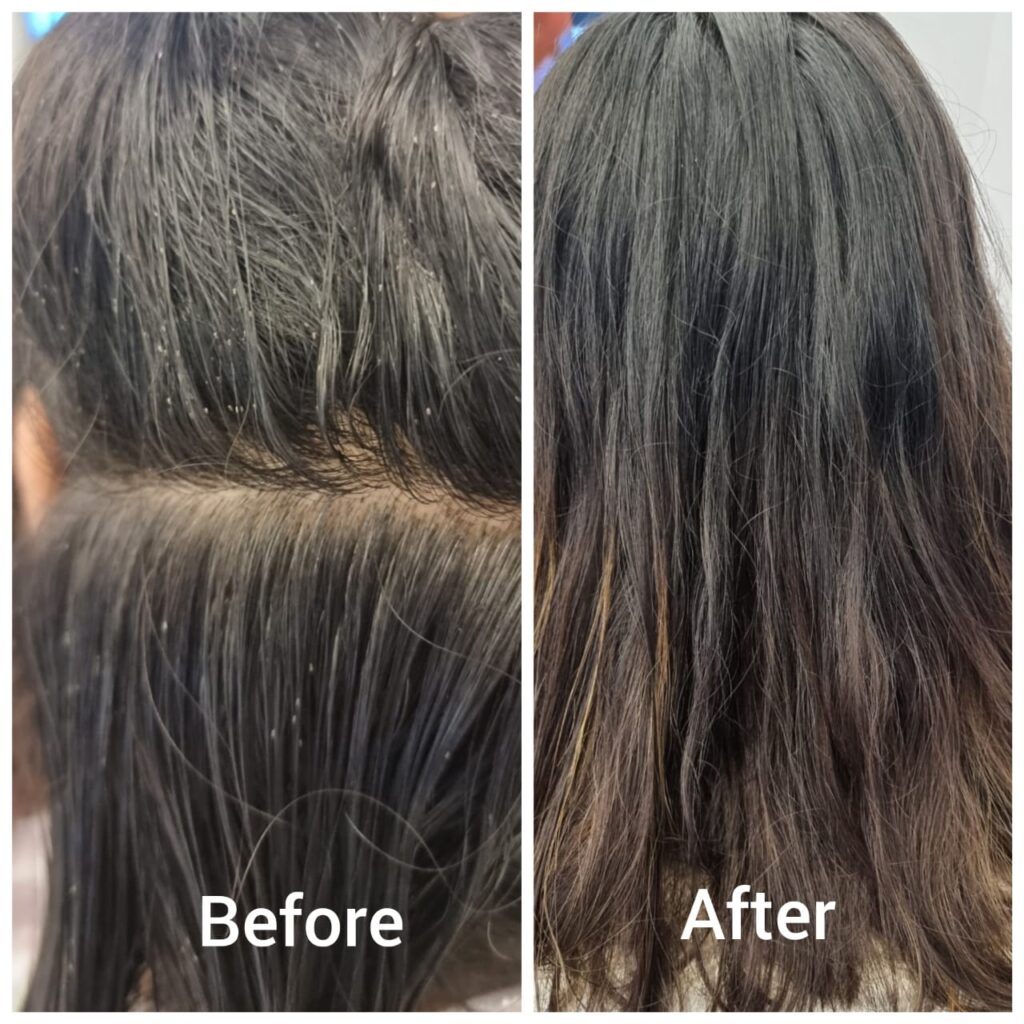
Credit: www.licefreesalon.com
Frequently Asked Questions
Can I Dye My Hair To Get Rid Of Lice?
Hair dye does not effectively kill lice or nits. Chemicals may harm some lice but won’t reach eggs. Use proven lice treatments and thorough combing instead.
Can Lice Survive A Hair Dryer?
Lice can survive a hair dryer because heat from dryers rarely reaches lethal temperatures for them. Drying alone won’t kill lice or nits. Use proven lice treatments and thorough combing for effective removal.
Can Hair Dye Irritate A Lice Infestation?
Hair dye can irritate the scalp but does not affect lice infestations. It won’t kill lice or nits effectively. Use proven lice treatments for safe removal.
Why Don’t Lice Like Dyed Hair?
Lice dislike dyed hair because chemicals in dye irritate them. Yet, hair dye doesn’t reliably kill lice or their eggs. Lice eggs have tough shells that dye chemicals cannot penetrate. Using specialized lice treatments remains the best way to remove lice effectively.
Conclusion
Dyeing hair does not kill lice or their eggs effectively. Lice eggs have hard shells that chemicals cannot break. Lice can survive harsh chemicals by closing their breathing holes. Hair dye is not made to treat lice and results vary.
Using lice shampoos and combing hair carefully works best. Professional lice removal offers safer, more reliable results. Avoid relying on hair dye to stop lice infestations. Safe, proven treatments help remove lice completely and quickly.
As an Amazon Associate, I earn from qualifying purchases.
Lovingshe is a participant in the Amazon Services LLC Associates Program which is an affiliate advertising program designed to provide a means for sites to earn advertising fees by advertising and linking to Amazon.com. Amazon may use cookies to track referrals from our site. Visit Amazon’s privacy policy for details
