


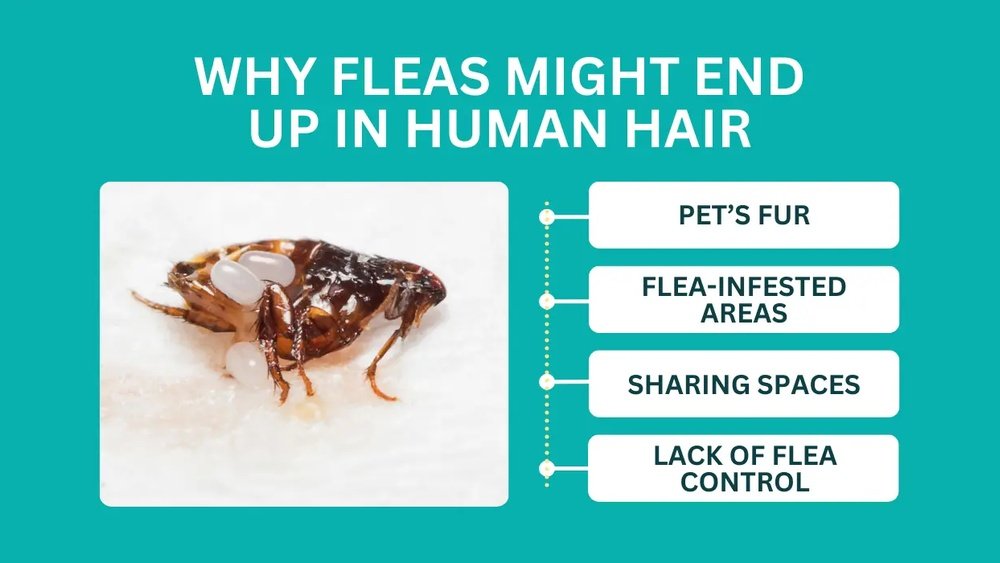
Have you ever wondered if those pesky dog fleas can make your hair their new home? If you’ve found yourself itching and worrying about tiny bugs crawling through your locks, you’re not alone.
Understanding whether dog fleas actually live in human hair is key to stopping the itch and preventing an infestation. You’ll discover the truth about fleas on humans, why they might bite you but won’t settle in your hair, and what simple steps you can take to protect yourself and your home.
Keep reading—you’ll learn how to tackle fleas effectively before they become a bigger problem.
Flea Biology And Hosts
Understanding flea biology and their hosts helps clarify if dog fleas can live in human hair. Fleas are tiny insects that feed on blood. They prefer certain animals but may bite humans too.
Knowing flea species and their life cycle reveals where they thrive. Their host preference shows why dog fleas usually stay on pets, not humans.
Dog Flea Species
The most common dog flea is Ctenocephalides canis. This flea mainly lives on dogs and rarely on humans. Another flea often found on dogs is the cat flea, Ctenocephalides felis. Both species feed on animals but can bite humans if no pets are around. Dog fleas have strong legs to jump onto their hosts quickly.
Flea Life Cycle
Fleas go through four stages: egg, larva, pupa, and adult. Eggs fall off the host into the environment, like carpets or soil. Larvae hatch and feed on organic debris. Pupae develop inside cocoons until ready to emerge. Adult fleas jump onto hosts to feed and reproduce. Without a host, adult fleas can only survive a few days.
Preferred Hosts
Dog fleas prefer dogs and other animals with fur. They need the warmth and blood from these hosts to live and lay eggs. Humans are not a suitable host for dog fleas. Fleas may bite humans, causing itching, but they do not live or reproduce in human hair. Fleas require the environment and host animal to complete their life cycle.

Credit: www.itchpet.com
Fleas On Humans
Fleas are tiny pests that often cause discomfort and itching. They mostly live on animals but sometimes jump onto humans. Understanding how fleas interact with humans helps prevent bites and infestations. This section explains whether fleas can live in human hair, why they bite humans, and how long they stay on us.
Can Fleas Live In Human Hair?
Dog fleas do not live in human hair. They prefer animals with fur for food and shelter. Human hair is not a suitable environment for fleas to survive or lay eggs. Fleas may jump onto people briefly, but they cannot stay long. Without a proper host, fleas die quickly.
Why Fleas Bite Humans
Fleas bite humans to feed on blood. They need blood to grow and reproduce. Humans are not their first choice, but fleas will bite if no animal hosts are nearby. Flea bites cause itching, redness, and small bumps on the skin. Bites usually appear on the legs and ankles.
Duration Fleas Stay On Humans
Fleas do not live long on humans. They jump on for a quick meal and then leave. Without animal fur, fleas cannot hide or reproduce on people. Typically, fleas stay only a few hours on human skin. Treating pets and homes is essential to stop fleas from biting humans.
Signs Of Fleas In Hair
Fleas can be a real nuisance for both pets and humans. Knowing the signs of fleas in hair helps you act fast. Fleas cause discomfort and sometimes allergic reactions. Early detection is key to stopping their spread.
Check your scalp and hair carefully if you feel any unusual irritation. Fleas do not usually live in human hair for long, but they can bite and cause symptoms. Watch for these common signs to identify fleas early.
Itching And Red Bumps
Itching is one of the first signs of fleas in hair. Flea bites cause small, red bumps on the scalp or neck. These bumps may be itchy and sometimes painful. Scratching can make the skin irritated or infected. The bites often appear in clusters or a line.
Visible Fleas Or Eggs
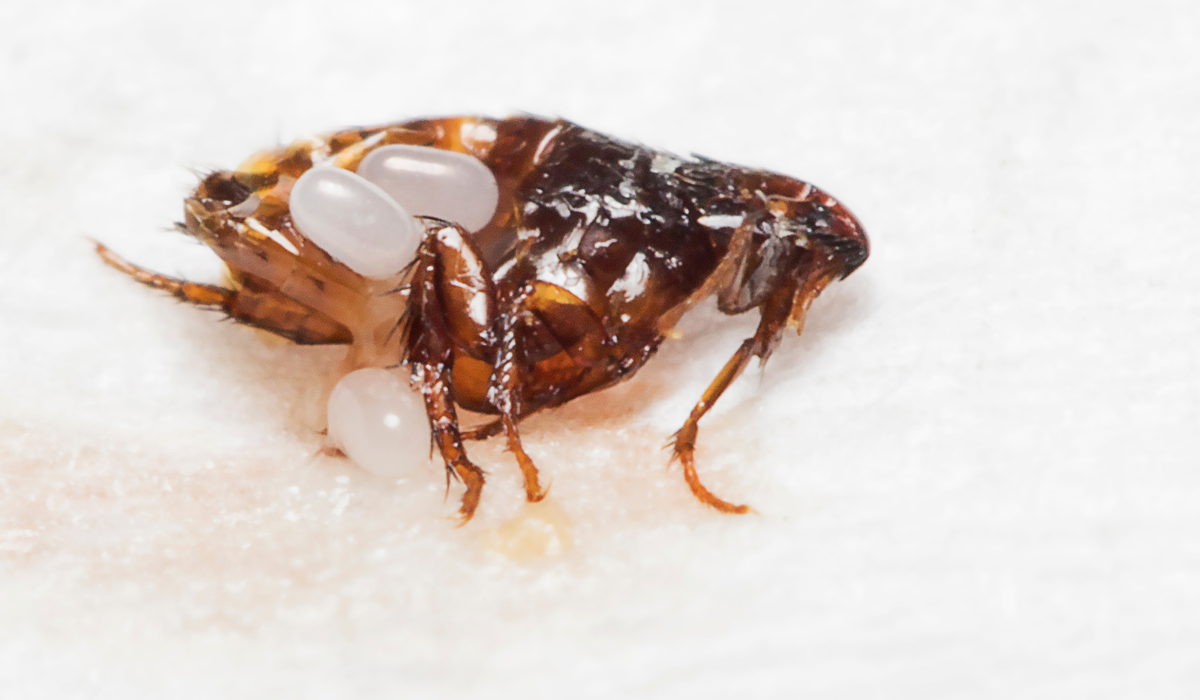
Sometimes, you can see fleas or their eggs in your hair. Fleas are tiny, dark brown insects that jump quickly. Flea eggs look like small white specks and stick to hair strands. Use a fine-toothed comb to check for these signs. Fleas move fast, so look closely.
Other Symptoms
Other symptoms include redness and swelling around the bite area. Some people develop a rash or hives from flea bites. Flea saliva can cause allergic reactions in sensitive individuals. You may feel restless or uncomfortable due to constant itching. If symptoms worsen, seek medical advice promptly.
Credit: www.nativepestmanagement.com
Removing Fleas From Hair
Removing fleas from hair requires careful attention and consistent effort. Fleas can cause itching and discomfort if they get into human hair. Although fleas prefer animals, they sometimes jump onto people. Acting quickly helps stop bites and irritation. The best approach combines washing, combing, and treating with safe products. This section explains easy and effective methods to remove fleas from hair.
Washing With Soap And Water
Start by washing hair thoroughly with soap and warm water. Use regular or dish soap to help drown fleas. The water temperature should be warm but not hot to avoid skin irritation. Lather well and rinse hair multiple times. This process removes fleas and eggs stuck in hair. Repeat washing daily until fleas disappear completely. Washing alone may not solve the problem, but it reduces flea numbers significantly.
Using Flea Combs
After washing, use a fine-toothed flea comb on wet hair. These combs catch fleas and their eggs. Comb hair in small sections from root to tip. Wipe the comb on a white tissue after each stroke. Check the tissue for fleas or eggs and dispose of them properly. Flea combing helps remove fleas mechanically without chemicals. Repeat combing every day for several days to catch all fleas.
Medicated And Natural Treatments
Medicated shampoos designed for lice may help reduce fleas in hair. Look for products with ingredients like permethrin. Use them according to package instructions to avoid skin reactions. Natural treatments like tea tree oil can repel fleas gently. Dilute essential oils before applying to skin or hair. Avoid strong chemicals on sensitive skin, especially for children. Combine treatments with washing and combing for best results.
Treating Pets And Home
Treating pets and home is essential for controlling fleas effectively. Fleas primarily live on pets, but their eggs and larvae can infest your living space. Addressing both your pets and environment stops fleas from returning.
Start with your pets by using safe flea prevention methods. Next, clean bedding and carpets where flea eggs hide. Finally, vacuum and control the environment to reduce flea populations.
Flea Prevention For Pets
Use flea collars, topical treatments, or oral medications recommended by vets. Check your pet’s fur regularly for fleas or flea dirt. Bathe pets with flea shampoos to kill fleas on contact. Treat all pets in the household to prevent cross-infestation.
Cleaning Bedding And Carpets
Wash pet bedding in hot water weekly to kill flea eggs and larvae. Clean human bedding if pets sleep on your bed. Use flea sprays safe for fabrics on carpets and upholstery. Regularly clean areas where your pet rests or plays.
Vacuuming And Environmental Control
Vacuum floors, carpets, and furniture thoroughly to remove fleas and eggs. Dispose of vacuum bags or empty canisters outside immediately. Keep your home dry and cool as fleas thrive in warm, humid places. Use flea control sprays or powders in problem areas for extra protection.
Common Misconceptions
Many people worry about fleas living in their hair after close contact with pets. This concern leads to several false beliefs about how fleas behave around humans. Understanding the facts can help clear up these common misunderstandings. Below are some of the most frequent myths and the real truth behind them.
Fleas Living Long-term On Humans
Fleas do not live long on humans. They prefer animals like dogs and cats. Human skin does not provide the right environment for fleas to survive. Fleas may bite humans but cannot stay on human hair for a long time. Without a proper host, they die quickly.
Effectiveness Of Home Remedies
Many home remedies claim to remove fleas from hair. Washing hair with soap and water helps remove fleas. Using a fine-toothed comb can catch fleas and eggs. These methods work best combined with treating pets and home spaces. Alone, home remedies cannot stop a flea problem.
Fleas Jumping Between Humans And Pets
Fleas can jump onto humans from pets but do not stay there. They jump back to their preferred hosts like dogs or cats. Humans are temporary hosts at best. The flea’s main goal is to feed on animals, not to live on humans.
Preventing Future Infestations
Preventing future flea infestations is key to keeping your home and family comfortable. Fleas multiply fast and cause itching and discomfort. Taking simple steps can stop these pests from returning. Consistent care for pets, cleaning your home, and watching for early signs help maintain a flea-free environment.
Regular Pet Care
Check your pets daily for fleas and ticks. Use flea treatments recommended by your vet. Bathe pets regularly with flea shampoo to remove eggs and larvae. Brush pets often to spot fleas early. Keeping pets healthy reduces the chance of flea infestations.
Household Hygiene
Vacuum carpets, rugs, and furniture frequently to remove flea eggs. Wash pet bedding and blankets in hot water weekly. Declutter areas where fleas can hide. Clean floors and corners with a mild detergent. Proper hygiene lowers flea populations in your home.
Monitoring And Early Detection
Look for signs of fleas on pets and family members. Watch for itching, redness, or small bites on the skin. Use flea combs to inspect pet fur regularly. Treat any flea presence immediately to stop spread. Early detection makes flea control easier and more effective.

Credit: www.ecoguardpestmanagement.com
Frequently Asked Questions
How Long Do Dog Fleas Live In Human Hair?
Dog fleas cannot live or reproduce in human hair. They survive only a few hours off their animal host before dying.
Can You Get Fleas From Your Dog In Your Hair?
Dog fleas can temporarily jump onto your hair but cannot live or reproduce there. They need a pet host to survive.
What Kills Fleas In Human Hair?
Wash hair with hot, soapy water or dish soap to drown fleas. Use a fine-toothed flea comb on wet hair daily. Treat pets and clean your home to prevent reinfestation. Medicated shampoos or natural oils may help, but mechanical removal and source control ensure lasting flea elimination.
Will A Shower Get Rid Of Fleas On Humans?
A shower can help wash away fleas on humans but won’t eliminate them completely. Use hot, soapy water and comb hair thoroughly. Treat pets and clean your home to stop reinfestation. Fleas don’t live long on humans, so combined efforts ensure effective removal.
Conclusion
Dog fleas do not live or reproduce in human hair. They need animal hosts to survive and quickly die without them. Fleas may jump onto humans briefly but cannot stay long. To stop fleas, treat your pets and clean your home thoroughly.
Washing hair with soap and using a fine comb helps remove stray fleas. Regular care keeps both you and your pets flea-free. Understanding flea behavior helps prevent infestations effectively. Stay vigilant and act fast to protect your family and pets.
As an Amazon Associate, I earn from qualifying purchases.
Lovingshe is a participant in the Amazon Services LLC Associates Program which is an affiliate advertising program designed to provide a means for sites to earn advertising fees by advertising and linking to Amazon.com. Amazon may use cookies to track referrals from our site. Visit Amazon’s privacy policy for details
