


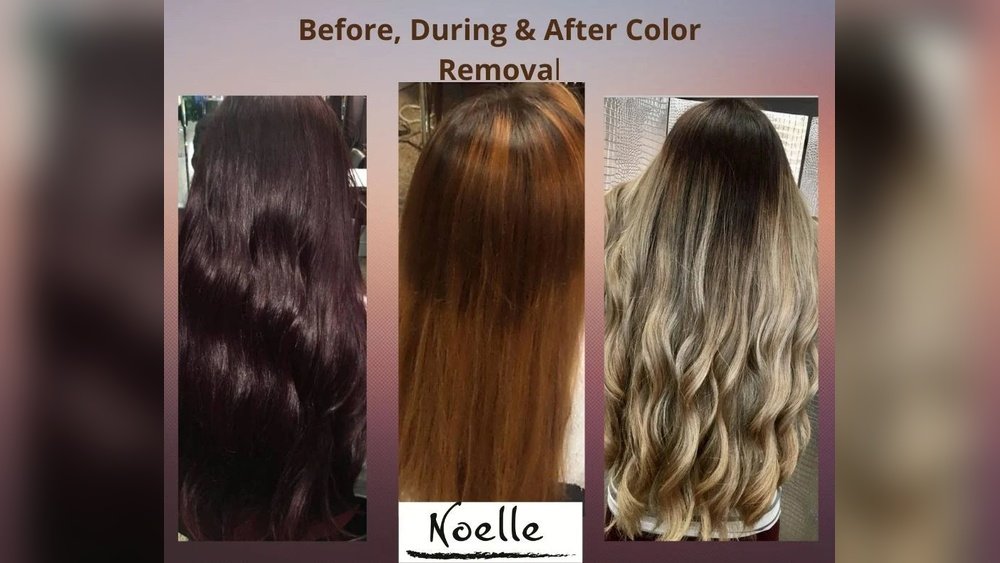
Are you wondering if using a color remover could harm your hair? It’s a common concern, especially when you want to fix a dye job gone wrong or switch up your look quickly.
You want to get rid of unwanted color without ending up with dry, brittle strands. The truth is, not all color removers are created equal—some can be harsh and damaging, while others work gently to protect your hair’s health. You’ll discover how color removers affect your hair, the safest methods to try at home, and expert tips to keep your locks strong and shiny throughout the process.
Keep reading to learn how to remove color effectively without sacrificing your hair’s vitality.
Hair Color Removers Explained
Hair color removers are products designed to remove artificial hair dye. They work by breaking down the color molecules in the hair. This process helps fade or strip the unwanted color. Understanding how these removers work can help you choose the right one for your hair.
Different types of color removers exist. Each type uses a unique method to remove dye. Knowing these types helps to avoid damage and get better results.
How Color Removers Work
Color removers target the artificial dye inside the hair shaft. They break the chemical bonds holding the color pigments. This allows the color to wash out or fade. Unlike bleach, they do not lighten your natural hair color.
Some removers use reducing agents. These agents shrink the dye molecules, making them easier to wash out. Others may swell the hair cuticle to help release color. The process depends on the remover’s formula and strength.
Types Of Color Removers
There are mainly two types of color removers: gentle and strong. Gentle removers work slowly. They are best for semi-permanent or faded dyes. Strong removers act faster but can be harsher on hair.
Gentle removers include Vitamin C treatments and clarifying shampoos. These lift color gradually and cause less damage. Strong removers often contain chemicals like sulfites or thioglycolates. They work well on permanent dyes but need careful use.
Choosing the right remover depends on your hair type and dye. Using the wrong product may cause dryness or breakage. Always follow up with deep conditioning to restore moisture.
Damage Risks From Color Removers
Color removers can help erase unwanted hair dye quickly. They work by breaking down artificial pigments in the hair. This process can stress the hair strands and affect their natural condition. Understanding the damage risks is important before using any remover product.
The strength of the remover and the hair’s condition play big roles in potential damage. Some removers contain strong chemicals that may weaken the hair. Others are gentler but need several uses to show results. Knowing what to expect helps protect hair health.
Effects On Hair Structure
Color removers open the hair cuticle to remove dye molecules. This can cause the cuticle to lift or crack. The inner cortex may lose some of its natural proteins and moisture. Hair can become dry, brittle, and prone to breakage. Overuse of removers increases these effects.
Damaged hair cuticles lose their smooth shine. The hair feels rough and looks dull. Elasticity reduces, making hair more likely to snap under tension. The loss of moisture also leads to frizz and tangles. Proper care after removing color is essential to rebuild strength.
Common Signs Of Damage
Hair that has been harmed by color removers shows clear signs. Breakage and split ends appear along the strands. Hair may feel coarse or straw-like to touch. Increased dryness and loss of shine are common complaints. Tangles and knots become harder to manage.
Scalp irritation can also occur from harsh chemicals. Redness, itching, or dryness may develop after removal. These signs mean the hair and scalp need gentle treatment and hydration. Watching for damage early helps prevent long-term harm.
Gentle Diy Removal Methods
Removing hair color at home requires care to avoid damage. Gentle DIY methods help fade unwanted color slowly. They work best on semi-permanent dyes and avoid harsh chemicals. These natural or mild treatments lift color without stripping hair’s moisture. Patience and consistent care improve results without harm. Below are three effective and gentle ways to try.
Vitamin C Paste
Vitamin C powder mixed with shampoo creates a paste to fade hair dye. Apply it evenly on damp hair and cover with a shower cap. Leave for 30 to 60 minutes, then rinse well. Vitamin C acts as a mild acid that gently breaks down color molecules. Use this method once a week for gradual fading. Follow with a deep conditioner to restore softness.
Clarifying Shampoo
Clarifying shampoo removes buildup and helps lift hair dye pigments. Use it in place of regular shampoo two to three times per week. Massage gently and let it sit for a few minutes before rinsing. This shampoo is strong enough to fade semi-permanent color but mild enough to protect hair. Always moisturize hair after using clarifying shampoo to prevent dryness.
Vinegar Rinse
A vinegar rinse balances hair’s pH and helps strip color residue. Mix one part apple cider vinegar with three parts water. Pour the mixture over hair after shampooing and leave for 5 minutes. Rinse with cool water to seal the hair cuticle. Vinegar gently loosens dye without harsh chemicals. Use this rinse once or twice a week for best results.
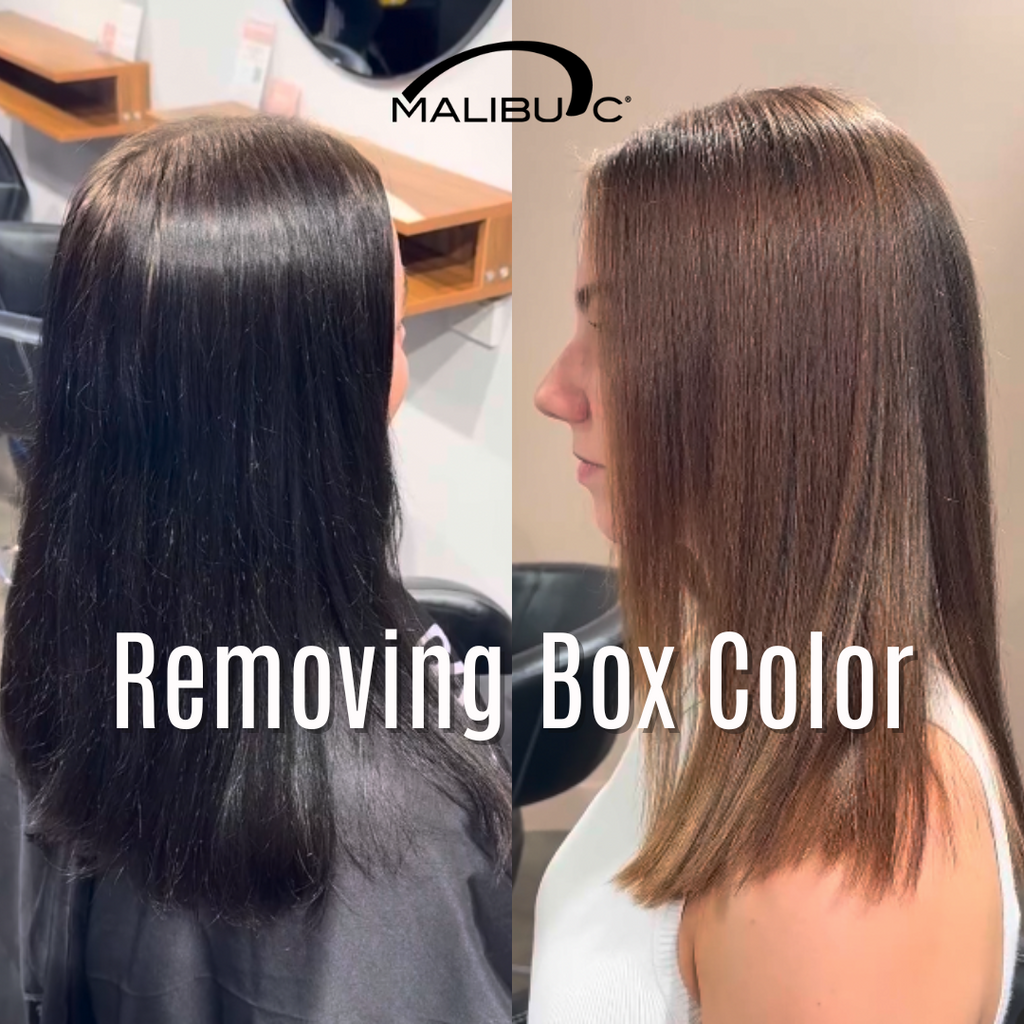
Credit: malibuc.com
Moderate Diy Techniques
Moderate DIY techniques offer a balanced approach to removing hair color. They work stronger than gentle methods but avoid harsh chemicals. These techniques can lift color gradually without severely damaging hair. Patience and care are key. Always use a deep conditioner after treatment to restore moisture and strength. Below are two popular moderate DIY methods.
Baking Soda And Shampoo
Baking soda mixed with shampoo creates a mild clarifying scrub. It helps fade hair dye by gently lifting color from strands. Use equal parts baking soda and shampoo. Apply to wet hair and massage well. Leave for 5-10 minutes, then rinse thoroughly. Repeat once a week to avoid dryness. Follow with a nourishing conditioner to prevent brittleness. This method is effective for semi-permanent dyes and fresh color removal.
Dish Soap And Shampoo Mix
Dish soap combined with shampoo can strip hair color more quickly. Use only a few drops of dish soap with your regular shampoo. Lather gently and leave on hair for 3-5 minutes maximum. Rinse completely to avoid residue and dryness. Dish soap is stronger than baking soda and can dry hair out. Conditioning afterward is essential. Limit use to avoid scalp irritation or damage. This mix works best for stubborn semi-permanent colors.
Professional Color Removers
Professional color removers offer a faster way to take out unwanted hair dye. They work by breaking down the artificial color inside the hair shaft. These products are stronger than home remedies and often give immediate results. Many stylists choose professional removers to avoid using bleach, which can harm hair. Using the right product helps protect hair health while changing color.
Ammonia And Bleach-free Options
Some professional color removers do not contain ammonia or bleach. These options are gentler on hair and scalp. They focus on lifting color molecules without harsh chemicals. Ammonia and bleach-free removers reduce the risk of dryness and breakage. They work well on permanent hair dyes by reversing the coloring process. These products require careful application and usually need follow-up care with conditioner.
Popular Salon Products
Many salons use trusted color removers designed for safety and effectiveness. Products like Color Oops and Color Fix are common choices. These removers can take out color quickly with less damage. They often contain conditioning agents to keep hair soft. Using salon products under professional guidance lowers the chance of hair damage. Stylists can adjust treatments based on hair type and condition for best results.

Credit: www.coloroops.com
Protecting Hair During Removal
Removing color from hair can weaken its structure. Protecting your hair during this process is vital. Proper care reduces damage and keeps hair healthy. Focus on hydration and gentle handling. These steps support hair strength as color lifts away.
Use caution with chemical removers. They can dry out hair if misused. Supporting hair with moisture and rest helps it recover faster. Patience and correct rinsing also play key roles. Here are ways to keep hair safe during color removal.
Deep Conditioning Importance
Deep conditioning restores moisture lost during color removal. It repairs damage and smooths the hair cuticle. Use rich conditioners or hair masks after each treatment. Leave them on for at least 20 minutes. This step helps maintain softness and shine.
Look for products with natural oils and proteins. These ingredients strengthen hair fibers. Avoid heavy silicones that can build up and weigh hair down. Regular deep conditioning creates a protective barrier against harsh chemicals.
Patience And Multiple Treatments
Removing color in one session can stress hair greatly. Multiple gentle treatments spaced over days reduce damage. Each session removes some pigment without overloading hair. Give hair time to rest and rebuild between treatments.
Rushing the process often leads to dryness and breakage. Slow and steady removal is safer and more effective. Track your hair’s condition and stop if it feels brittle or weak. Patience protects hair health during this delicate stage.
Thorough Rinsing Tips
Rinsing well after color removal is essential. Residues can cause dryness and irritation if left behind. Use lukewarm water to rinse hair thoroughly. Hot water may open the cuticle too much, increasing damage.
Massage scalp gently to clear all product traces. Follow rinsing with a hydrating conditioner. Proper rinsing ensures hair feels smooth and reduces buildup. This simple step improves hair texture and comfort after removal.
When To Seek Professional Help
Removing hair color at home might seem easy. Some situations need expert care. Professionals understand hair types and products. They protect hair from serious damage. Knowing when to seek help saves your hair.
Permanent Dye Removal
Permanent dyes bind deeply inside hair strands. Removing them requires strong chemicals or techniques. These can weaken or break hair if done wrong. Professionals use safe methods to lift color. They minimize damage while restoring hair health. Trying to remove permanent dye alone risks dryness and breakage. Trusting a stylist ensures better results and healthier hair.
Major Color Corrections
Changing hair color drastically is complex. Major corrections include going from dark to light shades. Or fixing uneven or patchy color results. These processes often need multiple steps and special products. Professionals assess hair condition before treatment. They choose the safest approach to avoid harm. DIY attempts at big changes may lead to damage and disappointment. A salon expert controls the process for smooth, healthy color correction.

Credit: www.youtube.com
Frequently Asked Questions
What Is The Least Damaging Way To Remove Hair Dye?
The least damaging way to remove hair dye uses gentle methods like Vitamin C paste or clarifying shampoo. Always deep condition afterward. Avoid harsh chemicals and bleach. Patience with repeated treatments reduces damage. For permanent dye, seek professional color correction to protect hair health.
What Color Remover Doesn T Damage Hair?
Ammonia- and bleach-free color removers like Color Oops and Malibu C CPR gently lift dye without damaging hair. Use deep conditioning after treatment.
Is It Better To Use A Color Remover Or Bleach?
Color removers gently shrink dye molecules, causing less damage than bleach, which strips natural pigment aggressively. Choose color remover for safer hair color removal.
Does Color Remover Damage Hair?
Color removers can cause some damage by stripping pigment and natural oils. Using gentle, professional products and deep conditioning afterward minimizes harm. Always follow instructions carefully to protect hair health during the removal process.
Conclusion
Color removers can affect hair health depending on the product and method. Using gentle, gradual techniques helps reduce damage risks. Always apply deep conditioning treatments after removal to restore moisture. Patience matters—multiple mild treatments work better than one harsh session.
For permanent or drastic changes, seek professional advice to protect your hair. Taking care during the process keeps hair as healthy as possible. Remember, safe removal preserves your hair’s strength and shine.
As an Amazon Associate, I earn from qualifying purchases.
Lovingshe is a participant in the Amazon Services LLC Associates Program which is an affiliate advertising program designed to provide a means for sites to earn advertising fees by advertising and linking to Amazon.com. Amazon may use cookies to track referrals from our site. Visit Amazon’s privacy policy for details
