


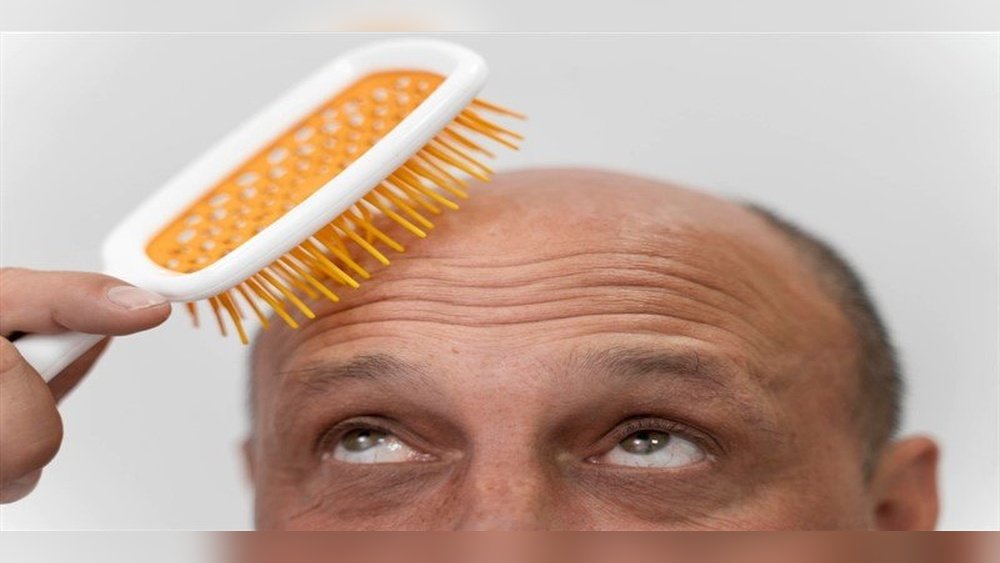
Have you ever wondered if brushing your hair can actually make it grow faster? You’re not alone.
Many people believe that a simple daily brush can boost hair growth and give them thicker, healthier locks. But is that really true? Before you reach for your brush, it’s important to understand how brushing affects your scalp and hair follicles.
You’ll discover the surprising facts about brushing, how it impacts your hair growth, and the best ways to care for your hair without causing damage. Keep reading to learn what experts say and how you can make your brushing routine work for you—not against you.
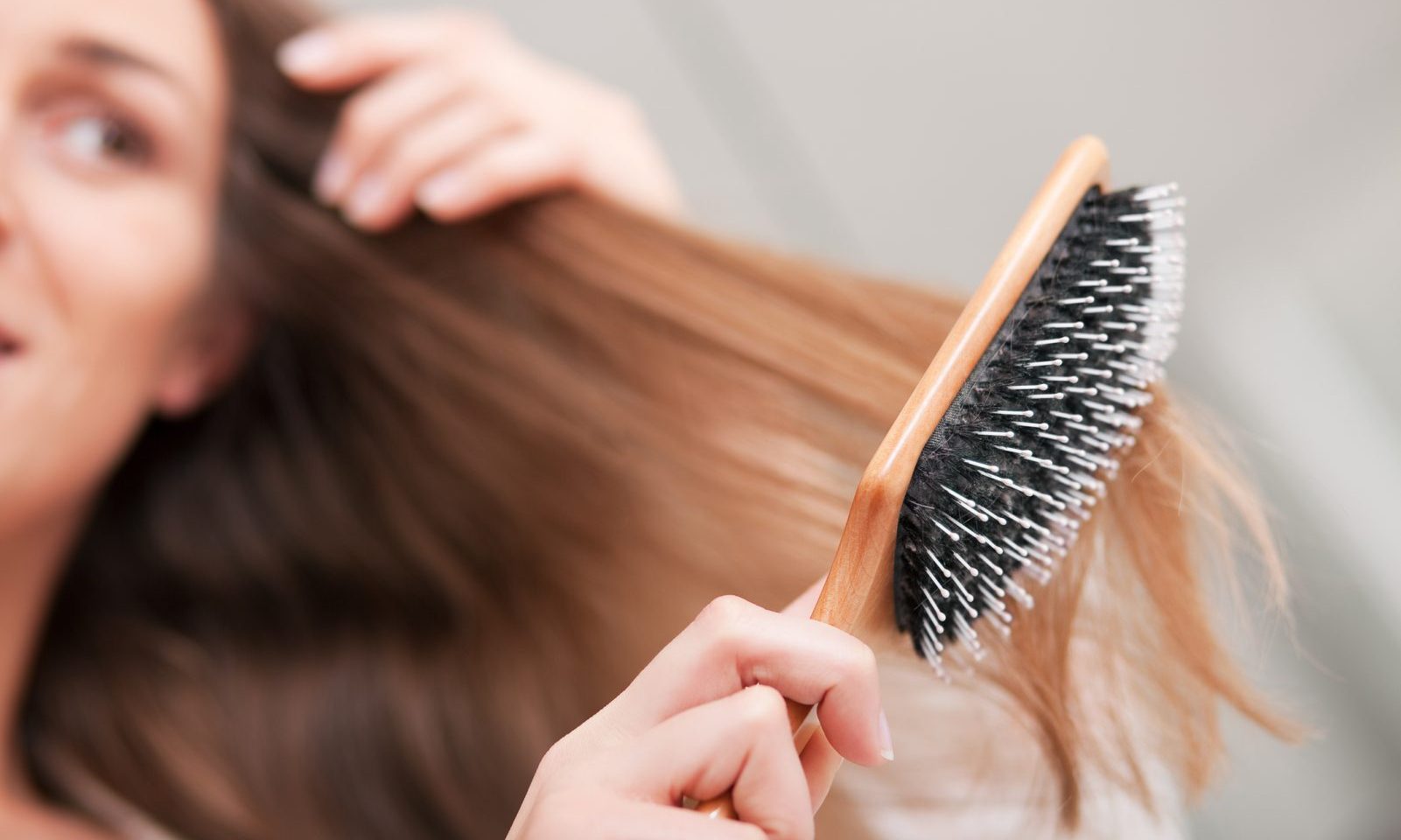
Credit: www.viviscal.com
Brushing And Hair Growth
Many people wonder if brushing their hair can help it grow faster. Brushing is a common part of daily hair care routines. It feels good and keeps hair neat. But does it truly stimulate hair growth? Understanding what brushing does to your scalp and hair is important.
Brushing can improve scalp health by increasing blood flow. This may create a better environment for hair follicles. Still, hair growth depends on many factors like diet, genetics, and overall health. Brushing alone cannot change how fast your hair grows. It can help keep hair clean and reduce damage if done correctly.
How Brushing Affects Scalp
Brushing gently massages the scalp. This massage can increase blood circulation. More blood flow means more nutrients reach hair follicles. Healthier follicles can support stronger hair strands.
Brushing also spreads natural oils from the scalp to hair ends. These oils protect hair and add shine. Removing dirt and dead skin cells through brushing keeps the scalp clean. A clean scalp reduces chances of dandruff and irritation.
Too much brushing or harsh brushes can harm the scalp and hair. It may cause irritation, breakage, and hair loss. Using soft brushes and brushing softly is best for scalp health.
Myths About Hair Growth Stimulation
A common myth says brushing hair 100 strokes a day boosts growth. This is not true. Excessive brushing can damage hair and weaken strands. It does not speed up the hair growth cycle.
Some believe brushing removes toxins and stimulates new hair growth. Hair growth depends mostly on genetics and health, not brushing. There is no scientific proof that brushing alone causes new hair to grow.
Proper hair care includes gentle brushing to avoid tangles and breakage. Healthy hair needs good nutrition, hydration, and scalp care. Brushing helps maintain hair but is not a growth treatment.
Benefits Of Brushing
Brushing your hair offers several benefits beyond just styling. It helps keep your scalp healthy and your hair looking its best. Regular brushing supports natural processes that maintain hair strength and shine.
Understanding these benefits can help you care for your hair more effectively. Here are some key advantages of brushing your hair properly.
Increases Blood Flow
Brushing stimulates the scalp by increasing blood circulation. Better blood flow delivers nutrients to hair follicles. This helps keep hair roots healthy and may support growth. Gentle brushing activates scalp muscles and boosts oxygen supply. It creates a fresh, invigorated feeling on the scalp.
Distributes Natural Oils
Natural oils produced by the scalp spread along the hair shaft during brushing. These oils moisturize hair from root to tip. This prevents dryness and adds a natural shine. Even distribution helps protect hair against damage. It keeps hair soft and manageable throughout the day.
Removes Dirt And Loose Hair
Brushing removes dirt, dust, and loose hairs trapped in your scalp and hair. This cleaning effect reduces buildup that can block hair follicles. It also helps prevent scalp irritation and dandruff. Clearing away debris keeps the scalp environment clean and healthy. Regular brushing supports overall hair hygiene.
Brushing Frequency By Hair Type
Brushing frequency varies by hair type and affects hair health. Proper brushing helps keep hair clean and can improve scalp condition. It also spreads natural oils that protect hair strands. Over-brushing or brushing the wrong way may cause damage. Understanding your hair type guides how often and how to brush safely.
Choose the right brushing routine to avoid breakage and keep hair strong. Below are brushing tips for different hair types.
Straight And Wavy Hair
Brush straight and wavy hair once or twice daily. This removes loose strands and distributes oils evenly. Use a soft-bristle brush to avoid scalp irritation. Gentle strokes help prevent hair from breaking. Avoid brushing too hard to maintain shine and smoothness.
Curly And Coily Hair
Brush curly and coily hair only when wet or damp. Use a wide-tooth comb or fingers to detangle gently. Dry brushing can cause frizz and break curls. Focus on detangling during shampoo or conditioning. Limit brushing to preserve curl shape and reduce damage.
Fine And Fragile Hair
Brush fine hair lightly once a day or every other day. Use a soft brush to avoid pulling or snapping strands. Too much brushing can weaken fragile hair. Always start detangling from the ends to reduce stress on roots. Keep strokes gentle to protect delicate strands.
Thick And Textured Hair
Brush thick and textured hair up to three times daily or as needed. Use a wide-tooth comb or a brush designed for thick hair. Regular brushing helps detangle and distribute oils. Avoid harsh brushing to prevent breakage and split ends. Moisturize hair before brushing for better results.

Credit: www.hairpalace.co.uk
Brushing Techniques To Avoid Damage
Brushing your hair can help maintain scalp health and improve hair appearance. Proper brushing techniques prevent damage and breakage. Choosing the right method keeps hair strong and healthy. Avoid harsh brushing that pulls or tears strands.
Focus on gentle movements and the right tools. Careful brushing supports natural hair growth. Here are key brushing techniques to avoid damage and protect your hair.
Gentle Brushing Methods
Use soft, slow strokes instead of hard, fast ones. Gentle brushing reduces hair breakage and scalp irritation. Brush lightly to avoid pulling hair out. Keep your scalp comfortable to promote healthy hair growth.
Starting From The Ends
Begin brushing at the hair ends, not the roots. Detangle the tips first to remove knots. Slowly work upward to the scalp to avoid tugging. This method prevents hair from snapping and reduces pain.
Choosing The Right Brush
Select a brush with soft bristles or wide teeth. Boar bristle brushes help spread natural oils evenly. Wide-tooth combs work well for thick or curly hair. Avoid brushes with hard or sharp bristles that can damage hair.
Supporting Hair Growth Beyond Brushing
Supporting hair growth involves more than just brushing. Healthy hair needs care from different angles. Simple daily habits can boost hair strength and growth naturally. This section explores key ways to support hair growth beyond just brushing your hair.
Nutrient-rich Diet
Your hair needs vitamins and minerals to grow strong. Eating foods rich in protein, iron, and vitamins A, C, and E helps. Leafy greens, nuts, eggs, and fish are great choices. These nutrients feed hair follicles and improve scalp health.
Stress Management
Stress can slow down hair growth or cause hair loss. Finding ways to relax and stay calm helps your hair. Try deep breathing, meditation, or light exercise daily. A calm mind supports a healthy scalp and hair growth.
Scalp Massage
Massaging the scalp increases blood flow to hair roots. This brings more oxygen and nutrients to the follicles. Use your fingertips to gently massage the scalp for a few minutes each day. It feels good and supports hair growth naturally.
Avoiding Heat And Chemicals
Heat styling tools and harsh chemicals can damage hair. They weaken hair strands and slow growth. Limit the use of straighteners, curling irons, and chemical treatments. Choose gentle hair care products that protect hair health.
Using Nourishing Oils
Oils like coconut, argan, and castor oil nourish hair deeply. They add moisture and reduce hair breakage. Apply a small amount to your scalp and hair ends regularly. Oils keep hair soft, shiny, and stronger over time.
Regular Trims And Hydration
Trimming split ends prevents hair damage from spreading. It keeps hair looking healthy and thick. Drinking enough water also helps hair stay hydrated from the inside. Clean, hydrated hair grows better and feels softer.

Credit: www.youtube.com
Supplements And Hair Health
Supplements can support hair health and may influence hair growth. Healthy hair needs key nutrients. Lack of these can cause hair thinning or loss. Taking the right supplements helps maintain strong hair strands and scalp health.
Choosing supplements wisely is important. Some vitamins and minerals play vital roles in hair growth. Understanding their benefits can guide better decisions for your hair care routine.
Biotin And Vitamins
Biotin is a popular supplement for hair health. It helps the body produce keratin, a protein that makes up hair. Vitamins like A, C, D, and E also support hair growth. These vitamins improve scalp circulation and protect hair follicles from damage. Including them in your diet or supplements may boost hair strength and shine.
Iron And Minerals
Iron is essential for healthy hair growth. It helps carry oxygen to hair follicles. Low iron levels can lead to hair loss and thinning. Other minerals like zinc and selenium protect hair follicles and support new hair growth. Ensuring enough iron and minerals can keep hair strong and reduce breakage.
Consulting A Doctor
Talking to a doctor before starting supplements is crucial. They can check for any deficiencies or health issues. Some supplements might not suit everyone and could cause side effects. A doctor’s advice ensures safe and effective use of supplements for hair health.
Frequently Asked Questions
How Often Should I Brush My Hair For Growth?
Brush hair according to type: fine hair once daily or every other day, thick hair up to three times daily. Be gentle to avoid breakage.
How Do I Encourage My Hair To Grow?
Encourage hair growth by eating nutrient-rich foods, massaging your scalp daily, minimizing heat damage, using nourishing oils, and trimming regularly.
Should You Brush Your Hair If It Is Thinning?
Yes, gently brushing thinning hair can stimulate the scalp, improve circulation, and distribute natural oils. Use a soft brush and avoid harsh strokes to prevent breakage.
What Happens If You Brush Your Hair Daily?
Brushing hair daily stimulates scalp blood flow and distributes natural oils, enhancing shine and scalp health. Avoid harsh brushing to prevent breakage.
Conclusion
Brushing your hair can support scalp health and hair care routines. It helps spread natural oils and removes dirt gently. Use a soft brush and be careful to avoid damage. Brushing alone won’t make hair grow faster, but it keeps hair strong and clean.
Regular, gentle brushing improves hair’s look and feel. Healthy scalp care matters most for growth and strength. Keep your hair routine simple and kind to your strands.
As an Amazon Associate, I earn from qualifying purchases.
Lovingshe is a participant in the Amazon Services LLC Associates Program which is an affiliate advertising program designed to provide a means for sites to earn advertising fees by advertising and linking to Amazon.com. Amazon may use cookies to track referrals from our site. Visit Amazon’s privacy policy for details
