


Does armpit hair cause odor? It’s a question many of us wonder about, especially when it comes to staying fresh and confident throughout the day.
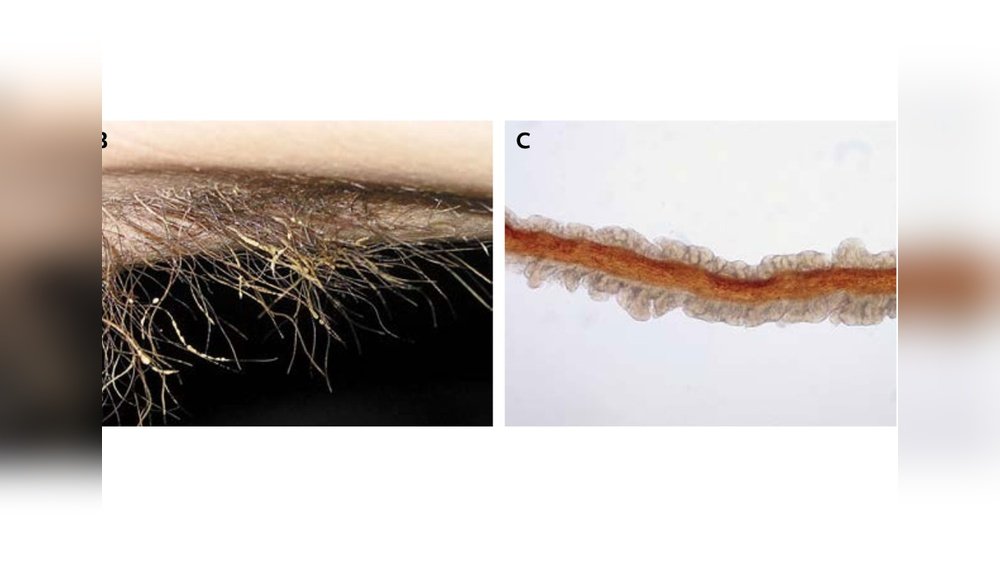
You might have noticed that sometimes your armpits smell stronger, and you’re left asking if your body hair is to blame. The truth is, armpit hair itself doesn’t smell—but it can create the perfect environment for odor-causing bacteria to grow.
If you want to understand exactly how armpit hair affects odor and what you can do to manage it, keep reading. This guide will help you discover simple, effective ways to stay fresh, no matter your hair choice.
Credit: www.livescience.com
Armpit Hair And Odor
Armpit hair often gets blamed for causing body odor. The truth is more complex. Hair itself does not smell, but it can influence how odor develops under your arms. Understanding the role of armpit hair helps explain why odor can be stronger or last longer.
How Hair Traps Sweat
Armpit hair acts like a sponge, holding sweat close to the skin. Sweat stays longer on the hair than on smooth skin. This trapped moisture creates a damp environment. Sweat does not dry quickly when hair is present. This makes the area warm and wet, ideal for odor to form.
Bacteria Growth On Hair
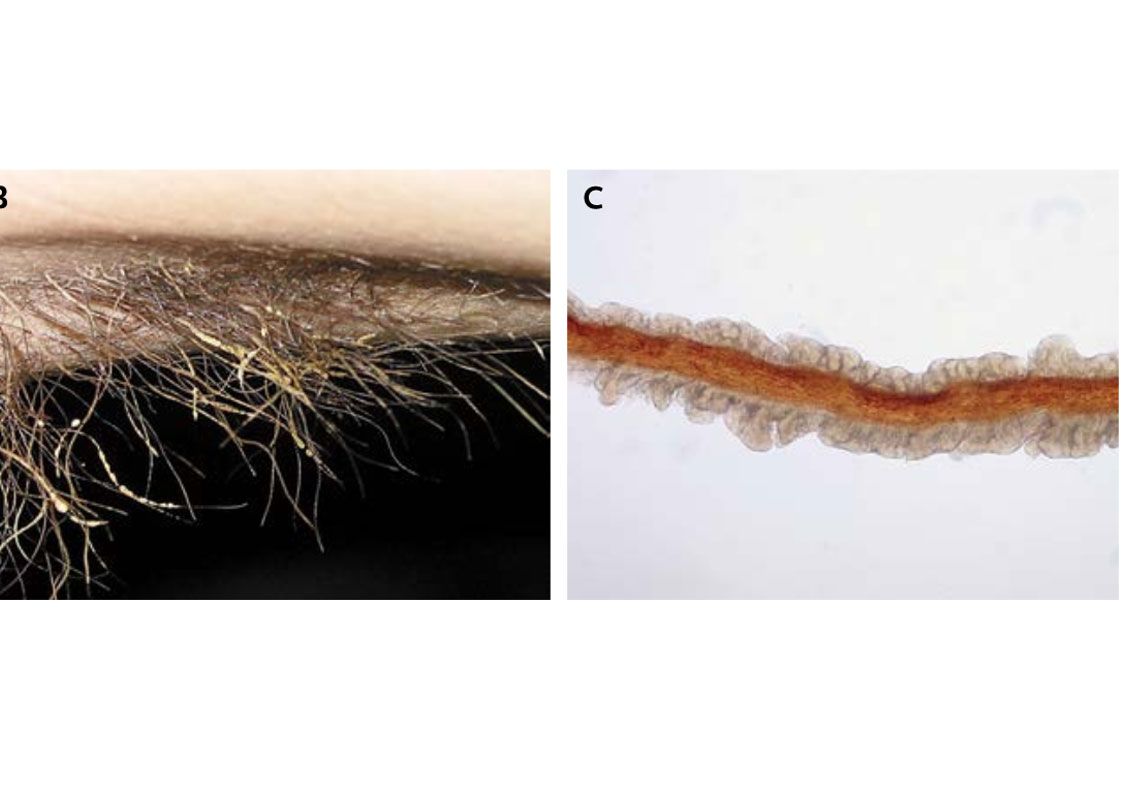
Bacteria live naturally on your skin and hair. The sweat trapped in hair feeds these bacteria. Bacteria break down sweat into smelly compounds. The more sweat and hair, the more food for bacteria. This causes bacteria to grow faster and produce stronger odors.
Hair Holding Odor Molecules
Hair can hold onto odor molecules longer than skin alone. These molecules stick to hair fibers and linger. This makes the smell stay even after washing. Hair creates more surface area for odors to hide. This is why armpit hair can make odors last longer.
Reducing Odor With Hygiene
Reducing odor in the armpit area starts with good hygiene. Sweat itself does not smell. The odor comes from bacteria breaking down sweat. Armpit hair can trap sweat and bacteria, making odor stronger. Keeping the area clean lowers bacteria and smell. Simple habits can make a big difference.
Regular washing removes sweat and bacteria. Using the right soap helps kill odor-causing germs. Applying deodorant or antiperspirant keeps the area fresh. These steps work well whether you have armpit hair or not.
Daily Washing Tips
Wash your armpits every day with warm water. Use gentle scrubbing to remove sweat and dirt. Avoid harsh soaps that dry out skin. Dry the area completely after washing to prevent bacteria growth. Clean skin reduces odor and feels fresh all day.
Effective Antibacterial Soaps
Choose soaps with antibacterial ingredients to fight odor bacteria. Ingredients like tea tree oil or triclosan can help. Avoid overly fragrant soaps that may irritate skin. Antibacterial soaps clean deeper and reduce bacteria numbers. This lowers the chance of bad smell developing.
Choosing The Right Deodorants
Select deodorants that match your skin type and needs. Deodorants mask odor but do not stop sweat. Antiperspirants reduce sweat by blocking pores temporarily. Look for products that work well with body chemistry. Apply deodorant on clean, dry skin for best results.
Hair Removal And Odor Control
Hair removal plays a key role in controlling armpit odor. Hair traps sweat and bacteria, which cause bad smells. Removing or reducing hair helps sweat evaporate faster. It also makes deodorants work better. Different hair removal methods affect odor control in various ways.
Shaving Benefits
Shaving removes hair completely from the armpit area. This reduces the surface where bacteria live. Sweat evaporates quickly on smooth skin. Deodorants spread evenly and work more effectively. Many people notice less odor after shaving. It also feels cleaner and fresher.
Trimming Vs. Shaving Effects
Trimming cuts hair short but does not remove it. Hair still traps sweat and bacteria. Odor may reduce slightly but not as much as shaving. Trimming is easier and less irritating for sensitive skin. It offers a balance between odor control and comfort.
Waxing And Odor Reduction
Waxing pulls hair out from the root. It keeps the skin smooth longer than shaving. Waxing reduces bacteria buildup and sweat traps. This can lead to less odor over time. It also exfoliates dead skin, which helps keep the area clean. Waxing results last several weeks, improving odor control.
:max_bytes(150000):strip_icc()/GettyImages-1397568694-e0016cf6bb1342e6958a668208e9fa06.jpg)
Credit: www.health.com
Sweat Evaporation And Skin Exposure
Sweat evaporation and skin exposure play a key role in armpit odor. Sweat itself is mostly water and odorless. The smell arises when bacteria on the skin break down sweat components. Armpit hair affects how sweat dries and how the skin is exposed to air. This changes the environment for bacteria. Understanding this helps explain if armpit hair causes odor.
Faster Drying Without Hair
Without armpit hair, sweat dries faster. Hair holds sweat close to the skin. This slows evaporation and keeps the area moist. Moisture creates a perfect place for bacteria to grow. When sweat dries quickly, bacteria get less time to multiply. Dry skin reduces the chance of strong odors forming.
Improved Deodorant Application
Deodorants work best on clean, dry skin. Hair can block deodorant from reaching the skin fully. This reduces deodorant effectiveness. Without hair, deodorant spreads evenly and absorbs better. This helps control odor more efficiently. Better deodorant contact means less smell caused by bacteria.
Impact On Bacterial Activity
Armpit hair creates a warm, damp environment. This supports bacterial growth and activity. Bacteria break down sweat into smelly compounds. Hair also traps dead skin and sweat residue. These provide food for bacteria. Less hair means less trapped moisture and fewer bacteria. Lower bacterial activity leads to milder or less odor.
Clothing And Odor Management
Clothing plays a key role in managing armpit odor. The right clothes can reduce sweat buildup and allow skin to breathe. Fabric type and fit affect how sweat evaporates and how bacteria grow. Choosing the best clothing helps keep armpits dry and fresh throughout the day.
Breathable Fabrics
Fabrics like cotton and linen let air flow freely. This airflow helps sweat dry faster and lowers bacteria growth. Synthetic materials often trap heat and moisture, creating a perfect place for odor to develop. Natural fabrics reduce this risk and keep the skin cooler.
Loose Vs. Tight Clothing
Loose clothing allows better airflow around the armpits. It prevents sweat from being trapped close to the skin. Tight clothes hold sweat against the skin and hair, which can increase odor. Wearing loose shirts or tops can reduce the chance of smelling bad.
Material Choices For Airflow
Choose materials designed for moisture-wicking and breathability. Fabrics like bamboo and certain sportswear blends pull sweat away from the skin. This keeps the armpits dry and less prone to odor. Avoid polyester and nylon if you want better airflow and less odor.

Credit: wearemakewaves.com
Personal Preferences And Odor
Personal preferences play a big role in how people manage armpit odor. Some prefer to keep their armpit hair, believing it helps with airflow. Others choose to remove it to reduce odor. Understanding how hair affects odor can help you decide what feels best for you.
Hair’s Role In Airflow
Armpit hair can affect air circulation under the arm. Hair may slow down sweat evaporation by trapping moisture. This can create a damp environment. Some believe hair helps wick sweat away from the skin. The impact on airflow varies from person to person.
Individual Differences In Odor
Every person’s body chemistry is unique. Sweat itself does not smell, but bacteria on the skin break it down. Hair can hold sweat and bacteria close to the skin. Some people notice stronger odor with hair, while others do not. Personal hygiene and genetics also influence odor levels.
Finding What Works For You
Experimenting with hair removal or trimming can help control odor. Washing daily with antibacterial soap reduces bacteria and sweat buildup. Using deodorant or antiperspirant improves freshness regardless of hair. Choose breathable clothing to support air circulation. Your comfort and confidence matter most in managing odor.
Frequently Asked Questions
Do Armpits Smell Worse With Hair?
Armpit hair can worsen odor by trapping sweat and bacteria. Hair holds moisture and scent, allowing bacteria to multiply and cause stronger smells. Keeping armpits clean or removing hair helps reduce odor by improving sweat evaporation and deodorant effectiveness.
Does Shaving Armpit Hair Reduce Odor?
Shaving armpit hair reduces odor by removing hair that traps sweat and bacteria. It helps sweat evaporate faster and improves deodorant effectiveness.
Is It More Hygienic To Shave Your Armpits?
Shaving armpits reduces odor by removing hair that traps sweat and bacteria. It helps sweat evaporate faster and deodorant work better.
Does Armpit Hair Cause More Odor?
Armpit hair itself does not cause odor, but it traps sweat and bacteria. This creates a warm, moist environment that helps bacteria multiply and produce odor.
Conclusion
Armpit hair itself does not cause odor directly. It traps sweat and bacteria, which create the smell. Keeping your underarms clean helps reduce odor a lot. Shaving or trimming can lower odor by reducing sweat build-up. Choosing the right deodorant also makes a big difference.
Everyone’s body reacts differently to hair and sweat. Find the routine that works best for your skin. Good hygiene stays the key to feeling fresh all day.
As an Amazon Associate, I earn from qualifying purchases.
Lovingshe is a participant in the Amazon Services LLC Associates Program which is an affiliate advertising program designed to provide a means for sites to earn advertising fees by advertising and linking to Amazon.com. Amazon may use cookies to track referrals from our site. Visit Amazon’s privacy policy for details
