


Are you taking Adderall and worried about losing your hair? You’re not alone.
Many women wonder if this common ADHD medication could be behind unexpected hair thinning or shedding. While hair loss isn’t a widely talked-about side effect of Adderall, it can happen—and understanding why is key to protecting your hair and overall health.
You’ll discover how Adderall might affect your hair, what signs to watch for, and practical steps you can take if you notice changes. Keep reading to get clear answers and feel confident about managing your hair and medication together.
Adderall And Hair Loss
Adderall is a common medication prescribed for ADHD and narcolepsy. Many women wonder if Adderall causes hair loss. Hair loss linked to Adderall is not very common but can happen. Understanding the connection helps women manage their health better.
Hair Loss Incidence In Women
Hair loss in women taking Adderall is rare. Some women report thinning or shedding after starting the medication. Stress from ADHD symptoms and side effects may also trigger hair loss. Appetite suppression can reduce nutrient intake, affecting hair health. It is important to track any hair changes and speak with a healthcare provider.
Temporary Vs Permanent Effects
Most hair loss due to Adderall is temporary. This condition is called telogen effluvium, where hair follicles enter a resting phase. Hair usually regrows within a few months after stopping or adjusting the medication. Permanent hair loss is very rare and may relate to other health issues. Early consultation with a doctor can prevent long-term problems.

Credit: westwindrecovery.com
How Adderall Impacts Hair
Adderall can affect hair health in multiple ways. The medication’s impact goes beyond just the scalp. Several body systems play a role in hair growth and shedding. Understanding these effects helps explain why some women notice hair loss while taking Adderall.
Stress And Cortisol Levels
Adderall is a stimulant that can raise stress levels. Higher stress boosts cortisol, a hormone linked to hair shedding. Increased cortisol pushes hair follicles into a resting phase. This phase leads to temporary hair loss called telogen effluvium. Managing stress is key to reducing this effect.
Nutritional Deficiencies
Adderall often suppresses appetite. Reduced food intake can cause nutrient shortages. Hair needs vitamins and minerals to grow strong. Lack of iron, zinc, or biotin weakens hair strands. Poor nutrition can make hair thin and fall out more easily.
Sleep Disturbances
Adderall may cause trouble sleeping. Poor sleep affects the body’s repair processes. Hair follicles rely on rest to regenerate and grow. Chronic sleep loss can slow hair growth and increase shedding. Good sleep hygiene supports healthier hair.
Hormonal Fluctuations
Adderall can influence hormone levels in women. It may alter estrogen and other key hormones. Hormonal imbalance impacts the hair growth cycle. Changes in hormones can cause hair thinning or loss. Tracking cycles helps identify hormone-related hair issues.
Trichotillomania Risks
Some people develop trichotillomania while on Adderall. This is a condition where they pull out their hair. It causes patchy hair loss and scalp damage. Recognizing this behavior early can prevent further hair loss. Professional support is important to manage this risk.
Signs Hair Loss Is Medication-related
Identifying whether hair loss is related to medication helps guide proper treatment. Medication-induced hair loss often shows distinct signs. Recognizing these signs early allows women to address the issue before it worsens. Understanding the timing and pattern of hair thinning helps distinguish it from other causes. Differentiating medication-related hair loss from other factors ensures accurate diagnosis and care.
Timing And Pattern Of Hair Thinning
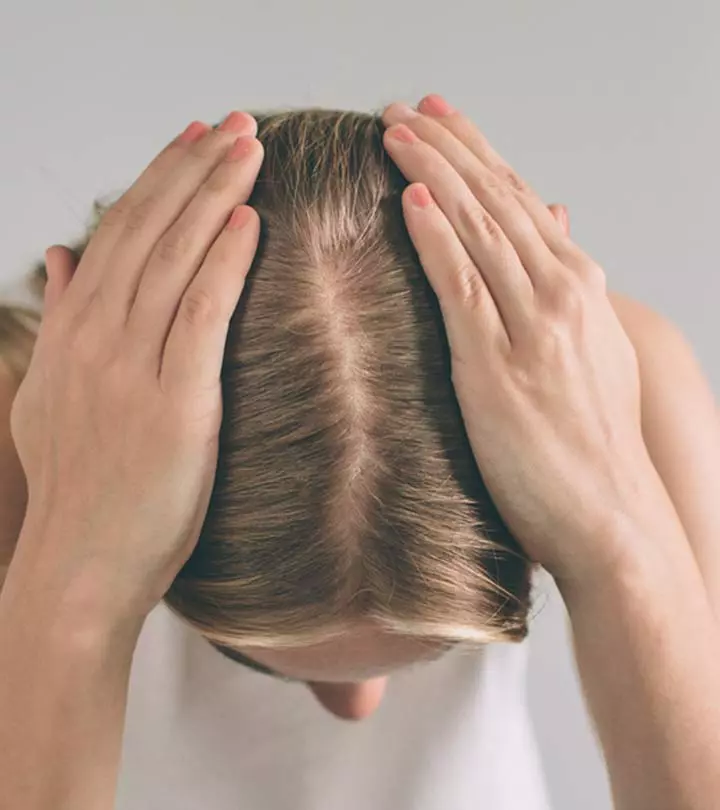
Hair loss caused by medication usually starts weeks to months after starting the drug. The thinning often appears diffuse, meaning it spreads evenly across the scalp. Women might notice more hair shedding during brushing or washing. This pattern differs from patchy hair loss seen in conditions like alopecia areata. The shedding phase, called telogen effluvium, causes hairs to fall out prematurely. Once medication stops, hair often regrows within a few months.
Differentiating Other Causes
Other reasons for hair loss include hormonal changes, stress, and nutritional problems. Women should consider recent life events or health changes before blaming medication. Thyroid issues and scalp infections also cause hair thinning but have different signs. A healthcare provider can perform tests to rule out other causes. Keeping a symptom diary with medication start dates helps identify patterns. This approach supports clearer understanding and better management of hair loss.
Credit: www.stylecraze.com
Managing Hair Loss While On Adderall
Managing hair loss while on Adderall involves careful steps. The goal is to reduce hair shedding and support regrowth. This requires a balanced approach involving medical advice, lifestyle changes, and nutrition. Understanding each step helps women maintain healthy hair during treatment.
Consulting Healthcare Providers
Talk to your doctor if you notice hair loss. They can check if Adderall or other factors cause it. A healthcare provider may run tests to exclude other conditions. Early consultation helps find the best solution quickly. Never stop or change medication without professional advice.
Adjusting Medication Or Dosage
Your doctor might adjust the Adderall dose to reduce side effects. Sometimes, lowering the dose eases hair loss and other symptoms. In some cases, switching to a different medication may help. Regular follow-ups ensure the new plan works well. Medication changes should always be guided by a healthcare professional.
Nutritional Support
Good nutrition supports hair health and growth. Focus on eating protein-rich foods, vitamins, and minerals like iron and zinc. Supplements might help if your diet lacks key nutrients. Staying hydrated also benefits your scalp and hair follicles. Proper nutrition helps counteract appetite loss caused by Adderall.
Stress And Sleep Management
High stress and poor sleep can worsen hair loss. Try relaxation methods like deep breathing or meditation. Aim for 7 to 9 hours of quality sleep each night. Regular exercise can reduce stress and improve sleep patterns. Managing stress and sleep helps keep hair growth on track.
Hair Regrowth After Stopping Adderall
Stopping Adderall can often lead to hair regrowth in women who experienced hair loss. The hair follicles usually recover once the medication is no longer affecting the body’s natural cycle. Regrowth may not be immediate but tends to improve gradually over time.
Hair loss linked to Adderall is often caused by stress, poor nutrition, or hormonal changes. Once these triggers are removed, the scalp environment becomes healthier. This allows hair to grow back, restoring thickness and fullness.
Typical Recovery Timeline
Hair regrowth usually begins within one to three months after stopping Adderall. During this phase, new hair starts to grow from resting follicles. Noticeable improvement often appears after three to six months. Full recovery can take up to a year, depending on individual health and factors like diet and stress levels.
Patience is important during this process. Avoid harsh treatments or hairstyles that pull on the hair. Eating a balanced diet and managing stress can support faster regrowth.
When To Seek Professional Help
If hair loss continues beyond six months or worsens after stopping Adderall, consult a healthcare provider. Persistent shedding might indicate an underlying condition that needs treatment. A dermatologist can offer tests to find the root cause and suggest appropriate therapies.
Early intervention improves the chances of successful hair regrowth. Professionals may recommend supplements, topical treatments, or lifestyle changes. Do not delay seeking help if hair loss impacts your confidence or daily life.
Other Side Effects Of Adderall In Women
Adderall affects women beyond hair loss. Understanding other side effects helps manage overall health better. These effects can impact daily life and well-being. Below are key areas to watch.
Hormonal Changes And Menstrual Cycle
Adderall can influence hormone levels in women. It may affect estrogen and progesterone balance. This shift can lead to irregular menstrual cycles. Some women experience heavier or lighter periods. Others notice changes in cycle length. Hormonal changes may also worsen premenstrual symptoms. Tracking cycles can help identify patterns linked to Adderall use. Discussing symptoms with a healthcare provider is important. Adjusting medication timing or dose might ease these effects.
Emotional And Adhd Symptom Fluctuations
Adderall can cause mood swings or emotional changes. Women might feel more anxious or irritable. Some experience increased emotional sensitivity. ADHD symptoms may not stay steady throughout the day. Energy and focus can rise and fall unpredictably. These fluctuations can affect work and relationships. Monitoring mood and symptom patterns supports better management. Healthcare providers can suggest strategies or medication adjustments. Awareness of these changes helps women stay balanced.

Credit: theradome.com
Frequently Asked Questions
Will My Hair Grow Back If I Stop Taking Adderall?
Hair often grows back after stopping Adderall, usually within a few months. Rarely, hair loss may be permanent.
How Does Adderall Affect Women’s Hormones?
Adderall can disrupt women’s hormones by affecting estrogen levels and menstrual cycle regularity. It may worsen emotional and ADHD symptoms premenstrually. Tracking symptoms and consulting a healthcare provider helps adjust treatment during sensitive hormonal phases.
Can Hair Grow Back After Thinning Female?
Yes, female hair thinning can be reversible. Hair often grows back with proper treatment and care. Genetics-related thinning usually requires medical intervention.
How Do You Know If Your Hair Is Falling Out From Medication?
Notice increased hair shedding or thinning after starting medication. Monitor changes in hair texture or scalp condition. Consult your doctor to confirm if medication causes hair loss and explore treatment options.
Conclusion
Adderall may cause hair loss in some women, but it is rare. Most hair loss links to stress, poor nutrition, or sleep problems. These factors affect hair growth and cause shedding. Stopping the medication often helps hair to grow back.
Always talk to your doctor if you notice hair thinning. They can check for other causes and suggest solutions. Taking care of your health supports better hair growth too. Remember, each person reacts differently to medication effects. Stay informed and seek professional advice for the best care.
As an Amazon Associate, I earn from qualifying purchases.
Lovingshe is a participant in the Amazon Services LLC Associates Program which is an affiliate advertising program designed to provide a means for sites to earn advertising fees by advertising and linking to Amazon.com. Amazon may use cookies to track referrals from our site. Visit Amazon’s privacy policy for details
