


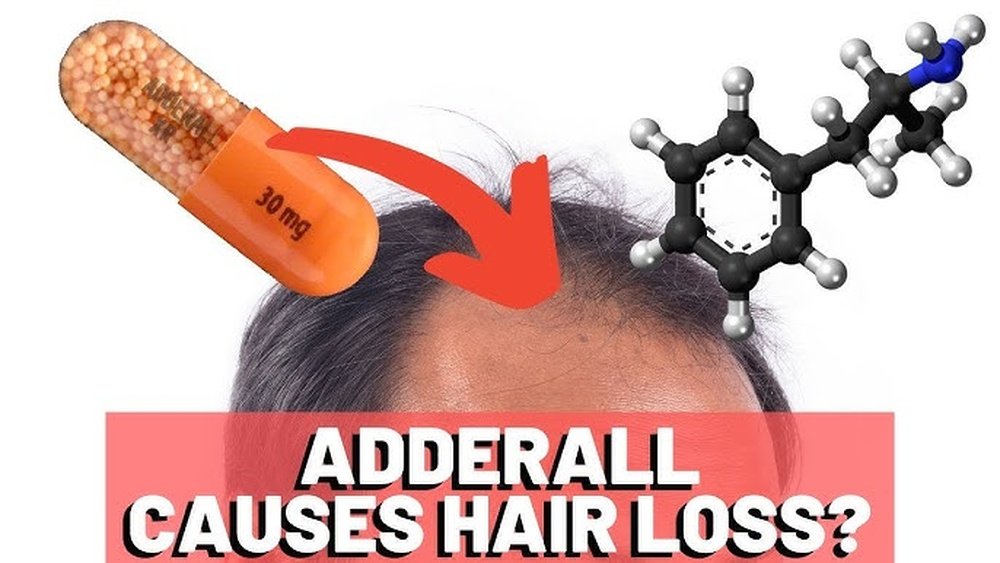
Are you worried that taking Adderall might be causing your hair to fall out? If you’ve noticed more hair in your brush or shower drain lately, you’re not alone—and it’s natural to want answers.
Hair loss can be distressing, especially when you’re managing other challenges like ADHD with medications. But does Adderall really cause hair loss? You’ll discover the surprising ways Adderall might affect your hair health, what common nutrient deficiencies to watch for, and simple steps you can take to protect your hair while staying on your medication.
Keep reading—you’ll get the clear facts and practical advice you need to feel confident about your treatment and your hair.
Adderall And Hair Loss
Adderall is a common prescription medication used to treat ADHD. Some users worry about side effects, including hair loss. Understanding the relationship between Adderall and hair loss helps in managing expectations. This section explores how Adderall may affect hair health.
Incidence Of Hair Loss With Adderall
Hair loss from Adderall is not very common. Most users do not experience this side effect. Reports of hair thinning or shedding usually happen after long-term use. Stress and nutrient deficiencies caused by Adderall may increase the risk. Each person reacts differently to the medication.
Types Of Hair Loss Linked To Medication
Adderall can cause a type of hair loss called telogen effluvium. This means hair enters a resting phase and falls out more easily. Another type is alopecia areata, where hair falls out in patches. These conditions often result from stress or poor nutrition. Monitoring hair health while on Adderall is important.
Credit: www.choosingtherapy.com
Nutrient Deficiencies From Adderall
Adderall can affect the body’s nutrient balance. Its stimulant effects may cause the body to lose important vitamins and minerals. These nutrient losses can happen in several ways, such as increased urination and reduced appetite. Over time, these changes can lead to nutrient deficiencies. Such deficiencies might play a role in hair health problems, including hair loss.
Key Nutrients Impacted
Adderall use can reduce levels of several key nutrients. Magnesium is one of them. It supports nerve and muscle function. A lack of magnesium can cause anxiety and tiredness.
Zinc is another nutrient affected. It helps the immune system and brain function. Low zinc may cause mood swings and trouble focusing.
Iron is vital for energy and red blood cells. Deficiency leads to weakness and fatigue. Vitamin C helps the body absorb iron, so low vitamin C worsens iron loss.
Potassium and calcium also decrease due to Adderall’s diuretic effect. These minerals are important for muscle and nerve health.
How Deficiencies Affect Hair Health
Hair needs good nutrition to grow strong. Magnesium helps reduce stress that can harm hair. Zinc supports hair growth and repair. Without enough zinc, hair may become weak and fall out.
Iron deficiency causes anemia, reducing oxygen to hair follicles. This can slow hair growth and cause shedding. Vitamin C deficiency worsens this effect by lowering iron absorption.
Low potassium and calcium can disrupt nerve signals and muscle function around hair follicles. This may affect hair growth cycles.
Overall, nutrient shortages can weaken hair and increase hair loss risk. Balancing nutrient levels is important for healthy hair while using Adderall.
Causes Of Nutrient Loss
Nutrient loss plays a key role in understanding how Adderall may affect hair health. This medication can reduce the body’s levels of important vitamins and minerals. These nutrients support hair growth and strength. Losing them can lead to hair thinning or loss over time. Several factors contribute to nutrient loss in people taking Adderall.
Increased Mineral Excretion
Adderall acts as a stimulant that speeds up the body’s processes. It can cause increased urination, which leads to losing minerals like magnesium, potassium, and calcium. These minerals are essential for muscle and nerve function. Their loss can create imbalances that affect hair follicles and growth cycles.
Appetite Suppression Effects
Adderall often reduces appetite. This leads to eating less food and fewer nutrients. If the diet lacks variety or key vitamins, the body cannot replace what it loses. Over time, this nutrient gap can weaken hair and slow its growth. Proper nutrition is vital to keep hair healthy and strong.
Heightened Metabolic Demands
The medication increases metabolic activity in the brain and body. This requires more nutrients to support energy and nerve function. The body uses these nutrients faster than usual. Without replenishing them, deficiencies can develop. Such shortages may impact hair health by disrupting normal hair growth patterns.

Credit: www.youtube.com
Managing Nutrient Deficiencies
Managing nutrient deficiencies plays a key role in addressing hair loss linked to Adderall use. This medication can reduce appetite and increase the loss of vital minerals through urine. These changes may lower levels of important nutrients needed for healthy hair growth. Focusing on nutrient intake helps support hair health and overall well-being while on Adderall.
Dietary Strategies
Choose whole foods rich in vitamins and minerals. Fruits, vegetables, lean meats, and nuts provide essential nutrients like iron, zinc, and vitamin C. These nutrients strengthen hair follicles and reduce hair loss risks. Eat balanced meals regularly to avoid nutrient gaps caused by appetite loss. Small, frequent meals may help maintain nutrient intake on Adderall.
Supplement Options
Supplements can fill nutrient gaps left by diet and medication effects. Magnesium, zinc, and iron are common supplements that support hair health. Vitamin C improves iron absorption and immune function. Always speak to a healthcare provider before starting supplements. Proper dosing ensures safety and effectiveness while managing side effects of Adderall.
Importance Of Hydration
Adderall can cause increased urination, leading to dehydration and mineral loss. Drinking enough water helps maintain hydration and supports nutrient balance. Hydration also promotes healthy scalp circulation, which is crucial for hair growth. Aim for consistent water intake throughout the day to counteract Adderall’s diuretic effects.
Other Causes Of Sudden Hair Loss
Sudden hair loss can have many causes beyond medication effects. Understanding these factors helps identify the real reason for hair thinning. Many conditions and lifestyle changes can trigger rapid hair fall. Exploring these causes provides clarity and guides proper care.
Stress And Physical Trauma
Stress can cause noticeable hair loss in a short time. Emotional stress from life events or physical trauma to the scalp affects hair growth. This condition, called telogen effluvium, pushes hair into the shedding phase. Hair usually regrows once the stress reduces.
Hormonal Fluctuations
Hormones play a key role in hair health. Changes during pregnancy, menopause, or thyroid imbalances can cause sudden hair loss. Hormonal shifts disrupt the natural hair cycle and lead to thinning. Balancing hormones often helps restore hair growth.
Medical Conditions Affecting Hair
Some illnesses directly impact hair follicles. Conditions like alopecia areata, scalp infections, and autoimmune diseases cause hair to fall suddenly. Proper diagnosis and treatment of these diseases are important to stop hair loss.
Medication Side Effects
Certain medicines other than Adderall may cause hair loss. Drugs for cancer, arthritis, depression, and high blood pressure are common examples. Side effects vary by person, so consulting a doctor is essential if hair loss occurs.
Credit: addictionresource.com
When To Seek Medical Advice
Hair loss can be distressing, especially when you are unsure about the cause. Knowing when to seek medical advice is important. If hair thinning or shedding starts suddenly or worsens, it needs attention. Also, if hair loss affects your confidence or daily life, a doctor’s help can guide you properly.
Medical professionals can identify if Adderall or other factors cause hair loss. They can suggest suitable treatments to stop or slow hair loss and improve hair health. Early consultation can prevent permanent damage and ease your worries.
Diagnosing Hair Loss Causes
A doctor begins by asking about your medical history and medication use. They may check your scalp for signs of inflammation or infection. Blood tests can detect nutrient deficiencies or hormonal imbalances. Sometimes, a scalp biopsy helps find the exact cause. Proper diagnosis ensures the right treatment plan.
Treatment Approaches
Treatment depends on the cause of hair loss. If Adderall contributes, adjusting the dose or switching medications might help. Nutrient supplements can restore deficiencies caused by the drug. Topical treatments like minoxidil may stimulate hair growth. Stress management and a healthy diet support recovery. Regular follow-ups track progress and adjust treatment if needed.
Frequently Asked Questions
How Common Is Adderall Hair Loss?
Adderall hair loss is uncommon but can occur due to nutrient deficiencies and stress caused by the medication. Consult a doctor for diagnosis.
What Deficiencies Does Adderall Cause?
Adderall can cause deficiencies in magnesium, zinc, iron, vitamin C, potassium, and calcium. These occur due to increased excretion and reduced appetite.
Why Am I Suddenly Losing So Much Hair?
Sudden hair loss often results from stress, illness, hormonal changes, surgery, poor nutrition, medications, or autoimmune conditions. Seek medical advice to identify and treat the cause.
What Is The Biggest Side Effect Of Adderall?
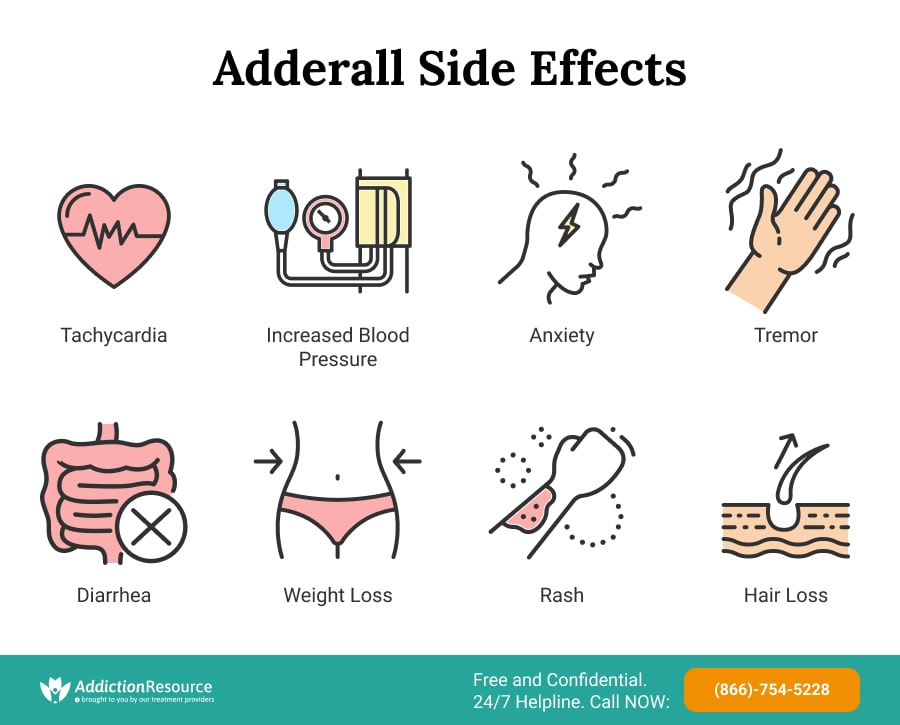
The biggest side effect of Adderall is increased heart rate, which can lead to serious cardiovascular issues.
Conclusion
Adderall may contribute to hair loss in some cases. It can cause nutrient deficiencies and stress on the body. Losing essential vitamins like zinc or iron affects hair health. Eating well and staying hydrated can help reduce risks. Always talk to your doctor about any side effects.
Hair loss is often temporary and improves with proper care. Taking steps early supports overall health and hair growth. Stay aware and listen to your body’s signals.
As an Amazon Associate, I earn from qualifying purchases.
Lovingshe is a participant in the Amazon Services LLC Associates Program which is an affiliate advertising program designed to provide a means for sites to earn advertising fees by advertising and linking to Amazon.com. Amazon may use cookies to track referrals from our site. Visit Amazon’s privacy policy for details
