


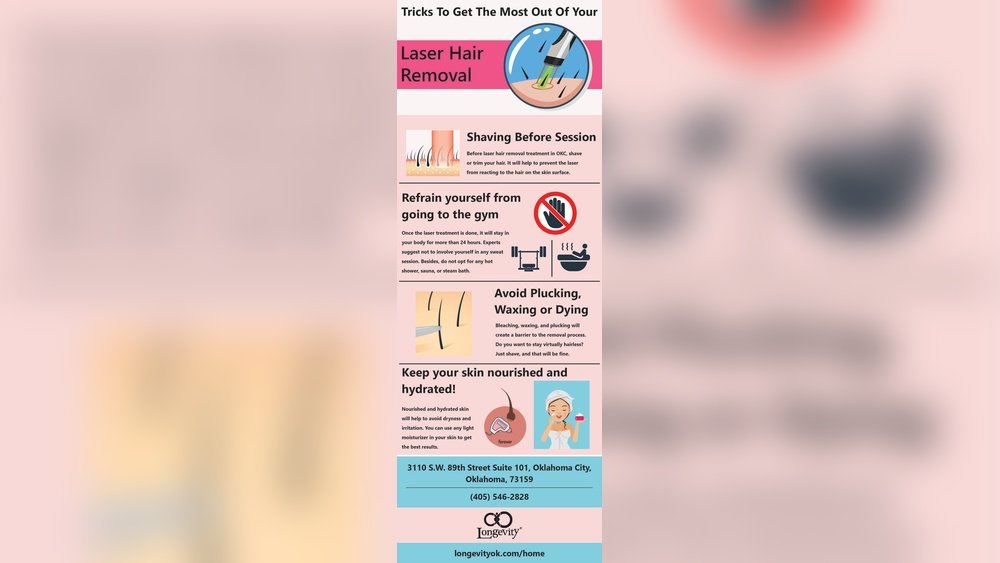
Are you wondering whether you should shave before your laser hair removal session? You’re not alone—this is one of the most common questions people ask before their appointment.
The truth is, how you prepare your skin can make a huge difference in how effective and comfortable your treatment will be. Shaving before laser hair removal isn’t just a random step; it’s a crucial part of getting the best results while protecting your skin.
Keep reading to discover why shaving matters, what you should do, and how to avoid common mistakes that could ruin your experience. Your smooth, hair-free skin starts with the right preparation!
Credit: www.charmedmedispa.com
Why Shaving Matters
Shaving before laser hair removal is a key step to prepare your skin. It helps the laser focus on the hair roots, not the surface. This simple action reduces risks and improves how well the treatment works. Understanding why shaving matters can help you get the best results.
Targeting Hair Follicles
The laser targets the hair follicle beneath the skin. Shaving removes hair above the surface. This allows the laser light to reach the follicle directly. Long hair can block the laser and reduce its effect. Clean skin means the laser energy hits the root better.
Avoiding Burns And Irritation
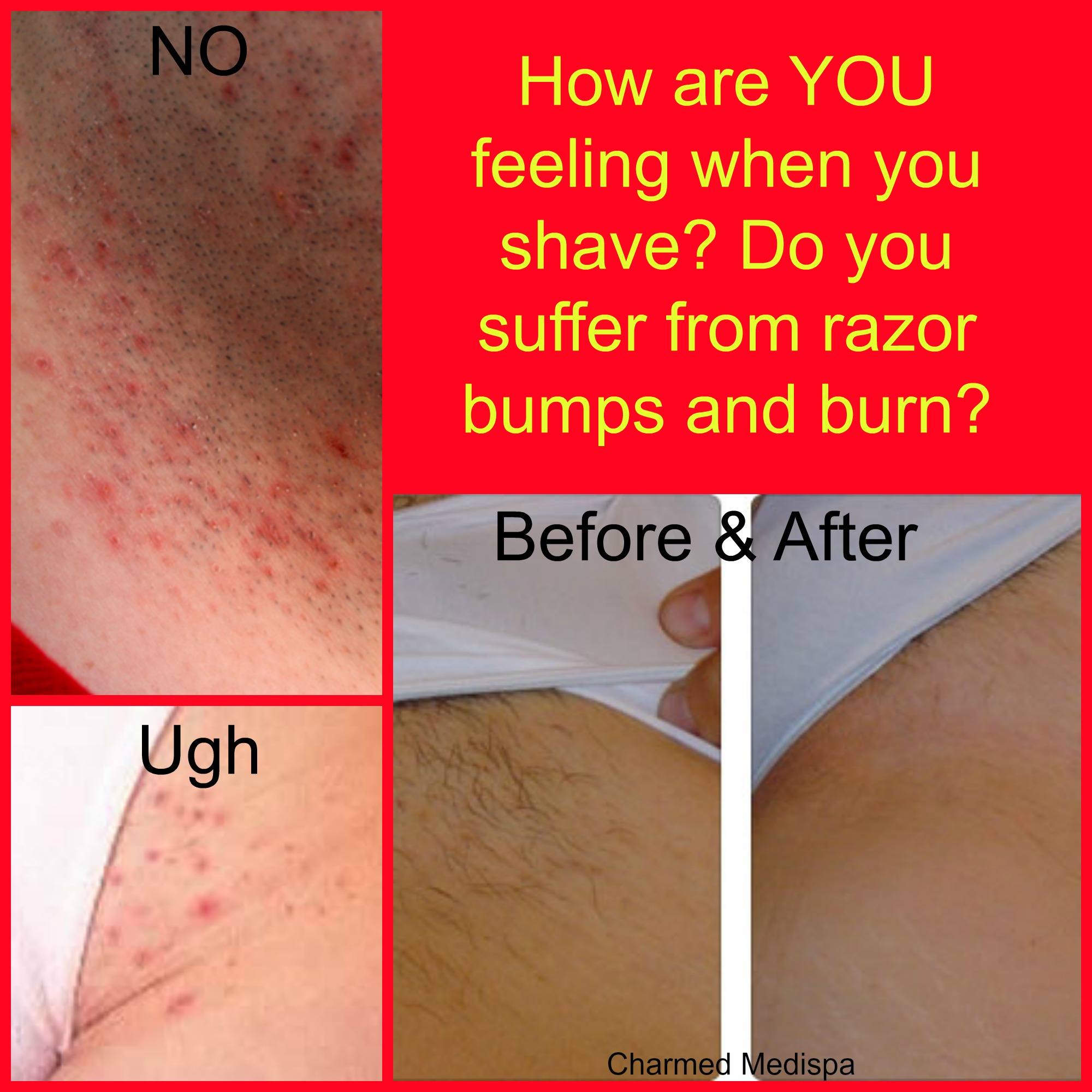
Hair above the skin can burn during treatment. Shaving prevents the laser from heating surface hair. This lowers the chance of skin burns or irritation. Smooth, shaved skin helps the laser work safely. It keeps your skin calm and protected.
Boosting Treatment Effectiveness
Shaving helps the laser focus on the hair root. It stops energy loss from burning hair above skin. The laser destroys follicles more fully with no surface hair. This leads to better, longer-lasting hair removal. Proper shaving sets the stage for success.
Shaving Guidelines
Shaving before laser hair removal is a key step for effective treatment. Proper shaving ensures the laser targets hair follicles without harming the skin. Following clear shaving guidelines can improve results and reduce discomfort.
Understanding when and how to shave helps prepare your skin for the session. Knowing what to avoid before treatment protects your skin and maximizes safety.
When To Shave
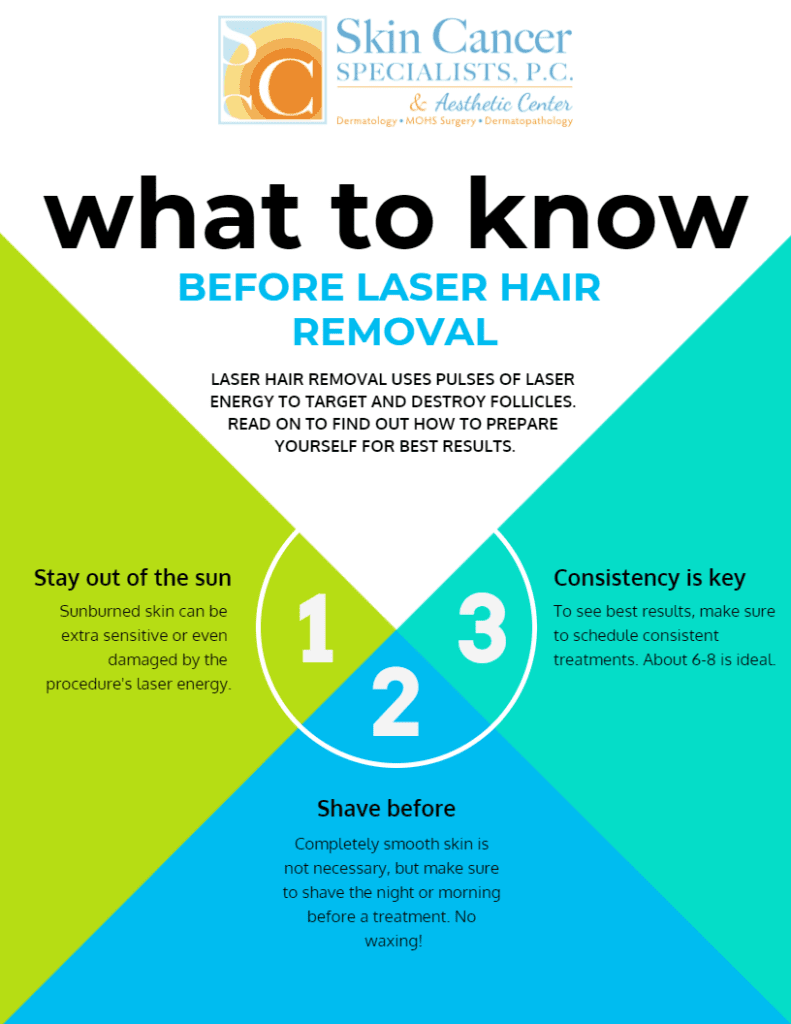
Shave the treatment area one day before your appointment. This timing allows hair to be short but visible to the laser. Avoid shaving the same day to prevent skin irritation.
Shaving too early lets hair grow long, which can cause burns. Waiting too long causes longer hair that blocks laser energy. One day is the ideal balance.
How To Shave Properly
Use a clean, sharp razor and gentle strokes. Shave in the direction of hair growth to avoid cuts and redness. Rinse the skin with warm water and use a mild soap.
Pat the skin dry and avoid rubbing. Applying a fragrance-free moisturizer keeps skin soft and calm. Proper shaving reduces the risk of skin irritation during treatment.
What To Avoid Before Treatment
Do not wax, pluck, or use hair removal creams before your session. These methods remove hair roots, which lasers need to target. Avoid sun exposure and tanning to prevent skin sensitivity.
Skip applying lotions, perfumes, or makeup on the treatment day. These products can block the laser or cause reactions. Following these rules ensures a safe, smooth laser hair removal process.
Consequences Of Not Shaving
Not shaving before laser hair removal can cause several problems. It affects the treatment’s timing, effectiveness, and safety. Understanding these consequences helps you prepare better for your session.
Treatment Delays
Long hair on the skin surface can force your technician to stop. They might need extra time to shave the area before starting. This causes delays and may shorten your session. Sometimes, you could be asked to reschedule for a later date. This wastes your time and slows down your hair removal progress.
Reduced Laser Efficiency
Laser targets hair follicles under the skin. Long hair absorbs laser energy before it reaches the root. This reduces the laser’s power and lowers treatment success. Shaving helps the laser focus on the follicle, improving results. Skipping shaving means the laser cannot destroy hair roots well. You might need more sessions or see less hair reduction.
Skin Damage Risks
Long hair can burn during laser treatment. The heat from the laser heats the hair above the skin. This can cause skin redness, irritation, or even burns. Shaving reduces hair length and lowers this risk. It keeps your skin safer and more comfortable during the session.
Credit: skincancerspecialists.com
Alternatives To Shaving
Before laser hair removal, many wonder about methods besides shaving. Alternatives exist but vary in effectiveness and safety. Understanding these options helps prepare your skin better for treatment.
Choosing the right method avoids skin irritation and improves laser results. Let’s explore common alternatives and their impact on laser hair removal.
Why Not Wax Or Creams
Waxing removes hair from the root. Laser targets the hair root, so no root means no target. Using creams dissolves hair above the skin but leaves the root intact. However, creams can irritate skin and cause sensitivity. Waxing or creams can reduce laser effectiveness and increase skin risks.
Stubble And Laser Compatibility
Stubble means hair just under the skin surface. The laser needs hair pigment to absorb light and reach the root. Short stubble works well for this. Long hair above skin can burn and cause pain. Shaving leaves stubble that is ideal for laser to focus on follicles safely.
Preparing For Your Appointment
Preparing for your laser hair removal appointment improves treatment results. Proper preparation protects your skin and helps the laser work better. Small steps taken before the session make a big difference in comfort and effectiveness.
Understanding what to do before your appointment can reduce irritation and speed up healing. Follow clear instructions about skin care and shaving. This section explains essential tips for getting ready.
Skin Care Tips Before Laser
Keep your skin clean and moisturized in the days before treatment. Avoid sun exposure to prevent burns and pigmentation changes. Use gentle, fragrance-free lotions to soothe your skin. Skip harsh scrubs, chemical peels, or tanning products for at least one week. Do not apply deodorants or perfumes on the treatment area on the day of your appointment. These steps help reduce skin sensitivity during laser treatment.
Clinic Policies On Shaving
Most clinics ask you to shave the area 24 hours before your session. Shaving removes hair above the skin but leaves the follicle intact. This allows the laser to target the root effectively. Avoid waxing, plucking, or using hair removal creams before the appointment. These methods remove the follicle and reduce laser effectiveness. Check with your clinic about their specific shaving rules. Following their guidelines ensures a safer and more efficient treatment.

Credit: www.wellaser.com
Frequently Asked Questions
What Happens If You Shave 2 Hours Before Laser?
Shaving 2 hours before laser is acceptable but may cause slight skin irritation. Shave close to treatment time for best results.
Is Stubble Ok For Laser Hair Removal?
Stubble is acceptable for laser hair removal, but avoid long hair to prevent burns. Shaving ensures laser targets follicles effectively.
Can I Do Laser Hair Removal Without Shaving First?
No, shave before laser hair removal for safe, effective treatment. Long hair can cause burns and reduce laser accuracy.
How Do You Prepare For Laser Hair Removal?
Shave the treatment area 24 hours before to avoid burns and ensure laser targets hair follicles effectively. Avoid waxing or creams.
Conclusion
Shaving before laser hair removal helps the laser target hair follicles better. It reduces the risk of burns and skin irritation. Long hair can block the laser’s energy and cause discomfort. Always shave the area a day before your session.
Avoid waxing or using creams that remove hair from the root. Proper preparation leads to safer, more effective treatments. Simple steps make a big difference in your laser hair removal results.
As an Amazon Associate, I earn from qualifying purchases.
Lovingshe is a participant in the Amazon Services LLC Associates Program which is an affiliate advertising program designed to provide a means for sites to earn advertising fees by advertising and linking to Amazon.com. Amazon may use cookies to track referrals from our site. Visit Amazon’s privacy policy for details
