


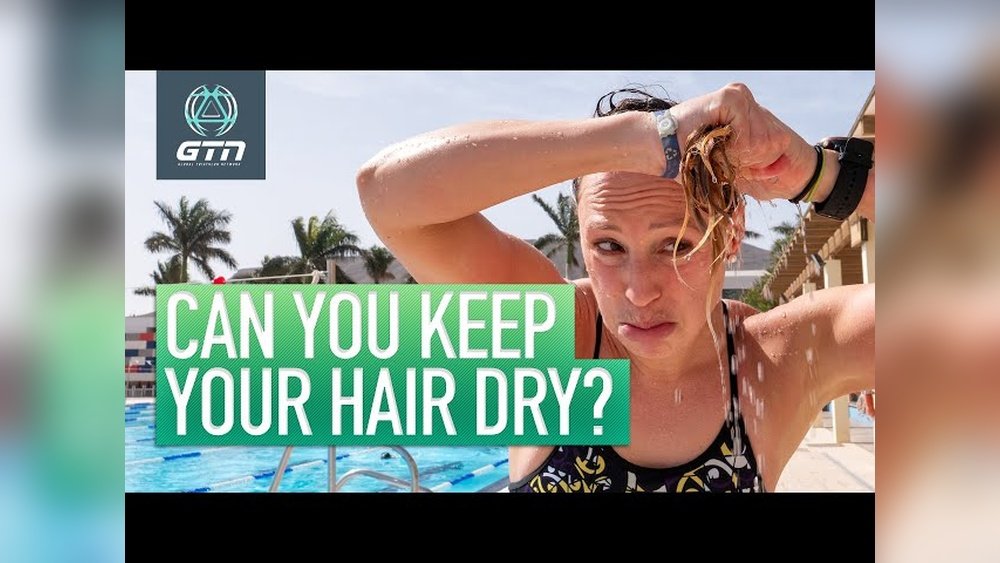
Are you tired of stepping out of the pool with your hair soaking wet, frizzy, or damaged? You might wonder, do swim caps actually keep your hair dry?
It’s a question many swimmers ask, whether you swim for fun, fitness, or competition. The truth is, while swim caps can help protect your hair, they don’t always keep it completely dry on their own. But don’t worry—there are smart tricks and the right gear that can make a big difference.
You’ll discover how to protect your hair from water and chlorine, what types of swim caps work best, and simple steps you can take before, during, and after swimming to keep your hair healthy and dry. Ready to dive in and save your hair? Keep reading!
Effectiveness Of Swim Caps
Swim caps offer some protection against water but do not keep hair completely dry. Their effectiveness depends on material, fit, and seal quality. Understanding these factors helps set realistic expectations about how well swim caps work.
Material Types And Water Resistance
Swim caps come in silicone, latex, and lycra. Silicone caps resist water better and last longer. Latex caps are thin and stretch easily but allow more water in. Lycra caps feel soft but soak water quickly. Silicone offers the best water resistance among these materials.
Seal Quality And Fit
A tight fit creates a better seal around the head and hairline. Caps that are loose let water seep inside. Caps with a smooth edge seal better than those with rough edges. Properly fitting caps reduce water entry but rarely block it all.
Limitations In Keeping Hair Dry
No swim cap is 100% waterproof. Water can enter near the ears, neck, and hairline. Long hair is harder to cover fully. Caps may trap some water inside, causing dampness. Using additional barriers can help but cannot guarantee dry hair.
Preparing Hair Before Swimming
Preparing your hair before swimming helps protect it from water and chlorine damage. Taking a few simple steps can reduce water exposure. These steps keep hair healthier and drier under your swim cap. Proper preparation creates a better barrier against moisture.
Wet Hair And Apply Conditioner Or Oil
Start by dampening your hair with clean water. Wet hair absorbs less chlorinated water. Next, apply a leave-in conditioner or natural oil. Coconut oil works well to block water. This layer reduces water penetration and keeps hair soft. It also prevents hair from becoming dry and brittle.
Styling Techniques To Minimize Water Exposure
After applying conditioner or oil, style your hair tightly. A low bun or braids work best. These styles keep hair flat and contained. Avoid loose hair that can let water in easily. The goal is to reduce gaps under your swim cap. A smooth, tight style improves the cap’s seal and helps keep hair drier.
Layering Techniques For Better Protection
Layering techniques offer extra protection to keep hair dry while swimming. Combining different materials and waterproof items creates stronger barriers. This helps reduce water seepage better than a single swim cap. Simple steps can make a big difference in hair care during pool time.
Using Fabric And Silicone Caps Together
Start with a soft fabric cap that fits snugly on the head. It protects hair from direct water contact. Next, add a silicone swim cap over the fabric one. Silicone caps are tight and water-resistant. This double layer forms a better seal against water. It also reduces pressure on hair strands.
Adding Waterproof Barriers Like Shower Caps
Place a disposable or reusable shower cap under the swim cap. Shower caps block water from soaking hair. They add an extra waterproof layer. This method is easy and inexpensive. Shower caps are lightweight and fit well under swim caps. They improve dryness during long swims.
Waterproof Headbands And Earplugs
Use waterproof headbands to cover edges of swim caps. Headbands stop water from entering near the forehead and ears. Adding earplugs seals ear canals and prevents water entry. These accessories increase overall dryness. They also protect sensitive skin around ears. Small gear changes help keep hair and head dry.

Credit: www.youtube.com
Choosing The Right Swim Cap
Choosing the right swim cap affects how well your hair stays dry. Not all caps fit the same or provide equal protection. Some materials create tighter seals, while others offer comfort or suit specific hair types. Picking the right cap improves your swimming experience and protects your hair from water and chlorine damage.
Silicone Caps For Tight Seals
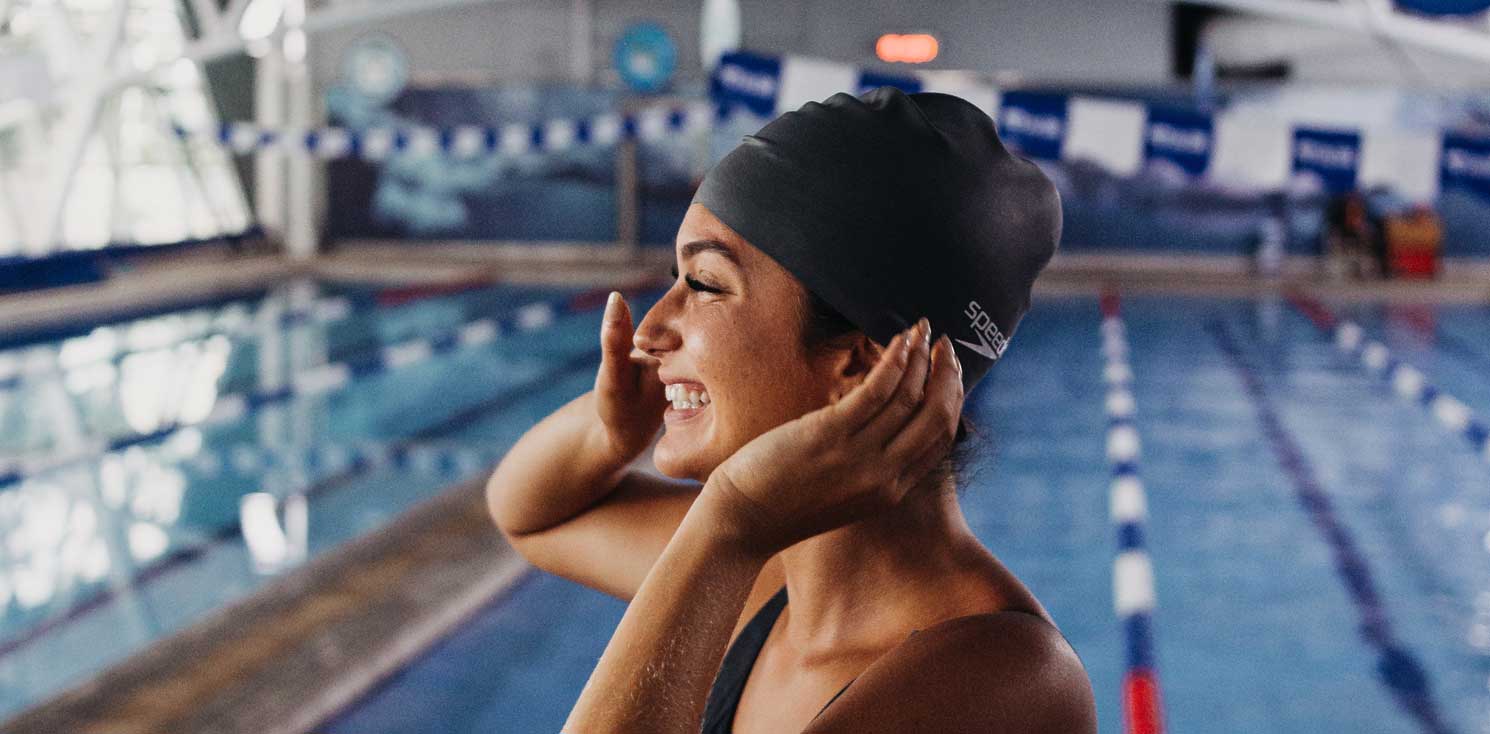
Silicone swim caps fit snugly and create a strong seal around your head. They are stretchy and smooth, which helps keep water out. Silicone caps last longer than other materials and resist tears. Their tight fit reduces water seepage, making them a good choice for swimmers wanting to keep hair dry.
Fabric And Latex Caps
Fabric caps are soft and comfortable but do not keep hair dry completely. They allow water to pass through, so they protect mainly against sun or wind. Latex caps offer a better fit than fabric but can tear easily. Both types are lightweight and good for casual swimming or practice sessions.
Specialty Caps For Natural Hair
Natural hair needs caps designed to avoid breakage and maintain moisture. Some caps are larger and shaped to hold thick or curly hair without pulling. Materials like soft silicone or stretchy lycra work well for natural hair. Specialty caps reduce tension and help protect delicate hair while swimming.
Post-swim Hair Care
Taking care of your hair after swimming is very important. Swim caps help reduce water contact but do not keep hair completely dry. Chlorine and saltwater can still affect hair. Proper post-swim hair care protects hair from damage and dryness. Follow simple steps to keep hair healthy and strong after every swim.
Rinsing And Washing To Remove Chlorine
Rinse hair immediately after swimming with clean water. This removes chlorine and salt from hair strands. Use cool or lukewarm water to avoid drying out hair. After rinsing, wash hair with a gentle shampoo made for swimmers. These shampoos help remove chemicals better than regular ones. Avoid harsh shampoos that strip natural oils from hair. Clean hair feels softer and reduces itchiness.
Deep Conditioning And Moisture Restoration
Apply a deep conditioner or hair mask after washing. This adds moisture back to hair and repairs damage caused by chlorine. Leave the conditioner on for 5 to 15 minutes before rinsing. Focus on the ends of hair, which are most dry and fragile. Use products rich in natural oils and proteins for best results. Regular deep conditioning keeps hair smooth, shiny, and healthy after swimming.

Credit: www.simplyswim.com
Alternatives To Keep Hair Dry
Keeping hair dry while swimming can be tricky. Swim caps help but may not fully protect your hair from water. Several alternatives can reduce water exposure and keep hair drier during your swim sessions. These methods suit different swim styles and hair types.
Shallow Water Activities
Staying in shallow water limits how much your hair gets wet. Avoid fully submerging your head under water. Try activities like water walking or gentle splashing instead of diving or swimming underwater. These reduce water contact with your hair. It is easier to keep hair dry this way.
Use a towel or water-resistant hat when sitting near water. This adds extra protection against splashes. Shallow water activities let you enjoy the pool without soaking your hair.
Using Protective Hairstyles
Protective hairstyles shield hair from water and damage. Styles like tight buns, braids, or twists hold hair close to your scalp. They reduce surface area exposed to water. Use hair ties that do not slip or loosen easily.
Apply leave-in conditioner or oil before styling. This creates a light barrier against moisture. Protective hairstyles also prevent tangling and breakage after swimming. They keep hair controlled and help it dry faster.
Credit: www.halocline.co.uk
Frequently Asked Questions
How Do I Keep My Hair Completely Dry When Swimming?
Wear a snug silicone swim cap over a fabric cap or shower cap for a tight seal. Wet hair and apply conditioner or oil first. Secure hair in a bun or braids and use a waterproof headband to block leaks.
Rinse hair immediately after swimming.
What Is The Point Of Wearing A Swim Cap?
Wearing a swim cap protects hair from chlorine damage, reduces drag, keeps hair contained, and improves swimming performance.
How To Wear A Swimming Cap To Keep Hair Dry?
Dampen hair and apply conditioner or oil for protection. Secure hair in a tight bun or braids. Wear a fabric headband, then a snug silicone swim cap. Add a shower cap underneath for extra waterproofing. Ensure the cap seals well around edges to keep hair dry.
What Swimming Cap Keeps Long Hair Dry?
A silicone swim cap layered over a fabric cap keeps long hair dry best. Add a waterproof headband or shower cap for extra protection. Secure hair in a tight bun and apply leave-in conditioner or oil before swimming to create a protective barrier against water.
Conclusion
Swim caps help reduce water contact but rarely keep hair fully dry. Layering caps and using oils improve protection significantly. Proper hair preparation and snug fit matter most for dryness. Rinsing hair right after swimming keeps it healthy and clean.
Swim caps are useful but not foolproof for dry hair. Try different methods to find what works best for you. Keep experimenting to protect your hair while enjoying the pool.
As an Amazon Associate, I earn from qualifying purchases.
Lovingshe is a participant in the Amazon Services LLC Associates Program which is an affiliate advertising program designed to provide a means for sites to earn advertising fees by advertising and linking to Amazon.com. Amazon may use cookies to track referrals from our site. Visit Amazon’s privacy policy for details
