


Are you worried about the pain involved in getting a hair transplant? It’s a common concern if you’re thinking about restoring your hair and confidence.
You might be asking yourself, “Do hair transplants hurt? ” or “What will the procedure feel like? ” Understanding what to expect can ease your mind and help you make the best decision for your hair loss journey. You’ll discover how much discomfort is typical, what steps doctors take to keep you comfortable, and how the recovery feels.
Keep reading to learn everything you need to know about pain and hair transplants—so you can move forward with confidence and clarity.
Credit: www.hrbr.ie
Pain During Hair Transplants
Many people wonder about the pain involved during a hair transplant. Understanding the pain level can help ease anxiety before the procedure. Hair transplants are minor surgeries, but pain is usually well-controlled. Most patients feel little to no discomfort during the operation.
Local Anesthesia Use
Doctors use local anesthesia to numb the scalp. This means you stay awake but feel no pain. The injection might sting briefly, but it stops pain during the transplant. The anesthesia blocks nerve signals in the treated area. It ensures the procedure is comfortable and pain-free.
Sensation During Procedure
During the transplant, you may feel pressure or mild tugging. These sensations are not painful but can feel strange. Some patients describe it as a slight scratching or pulling. The surgical team monitors your comfort continuously. They can give more anesthesia if needed to avoid pain.
Pain Threshold Variations
Everyone’s pain tolerance is different. Some people feel more sensitive than others. Factors like stress and fatigue can affect pain perception. Most patients report only mild discomfort after the anesthesia wears off. Any soreness usually lasts a few days and fades with simple care.
Post-procedure Discomfort
After a hair transplant, some discomfort is normal. The procedure moves hair follicles, which can irritate the scalp. Most patients report mild pain or soreness after the surgery. Understanding what to expect helps ease concerns about post-procedure discomfort.
Common Side Effects
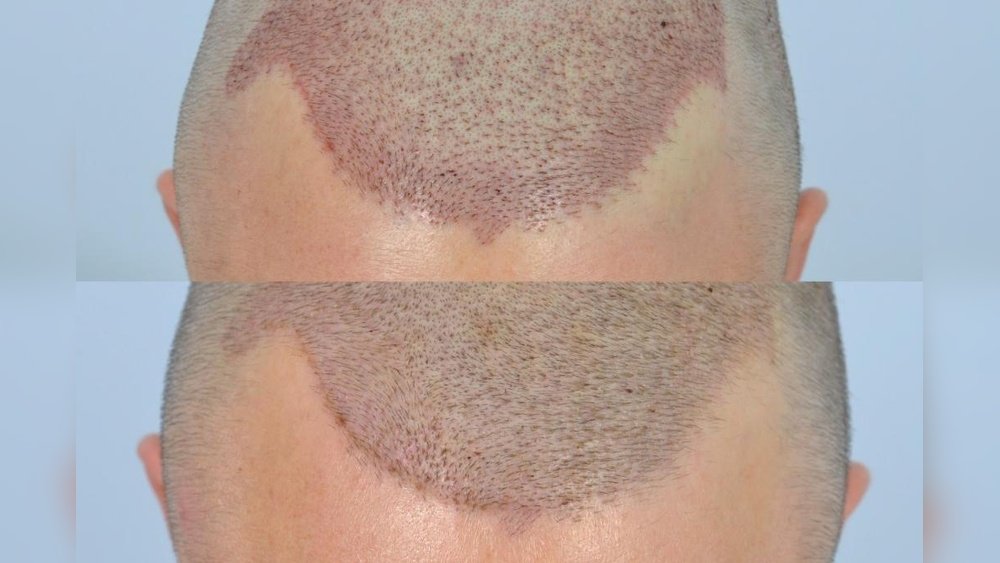
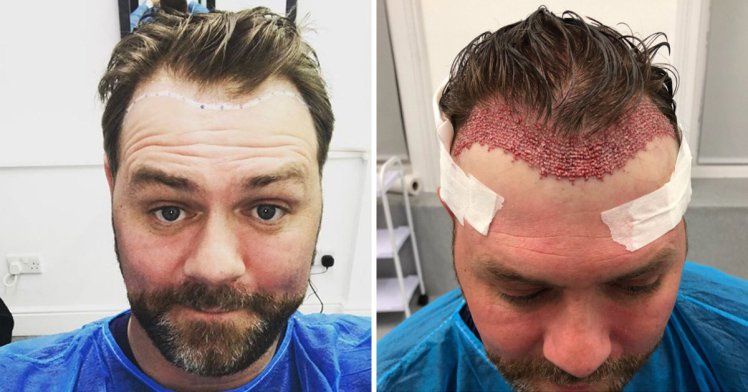
Swelling and redness often occur in the treated area. Some people feel tightness or itching on the scalp. Small scabs form around new grafts but usually heal within a week. Mild tenderness is common but rarely severe. These effects are signs the scalp is healing.
Duration Of Pain
Discomfort typically lasts for a few days after the procedure. Most patients feel better within 48 to 72 hours. Some soreness may linger for up to a week. Pain tends to decrease each day as the scalp recovers. Long-term pain after a hair transplant is uncommon.
Pain Management Techniques
Doctors often recommend over-the-counter pain relievers like ibuprofen or acetaminophen. Applying cold compresses can reduce swelling and ease pain. Avoid touching or scratching the scalp to prevent irritation. Follow your surgeon’s instructions carefully to manage discomfort. Rest and proper care speed up healing and reduce pain.
Factors Influencing Pain Levels
Pain levels during a hair transplant vary widely. Many factors affect how much discomfort a patient feels. Understanding these factors helps set realistic expectations before the procedure.
Each person’s experience is unique. The method used, the surgeon’s skill, and the patient’s pain tolerance all play roles.
Surgical Technique Differences
Different hair transplant methods cause varying pain levels. Follicular Unit Extraction (FUE) uses tiny punches to remove follicles. It generally causes less pain and faster healing.
Follicular Unit Transplantation (FUT) involves removing a strip of scalp. This can cause more discomfort and a longer recovery time. The choice of technique impacts pain during and after surgery.
Surgeon’s Skill Impact
An experienced surgeon can reduce pain significantly. Precise, gentle handling of tissues lowers trauma to the scalp. Skilled surgeons use effective anesthesia and pain control methods.
Less skilled operators might cause unnecessary pain due to rough technique or longer surgery times. Choosing a qualified surgeon is key for a comfortable experience.
Individual Pain Tolerance
Each person feels pain differently. Some patients tolerate discomfort well, while others are more sensitive. Anxiety or fear can also increase the perception of pain.
Discussing pain concerns with your doctor helps prepare and manage expectations. Pain relief options can be tailored to your needs for better comfort.

Credit: hassonandwong.com
Recovery Experience
The recovery experience after a hair transplant varies but is generally manageable. Most patients find the healing process straightforward with proper care. Understanding what to expect helps reduce worry and ensures a smoother recovery.
Healing Timeline
Healing starts immediately after the procedure. The first few days may bring mild discomfort. Tiny scabs form around transplanted hairs and fall off in about 7 to 10 days. New hair growth usually begins around three months. Full results appear after 9 to 12 months.
Swelling And Itching
Swelling can occur on the forehead and scalp within 2 to 3 days post-surgery. It usually goes away within a week. Itching is common as the scalp heals. Avoid scratching to prevent damage. Gentle washing and moisturizers can ease itching.
Follow-up Care
Follow-up visits with your surgeon are important. They check healing progress and remove stitches if needed. Patients should follow washing instructions carefully. Avoid heavy exercise and sun exposure during recovery. Proper care helps ensure the best outcome.
Long-term Effects On Scalp Sensation
Understanding the long-term effects of hair transplants on scalp sensation is important. Sensation changes can occur after the procedure and may last for months or longer. These changes happen because the scalp’s nerves get affected during surgery. Some patients worry about lasting numbness or sensitivity. Knowing what to expect can ease concerns and help with recovery.
Nerve Regeneration
The scalp’s nerves can regenerate over time after a hair transplant. Tiny nerve endings may be cut during follicle extraction or implantation. The body works to repair these nerves slowly. Most patients notice sensation returns within a few months. Full nerve recovery can take up to a year. Some mild tingling or prickling might occur as nerves heal.
Possible Numbness
Numbness in the transplanted area is common right after surgery. This happens because nerves are temporarily damaged or stretched. For many, numbness fades within weeks. A few patients may experience numbness for several months. Permanent numbness is rare but possible in small areas. If numbness lasts long, doctors can suggest treatments to improve feeling.
Scarring And Sensitivity
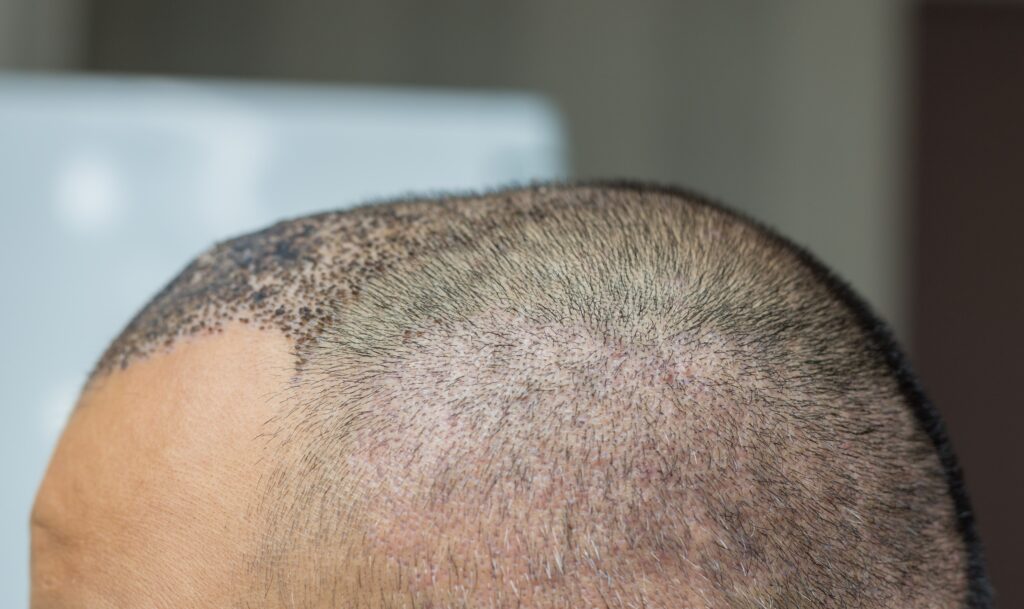
Hair transplant scars can cause scalp sensitivity. The size and location of scars depend on the method used. Follicular Unit Transplantation (FUT) often leaves a thin linear scar. Follicular Unit Extraction (FUE) leaves tiny dot scars. Scar tissue may feel tight or tender. Some people notice increased sensitivity or mild discomfort around scars. Proper care reduces these effects over time.
Comparing Hair Transplant Methods
Choosing the right hair transplant method affects both results and comfort. Each technique varies in how it is done and the pain felt. Understanding these differences helps set clear expectations. Below, the main hair transplant methods are compared focusing on pain and patient experience.
Fue Vs Fut Pain Levels
FUE (Follicular Unit Extraction) uses tiny punches to remove follicles one by one. This method causes small wounds that heal quickly. Most patients report mild discomfort during and after the procedure.
FUT (Follicular Unit Transplantation) involves removing a strip of scalp. This creates a longer wound that requires stitches. Pain can be higher with FUT, especially around the donor area. Recovery may take more time compared to FUE.
Dhi Procedure Experience
DHI (Direct Hair Implantation) is a variation of FUE. It uses a special pen to implant hair immediately after extraction. This reduces handling of follicles and shortens surgery time. Patients often feel less pain and swelling with DHI. The process is precise and gentle on the scalp.
Minimally Invasive Options
Newer techniques aim to reduce pain and recovery time. Some clinics use local anesthesia and advanced tools to minimize tissue damage. These options cause less bleeding and faster healing. Patients can return to normal activities sooner. Minimally invasive methods focus on comfort without sacrificing results.
Patient Stories And Feedback
Patient stories and feedback offer valuable insights into the hair transplant experience. They shed light on the pain level during and after the procedure. Hearing from real people helps set realistic expectations. It also eases worries about discomfort and recovery.
Common Concerns
Many patients worry about pain during the transplant. They fear the needles and the surgery itself. Others worry about pain after the procedure, like soreness or itching. Questions often arise about how long pain lasts. Concerns also include possible side effects or complications causing discomfort.
Real Experiences
Most patients report feeling only mild discomfort during the procedure. Local anesthesia usually prevents pain during surgery. Some say they feel pressure or tugging, but not sharp pain. After surgery, mild soreness or tightness is common for a few days. Many patients use simple painkillers and recover quickly. Stories often mention surprise at how manageable the pain was.
Satisfaction Rates
Surveys show high satisfaction rates among hair transplant patients. Most feel the pain was less than expected. Positive feedback highlights the natural look and lasting results. Patients often say the benefits outweigh the temporary discomfort. Many recommend the procedure to others despite initial fears. High satisfaction reflects good pain management and successful outcomes.
Credit: cosmedica.com
Tips To Minimize Discomfort
Minimizing discomfort during and after a hair transplant is important for a smooth experience. Simple steps before and after the procedure help reduce pain and swelling. Proper care and medication use also ease recovery and improve comfort.
Following these tips can make the process less stressful and more manageable.
Pre-procedure Preparation
Rest well the night before your transplant. Avoid alcohol and smoking for at least 48 hours. These habits can increase swelling and slow healing. Eat a light meal before the procedure to keep energy up. Stay hydrated by drinking water. Wear comfortable clothes and arrive relaxed.
Post-procedure Care
Keep your head elevated to reduce swelling. Use cold compresses gently on the scalp. Avoid touching or scratching the treated area. Follow your doctor’s instructions for washing your hair. Avoid strenuous activities for a few days. Protect your scalp from direct sunlight to prevent irritation.
Use Of Medications
Take painkillers as prescribed to control any discomfort. Use anti-inflammatory medicines to reduce swelling. Apply antibiotic ointments if recommended to prevent infection. Avoid aspirin or blood thinners unless your doctor advises otherwise. Always follow the medication plan carefully for best results.
Frequently Asked Questions
Do People Regret Hair Transplants?
Some people regret hair transplants due to unmet expectations, poor results, or complications. Choosing an experienced surgeon reduces regret.
How Long Will My Head Hurt After A Hair Transplant?
Head pain after a hair transplant usually lasts 2 to 5 days. Mild discomfort fades quickly with proper care.
How Long Does Hair Transplant Last?
A hair transplant typically lasts a lifetime as transplanted follicles resist hair loss. Proper care and skillful surgery enhance longevity. Untreated areas may thin over time, possibly needing more sessions. Transplanted hair ages naturally and may gray, just like regular hair.
How Much Do 5000 Hair Grafts Cost?
The cost of 5000 hair grafts ranges from $7,500 to $15,000, depending on clinic, location, and technique used.
Conclusion
Hair transplants cause only mild discomfort for most people. Local anesthesia makes the procedure almost pain-free. Some soreness or tightness may appear after surgery. This usually fades within a few days. Following the doctor’s aftercare advice helps reduce pain and speeds healing.
Remember, a skilled surgeon ensures a smoother experience. Many patients find the temporary discomfort worth the lasting results. Your new hair grows naturally and permanently. Keep realistic expectations about recovery and ongoing hair care. Overall, hair transplants do not hurt as much as many expect.
As an Amazon Associate, I earn from qualifying purchases.
Lovingshe is a participant in the Amazon Services LLC Associates Program which is an affiliate advertising program designed to provide a means for sites to earn advertising fees by advertising and linking to Amazon.com. Amazon may use cookies to track referrals from our site. Visit Amazon’s privacy policy for details
