


Are you thinking about getting hair extensions but worried they might harm your natural hair? You’re not alone.
Many people ask, “Do hair extensions damage your hair? ” The truth is, while extensions can give you that instant length and volume you crave, they can also cause damage if not done or cared for properly. Imagine pulling on a delicate thread too hard—over time, it weakens and breaks.
The same happens with your hair follicles under constant tension. But don’t worry; understanding the risks and how to avoid them can keep your hair healthy and beautiful. Keep reading to discover how hair extensions might affect your hair and what you can do to protect it. Your hair deserves care, and we’re here to help you make the best choices.
Hair Loss And Extensions
Hair extensions offer a quick way to add length and volume. Many enjoy the instant transformation. Yet, they can cause hair loss if not used carefully. Understanding the connection between hair extensions and hair loss helps protect your natural hair. Several factors contribute to this risk. Recognizing them can keep your hair healthy.
Traction Alopecia Risks
Traction alopecia happens from constant pulling on hair roots. Tight or heavy extensions pull hair strands hard. This tension weakens hair follicles over time. Damaged follicles stop growing hair properly. The result is thinning or bald patches. Wearing extensions too long increases this risk. Giving your hair breaks reduces chances of traction alopecia.
Effects Of Excessive Weight
Heavy extensions add extra weight to your natural hair. Fine or fragile hair struggles to hold the load. This weight causes hair strands to break easily. Follicles under stress may become weak or damaged. The damage leads to hair fall and thinning. Choosing lighter extensions suits delicate hair better. Avoid heavy styles that strain your scalp.
Impact Of Improper Installation
Extensions need correct installation for hair safety. Wrong methods can stress hair and scalp. Using harsh adhesives may irritate or damage follicles. Poorly placed bonds pull unevenly on hair strands. This uneven tension causes breakage and hair loss. Professional application matches the method to your hair type. Proper installation keeps hair strong and healthy.
Consequences Of Poor Maintenance
Neglecting extension care harms both natural hair and extensions. Matted or tangled extensions pull on your hair roots. This pulling causes breakage and follicle damage. Dirt and oil buildup weakens hair follicles. Skipping regular cleaning invites scalp problems. Gentle brushing and washing protect hair health. Good maintenance extends extension life and prevents loss.

Credit: nutress.co.uk
Extension Types And Damage
Hair extensions come in various types. Each type has its own way of attaching to your natural hair. This affects how much damage they may cause. Knowing the differences helps you choose safer options. Some extensions cause more strain on your hair than others. The right choice depends on your hair type and lifestyle.
Clip-in Extensions
Clip-in extensions are easy to use and remove. They do not pull on your scalp. This makes them the least damaging option. You wear them only for short times. This reduces stress on your natural hair. Clip-ins are good for special occasions. They do not cause long-term damage if used correctly.
Tape-in Extensions
Tape-in extensions use adhesive strips to attach to hair. They are lightweight and lie flat. This makes them less noticeable. They can cause damage if applied too tightly. The adhesive may pull on hair strands. Tape-ins need careful installation and removal. Leaving them in too long can cause tangling and breakage.
Fusion And Micro-ring Extensions
Fusion extensions use heat to bond hair strands. Micro-ring extensions use tiny metal rings. Both methods attach extensions close to the scalp. This can put stress on hair roots. If too heavy or tight, they cause traction alopecia. Damage can happen quickly without proper care. Regular maintenance is essential to avoid hair loss.
Preventing Hair Damage
Preventing hair damage is key to enjoying extensions safely. Extensions add length and volume, but improper care can harm natural hair. Taking the right steps helps keep hair healthy and strong.
Choosing Suitable Extensions
Select extensions that match your hair type and texture. Lightweight options reduce strain on hair roots. Avoid heavy or overly thick extensions on fine hair. Synthetic hair may cause more tangling than human hair. Choose quality products designed for your hair’s needs.
Professional Installation
Have a trained stylist apply your extensions. Experts use methods that minimize pulling on natural hair. Proper installation avoids tension that leads to breakage. Trying to install extensions yourself can cause damage. Trust professionals to protect your hair during the process.
Maintenance Tips
Brush your hair gently with a soft-bristle brush. Detangle from the ends, moving upward carefully. Wash extensions with mild shampoo and conditioner. Avoid harsh chemicals or excessive heat styling. Schedule regular salon visits for adjustment and care. Clean and maintain extensions to prevent matting and breakage.
Listening To Your Scalp
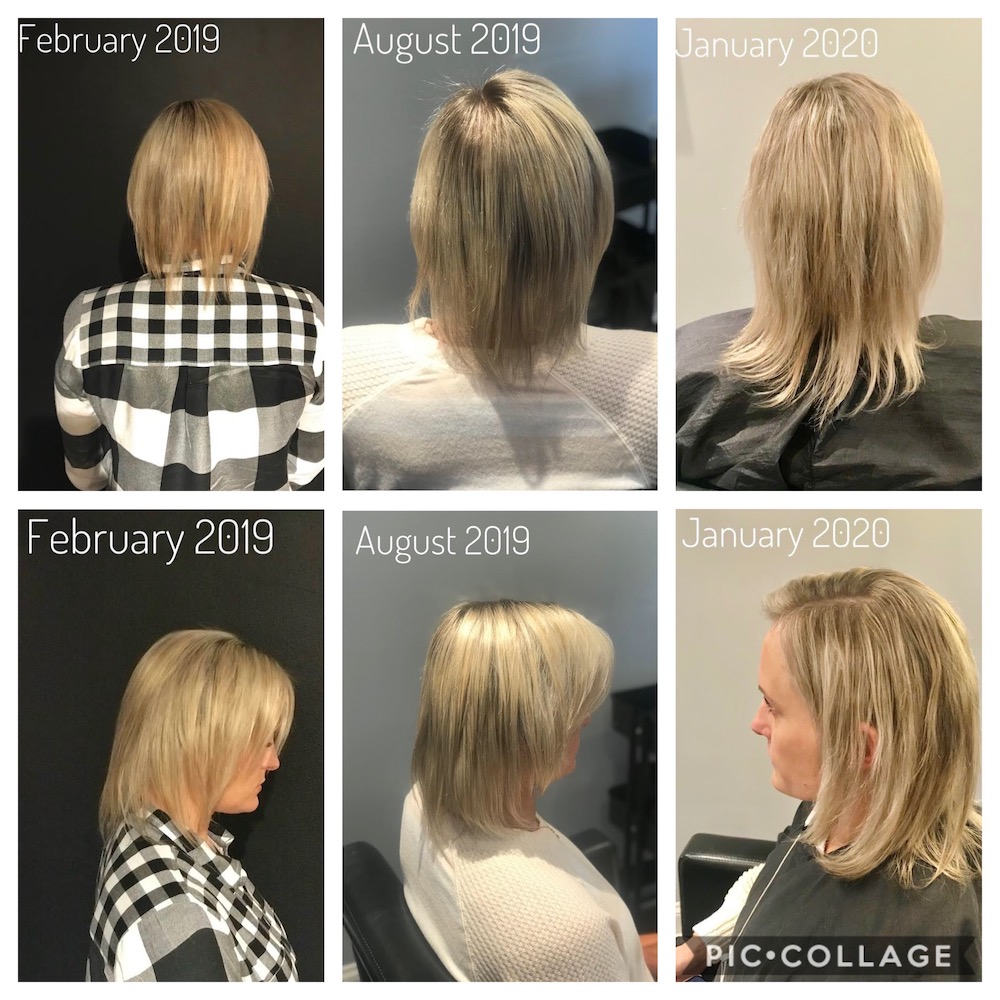
Pay attention to scalp discomfort or tightness. It signals stress or pulling from extensions. Remove or adjust extensions if you feel pain or itching. A healthy scalp promotes strong hair growth. Do not ignore signs of damage or irritation. Early action prevents long-term hair loss.
Credit: adoredsalon.com
Signs Of Hair Damage
Hair extensions can enhance your look, but they might harm your natural hair. Recognizing the signs of damage early helps protect your hair health. Watch for changes in texture, strength, or growth. These signs can point to stress caused by extensions.
Thinning And Breakage
Hair feels weaker or looks thinner around the roots. Strands break off easily, especially near the scalp. This happens due to tension from heavy or tight extensions. Breakage shows your hair is under too much stress.
Bald Spots Warning
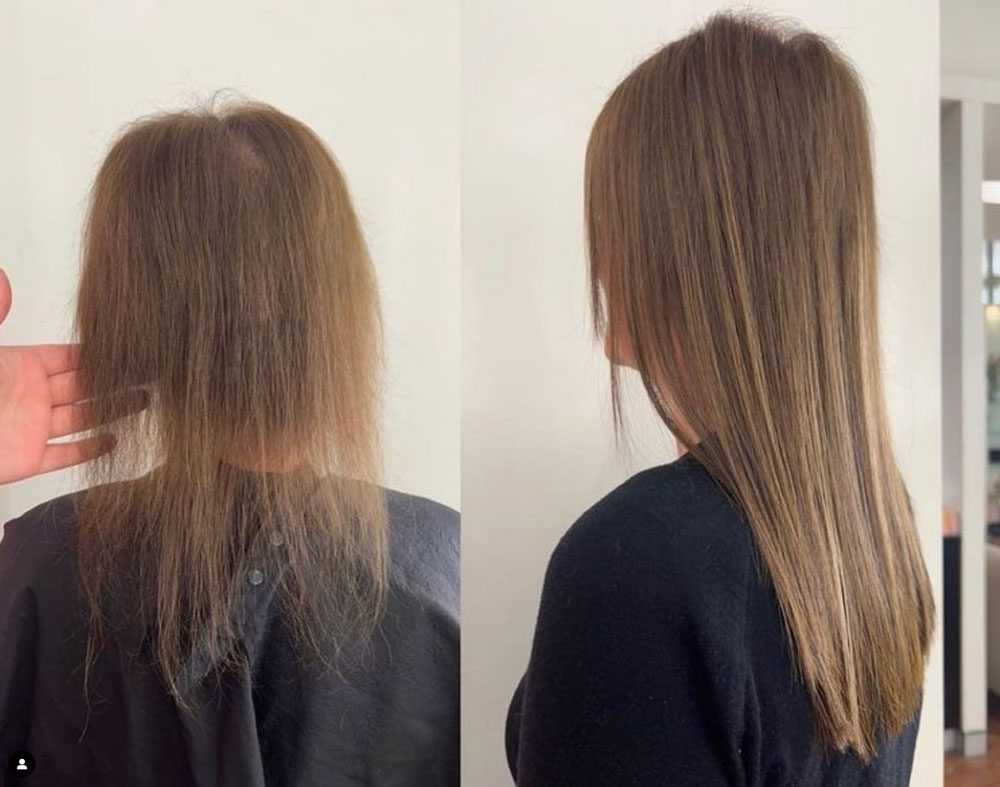
Notice small patches where hair is missing? Bald spots appear when hair follicles get damaged. This can result from constant pulling or improper extension use. Bald spots mean serious damage and need immediate attention.
When To See A Specialist
Consult a hair expert if you see breakage or bald spots. A specialist can assess the damage and suggest treatment. Early care can stop further hair loss and improve hair health.
Credit: www.greatlengths.com.au
Frequently Asked Questions
Can Hair Extensions Cause Hair Loss?
Yes, hair extensions can cause hair loss through constant pulling, heavy weight, or improper installation. Proper care and professional application minimize risks. Temporary clip-ins pose the least danger. Early detection and maintenance help prevent permanent damage.
What Is The Least Damaging Hair Extension?
The least damaging hair extensions are temporary clip-ins. They avoid constant tension and heavy weight by being removable daily. Proper installation and regular care reduce damage risk. Choose lightweight, well-fitted extensions suited to your hair type for healthier results.
Why Is My Hair So Thin After Extensions?
Your hair thins after extensions due to tension and weight pulling on follicles. Tight, heavy, or improper installation causes breakage and stress. Poor maintenance worsens damage. Choose suitable extensions, seek professional application, and maintain properly to prevent thinning and hair loss.
What Is The Downside Of Hair Extensions?
Hair extensions can cause hair loss due to tension, weight, or improper installation. Poor care leads to tangles and breakage. Choosing the right method and professional application reduces risks. Temporary extensions like clip-ins cause less damage. Early detection of scalp issues prevents permanent hair loss.
Conclusion
Hair extensions can damage hair if not used carefully. Tight or heavy extensions pull on roots, causing breakage or hair loss. Choosing the right type and professional installation lowers risks. Regular care and gentle handling keep hair healthy. Pay attention to your scalp and hair condition often.
Stop use if you notice pain or damage signs. Safe use lets you enjoy extensions without harming your hair.
As an Amazon Associate, I earn from qualifying purchases.
Lovingshe is a participant in the Amazon Services LLC Associates Program which is an affiliate advertising program designed to provide a means for sites to earn advertising fees by advertising and linking to Amazon.com. Amazon may use cookies to track referrals from our site. Visit Amazon’s privacy policy for details
