


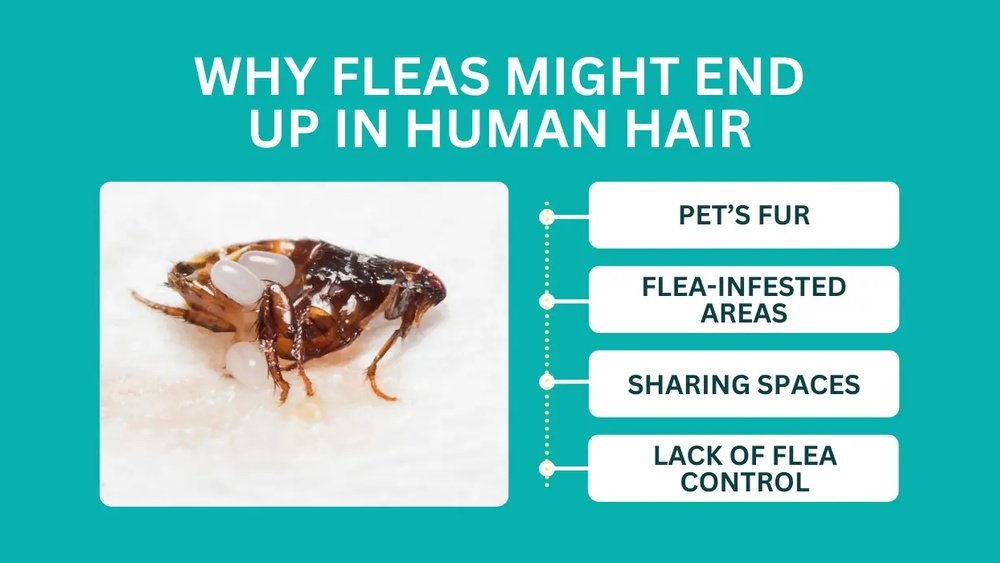
Have you ever wondered if those pesky dog fleas can make your hair their new home? If you’ve noticed itchy spots or tiny bites after cuddling with your furry friend, you might be asking yourself, “Do dog fleas live in human hair?” It’s a common concern, especially for pet owners who want to keep both their pets and themselves comfortable and flea-free.
The truth might surprise you—and knowing the facts can help you protect yourself and your loved ones from these tiny invaders. Keep reading to discover how fleas behave, what signs to watch for, and the best ways to keep fleas off you and your family for good.

Credit: www.itchpet.com
Flea Behavior
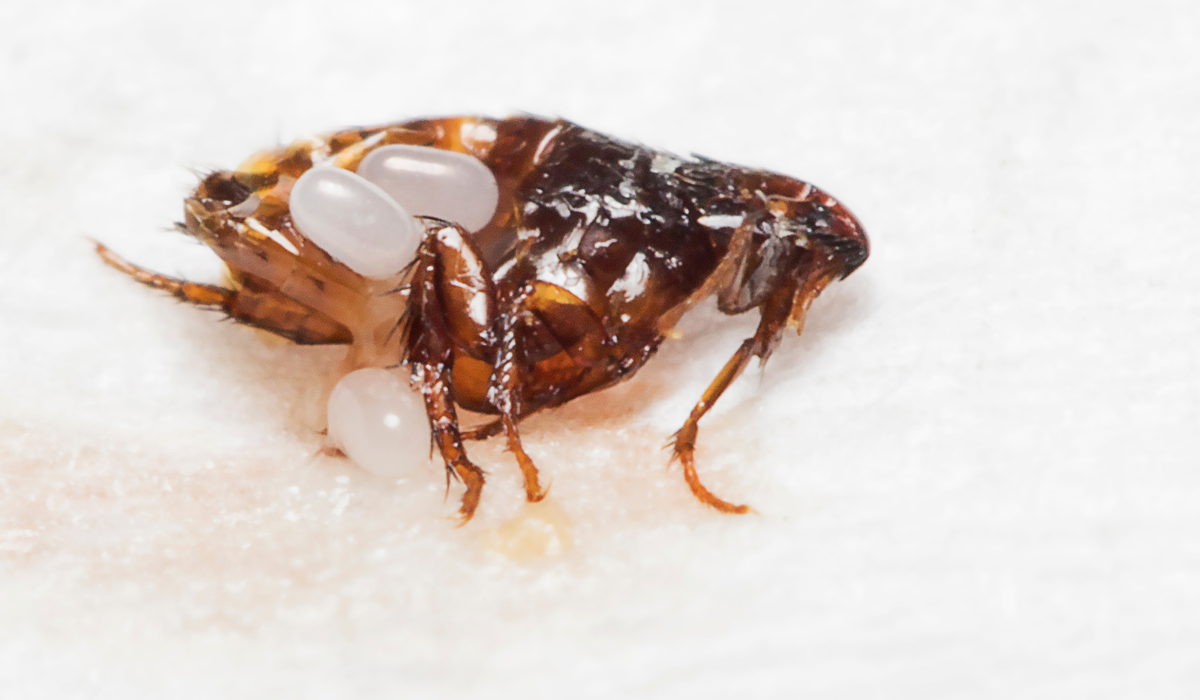
Fleas are tiny insects that feed on blood to survive. Their behavior is shaped by their need for warmth, food, and shelter. Understanding flea behavior helps explain why they prefer certain hosts and areas on the body. Fleas are not random in their choice of where to live or bite.
These insects favor animals with thick fur. They use their strong legs to jump from host to host. Fleas avoid places that do not provide enough warmth or cover. This behavior affects whether they live on humans or pets.
Flea Preferences
Fleas prefer animals like dogs and cats. Their fur offers protection and a steady food supply. Fleas stay close to the skin where blood is easy to access. They avoid smooth skin or areas with little hair. Fleas also like places that stay warm and moist.
Why Fleas Avoid Human Hair
Human hair is different from animal fur. It is thinner and less dense. Fleas find it hard to hold on to human hair. The scalp is often dry and cooler than animal skin. Fleas do not get enough shelter or warmth from human hair. They usually jump off quickly after biting.
Common Flea Biting Areas On Humans
Fleas bite humans in exposed, low areas. These include ankles, feet, and lower legs. Fleas prefer thin skin where it is easier to feed. Bites may also appear around the waist and armpits. Fleas rarely bite the scalp or head hair. Bites cause itching and red bumps in these spots.
Credit: www.nativepestmanagement.com
Signs Of Fleas On Humans
Fleas can bite humans, causing discomfort and irritation. Knowing the signs of fleas on humans helps identify and treat the problem early. Flea bites often appear as small red bumps with intense itching. These bites usually cluster in areas with thin skin or where clothing is tight. Detecting fleas on your body requires attention to these symptoms and careful inspection.
Itching And Red Bumps
Flea bites cause sharp itching on the skin. The bites look like tiny red bumps or welts. They often appear in groups or lines on the legs and ankles. Some people may develop allergic reactions, making the itching worse. Scratching can lead to skin infections if not treated properly.
Detecting Fleas With A Comb
Using a fine-toothed comb helps find fleas or flea dirt in hair. Comb through wet or dry hair over a white towel or paper. Fleas move fast and may jump off the comb. Flea dirt looks like small black or reddish specks. Dipping these specks in water can show a reddish color, confirming flea presence.
Differentiating Fleas From Lice
Lice and fleas cause similar itching but have key differences. Lice crawl slowly and stay attached to hair strands. Fleas jump quickly and do not live in human hair. Lice eggs (nits) stick firmly to hair, while fleas leave behind flea dirt. Proper identification helps choose the right treatment method.
Flea Removal From Humans
Fleas rarely live in human hair, but they can bite and irritate your skin. Removing fleas from your body is key to stopping discomfort and preventing bites. Simple home methods work well to eliminate fleas from humans quickly.
Using water, soap, and combs helps clear fleas from your scalp and skin. These easy steps reduce itching and keep fleas from staying on you.
Effectiveness Of Showering
Showering is a fast way to remove fleas from your body. Water alone can wash away some fleas, but soap makes the process much stronger. Hot water helps loosen fleas from skin and hair.
Fleas often drown during a shower, especially if you scrub carefully. Pay close attention to areas like behind your ears and neck. These places are common flea hiding spots.
How Soap Kills Fleas
Soap contains chemicals that break down the flea’s outer shell. This shell keeps fleas from drying out. Once broken, fleas lose water quickly and die.
Soap also clogs flea breathing holes, suffocating them. Using shampoo or liquid soap with water creates a harmful environment for fleas. Lather well to cover all skin and hair.
Using Combs To Remove Fleas
Combing is a helpful way to catch fleas from hair and scalp. Use a fine-toothed comb to trap fleas and flea dirt. Comb over a white towel or paper to see what falls out.
Regular combing removes fleas, eggs, and debris. It also soothes itching and helps check if fleas remain. Comb hair in sections for the best results.
Home Flea Control
Home flea control is crucial to stop fleas from spreading in your house. Fleas can hide in many places, making it hard to get rid of them. Taking the right steps can protect your family and pets from flea bites. A clean home and treated pets help break the flea life cycle.
Focus on areas where fleas lay eggs and hide. This includes bedding, carpets, and furniture. Regular cleaning and treating pets reduce flea numbers quickly. Use simple methods that work well and keep fleas away for good.
Cleaning Bedding And Clothes
Wash all pet bedding and your clothes in hot water. Heat kills flea eggs and larvae instantly. Use a strong detergent to remove dirt and flea residues. Dry items on the highest heat setting to ensure fleas are dead. Repeat washing weekly during flea season.
Vacuuming Carpets And Furniture
Vacuum floors, carpets, and furniture thoroughly every day. Flea eggs and larvae hide in carpet fibers and upholstery. Use attachments to reach corners and under cushions. Dispose of vacuum bags immediately outside your home. Vacuuming lowers flea numbers and stops them from growing.
Treating Pets For Fleas
Use flea treatments recommended by your vet for dogs and cats. Spot-on treatments, collars, or oral medications kill fleas fast. Treat all pets at the same time to avoid reinfestation. Check pets regularly for fleas and comb them with a flea comb. Early treatment prevents flea buildup.
When To Call Pest Control
Call professional pest control if fleas persist after home cleaning and pet treatment. Experts use strong insecticides that reach hidden flea areas. They provide a full home inspection and targeted treatment. Professional help saves time and ensures fleas vanish completely.
Preventing Flea Infestations
Preventing flea infestations is key to keeping your home and pets comfortable. Fleas spread quickly and can cause itching and discomfort. Taking steps to stop fleas early helps avoid bigger problems later. Focus on pet care, cleaning your surroundings, and watching for flea signs regularly. These actions reduce flea risks and protect everyone in your house.
Regular Pet Maintenance
Check your pets often for fleas and ticks. Use flea combs to remove fleas from fur. Give pets flea treatments as advised by a vet. Bathing pets regularly helps wash away fleas. Keep pet bedding clean and wash it often. Healthy pets are less likely to attract fleas.
Environmental Measures
Clean your home thoroughly to remove flea eggs and larvae. Vacuum carpets, rugs, and furniture daily. Wash pet bedding and blankets in hot water. Treat your yard to reduce flea habitats. Keep grass short and remove leaf piles. A clean environment lowers flea chances greatly.
Monitoring Flea Activity
Watch for signs of fleas on pets and family members. Itching, red bumps, or small jumping bugs are clues. Use flea traps or sticky pads to catch fleas indoors. Regular checks help catch infestations early. Early detection means easier flea control and less stress.

Credit: www.ecoguardpestmanagement.com
Frequently Asked Questions
Can I Get Fleas From My Dog In My Hair?
Fleas can bite your scalp but rarely live in human hair. They prefer animal fur for warmth and shelter. If fleas jump on you, they usually bite ankles or legs, not the scalp. Regular pet and home flea treatment prevents infestations and protects your skin and hair.
How Do I Tell If I Have Fleas In My Hair?
Intense scalp itching and red bumps near hairline or neck signal fleas. Tiny, fast-jumping dark bugs or flea dirt on a white comb confirm infestation. Use a fine-toothed comb on damp hair to detect fleas or their droppings easily.
Will A Shower Get Rid Of Fleas On Humans?
A shower with soap and shampoo can wash off and kill most fleas on your body. It removes adult fleas but does not eliminate eggs or infestations in your environment. Treat pets and clean your home to fully control fleas.
Do I Need To Wash Everything If My Dog Has Fleas?
Yes, wash all bedding, pet items, and clothes in hot water to remove fleas and eggs. Vacuum carpets and furniture thoroughly. Treat your dog with vet-approved flea products. Cleaning your environment and pets together helps stop flea infestations effectively.
Conclusion
Dog fleas do not live in human hair long-term. They prefer animal fur for warmth and shelter. Fleas may bite humans, causing itching and red bumps. Showering with soap can remove fleas from your body temporarily. Use a fine comb to check for fleas or flea dirt.
To fully stop fleas, clean your home and treat your pets. Staying vigilant helps keep fleas away from both humans and dogs.
As an Amazon Associate, I earn from qualifying purchases.
Lovingshe is a participant in the Amazon Services LLC Associates Program which is an affiliate advertising program designed to provide a means for sites to earn advertising fees by advertising and linking to Amazon.com. Amazon may use cookies to track referrals from our site. Visit Amazon’s privacy policy for details
