


Are you wondering if braids can actually help your hair grow longer and stronger? You’re not alone.
Many people turn to braids hoping to boost their hair growth, but does this popular style really make a difference? The truth might surprise you. You’ll discover how braids can protect your hair, common mistakes that could cause damage, and what you need to do to see real growth.
Keep reading to find out if braids are the secret to your hair goals or just another myth.
Credit: www.styleseat.com
Braids And Hair Growth
Braids serve as more than a stylish choice. They can influence hair health and growth. Many people believe braiding helps hair grow faster. The truth is more complex. Braids mainly protect hair, reducing damage and breakage. Healthy hair has a better chance to grow longer.
Understanding how braids affect hair growth needs looking at their benefits and limits. Care and technique matter a lot. Poorly done braids may cause harm instead of help. Knowing the facts helps you decide if braids suit your hair goals.
How Braids Protect Hair
Braids keep hair strands together and reduce daily friction. This limits hair breakage from brushing or rubbing on clothing. The style also shields hair ends, which are prone to splitting. Less breakage means hair stays longer and looks fuller.
With braids, hair is less exposed to harsh weather like wind and sun. This protection keeps hair from drying out. Moisturized hair grows stronger and healthier. Braids also lower the need for heat styling, which can damage hair over time.
Scalp access remains easy with braids, allowing regular cleaning and moisturizing. A clean scalp supports healthy hair follicles. Overall, braids create a safer environment for hair to grow well.
Limitations Of Braids For Growth
Braids do not speed up the natural hair growth rate. Hair grows from the scalp, and braids do not change this biological process. Growth depends on genetics, diet, and overall health.
Tight braids can cause scalp tension and hair loss called traction alopecia. This damage slows growth and causes thinning. Braids left in too long may trap dirt and oil, leading to scalp problems.
Proper care and moderate tension are key. Braids should be done gently and not too tight. Regular breaks between braiding help maintain scalp health. Without these, braids might harm rather than help hair grow.

Credit: www.youtube.com
Types Of Braids That Help
Braids are a popular hairstyle choice that can also support hair growth. Choosing the right type of braid matters a lot. Some braids protect hair strands better, reducing breakage and damage. Others might be too tight and cause stress on your scalp. Knowing which braids help keeps your hair healthy and growing longer.
Loose Vs Tight Braids
Loose braids are gentle on the scalp. They reduce tension and avoid pulling hair roots. This helps prevent hair breakage and thinning. Tight braids, however, can cause scalp pain and hair loss. Constant pulling weakens hair follicles. For growth, opt for looser braids that do not strain your scalp.
Protective Braiding Styles
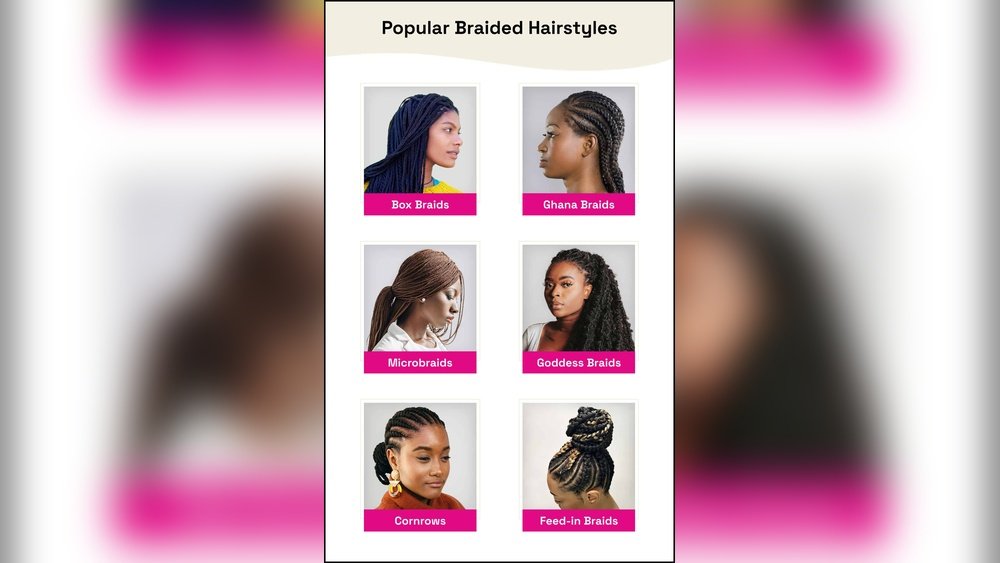
Protective braids cover the hair without exposing ends to damage. Box braids, twists, and cornrows are common protective styles. These braids shield hair from heat and friction. They also keep moisture locked in. Protective braids reduce daily styling damage. This creates a better environment for hair growth.
Hair Care Tips With Braids
Braids protect hair by reducing daily manipulation and exposure. This style can help maintain length by preventing damage. Proper care while wearing braids supports healthy hair growth. Follow simple steps to keep your scalp and hair in great condition.
Scalp Care And Moisturizing
Clean scalp promotes healthy hair growth. Gently wash your scalp every one to two weeks. Use a mild shampoo to avoid dryness. After washing, apply a light oil or leave-in conditioner. Moisturize regularly to prevent itchiness and flaking. A healthy scalp creates the best environment for hair growth.
Avoiding Breakage
Tight braids can cause hair to break. Avoid pulling hair too tightly when braiding. Keep braids loose around the edges to protect delicate hairs. Sleep with a silk or satin scarf to reduce friction. Avoid over-styling or frequent re-braiding. Handle your hair gently to keep it strong and prevent breakage.
Diet And Supplements For Growth
Diet and supplements play a key role in hair growth. Healthy hair starts from inside the body. Eating the right foods and taking proper supplements can strengthen hair follicles. This helps hair grow thicker and faster. Braids protect hair but nutrition fuels growth. Focus on proteins, vitamins, and minerals for best results.
Protein And Vitamins
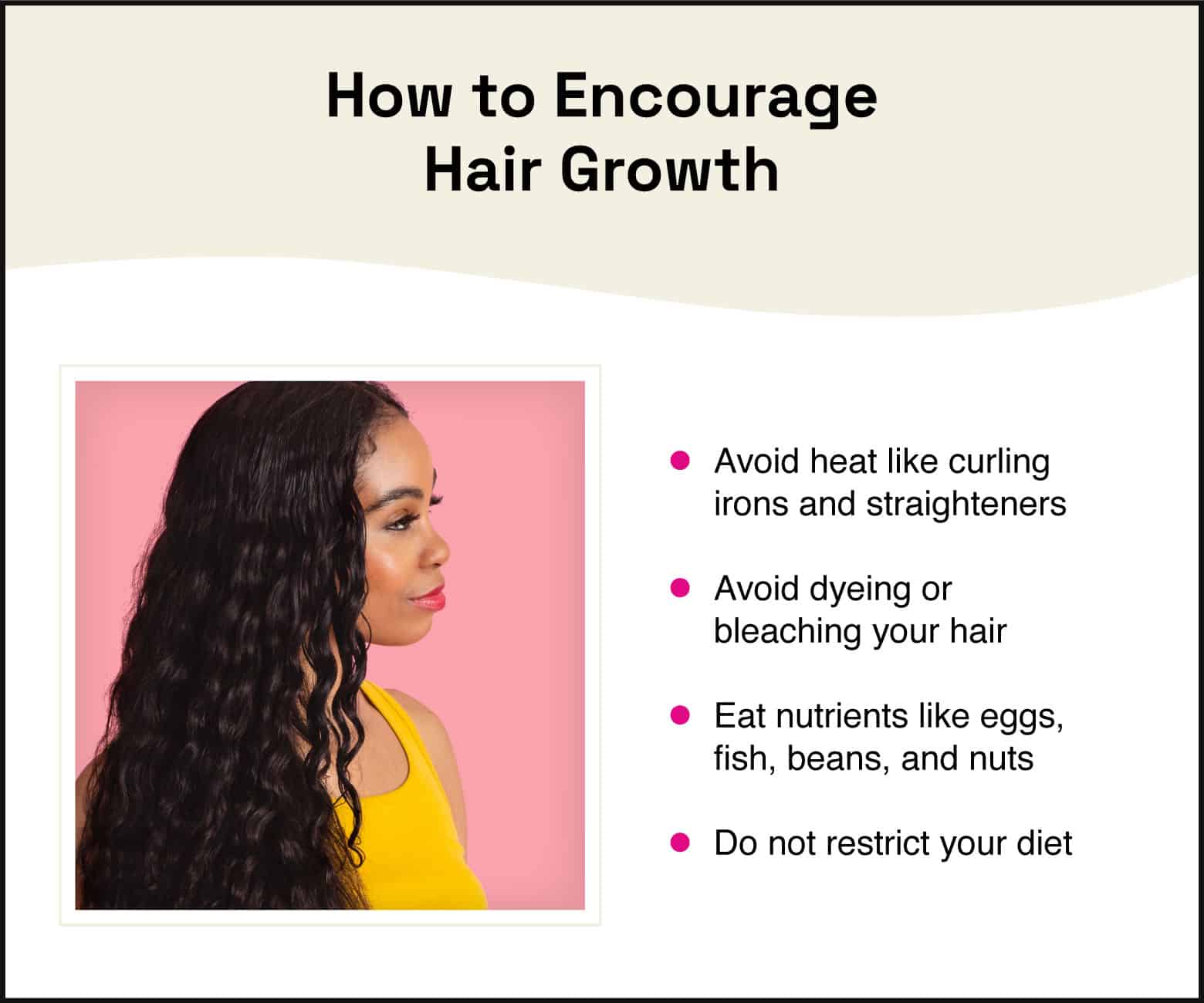
Hair is mainly made of a protein called keratin. Eating enough protein supports strong hair strands. Good sources include lean meats, fish, eggs, nuts, and legumes. Vitamins also boost hair health. Vitamin A helps scalp produce natural oils. Vitamin C aids collagen production, which strengthens hair. Vitamin D supports new hair follicle growth. Vitamin E protects hair from damage. B vitamins, especially biotin, improve hair strength and shine.
Minerals For Strong Follicles
Minerals keep hair follicles healthy and active. Iron carries oxygen to hair roots, promoting growth. Foods rich in iron include spinach, red meat, and beans. Zinc helps repair damaged hair and supports hair growth cycles. It is found in seeds, nuts, and legumes. A lack of these minerals can cause hair thinning and breakage. Balanced mineral intake is essential for thick, healthy hair.
Additional Growth Boosters
Braids can protect hair and reduce breakage. Still, extra care helps promote faster growth. Using additional growth boosters supports hair health from the scalp to the ends. These boosters provide nutrients and stimulate follicles, improving hair strength and shine. Incorporate simple treatments to maximize braid benefits and encourage healthy hair growth.
Essential Oils
Essential oils support scalp health and hair growth. Oils like rosemary and peppermint increase blood flow to hair follicles. Mix a few drops with a carrier oil such as coconut or jojoba oil. Massage this blend gently into the scalp for a few minutes. Regular use can reduce dryness and irritation while encouraging new growth.
Tea tree oil fights dandruff and keeps the scalp clean. Lavender oil soothes scalp inflammation and promotes relaxation. Always do a patch test before full application to avoid allergic reactions.
Topical Treatments
Topical treatments deliver nutrients directly to the scalp. Products containing caffeine or minoxidil may stimulate hair follicles. Use these treatments as directed for best results. Keep the scalp clean and moisturized to enhance absorption.
Natural options like aloe vera gel calm the scalp and reduce itchiness. Avoid harsh chemicals that can damage hair and slow growth. Consistent care with gentle products supports healthy hair development under braids.

Credit: www.youtube.com
Common Hair Growth Myths
Many people believe certain hair practices can speed up growth. Myths about hair growth spread widely. Some say braids make hair grow faster. Others think protective styles alone stop hair breakage and boost growth. These ideas need careful review. Understanding common hair growth myths helps you care for hair better.
Braids And Faster Growth
Braids do not directly make hair grow faster. Hair grows from follicles under the scalp at a steady rate. Braids can protect hair ends from damage. This reduces breakage, making hair appear longer over time. Tight braids can cause stress and lead to hair loss. Proper care and gentle braiding matter more than speed claims.
Protective Styles Misconceptions
Protective styles help reduce hair damage but do not speed growth. They shield hair from harsh weather and daily wear. Without good scalp care, protective styles may cause buildup and irritation. Hair growth needs a healthy scalp and balanced nutrition. Protective styles work best when combined with scalp cleaning and moisturizing.
Frequently Asked Questions
What Speeds Up Hair Growth?
Eating protein-rich foods, vitamins (A, C, D, E, biotin), and minerals like iron and zinc speeds hair growth. Scalp massage boosts blood flow. Avoid heat, harsh chemicals, and tight styles to reduce damage. Regular conditioning and gentle brushing prevent breakage.
Essential oils and topical caffeine may support scalp health.
What Hairstyle Is Best For Hair Growth?
Hairstyles that reduce tension and breakage, like loose braids, low ponytails, and protective styles, support healthy hair growth. Avoid tight styles that stress the scalp and cause damage. Regularly changing styles prevents hair strain and promotes stronger, longer hair over time.
Does Braiding Hair Prevent Hair Loss?
Braiding can protect hair from daily damage and breakage, helping retain length. Avoid tight braids to prevent scalp stress and hair loss. Proper care with braids supports healthy hair but does not directly stop natural hair loss.
What Braids Are Good For Hair Growth?
Box braids, cornrows, and twists protect hair, reduce breakage, and promote growth when installed and maintained properly. Choose loose, gentle styles to avoid scalp tension. Regular moisturizing and scalp care enhance their benefits for healthy hair growth.
Conclusion
Braids can support hair growth by protecting strands from damage. They reduce breakage when done loosely and cared for properly. Avoid tight braids that pull on the scalp. Keeping your scalp clean and moisturized also helps growth. Remember, braids alone do not speed growth.
Healthy diet and gentle hair care matter most. Choose styles that suit your hair type and comfort. Patience and consistent care bring the best results. Braids are a helpful part of a healthy hair routine.
As an Amazon Associate, I earn from qualifying purchases.
Lovingshe is a participant in the Amazon Services LLC Associates Program which is an affiliate advertising program designed to provide a means for sites to earn advertising fees by advertising and linking to Amazon.com. Amazon may use cookies to track referrals from our site. Visit Amazon’s privacy policy for details
