


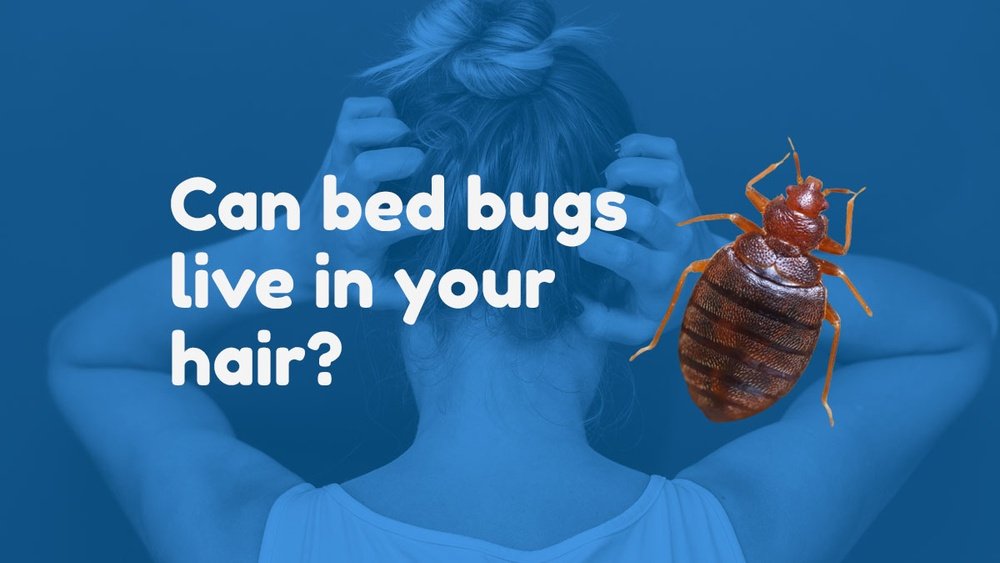
Are you worried that those itchy bumps on your scalp might mean bed bugs are living in your hair? It’s a common fear, especially when you wake up with red, itchy welts around your head and neck.
But do bed bugs actually stay in your hair? Understanding the truth can save you from unnecessary panic and help you take the right steps to protect yourself. You’ll discover how to tell if bed bugs are really the problem, what signs to look for, and how to differentiate them from head lice—because the right knowledge means faster relief and peace of mind.
Keep reading to find out everything you need to know about bed bugs and your hair.
Credit: doctorsniffs.com
Bed Bug Habits
Bed bugs are small insects that feed on blood. They have specific habits that help them survive and hide. Understanding these habits explains why bed bugs do not usually stay in your hair.
These bugs are active mostly at night. They come out to feed on exposed skin. During the day, they hide in places close to where people sleep or rest.
Preferred Hiding Spots
Bed bugs like dark, tight spaces near their food source. They hide in mattress seams, bed frames, and cracks in furniture. These spots protect them from light and disturbance. Bed bugs avoid open areas and places with air movement.
Feeding Behavior
Bed bugs feed on blood for about 5 to 10 minutes. They prefer exposed skin on arms, neck, and face. They usually bite areas not covered by clothes. After feeding, they quickly return to their hiding spots to digest the blood.
Why Hair Is Unattractive
Bed bugs do not live in hair because it is not easy to move through. Hair is dense and offers no protection or stable hiding place. Also, bed bugs need to rest close to the skin surface to feed easily. Hair makes this difficult, so they avoid it.
Credit: txbedbugexperts.com
Signs Of Bed Bug Bites
Bed bug bites can cause discomfort and confusion. Knowing the signs helps identify if bed bugs are the cause. These bites often appear on skin exposed during sleep. Understanding the symptoms can help you act quickly and avoid further bites.
Itchy Red Welts
Bed bug bites usually show as red, swollen bumps. They are often itchy and appear on the face, neck, arms, or hands. The bites may look like pimples or small rashes. The itchiness can become intense, causing you to scratch frequently.
Bite Patterns
Bites often appear in lines or clusters. This pattern is sometimes called “breakfast, lunch, and dinner.” The bugs feed multiple times, leaving several bites close together. This pattern helps distinguish bed bug bites from other insect bites.
Delayed Reactions
Bed bug bites might not show up immediately. Sometimes, the reaction appears days after the bite. This delay can confuse people about the bite source. Watching for other signs of bed bugs is important if bites appear later.
Other Indicators
Look for tiny blood spots on your sheets. Dark spots on mattresses or furniture can also appear; these are bug droppings. Shed skins from bed bugs might be visible near sleeping areas. A musty or sweet odor can sometimes signal an infestation.
Bugs Found In Hair
Many people worry about bugs living in their hair. Bed bugs rarely stay in hair. They prefer hiding in beds and furniture. Bugs found in hair usually mean lice. Lice live on the scalp and hair shafts. They cling tightly to hair strands.
Knowing the difference between lice and bed bugs is important. Each bug causes different problems and needs different treatment.
Lice Vs Bed Bugs
Lice and bed bugs are not the same. Lice live in hair and feed on blood from the scalp. Bed bugs hide near beds and bite exposed skin. Bed bugs do not live in hair. Lice eggs, called nits, attach firmly to hair strands. Bed bugs leave small red welts on the skin but no eggs in hair.
Identifying Lice
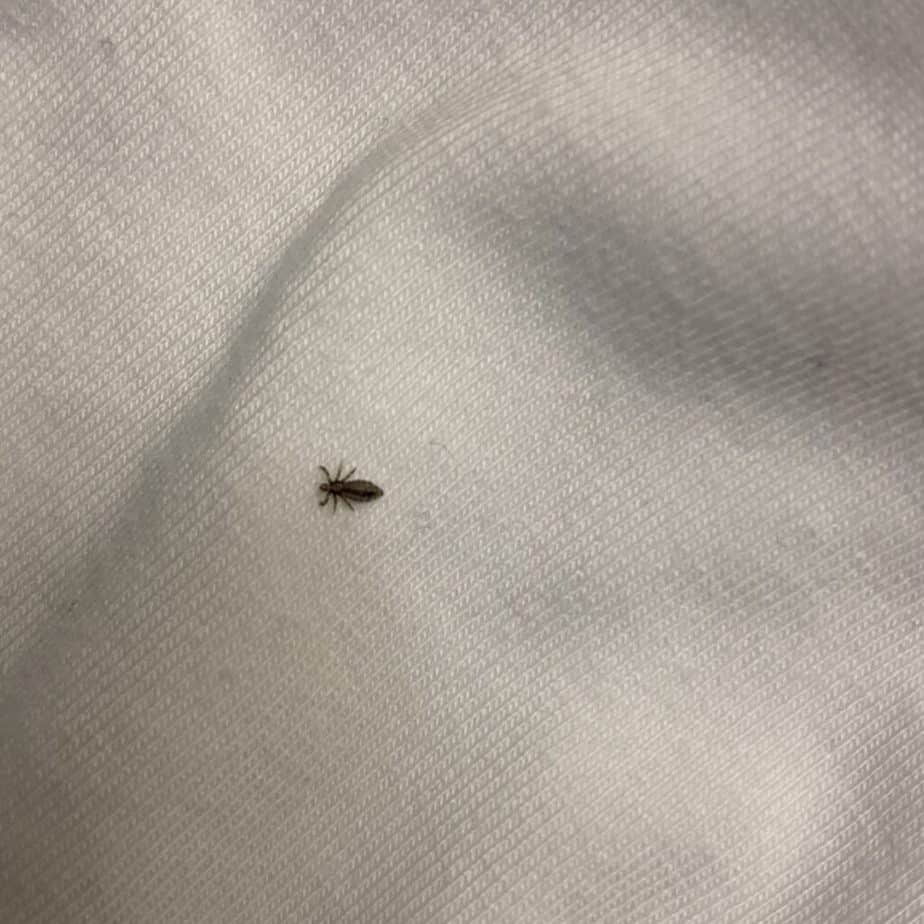
Lice are tiny, gray or tan insects. They move quickly but avoid light. Nits look like tiny white or yellowish flakes stuck near the scalp. These eggs do not brush off easily like dandruff. Lice cause scalp itching and discomfort. You may see small bugs crawling near the neckline or behind ears.
Symptoms Of Lice Infestation
Itching is the most common sign of lice. The scalp becomes red and irritated from scratching. You might see small red bumps or sores. Nits near the scalp are clear evidence of lice. Sometimes, a tickling feeling or movement in hair appears. Lice infestations spread easily through close contact.
Eggs In Hair
Many wonder if bed bugs lay eggs in hair like lice do. This section clears up confusion about eggs in hair. Understanding the differences helps identify the actual pest.
Lice Eggs Characteristics
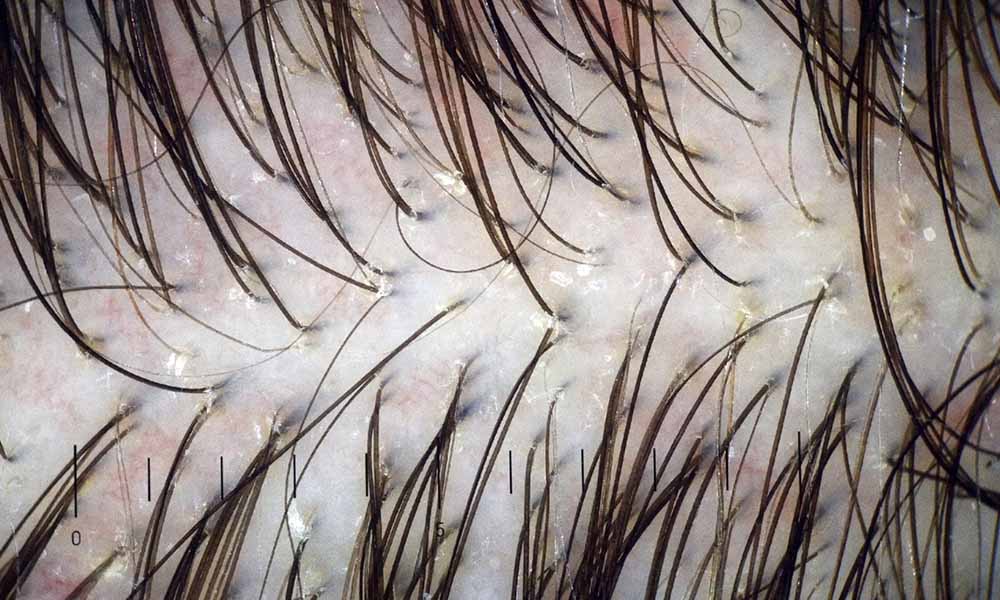
Lice eggs, called nits, are tiny and oval-shaped. They stick firmly to hair shafts near the scalp. Nits look like small white or yellow dots. They are hard to remove by brushing. Nits hatch in about 7 to 10 days.
Bed Bug Eggs Location
Bed bug eggs are very small and white. Females lay them in cracks and crevices near their hiding spots. Common places include mattress seams, furniture joints, and baseboards. Bed bugs do not lay eggs on hair or scalp. They prefer dark, hidden areas close to where people sleep.
Why Bed Bugs Avoid Hair For Eggs
Bed bugs avoid hair because it is not safe or stable. Hair moves a lot and is exposed to light. Eggs could fall off or dry out quickly. Bed bugs need a quiet place to protect their eggs. Hair does not provide the right environment for egg development.
Bed Bugs And Skin
Bed bugs are small, flat insects that feed on human blood. They mostly hide in beds, furniture, and cracks. Many people wonder if these bugs can stay on their skin or hair. Understanding their behavior on skin helps to know how to protect yourself.
Bed bugs do not live on your skin like lice. They bite, feed quickly, and then hide. Their bites cause itching and red marks. Knowing their habits helps in identifying and controlling them.
Do Bed Bugs Stay On Skin?
Bed bugs do not stay on your skin. They only come out to feed at night. After feeding, they move away to hide. Their bodies are flat, making it easy to hide in small spaces. They prefer dark, quiet places near beds.
You will not find bed bugs crawling on your skin during the day. Their goal is to feed and then retreat quickly. If you see bugs on your skin, they are more likely lice or other insects.
After Showering
Taking a shower does not kill bed bugs. These insects are not on your skin but in your surroundings. Washing your body removes sweat and dirt but does not affect bed bugs hiding nearby.
Showering helps soothe itching from bites but does not remove bed bugs. Proper cleaning of bedding and furniture is needed to get rid of them. Bed bugs can survive many hours without feeding.
Feeding And Retreating
Bed bugs come out mostly at night to feed on exposed skin. They pierce the skin and suck blood for a few minutes. After feeding, they retreat to their hiding spots.
They avoid light and movement, so they do not stay on your body. Their bite may cause red, itchy welts. These marks often appear in lines or clusters.
Understanding this feeding and retreating pattern helps you spot signs of infestation early. Inspect your bed and furniture carefully for bugs and small dark spots.
Treatment Options
Treatment options for dealing with bugs in your hair and living spaces vary. Knowing the right steps helps you act quickly and reduce discomfort. This section covers ways to manage bed bugs and lice effectively.
Dealing With Bed Bugs
Bed bugs hide mostly in mattresses, furniture, and cracks. They rarely stay in hair. Use heat to kill bed bugs. Wash bedding and clothes in hot water. Vacuum your home thoroughly, focusing on seams and edges. Seal cracks and crevices to stop bugs from hiding. Use insecticides labeled for bed bugs carefully. Repeat cleaning and treatment until bugs disappear.
Lice Removal Methods
Lice live in hair and scalp, feeding on blood. Use medicated lice shampoo or lotion. Comb wet hair with a fine-toothed nit comb to remove eggs and bugs. Repeat treatment after 7-10 days to kill newly hatched lice. Wash clothes, hats, and bedding in hot water. Avoid sharing combs or hats to prevent spreading lice.
When To Call Professionals
Persistent infestations need expert help. Pest control specialists use stronger treatments for bed bugs. Doctors or lice clinics offer medical-grade lice treatments. Professionals can confirm the bug type and suggest the best method. Don’t delay calling experts if self-treatment fails or bugs spread.
Credit: naturesmace.com
Frequently Asked Questions
How Do You Know If Bed Bugs Are In Your Hair?
Bed bugs rarely stay in hair; they prefer bedding and furniture. Itchy, red welts on exposed skin suggest bed bugs. Visible bugs or eggs in hair usually indicate head lice, causing scalp itching and flakes. Check bedding for rust spots and a musty smell for bed bug signs.
Do Bed Bugs Stay On Your Skin After A Shower?
No, bed bugs do not stay on your skin after a shower. They feed on blood, then hide in furniture or cracks.
Will Bed Bugs Lay Eggs In Your Hair?
Bed bugs do not lay eggs in your hair. They prefer hiding in bedding and furniture. Bugs in hair usually indicate lice.
Does Bed Bug Stay In Human Hair?
Bed bugs rarely stay in human hair. They prefer hiding in beds and furniture, not on the scalp. Bugs or eggs in hair usually indicate head lice, not bed bugs.
Conclusion
Bed bugs rarely live in your hair. They prefer hiding in beds and furniture. Bites appear on exposed skin, not the scalp. Seeing bugs or eggs on hair usually means lice. Lice cause intense scalp itching and have visible nits.
Check your bedding carefully for bed bug signs. Use proper treatment for lice or call pest control for bed bugs. Staying informed helps you act quickly and avoid discomfort. Knowing the difference keeps your home and health safe.
As an Amazon Associate, I earn from qualifying purchases.
Lovingshe is a participant in the Amazon Services LLC Associates Program which is an affiliate advertising program designed to provide a means for sites to earn advertising fees by advertising and linking to Amazon.com. Amazon may use cookies to track referrals from our site. Visit Amazon’s privacy policy for details
