


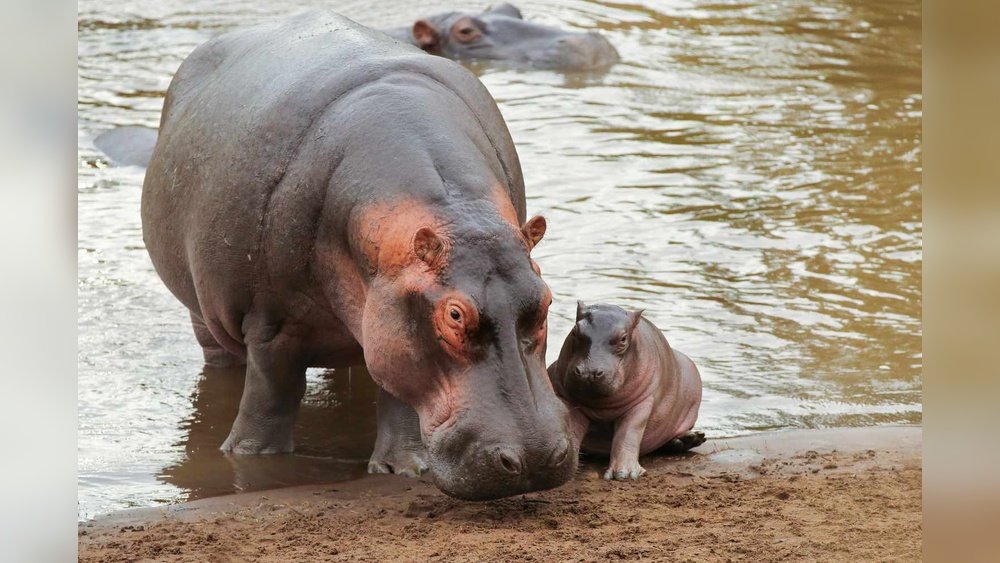
Have you ever wondered if every mammal you see has hair? It might seem obvious—after all, animals like dogs, cats, and bears are covered in fur.
But what about dolphins gliding through the ocean or elephants roaming the savanna? You might be surprised to learn that while all mammals do have hair at some point, it’s not always visible or the same as the furry coats you expect.
Understanding why some mammals appear hairless and why humans lost much of their hair reveals fascinating secrets about evolution, survival, and adaptation. Keep reading, and you’ll discover the surprising truth about mammalian hair and what it means for you and the animal kingdom.
Hair In Mammals
Hair is one of the most distinct features of mammals. It covers their bodies to some extent and serves many roles. Hair helps in keeping mammals warm, sensing their environment, and even protecting their skin. Although all mammals have hair, the amount and type differ widely.
This section explores why hair is important for mammals and how it varies across species.
Hair As A Mammalian Trait
Hair is a key trait that defines mammals. It grows from follicles in the skin and is made of keratin. Every mammal has hair at some point in its life. This includes animals like whales and dolphins, which lose most of their hair as adults. Hair helps mammals regulate body temperature by trapping heat close to the skin.
Besides warmth, hair acts as a sensory tool. Whiskers on cats and rodents detect nearby objects and movements. Hair also provides camouflage and protection from sun and insects.
Variations In Hair Coverage
Hair coverage varies greatly among mammals. Some have thick fur coats, like bears and wolves. Others, like elephants and hippos, have very sparse hair. Aquatic mammals often have less hair to reduce drag in water. For example, dolphins have only a few hairs near their mouths at birth.
Humans are unique with mostly fine, thin hair covering their bodies. This helps with cooling through sweating. In contrast, some mammals shed their hair seasonally to adjust to temperature changes. The amount and type of hair depend on the animal’s habitat and lifestyle.
:max_bytes(150000):strip_icc()/__opt__aboutcom__coeus__resources__content_migration__mnn__images__2017__01__Dolphin-Ocean-Mouth-open-c66d0309e5b842e6acc5fc25026745d3.jpg)
Credit: www.treehugger.com
Hairless Mammals
Not all mammals have thick or visible hair. Some mammals appear hairless or nearly so. These hairless mammals still have hair at some stage, but it may be very fine, sparse, or lost after birth. Hair serves many roles in mammals, such as warmth, protection, and sensing the environment. In hairless mammals, hair often reduces or changes to suit their lifestyle or habitat.
Vestigial Hair Examples
Some mammals keep tiny or hidden hairs called vestigial hair. These hairs no longer serve their original purpose but remain as small traces. For example, dolphins have a few whiskers on their snouts at birth. These whiskers fall out soon after, leaving only small hair follicles. Humans also have very fine body hairs that are mostly invisible. These hairs help with touch and sensory functions, even if they do not keep the body warm.
Marine Mammals And Hair Loss
Marine mammals often lose most of their hair as an adaptation to water life. Thick fur can slow swimming and trap water, making movement harder. Instead, they develop a thick layer of blubber for insulation. Whales, dolphins, and manatees have smooth skin with little or no hair. Some newborn marine mammals have fine hairs that disappear as they grow. This hair loss helps them swim faster and stay warm in cold water without fur.
Dolphins And Hair
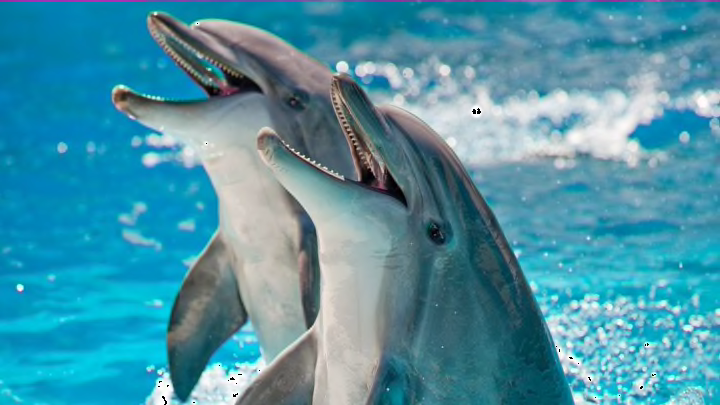
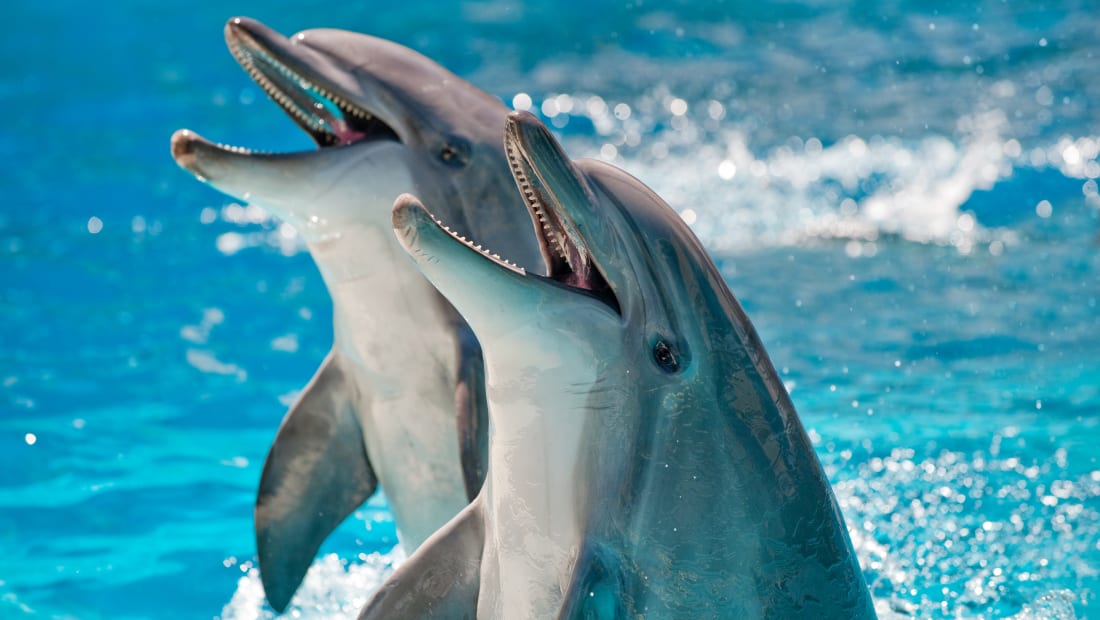
Dolphins belong to the mammal family, so they have hair like other mammals. Yet, their hair is very different from animals like dogs or bears. Dolphins have only a few hairs at birth, and they lose most of them as they grow. These hairs play special roles during their early life and even after they disappear.
Birth Whiskers
Newborn dolphins have tiny whiskers on their snouts. These whiskers help babies find their mother’s nipple to feed. The whiskers are soft and short, perfect for guiding the calf. They are only present for a short time after birth.
Hair Follicles In Adults
Adult dolphins do not have visible hair. The whiskers fall out soon after birth because water pressure removes them. However, the hair follicles stay under the skin. These small pits remain even though the hair does not grow back.
Function Of Sensory Hairs
The hair follicles in adult dolphins serve an important purpose. They act like sensors that feel water movement around the dolphin. This helps dolphins detect nearby objects and prey. These sensory hairs work somewhat like a cat’s whiskers, giving dolphins extra awareness in the water.
Human Hair Evolution
Humans are unique among mammals for having much less body hair. Our ancestors gradually lost thick fur over millions of years. This change helped them survive in hot climates. Scientists believe several factors shaped human hair evolution. These include cooling, parasite control, and mate choice. Each played a role in reducing body hair and changing its function.
Thermoregulation And Cooling
Human hair became thinner to help cool the body. Less hair allows sweat to evaporate faster. This process cools the skin effectively in hot environments. Early humans needed this to stay active under the sun. It gave them an advantage in hunting and gathering. Efficient cooling helped prevent overheating during long runs.
Sweat Glands Adaptation
Humans developed many sweat glands to regulate temperature. These glands work best with less body hair. Hair blocks sweat evaporation, so less hair means better cooling. Sweat glands produce salty liquid that cools as it dries. This system keeps the body temperature stable. It supports endurance activities in warm weather.
Parasite Reduction
Thick fur often hosts parasites like lice and ticks. Losing hair helped reduce parasite loads. Fewer parasites mean less disease and discomfort. Hair loss made it easier to spot and remove pests. This improved hygiene and overall health. Parasite reduction gave humans a survival edge.
Sexual Selection
Hair patterns may have influenced mate choices. Hair loss exposed skin, showing health and vitality. Clear skin could signal fewer parasites or illness. Partners might prefer mates with healthy skin. This choice reinforced less body hair over generations. Hair on the head and other areas remained for attraction and warmth.
Reasons For Hairlessness
Hairlessness in some mammals may seem unusual. Yet, it is a result of evolution serving specific purposes. Different mammals lost or reduced hair for reasons tied to survival and reproduction.
These reasons explain why hair is less visible or absent in some species. Understanding them helps us see why hair is not always needed.
Endurance Running
Some mammals evolved hairlessness to run long distances. Less hair means better cooling through sweat evaporation. This helped early humans chase prey under the hot sun. Hair would trap heat, making running harder.
Heat Dissipation
Hairless skin allows faster heat loss in hot climates. Animals like whales and dolphins have little hair but thick fat layers. Their smooth skin helps shed heat in water. Hairlessness prevents overheating when they swim or rest.
Pest Control
Hair can host pests like ticks and fleas. Losing hair reduces parasite load. Some mammals shed hair to avoid infections. A bare skin makes it harder for pests to hide and breed.
Mate Attraction
In some species, hairlessness signals health and youth. Smooth skin can attract mates by showing fitness. Hair loss can highlight muscle tone or skin condition. This helps animals choose strong partners for reproduction.
Credit: www.mentalfloss.com
Hair Humans Retain
Humans retain hair in specific areas of the body, unlike many other mammals. This selective retention serves important roles. Hair is not just for warmth but also protection and signaling. These hairs vary in thickness, length, and function depending on their location. Understanding the hair humans keep helps us see how evolution shaped our species.
Scalp Hair Protection
Scalp hair protects the head from sun damage. It shields the skin from harmful ultraviolet rays. Hair also cushions the skull against minor bumps. Thick scalp hair helps regulate body temperature. It traps heat in cold weather and blocks heat in hot weather. This hair grows longer and thicker than other body hair.
Pubic And Armpit Hair Roles
Pubic and armpit hair appear during puberty. These hairs reduce friction during movement. They also trap scent chemicals called pheromones. Pheromones play a role in human attraction and communication. This hair helps keep these areas dry by improving air circulation. It also acts as a barrier against bacteria and other germs.
Credit: www.mentalfloss.com
Frequently Asked Questions
Do Every Mammal Have Hair?
All mammals have hair at some stage, though some, like dolphins, lose visible hair after birth. Hair helps with insulation and sensory functions.
What Are The 5 Differences Between Mammals And Non-mammals?
Mammals have hair or fur; non-mammals do not. Mammals produce milk; non-mammals don’t. Mammals are warm-blooded; many non-mammals are cold-blooded. Mammals have three middle ear bones; non-mammals have fewer. Mammals have a neocortex brain region; non-mammals lack it.
Does A Dolphin Have Hair?
Yes, dolphins have hair only as newborns, with a few whiskers around their snout. These hairs fall out soon, leaving sensory follicles that detect water movement. Adult dolphins lack visible hair since blubber keeps them warm and smooth skin aids swimming.
Why Did Humans Evolve To Not Be Hairy?
Humans evolved less body hair mainly for better cooling through sweating during endurance hunting in hot climates. Less hair reduced parasites and displayed health, aiding mate selection. Increased sweat glands improved heat loss, supporting survival on open savannas.
Conclusion
All mammals have hair at some stage of life. Some keep thick fur; others lose most hair as they grow. Hair helps with warmth, sensing, or protection. Dolphins, for example, have tiny hairs only as babies. Humans have very little hair but still have follicles beneath the skin.
This trait links all mammals together. Hair may change or disappear, but it remains a key mammal feature. Understanding this helps us see how diverse mammals really are. Hair tells a story of evolution and adaptation across species.
As an Amazon Associate, I earn from qualifying purchases.
Lovingshe is a participant in the Amazon Services LLC Associates Program which is an affiliate advertising program designed to provide a means for sites to earn advertising fees by advertising and linking to Amazon.com. Amazon may use cookies to track referrals from our site. Visit Amazon’s privacy policy for details
