


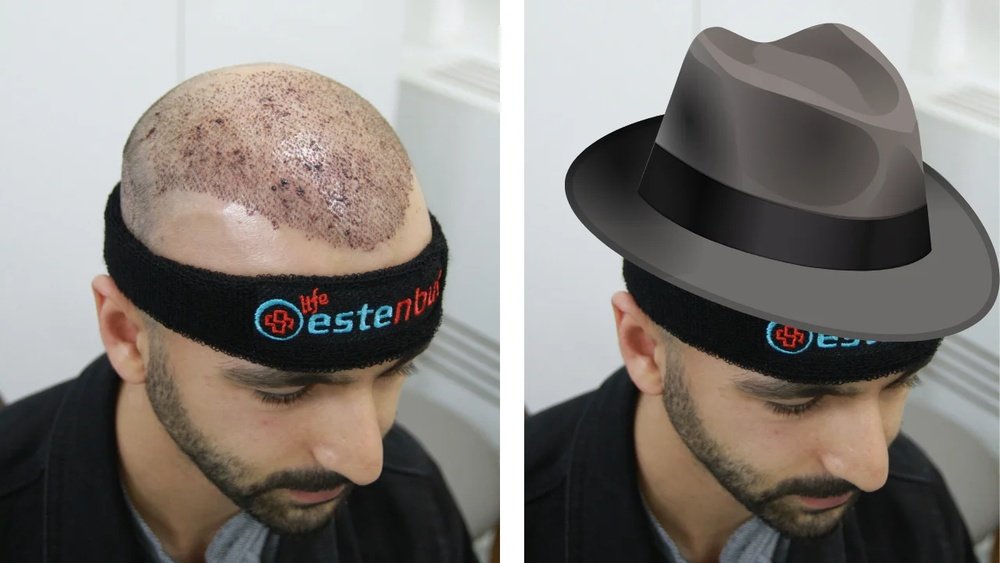
You just had a hair transplant, and now you’re wondering: can you wear a hat without harming your new hair? It’s a question many face, especially if you want to protect your scalp from the sun or simply keep your look under wraps while healing.
But wearing a hat too soon or the wrong way can put your results at risk. So, what’s the safe timeline? Which hats are best? And how can you protect your investment without feeling self-conscious? Keep reading to discover exactly how to wear a hat after your hair transplant—safely and comfortably—so you can enjoy your new look without worry.
Credit: www.youtube.com
Hat Wearing Timeline
The timeline for wearing a hat after a hair transplant is crucial for protecting your new grafts. Proper care during the healing process helps ensure the best results. Understanding when to wear a hat and what types to choose can prevent damage and infection.
First Few Days
Avoid wearing any hats during the first few days after surgery. The grafts are fresh and very delicate. Pressure or friction from hats can dislodge the new hairs. It is best to keep the scalp exposed to air. Protect your head from direct sunlight with a loose scarf if needed.
Weeks Following Surgery
After about one week, you may wear a hat, but only if it is very loose and soft. Choose hats made from breathable materials like cotton. Avoid tight or stiff hats that press on the scalp. Keep the hat clean to reduce the risk of infection. Limit hat use to short periods to allow healing.
Long-term Hat Use
Once the scalp has fully healed, usually after several weeks, you can return to normal hat use. Continue wearing clean hats that do not irritate your scalp. Soft, loose-fitting hats remain the best choice. Regularly wash your hats to keep bacteria away and maintain scalp health.
Hat Types And Materials
Choosing the right hat after a hair transplant matters. The type and material affect healing and comfort. Soft, breathable hats protect without harming new grafts. The fit should be loose to avoid pressure. Avoid tight or hard hats that may irritate the scalp. Let’s explore the best hat options for your scalp’s health.
Soft And Breathable Fabrics
Pick hats made from soft materials like cotton or bamboo. These fabrics let air flow freely. Breathable hats reduce sweat and keep the scalp dry. Avoid synthetic fabrics that trap heat and moisture. Soft fabrics feel gentle on sensitive skin. They help prevent irritation and infections during healing.
Loose Fit Options
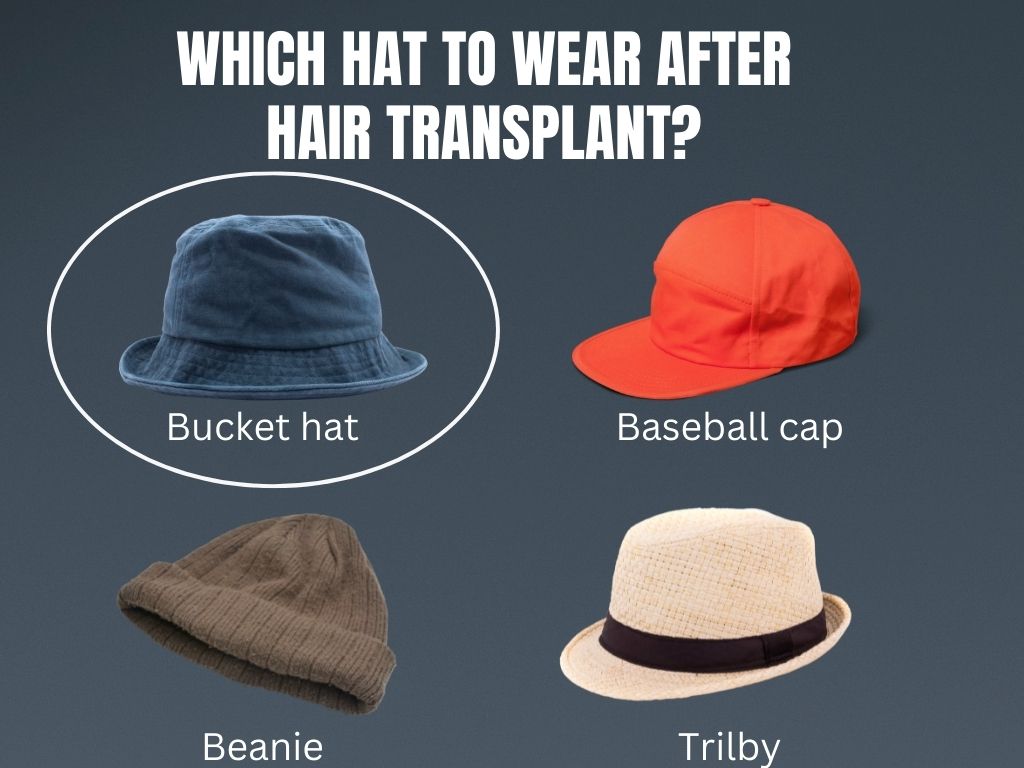
Choose hats with a loose fit to protect grafts. Loose hats do not press on new hair follicles. Caps with adjustable straps or bucket hats work well. A loose hat moves less and feels more comfortable. Tight hats can cause friction and slow healing. Always check that the hat sits lightly on your scalp.
Avoiding Tight Or Rigid Hats
Hard hats, helmets, or tight caps can harm the scalp. These hats may rub or squeeze tender areas. Avoid hats with stiff bands or tight elastic. They can dislodge grafts or cause redness. Wait until your doctor says it is safe to wear tighter hats. For now, stick to soft, loose, and breathable options only.
Protecting Grafts
Protecting the grafts after a hair transplant is critical for good results. The new hair follicles are fragile and need careful care. Wearing a hat can help shield the scalp, but it must be done right. Choosing the correct hat and wearing it properly avoids damage and helps healing.
Below are key points on how to protect your grafts while wearing a hat after your procedure.
Preventing Pressure And Irritation
New grafts are sensitive to pressure and rubbing. Tight hats can press on the scalp and harm the grafts. Always pick loose-fitting hats that do not touch the transplant area firmly. Soft materials reduce the risk of irritation. Avoid hats with hard edges or tight bands.
Maintaining Cleanliness
Cleanliness is important to prevent infection. A dirty hat can carry bacteria to your scalp. Use a fresh, clean hat each time you wear one. Wash hats regularly to keep them free from dust and sweat. Avoid sharing hats with others during the healing period.
Sun Protection Strategies
Sun exposure can damage new grafts and slow healing. Hats offer a good shield from harmful UV rays. Choose hats with wide brims to cover the entire scalp. Light-colored hats reflect sunlight better and keep your head cool. Wearing a hat outdoors protects grafts from sunburn and dryness.
Risks Of Improper Hat Use
Wearing a hat too soon or the wrong way after a hair transplant can cause problems. The scalp is very delicate after surgery. Improper hat use may slow healing and hurt hair growth. It is important to understand the risks before covering your head.
Impact On Hair Growth
Tight hats can press on new hair grafts. This pressure may stop follicles from growing properly. Reduced blood flow to the scalp can weaken hair roots. Damaged grafts may fall out, lowering transplant success. Choose hats that do not squeeze or rub the scalp.
Infection Risks
Wearing dirty or unwashed hats can cause infections. Bacteria build up on hats and irritate the scalp. The skin after transplant is open and vulnerable. Infection can cause redness, swelling, and pain. Keep hats clean and avoid wearing them too long.
Damage To Newly Transplanted Hair
Rough fabrics or tight bands can scratch or pull grafts. Newly transplanted hair is fragile and easy to harm. Constant rubbing may dislodge grafts or cause scabs to open. This slows healing and may leave scars. Soft, loose, and breathable hats protect the new hair.
Tips For Choosing Hats
Choosing the right hat after a hair transplant protects your healing scalp. It also keeps new grafts safe and comfortable. The wrong hat can cause irritation and slow recovery. Follow these tips to pick hats that suit your needs and protect your scalp.
Comfort, fit, and material matter a lot. A well-chosen hat helps you feel confident without harming your scalp.
Selecting Soft, Wide-brimmed Hats
Soft hats reduce pressure on delicate grafts. Wide brims shield your scalp from harmful sun rays. Look for hats that do not press tightly on your head. Bucket hats and floppy hats offer good coverage and softness. Avoid hats with hard edges or stiff brims that might rub the scalp.
Adjustable Vs Fixed Fit
Adjustable hats allow a gentle, custom fit. They reduce the risk of squeezing the scalp. Fixed-fit hats may be too tight or loose. Tight hats cause discomfort and may damage grafts. Loose hats might fall off or let in dirt. Choose adjustable hats with soft bands for better control.
Material Recommendations
Breathable fabrics keep your scalp cool and dry. Cotton and linen are soft and allow air flow. Avoid wool and synthetic fabrics that trap heat. Materials should feel gentle against sensitive skin. Clean hats often to prevent bacteria buildup. Soft, natural fabrics protect your scalp best during healing.
Concealing Transplant During Healing
Concealing your hair transplant during the healing phase can help boost your confidence. The scalp is delicate and needs gentle care. Covering the transplant area also protects it from dust and sunlight. Several options exist to hide the new grafts without causing damage. Choose the right method to stay comfortable and safe.
Using Hats And Bandanas
Soft, loose hats and bandanas offer good coverage. They shield the scalp from sun and dirt. Avoid tight hats that press on the grafts. Cotton or breathable fabrics reduce sweat and irritation. Always wear a clean hat or bandana to prevent infection. Change them often to keep the area fresh.
Hair Styling Techniques
Simple hairstyles can help conceal the transplant area. Use gentle combing to avoid disturbing grafts. Soft parting or light brushing can mask redness or scabs. Avoid heavy gels or sprays that may irritate the scalp. Let the hair dry naturally without heat styling.
Temporary Hair Fibers And Wigs
Hair fibers add volume and hide thinning spots. Choose fibers that match your natural hair color. Apply lightly to avoid clogging pores. Wigs or hairpieces offer full coverage for special occasions. Select lightweight and breathable materials to keep scalp comfort. Clean them regularly to maintain hygiene.
Surgeon’s Advice Importance
Following a hair transplant, listening to your surgeon’s advice is crucial. The scalp is delicate after the procedure. Proper care helps protect the new grafts and promotes healing. Surgeons provide guidelines based on your specific case. Ignoring their advice can lead to poor results or infection. Trusting your surgeon ensures the best outcome for your hair transplant journey.
Customized Guidelines
Each patient receives unique instructions from their surgeon. These guidelines depend on the transplant method and scalp condition. Some may allow hat-wearing sooner than others. Your surgeon knows when your scalp is ready. Follow their timing to avoid damage to grafts.
Follow-up Care
Surgeons monitor your healing through follow-up visits. They check for signs of infection or irritation. During these visits, ask about wearing hats safely. Adjust your care routine based on their advice. This helps protect your scalp and grafts during recovery.
When To Consult Your Doctor
If you notice redness, swelling, or pain under a hat, contact your surgeon. Any discomfort might mean the scalp is not ready for hats. Also, check with your doctor before using new scalp products or hats. Early consultation prevents complications and supports smooth healing.

Credit: www.youtube.com
Credit: www.dentalhairclinicturkey.com
Frequently Asked Questions
How Soon Can You Wear A Hat After A Hair Transplant?
Wait at least 7-10 days before wearing a hat after a hair transplant. Use a loose, clean, soft hat to avoid pressure or irritation. Follow your surgeon’s advice for the best healing and hair growth results.
How To Hide Head After Hair Transplant?
Wear loose hats, beanies, or bandanas after healing to cover the scalp. Use hair fibers or scalp concealers for better coverage. Style hair longer to hide scars or redness. Consult your surgeon for personalized advice.
Can I Wear A Hat Immediately After A Hair Transplant?
No, avoid wearing hats for at least 7-10 days post-surgery. The grafts need time to settle and heal without pressure or friction.
When Is It Safe To Start Wearing Hats After Transplant?
Typically, you can wear loose, soft hats after 10-14 days. Ensure hats do not press tightly or rub the scalp to protect new grafts.
Conclusion
Wearing a hat after a hair transplant needs care and patience. Avoid tight hats that press on new grafts. Choose soft, loose, and clean hats to protect your scalp. Wait a few days before wearing any head covering. Always follow your surgeon’s advice for best healing.
Protecting your scalp helps ensure healthy hair growth. Taking simple steps can keep your transplant safe and successful. Your new hair deserves gentle care every step of the way.
As an Amazon Associate, I earn from qualifying purchases.
Lovingshe is a participant in the Amazon Services LLC Associates Program which is an affiliate advertising program designed to provide a means for sites to earn advertising fees by advertising and linking to Amazon.com. Amazon may use cookies to track referrals from our site. Visit Amazon’s privacy policy for details
