


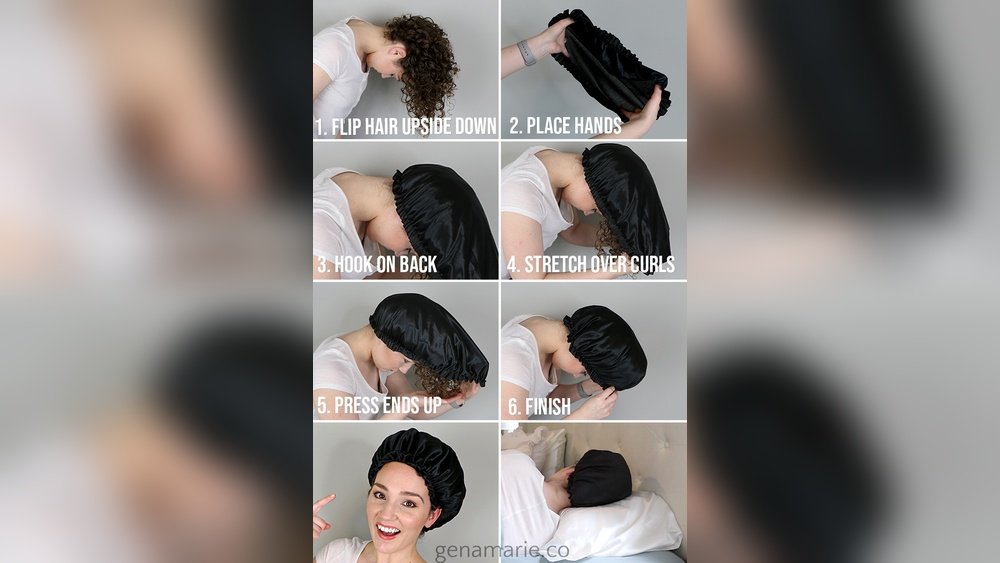
Have you ever wondered if it’s okay to put wet hair in a bonnet? You might think tossing your damp hair under a satin or silk bonnet is a good way to protect your strands overnight.
But is it really safe? Wearing a bonnet can help reduce frizz and prevent breakage, yet doing so with soaking wet hair might cause problems you never expected. If you want to keep your hair healthy and avoid scalp issues, it’s important to know when a bonnet is your hair’s best friend—and when it might do more harm than good.
Keep reading to discover the simple rules that will help you protect your hair and wake up with gorgeous, strong locks every morning.
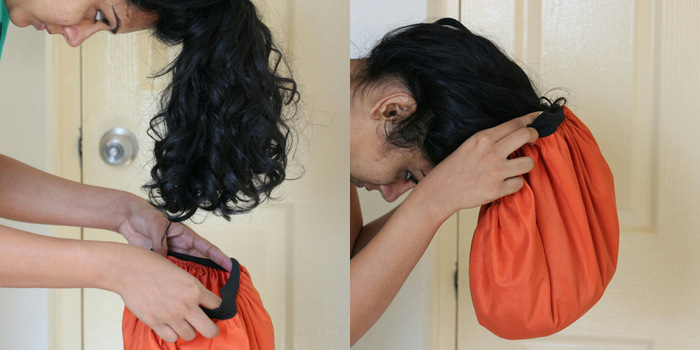
Credit: www.curlsandbeautydiary.com
Wearing A Bonnet With Damp Hair
Wearing a bonnet with damp hair can be a smart choice for many hair types. It helps protect hair while you sleep or relax. However, understanding how damp hair interacts with a bonnet is important. This section explains the benefits of wearing a bonnet when your hair is not fully dry, focusing on moisture retention and reducing damage.
Moisture Retention Benefits
A satin or silk bonnet locks in moisture from damp hair. It stops water from evaporating quickly overnight. This keeps hair hydrated and soft. Moist hair is less prone to dryness and breakage. The bonnet creates a gentle barrier that holds natural oils and products in place. This helps reduce frizz and keeps hairstyles neat longer.
Reducing Friction And Breakage
Damp hair is more fragile than dry hair. Wearing a bonnet reduces friction between hair and rough pillowcases. This lowers the chance of hair breaking or splitting. The smooth fabric of a bonnet allows hair to slide instead of snag. It protects hair cuticles from damage caused by rubbing. Less friction means healthier hair with fewer tangles and less frizz.
Risks Of Covering Soaking Wet Hair
Covering soaking wet hair with a bonnet can cause several problems. The trapped moisture creates a warm, damp environment. This setting can harm your scalp and hair over time. Understanding these risks helps protect your hair health and appearance.
Scalp Health Concerns
Wet hair under a bonnet keeps your scalp moist for long hours. This moisture encourages bacteria and fungi growth. These microorganisms can cause itching, flaking, and infections. A healthy scalp needs proper airflow and dryness to stay balanced.
Slow Hair Drying Issues
Wearing a bonnet on soaking wet hair slows down the drying process. The bonnet traps water close to the scalp and hair strands. This lack of air circulation makes your hair stay wet longer. Prolonged wetness weakens hair and makes it prone to damage.
Increased Breakage Risk
Wet hair is fragile and stretches easily. Covering it tightly with a bonnet can cause tension. This tension leads to hair breakage and split ends. Hair needs space to shrink back as it dries naturally. A bonnet can block this process, increasing breakage risk.
Best Practices For Using A Bonnet
Using a bonnet correctly protects hair and keeps styles fresh. Follow simple steps to get the best results. Proper care extends the life of both your hair and bonnet. Here are key tips for using a bonnet the right way.
Preparing Hair Before Wearing
Make sure hair is damp, not dripping wet. Excess water can cause mildew and damage. Apply leave-in conditioner or light oil to lock in moisture. Avoid heavy products that weigh hair down. Style hair loosely to prevent tension and breakage. Gentle detangling reduces knots and helps hair stay smooth.
Choosing The Right Bonnet Size And Material
Select a bonnet that fits comfortably without squeezing the head. Too tight causes headaches and hair breakage. Look for satin or silk materials to reduce friction. These fabrics protect hair cuticles and keep moisture in. Avoid cotton bonnets as they absorb moisture and cause dryness.
Keeping The Bonnet Clean And Dry
Wash your bonnet regularly to remove oils and dirt. Use gentle detergent and cold water to protect fabric. Air dry completely before wearing again to stop mildew growth. Store bonnets in a clean, dry place. Replace bonnets if they lose their smooth texture or elasticity.
Credit: www.yanibest.com
Hair Care Tips For Overnight Styles
Understanding expert opinions and real user experiences helps clarify whether putting wet hair in a bonnet is beneficial or harmful. Experts share science-based advice while users reveal what works for them. This section explores both perspectives to guide your haircare routine.
Insights From Haircare Professionals
Haircare professionals recommend caution when using a bonnet on wet hair. They agree damp hair can be covered if the bonnet is satin or silk. These materials reduce friction and help retain moisture.
Experts warn against wearing a bonnet with soaking wet hair. Trapping excess moisture creates a warm, damp environment. This can cause scalp irritation and promote fungal growth. It may also lead to unpleasant odors and mildew inside the bonnet.
Professionals advise drying hair until it is just damp before covering it. They suggest loose hairstyles inside the bonnet to avoid tension and breakage. Keeping the bonnet clean and dry between uses is also important for scalp health.
Real Stories From Social Media
Many social media users share mixed experiences about wearing bonnets with wet hair. Some say a satin bonnet helped maintain their curls overnight without frizz. They often mention using light leave-in conditioners or oils before covering damp hair.
Others warn against putting soaking wet hair in a bonnet. They report scalp itching, unpleasant smells, and sometimes breakage. Users recommend letting hair air dry for a while before sleeping with a bonnet.
Some users find success by adjusting their routine. They wear the bonnet only when hair is slightly damp and remove it early if discomfort occurs. These real stories show that personal hair type and bonnet material influence results.
Credit: www.reddit.com
Frequently Asked Questions
Can I Sleep With Wet Hair In My Bonnet?
Sleeping with damp hair in a satin bonnet helps retain moisture and reduce friction. Avoid using a bonnet on soaking wet hair to prevent scalp issues, slow drying, and breakage. Always ensure hair is only slightly damp and the bonnet is clean and dry for best results.
Can Bonnets Damage Wet Hair?
Bonnets can damage soaking wet hair by causing breakage and scalp issues. Use them only on dry or lightly damp hair to protect strands and scalp health.
Can You Put Wet Hair In A Bonnet?
Yes, you can put damp hair in a bonnet, but avoid soaking wet hair. Damp hair benefits from moisture retention and reduced friction, while soaking wet hair can cause scalp issues and breakage.
Is It Bad To Sleep With Wet Hair In A Bonnet?
Sleeping with wet hair in a bonnet is not recommended. Wet hair trapped in a bonnet can lead to slow drying, scalp infections, and increased hair breakage due to tension and moisture buildup.
Conclusion
Wearing a bonnet on damp hair can help keep moisture and reduce frizz. Avoid putting a bonnet on soaking wet hair to prevent scalp issues and breakage. Always use a clean, dry bonnet and style your hair loosely inside it.
Let your hair dry naturally before covering it fully. This simple care protects your hair and keeps it healthy overnight.
As an Amazon Associate, I earn from qualifying purchases.
Lovingshe is a participant in the Amazon Services LLC Associates Program which is an affiliate advertising program designed to provide a means for sites to earn advertising fees by advertising and linking to Amazon.com. Amazon may use cookies to track referrals from our site. Visit Amazon’s privacy policy for details
